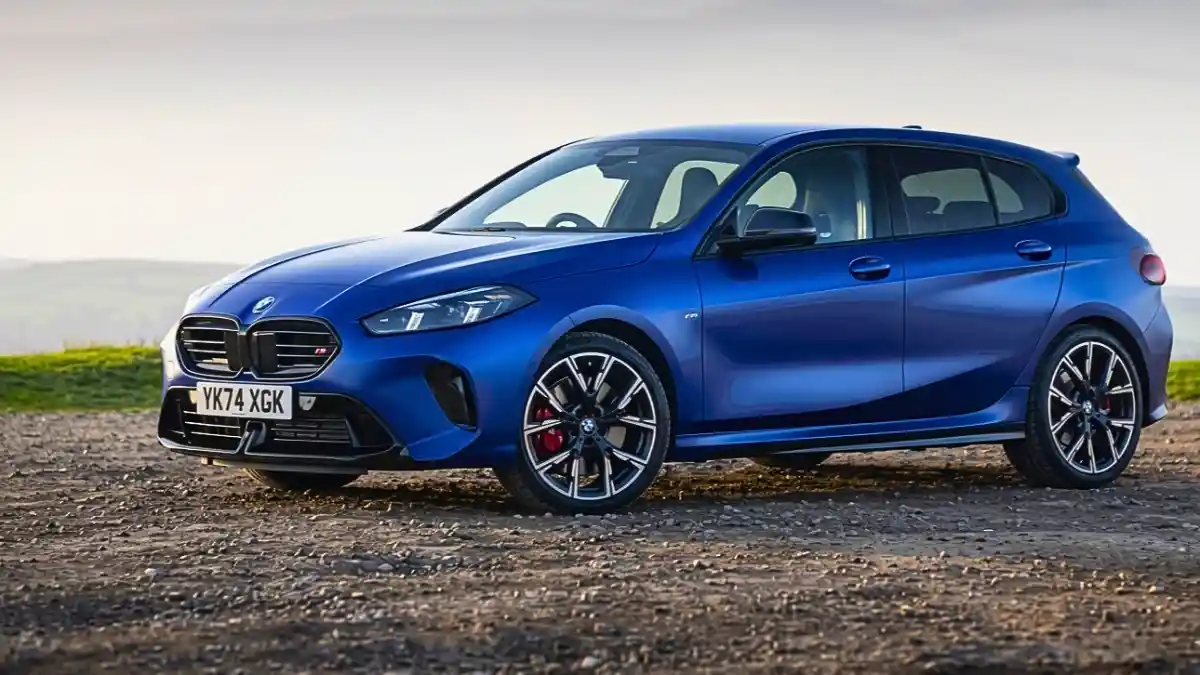
The 2028 BMW 1 Series rear-wheel drive story is a strange, electrified twist of fate. The next-generation hatchback will reclaim the purist layout that made early 1 Series cars cult heroes, but only if you choose the version with a battery pack. Combustion models will stay front-wheel drive, as they have been since 2014. It’s a move that could finally quiet the enthusiasts who have spent a decade mourning the switch to a nose-heavy platform, while lobbing a quiet provocation at anyone who still equates electric motoring with sterile, feel-free transport.
Why the 2028 BMW 1 Series Rear-Wheel Drive Matters
The 1 Series has always been an unlikely hero. In Europe, it’s the cheapest ticket into the BMW club, yet it has outsold many of its more glamorous stablemates, shifting over 200,000 units globally last year. But for enthusiasts, the real magic belonged to the first two generations—quirky, often cramped hatchbacks that sent power to the back wheels, gifting them uncorrupted steering and a balance no Audi A3 or Mercedes A-Class could match. When BMW shifted the third generation to a front-wheel-drive architecture shared with Minis, the howls were loud, even if the car itself grew more refined and practical. Now, the pendulum is swinging back, carried by electrons.
Also Read – Build Your Dream Rivian R2: The Configurator Is Finally Live – Here’s What You Need to Know
The Electric Backbone of a Driving Purist’s Dream
The catalyst is BMW’s Neue Klasse Gen6 electric platform. Designed from the ground up for battery-electric vehicles, it places the primary motor on the rear axle, making rear-wheel drive the natural default without the packaging nightmares of a longitudinal engine and transmission tunnel. A low, flat floor and a compact rear motor mean engineers can finally resurrect the purity of the original 1 Series without forcing passengers to live with a tight cabin or a hump in the middle. Meanwhile, the combustion-powered versions, expected to use updated 1.5-litre three-cylinder and 2.0-litre four-cylinder engines plus a plug-in hybrid, will soldier on with the current front-drive architecture. It’s a tale of two cars sharing a badge, but not a philosophy.
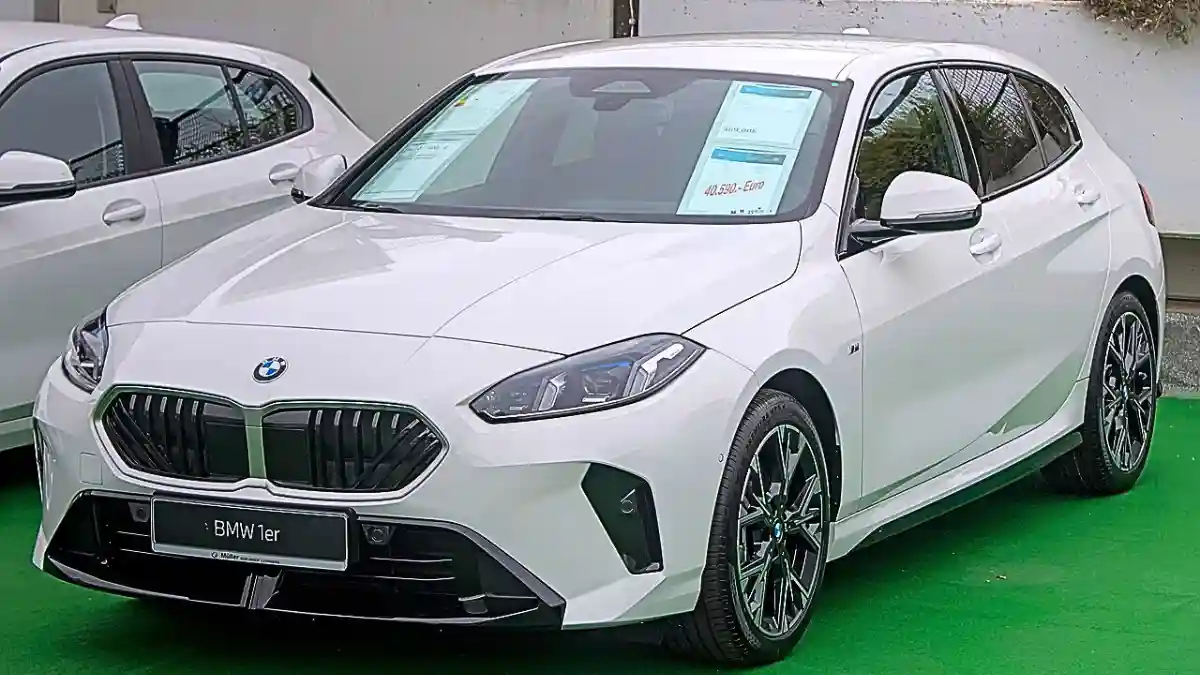
That schism is deliberate. BMW’s compact-car design chief, Oliver Heilmer, recently said that maintaining distinct characters across model lines remains “pretty important,” insisting the brand never wanted a small car that looked like a shrunken 7 Series. The 1 Series will borrow Neue Klasse cues—think a wide kidney grille reinterpreted for a smaller canvas, crisp surfaces, and a tech-heavy cabin with a hexagonal central screen and a panoramic driver’s display—but it won’t be a copy-paste job. Early indications suggest a traditional low-slung hatchback shape, a conscious departure from the MPV-like silhouettes that the next Mercedes A-Class and the upcoming Audi A2 e-tron are expected to adopt. In a segment increasingly tilting toward tall-bodied crossovers, BMW’s insistence on a classic hatch profile already feels like a statement.
The Three-Door Wildcard and Driving Dynamics
And then there’s the body style that has enthusiasts reaching for wallets that don’t yet exist: a three-door. Absent since the second generation bowed out in 2012, the three-door 1 Series is reportedly under study for the electric model. On a dedicated EV platform, shedding a pair of rear doors is structurally simpler—no fuel tank or exhaust routing to complicate the sills—and the design payoff is a sportier, cab-rearward stance that could evoke the beloved E81 of the mid-2000s. Even if it remains a niche offering, its very consideration signals that BMW’s product planners haven’t forgotten the emotional pull of a small, tossable three-door.
What this means for driving dynamics is tantalising. The electric 1 Series is expected to share a downsized version of the i3 sedan’s powertrain, with a smaller battery pack and single- or dual-motor layouts. Even in a rear-drive, single-motor configuration, the instant torque and low centre of gravity could produce the kind of point-and-squirt agility that made the original 1 Series such a cult object. Paired with Neue Klasse’s 800-volt electrical system and cylindrical cells, it also promises genuinely usable range—potentially north of 400 kilometres, even in a city-friendly footprint. For a brand that built its identity on sheer driving pleasure, the electric 1 Series could become the most honest expression of that slogan in decades.
The Combustion Counterpart: Sensible, Not Soulful
The combustion side, meanwhile, faces a less romantic future. Front-wheel drive and all-wheel drive will continue to deliver grip and everyday competence, but the emotional chasm between the two powertrain families will be hard to ignore. As the electric model reclaims the rear-drive mantle, the petrol and diesel variants risk being seen as the sensible-but-boring choice—an odd role reversal for a technology that once defined performance. It’s a risk BMW seems willing to take, likely because the 1 Series’ core audience in markets like Italy, France, and the UK still buys with their head as much as their heart, and a well-packaged premium hatch at the right price keeps the showroom doors swinging.
Also Read – GM’s Batch-Build Strategy for the Chevy Bolt Is So Boring It’s Genius — Here’s Why
Forbidden Fruit for North America
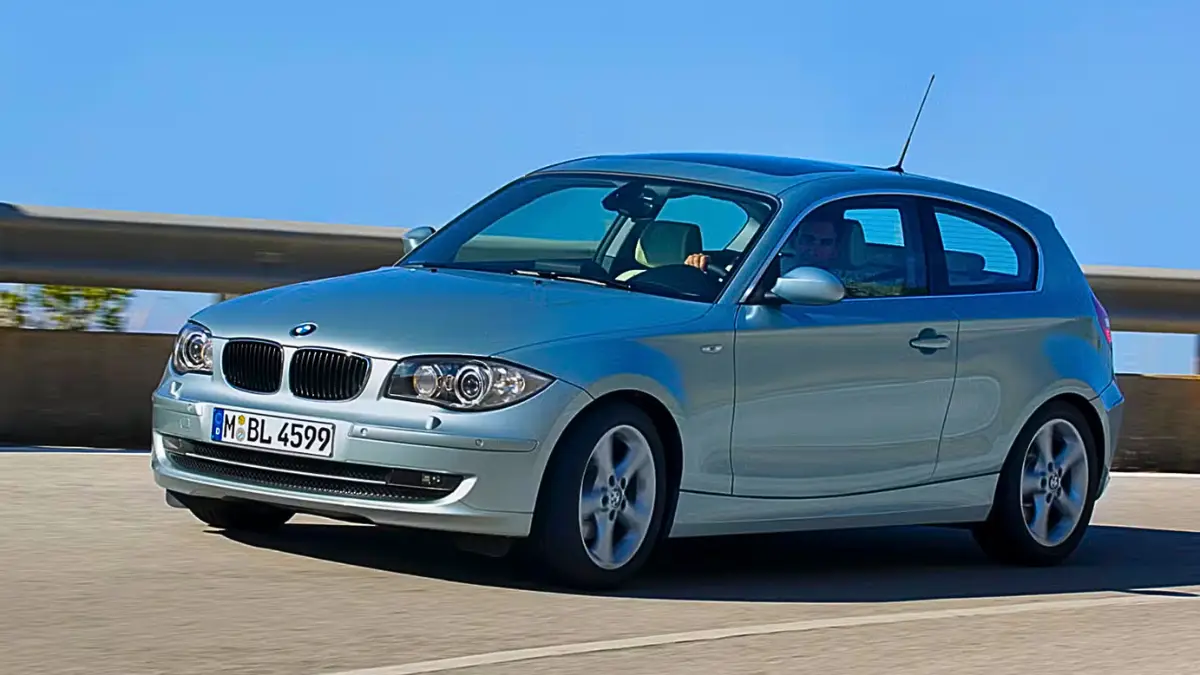
For North American enthusiasts, this entire conversation will once again unfold from across the Atlantic. BMW never sold the 1 Series hatch in the United States, and the odds of a fifth-generation reversal are vanishingly slim. The luxury hatchback segment there has been eviscerated by crossovers; Audi dropped the A3 Sportback years ago, and Mercedes never bothered with the A-Class hatch. An electric, rear-drive BMW hot hatch would be the perfect foil to a Volkswagen Golf GTI or the forthcoming electric Golf R, but the business case simply doesn’t close in a market where the X1 and X2 already hoover up all the entry-level attention. It will remain forbidden fruit, a car that American forums will endlessly debate and never drive.
What the 2028 BMW 1 Series Rear-Wheel Drive Return Really Signals
Still, the 2028 1 Series matters far beyond the sales charts. It represents a bet that electrification can reignite a driving purity that packaging constraints had snuffed out, and it exposes a future where the most emotionally engaging small BMW might be the one that plugs in. If the formula works, it could redefine how we think about attainable electric performance—and leave the front-drive combustion models feeling like relics before their time. For a car that started life as a quirky, imperfect experiment, that’s a fittingly contrarian next chapter.
Also Read – The Big Truck Mirage: Why GM Is Walking Away From Its Heaviest Silverados — and What Comes Next

Raj is the creative mind curating the special content for the website. From exclusive first-drive reviews to buyer’s guides and comparison tests, Raj ensures our features are engaging and helpful. He loves getting behind the wheel of new launches and creating content that helps our readers pick their dream vehicle. His passion for motorcycles and performance cars is evident in his energetic writing style.