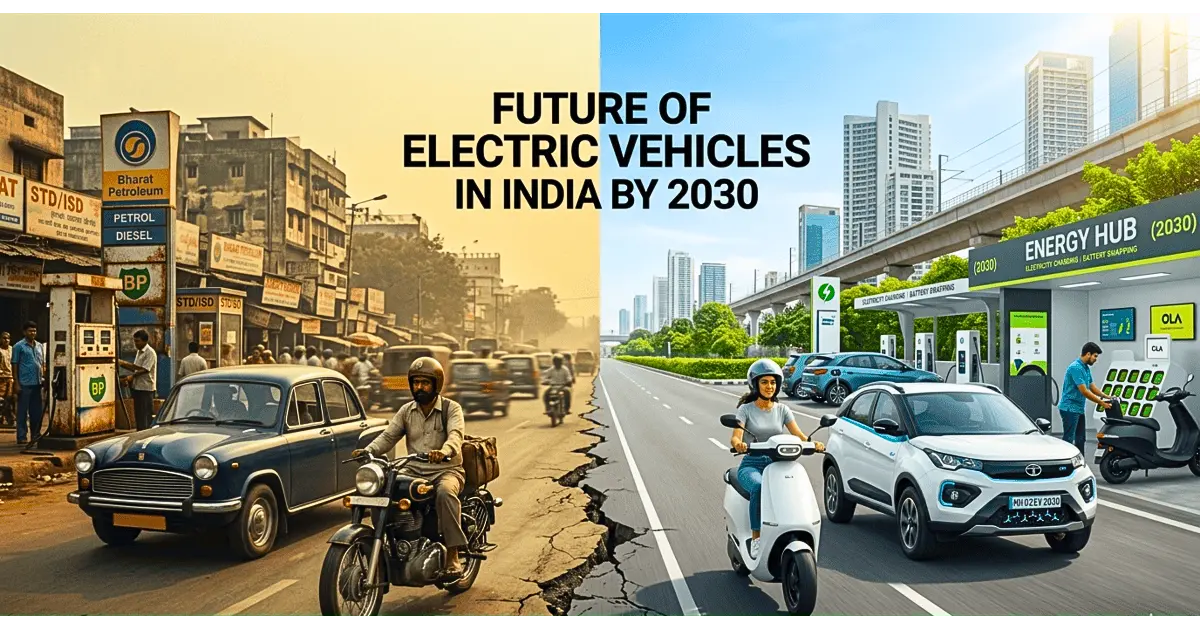
Hello everyone. Ever wonder what the future of electric vehicles in India by 2030 actually means? Like, for us? Seriously, it keeps me up sometimes! I’m that dude who practically lived for the smell of petrol, spends weekends obsessing over bike specs and car reviews… so this EV thing? It’s not some boring govt. slide deck. It’s happening. And dude, it’s gonna flip how we drive and ride completely in like… 4 years? Wild.
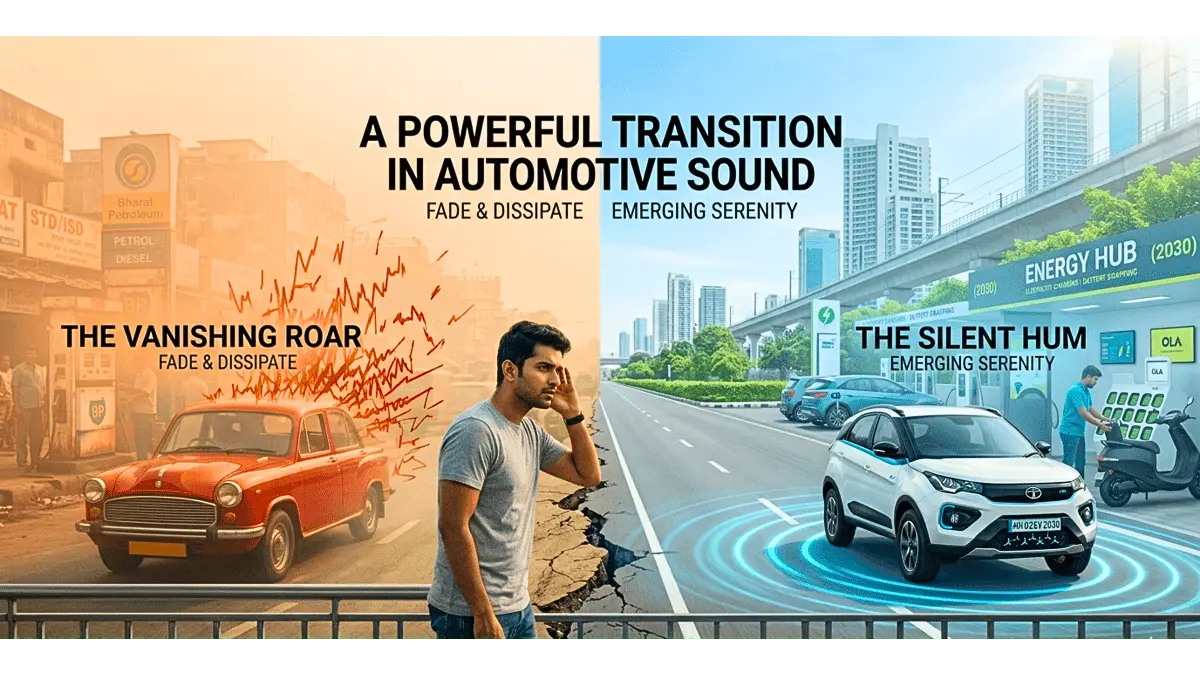
Forget all the confusing technical and corporate nonsense. Let’s just talk real? Like pals figuring out: Should I ditch my trusty old bike for that flashy electric scooter this year? Or play the long game, wait it out for that dream electric SUV? ‘Cause trust me, by 2030? That sweet engine roar we love? Gonna be history. Swapped for… well, a quiet little hum. It’s gonna be one heck of a ride, man. Seriously. When we discuss the future of electric vehicles in India by 2030, we’re really talking about our own driving habits.
Why This EV Buzz Feels Real (Not Just Hot Air!)
Remember those tiny Reva cars that looked like golf carts? Yeah, ancient history. This EV wave hitting India? It’s different. It’s got substance. Here’s why I’m actually pumped about the future of electric vehicles in India by 2030:
- The Govt. Isn’t Just Yapping, They’re Doing Stuff (Seriously!): Okay, policies usually make me snooze, but FAME-II subsidies? Those actually made EVs, especially scooters, feel affordable. And that PLI scheme? Billions of dollars tempting companies to build batteries and EVs right here! States are jumping in with discounts too. Target? 30% EVs by 2030. Big? Huge. Doable? Honestly, starting to look like yes. This push is the backbone of the future of electric vehicles in India by 2030.
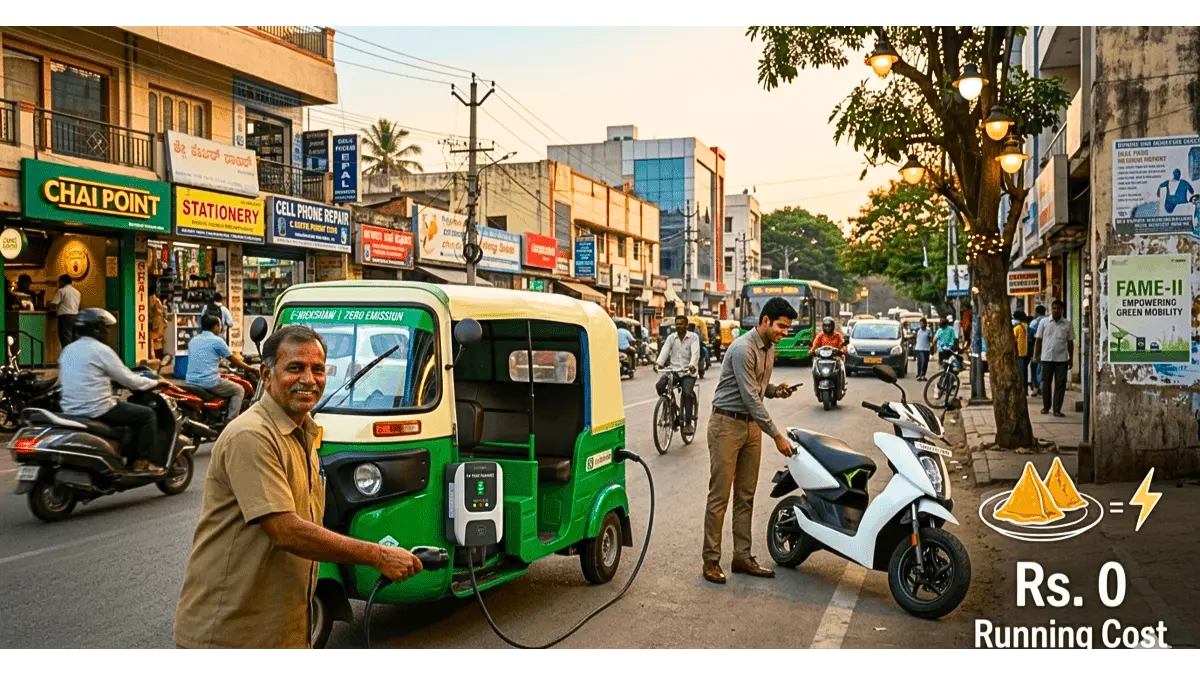
- Our Wallets Are Screaming “Save Me!”: Petrol hitting ₹98/litre? Brutal. Running an EV costs peanuts in comparison. Charging your e-scooter overnight costs less than a samosa plate. For auto-wallahs and cabbies counting every rupee, EVs are a no-brainer. Even for us regular folks, the long-term savings? Seriously tempting.
- Tech is Zooming Ahead Like a Racer on NH8: Batteries are getting cheaper (mostly!) and better. Remember EVs barely doing 80km? Now scooters easily hit 100km+, and cars do 250km+ on a charge. Charging times? Faster than ever with those DC fast chargers popping up. And Indian jugaad? Swappable batteries for bikes and autos? Genius for our packed cities and range worries! This tech boom is accelerating the future of electric vehicles in India by 2030 faster than anyone predicted.
- We Indians Love Value (and EVs are Getting There!): Yeah, the upfront price tag still stings. No hiding that. But prices are dropping as more factories open here and more EVs roll out. Between subsidies, crazy-low running costs, and way more choices – from tiny e-rickshaws to fancy SUVs – EVs are moving from “eco-luxury” to “practical smart buy.”
- Breathing Easier? Heck Yes: Let’s be real, sitting in Delhi/Mumbai/Bangalore or any Tier 1 cities, traffic isn’t just annoying, it’s like inhaling poison. Zero tailpipe emissions from EVs? That’s a massive win for our lungs right now. The green angle isn’t just for the planet; it’s for us.
Okay, Predictions Time: What Will 2030 Actually Look Like?
Alright, let’s gaze into the crystal ball. Here’s my down-to-earth take on the future of electric vehicles in India by 2030:
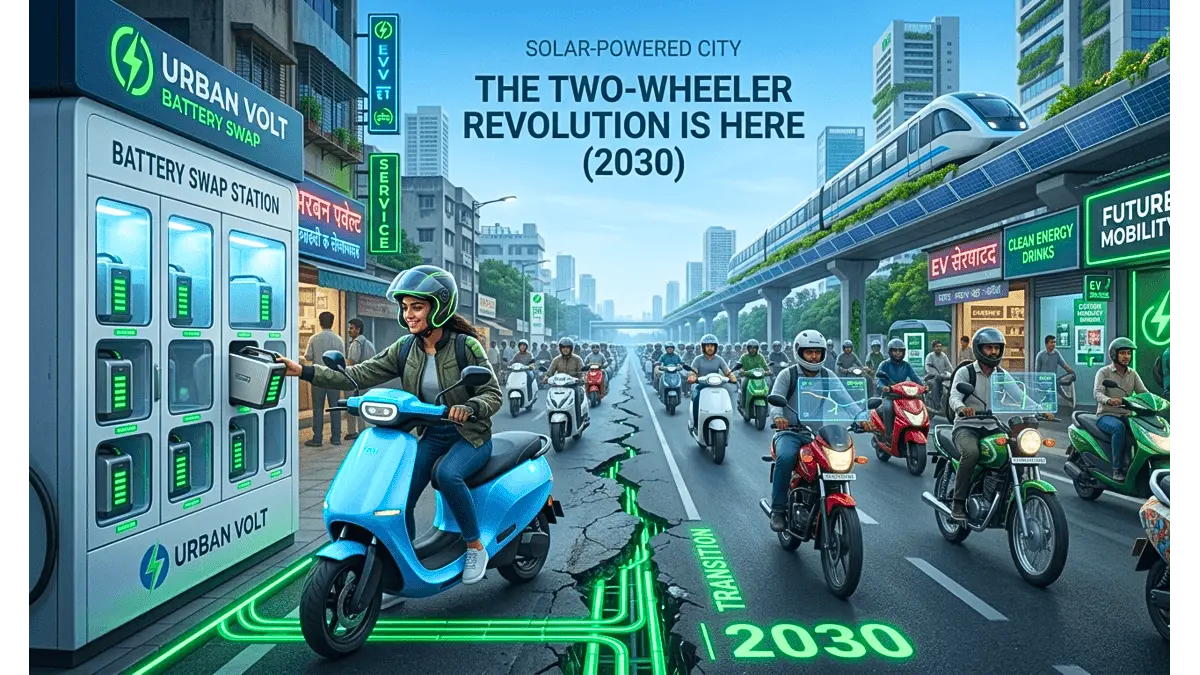
- Two-Wheelers-The Undisputed Kings (Electrified!): This is where the revolution is blazing right now. Ola, Ather, TVS, Bajaj, Hero – everyone’s going electric. And by 2030, expect:
- They’ll be everywhere: 50-70% of new scooters and bikes will be sold as electric. Petrol scooters? Becoming collector’s items.
- Same Price, Seriously: Electric models will cost pretty much the same as petrol ones, even without subsidies. Better, cheaper batteries are key.
- Cool Tech as Standard: Insane acceleration (try one, it’s addictive!), app connectivity for everything, over-the-air updates, better safety features, and seriously stylish designs.
- Swap & Go is Normal: Battery swap stations will be as common as chai stalls in cities and on highways. Perfect for delivery guys and quick top-ups – swap faster than filling a tank!
- Cars – Steady Growth, But Patience Needed: EVs for cars face bigger hills to climb – cost, charging, long trips. But progress is real. The vision for the future of electric vehicles in India by 2030 includes a much larger car parc:
- Way More Common: Jumping from today’s small numbers to maybe 15-25% of new car sales. Tata and Mahindra are leading, but Hyundai, Kia, Maruti (finally!), and others will have killer EV lineups.
- The Sweet Spot: ₹10-25 Lakh: Most action here – compact SUVs, hatchbacks, sedans giving 300-500km real range. Affordability is king.
- Charging Network (The big Question Mark): This is make-or-break. But by 2030, expect:
- Cities: Chargers at your mall, office parking, maybe finally your apartment complex (fingers crossed!), movie theatres.
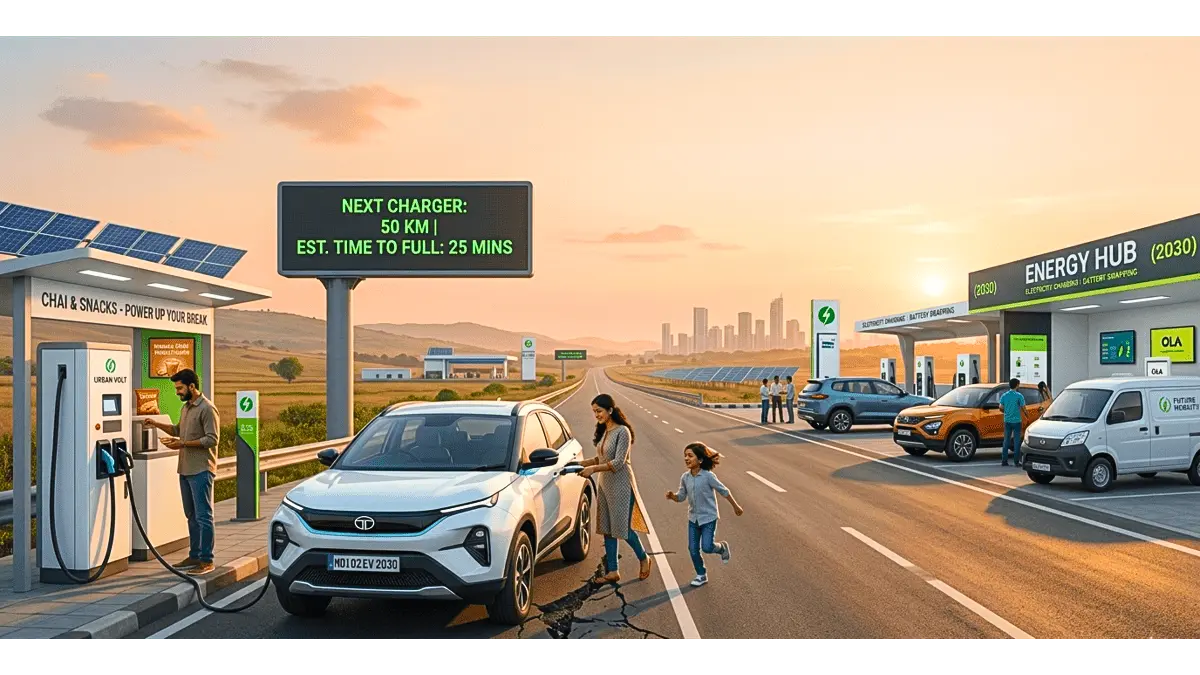
- Highways: Many companies like Reliance, Tata Power, Shell, and others are in the race to build DC fast chargers(10-80% in 30-45 mins) at every 50-100km on major routes.
- Home Charging: A must-have for buyers with parking, though apartment folks still need solutions.
- Luxury EVs: Audi, BMW, Merc, Porsche – they’ll have awesome, fast EVs, but still pricey toys for most.
- Autos & Buses: The Quiet Heroes: Electrifying crazy fast because the savings are insane.
- E-Rickshaws: Already ruling last-mile rides! Will be totally dominant.
- E-Autos: Rapidly replacing noisy petrol/CNG autos, especially for fleets. Swapping is perfect here.
- E-Buses: State transport is buying loads under FAME-II. Most new city buses by 2030 will be electric – quieter, cleaner streets? Yes please!
- The Backstage Crew Gets Stronger:
- Made-in-India Batteries: Giant “gigafactories” are coming! Ola, Reliance, Tata, others setting up shop. Cheaper batteries, less importing, more jobs.
- EV Parts Ecosystem: Our awesome suppliers are switching gears to make motors, electronics, and chargers here. Crucial for lower costs.
- Greener Charging: For EVs to be truly clean, our grid needs more solar/wind power. That push is happening.
Understanding the Future of Electric Vehicles in India by 2030: The Bumps & Potholes Ahead
It’s not all smooth cruising, buddy. We’ve got genuine speed bumps that could slow down the future of electric vehicles in India by 2030:
- Charging: The Elephant in the Garage: Building a nationwide, reliable fast-charging net is massive. Grid upgrades, finding space, maintenance – it’s complex. Still the #1 worry for car buyers. Will it be perfect by 2030? Probably not everywhere, but it’ll be way better, making road trips actually doable.
- That Initial Sticker Shock: Even with falling prices and subsidies, EVs still ask for more cash upfront than petrol cars. We need better loan options and maybe smarter govt support beyond 2030.
- Battery Life & Recycling: Batteries last longer now, but what about 8-10 years down the line? Replacement cost? Handling heat? And recycling old ones properly? We need solid solutions fast. Solving this is crucial for a sustainable future of electric vehicles in India by 2030.
- Is the Grid Ready?: Millions of EVs plugging in, especially at peak times, could strain things. Smart charging (overnight!) and local solar power are key. DISCOMs need to step up.
- Changing Mindsets: “Range anxiety” is real. Trusting new tech takes time. Getting used to plugging in overnight vs. a fuel stop needs habit changes. Positive experiences from early adopters (like us) are super important.
Should YOU Go Electric Before 2030?
The big question! Here’s my honest take as your car/bike-obsessed friend, keeping the future of electric vehicles in India by 2030 in mind:
- For a Scooter/Bike: Seriously, think hard about it now. Daily commute under 40-50km? Got a plug point at home or work? The savings and sheer fun (that instant torque!) make it a brilliant choice today. Charging for 2-wheelers is manageable in cities. Test ride an Ather, Ola, TVS iQube, Bajaj Chetak, or Hero Vida – they’ll surprise you.
- For a Car: It Totally Depends on your Life.
- City Slicker (Second Car/Daily Runabout): Mostly driving in town? Have reliable home/work charging? Rarely do super long trips? An EV like the Nexon EV, Tigor EV, or MG Comet could be perfect. Cheap runs, smooth drive, and silent. This is a realistic sneak peek at the future of electric vehicles in India by 2030.
- Your Only Car / Love Road Trips: This is trickier right now. If you regularly blast down highways 300km+ in a day, especially off the beaten track, range and charging today are legit concerns. A strong hybrid (Toyota Hyryder, Honda City Hybrid) might be a smarter bridge when charging explodes. By the near future? EVs will likely be the clear choice.
- Keep Watching! New EVs with better range and lower prices drop almost monthly. The next 3-4 years? Game-changers are coming that will define the future of electric vehicles in India by 2030.
The 2030 Vision: Painting the Picture
So, what’s the real deal for the future of electric vehicles in India by 2030?
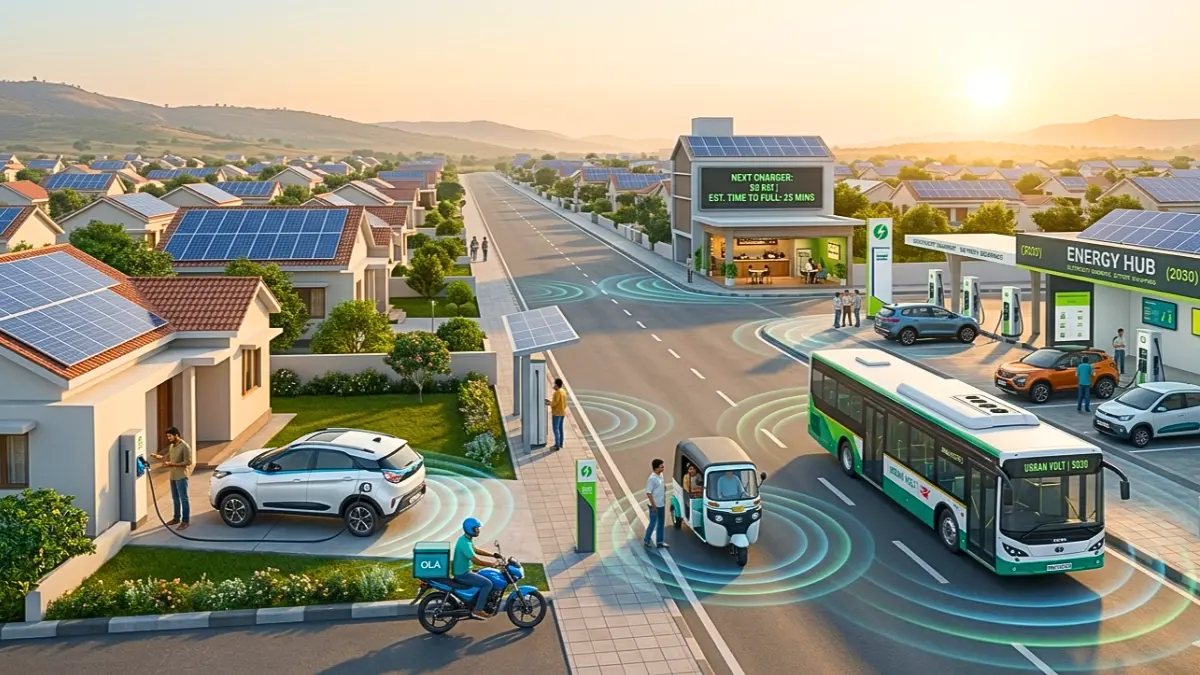
Imagine stepping outside in 2030. The constant rattle of diesel autos? Mostly gone, replaced by the quiet whirr of e-autos. Your neighbour plugs in their stylish, affordable Indian-made EV SUV overnight. Tomorrow, they’re cruising 400km thanks to fast chargers on the highway. Delivery guys silently zip past on bikes with swapped batteries. City buses glide by, clean and quiet. Petrol pumps? Many are now “Energy Hubs” – grab a coffee, charge your car fast, swap a scooter battery. This is the promise of the future of electric vehicles in India by 2030.
It won’t be 100% electric overnight. Older petrol/diesel cars and rural areas will still have them. But the tide? It will have turned. EVs will be mainstream, practical, and the go-to choice for new wheels, especially in cities and for two/three-wheelers.
Final Gear: It’s Happening. Be Excited, Be Informed!
The future of electric vehicles in India by 2030 isn’t a maybe. It’s a how fast and how well. The pieces – government push, economic sense, better tech, cleaner air needs, and us actually liking them – are coming together.
As petrolheads, this is honestly the most thrilling time ever for Indian autos. We’re seeing a total transformation of how we move. Sure, there are bumps (charging, I’m looking at you!). But the direction? Crystal clear. Being informed about the future of electric vehicles in India by 2030 will help you make the right choice.
So, keep reading, keep debating on the specifications, go on a test drive, and share your real experiences. Whether you buy any electric vehicle next month or in 2030, understanding this change will keep you moving forward. The electric future is rolling onto our roads, and honestly? From where I’m sitting, it looks pretty awesome. Let’s drive (and ride!) into it together!
FAQ –
1. What is the biggest problem with EV?
Ans – EVs are more expensive to build than gasoline- or diesel-powered models, primarily due to the cost of batteries. EV batteries must hold a massive charge to provide the minimum range required by most drivers, necessitating the use of expensive raw materials to manufacture them.
2. What is the 80% rule for EV?
Ans – It means always keeping your electric vehicle (EV) charged above 20%, and never topping it up over 80%. We’ll explain how this works and why it’s important. If you’re new to EVs, it’s natural to want to fully top up. But there’s a good reason for the rule, and 80% is usually more than enough for most journeys.
3. Can we use EV car after 15 years?
Ans – Battery degradation in an EV is a gradual process, and the battery capacity will not drop significantly for the first few years. However, battery performance by the 15th year could be as low as 50%. Replacing an EV battery after the 15th year is an option.
4. Is EV a good career option?
Ans – Yes, EV engineering offers an excellent career in India because the sector expands rapidly with strong government support, rising industry investments, growing job demand, and abundant opportunities across design, battery systems, software, and charging infrastructure roles.
5. Are electric vehicles expensive to maintain?
Ans – While EVs generally have a higher purchase price, the EV maintenance costs vs. gas vehicle maintenance costs tend to be lower. Gas cars have complex combustion engines with many moving parts that need regular upkeep, while electric vehicles operate with simpler electric motors that have fewer components.

Raj is the creative mind curating the special content for the website. From exclusive first-drive reviews to buyer’s guides and comparison tests, Raj ensures our features are engaging and helpful. He loves getting behind the wheel of new launches and creating content that helps our readers pick their dream vehicle. His passion for motorcycles and performance cars is evident in his energetic writing style.