


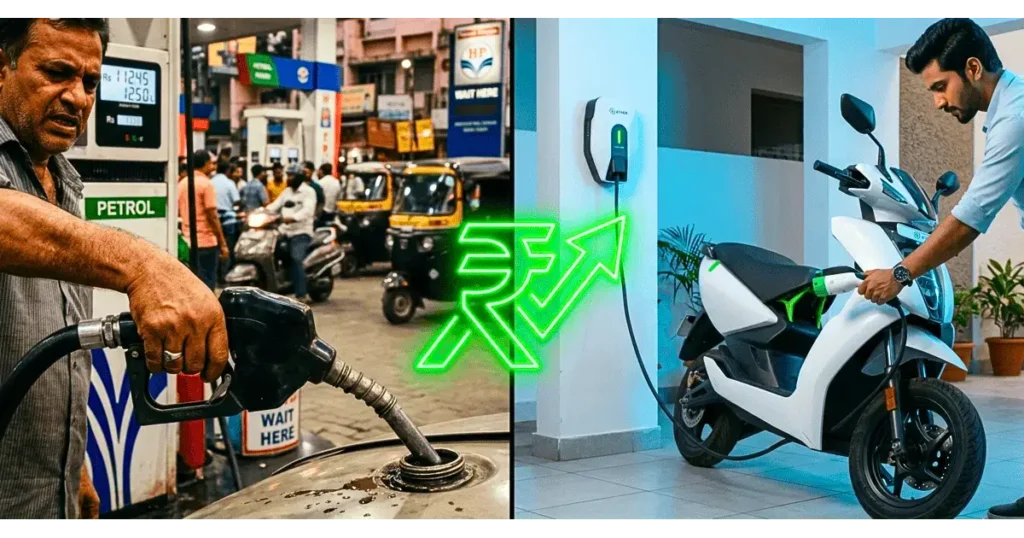

Hello everyone! I recall being in a dealership showroom last month, observing a young couple gaze at the price label of a stylish electric scooter. Their expressions shifted when they viewed the ex-showroom figure. The salesman grinned and remarked, “Allow me to reveal the actual price after the subsidies.” That moment—the joy, the thrill, the abrupt change from “perhaps next year” to “we’ll accept it”—is precisely why grasping how government incentives for electric bikes in India truly function is essential.
Because the situation is this: the rules have now changed. The Ministry of Heavy Industries released a notice that modifies the complete PM E-DRIVE program. If you’re currently in the market for an electric bike, the subsidy you receive today may differ from the one your neighbour received two months prior. What happens if you delay for too long? The window could shut completely.
Let me break down exactly what you need to know—no jargon, no fluff, just the real story on how to save serious money on your electric two-wheeler purchase.
Understanding Government Incentives for Electric Bikes in India
Think of it like this: the government wants you to buy electric. So they quietly pay part of your bill. Not directly to you. They pay the manufacturer or the dealer, and that discount shows up on your invoice. You walk out paying less. Sometimes a lot less.
Now you may think, why would they do that? Simple. Petrol bikes choke our cities. Every electric bike on the road means one less cloud of smoke in your face at a traffic light. And the government knows that if they don’t make electric affordable now, people will keep buying petrol.
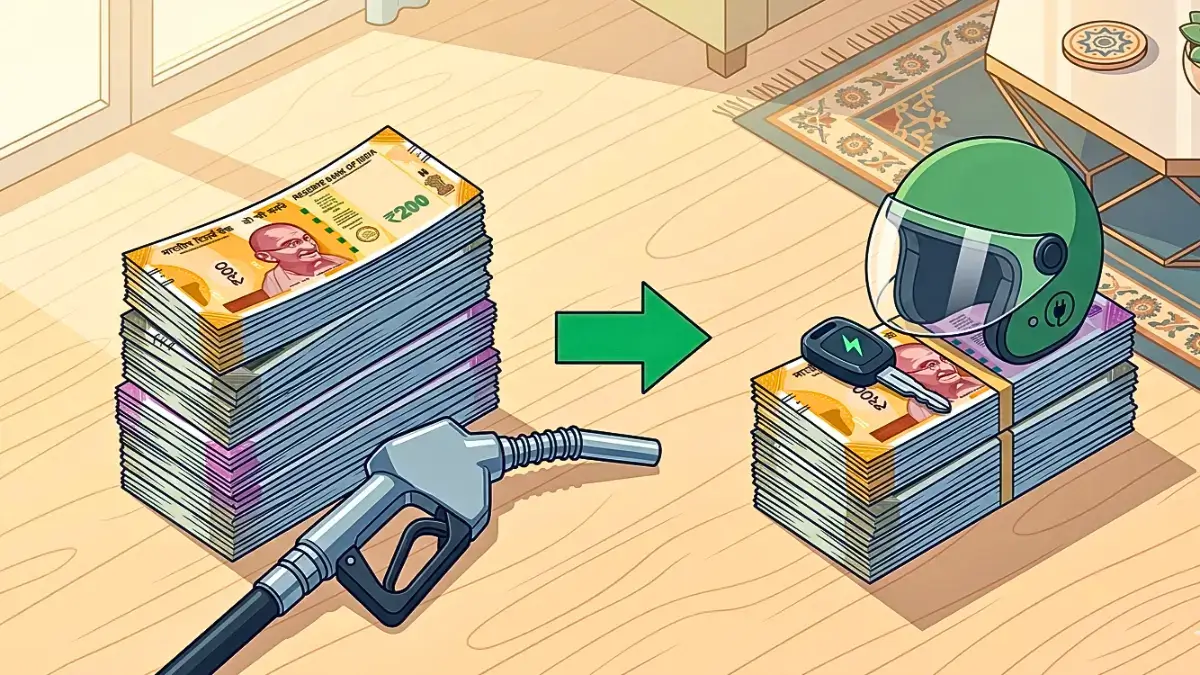
So they subsidise. The central government gives one chunk. The state government often gives another chunk. Add up these government incentives for electric bikes in India, and suddenly a ₹1.2 lakh electric scooter costs you ₹90,000 or even less. That’s real money. That’s your EMI dropping. That’s you buying a helmet with the savings.

The Scheme That’s Actually Running Right Now
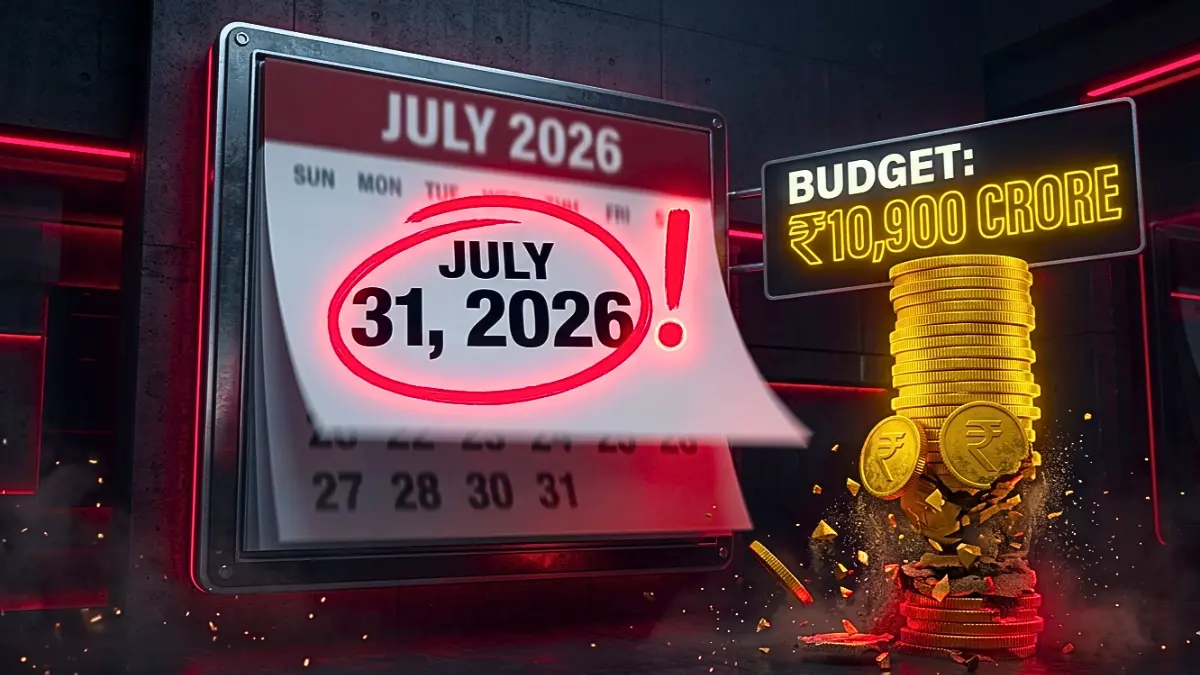
Forget all the alphabet soup—FAME-II, EMPS, whatever. The scheme that matters today is called PM E-DRIVE, which forms the backbone of current government incentives for electric bikes in India. Launched in late 2024 with a budget of ₹10,900 crore. Sounds big, right? It is. But it’s not infinite. Here’s how it works for electric two-wheelers:
- You get a subsidy of ₹2,500 per kilowatt-hour (kWh) of battery capacity.
- There’s a cap: the subsidy can’t exceed 15% of the bike’s ex-factory price.
- The bike’s ex-factory price must be ₹1.5 lakh or less to qualify.
Now, here’s the kicker. Under the 2026 amendment, only vehicles registered by July 31, 2026 are eligible. Read that again. You have roughly a few months from today. After that, the central government subsidy for electric two-wheelers stops. Period. And even before that date, there’s a unit cap: the total subsidised e-two-wheelers under this scheme are fixed at 24,79,120 units. Once that number hits, the subsidy ends, even if the deadline hasn’t arrived.
So yeah, if you’re waiting for the perfect time to utilize the government incentives for electric bikes in India, this is the perfect time. But it won’t be perfect for long.
Let’s Do Some Real Math (Because Numbers Don’t Lie)
I hate vague “up to 40% off” ads. Let’s get specific about how the government incentives for electric bikes in India translate to real savings.
Say you’re eyeing an Ather 450X. Battery size: 3.7 kWh. Under PM E-DRIVE:
- 3.7 kWh × ₹2,500 = ₹9,250 subsidy
- Ex-factory price is around ₹1.2 lakh, so a 15% cap would be ₹18,000. But you’re only getting ₹9,250 because it’s based on battery size.
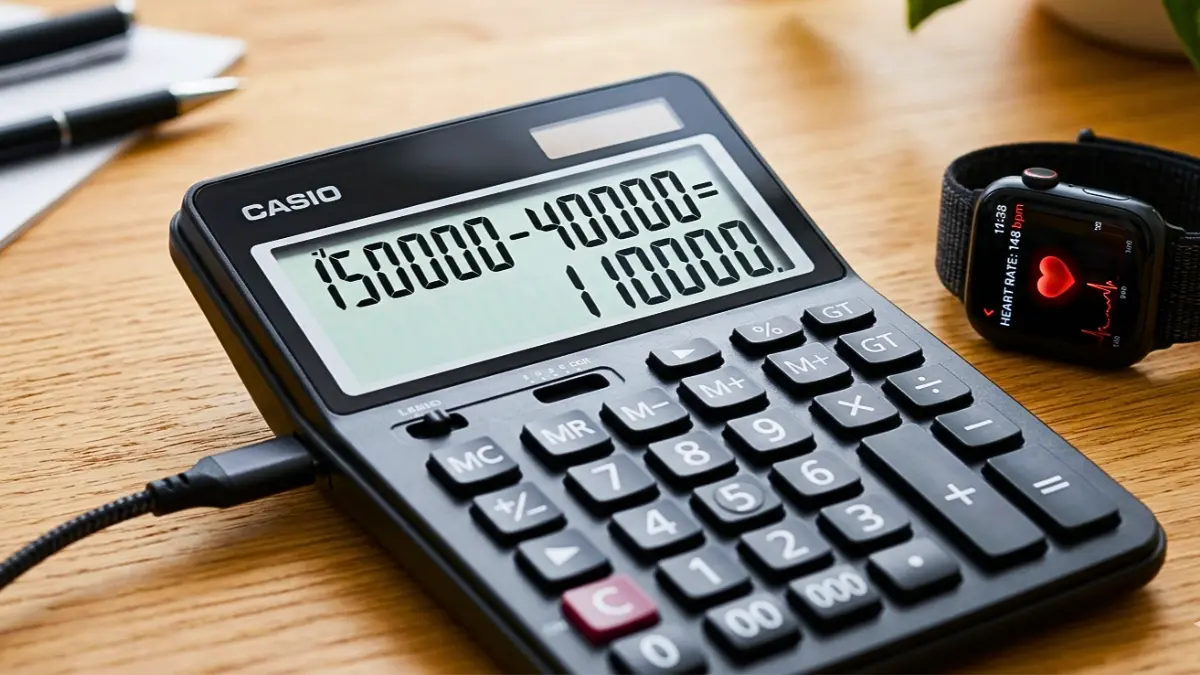
That’s the central part. Now add state incentives. If you’re in Delhi, for example, they give an additional ₹5,000 per kWh (capped at ₹30,000). So for the same Ather, that’s another ₹18,500 off. Plus road tax? Waived. Registration fee? Waived. Suddenly, your ₹1.5 lakh on-road bike is down to around ₹1.1 lakh. Possibly less.
This isn’t speculation. I’ve seen invoices reflecting the true power of government incentives for electric bikes in India. I’ve seen the relief on people’s faces when they realize they can actually afford it.
State Incentives: The Secret Sauce Most People Miss
Here’s a mistake I see constantly: people walk into a dealership, ask for “the subsidy price,” and the dealer gives them the central subsidy number. They think that’s it. It’s not. Almost every state with an EV policy adds its own sweetener to the central government incentives for electric bikes in India. Some are generous. Some are modest. But it’s money left on the table if you don’t ask.
What states typically offer:
- Extra per-kWh subsidies (Delhi, Maharashtra, Gujarat are notable)
- 100% road tax exemption (that’s 8-12% of the bike’s value)
- Free registration (small but still)
- Scrappage incentives if you trade in your old petrol bike
- Sometimes extra benefits for women, gig workers, or first-time buyers
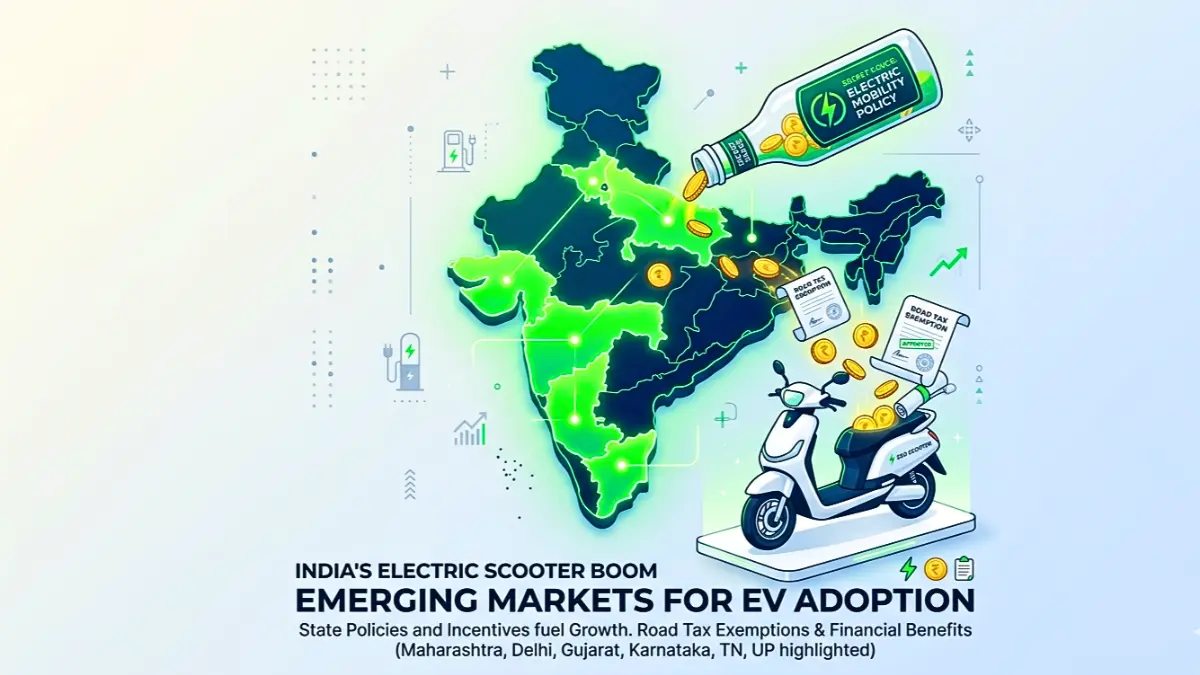
Active states right now: Maharashtra, Delhi, Gujarat, Assam, Karnataka, Tamil Nadu, Uttar Pradesh.
But policies change. Your best move? Ask the dealer. If they don’t know, check your state’s transport department website. Or call a different dealer. A good dealer will rattle off both central and state government incentives for electric bikes in India without blinking. A bad dealer will just give you the central number and hope you don’t ask.
How to Actually Claim These Without Getting Screwed
I’ve watched people mess this up. Don’t be one of them.
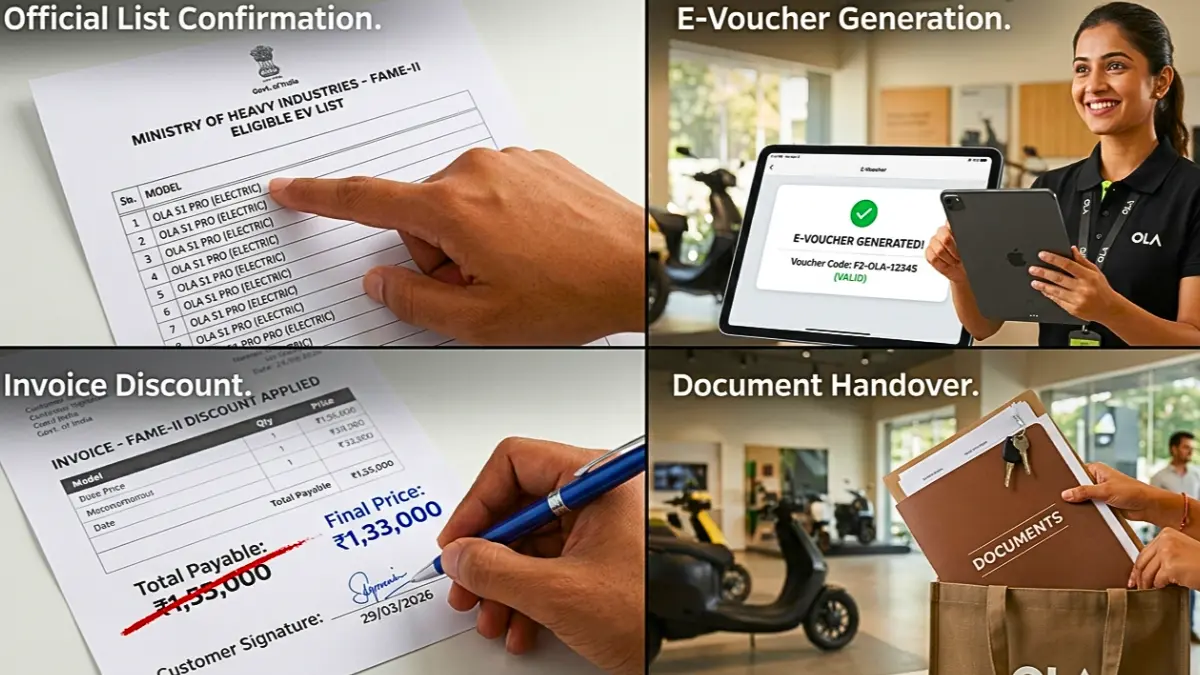
Step 1: Make sure the bike is on the eligible list.
Not every electric bike qualifies for the government incentives for electric bikes in India. Only models listed under PM E-DRIVE and your state’s scheme. The most popular ones—Ola, Ather, Bajaj Chetak, TVS iQube, and Hero—are there. But double-check. Ask the dealer for the official document to confirm eligibility for the government incentives for electric bikes in India.
Step 2: The dealer must be authorized.
If the dealer isn’t registered under the scheme, you won’t get the subsidy. Simple as that. Authorized dealers will have a process. They’ll generate an e-voucher on the PM E-DRIVE portal, you’ll sign it, and the discount appears on your invoice.
Step 3: Get the discount upfront.
Under PM E-DRIVE, the subsidy is delivered at the point of sale. Your invoice should show the reduced price. If a dealer says, “We’ll reimburse you later,” walk away. You want that money off the price before you sign the loan papers.
Step 4: Keep your documents.
You’ll need the invoice showing the post-subsidy price from the government incentives for electric bikes in India, the e-voucher (if applicable), and registration papers. If you claim a loan, your bank will ask for these. If you want the income tax deduction (more on that in a second), you’ll need them too.
The Tax Angle Nobody Talks About
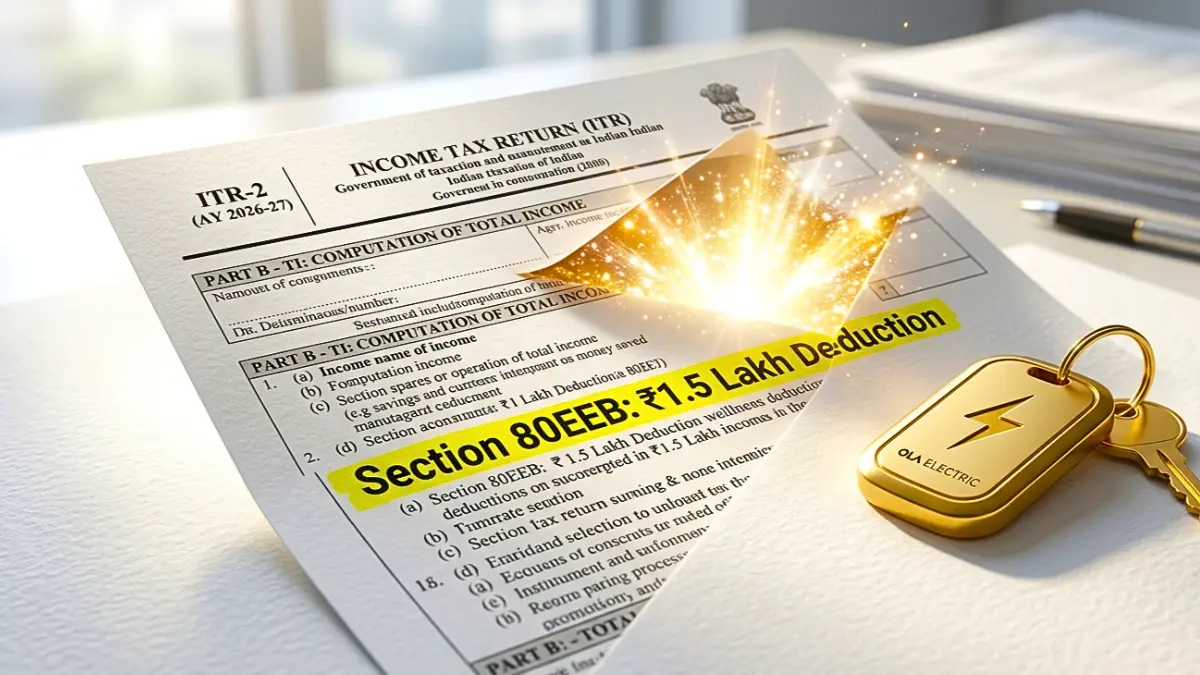
Okay, this one’s a gem. If you take a loan to buy an electric vehicle, you can claim a deduction on the interest paid under Section 80EEB of the Income Tax Act. It’s not automatic. You have to claim it while filing returns. But it’s real. The deduction limit is ₹1.5 lakh on interest paid.
So not only do you pay less upfront because of subsidies, but you also pay less in taxes over the loan tenure. That’s a double win. Talk to your CA or tax advisor. This is one of those things that people miss because it’s buried in fine print, unlike the headline government incentives for electric bikes in India.
Electric vs Petrol: Stop Looking at Just the Sticker Price
Let’s put aside subsidies for a moment and look at the bigger picture. Even without government incentives for electric bikes in India, an electric bike often wins on total cost of ownership. With subsidies? It’s not even close.
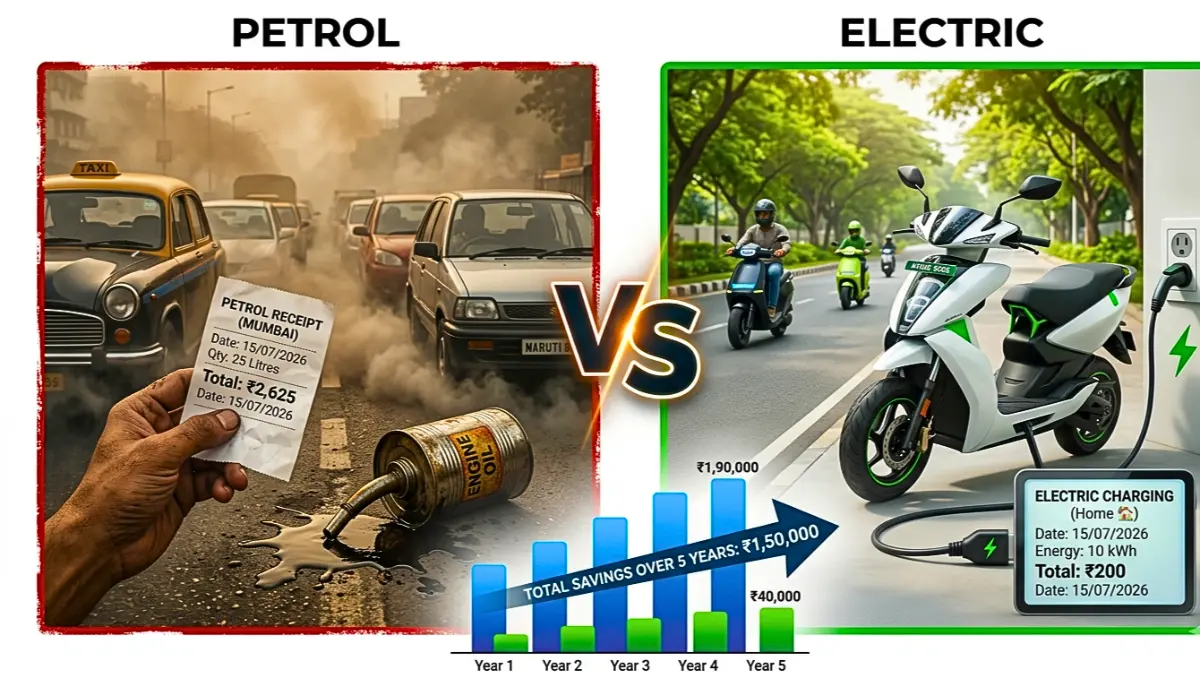
Running costs (per 1,000 km):
- Petrol bike: 40 km/liter = 25 liters × ₹105 = ₹2,625
- Electric bike: 40 km per unit (kWh) = 25 units × ₹8 (home charging) = ₹200
Maintenance over a year:
- Petrol: oil changes, filters, spark plugs, chain lube—around ₹3,000-5,000
- Electric: brake pads, maybe coolant if liquid-cooled—₹1,000-2,000
Over five years of average use (10,000 km/year), you’re looking at savings of roughly ₹1.2 lakh on fuel and ₹10,000-15,000 on maintenance. Add the ₹20,000-30,000 you saved on the purchase price through government incentives for electric bikes in India, and you’re easily ₹1.5 lakh ahead over the bike’s life. The electric bike doesn’t just match the petrol one. It crushes it.
The Biggest Mistakes I See Buyers Make
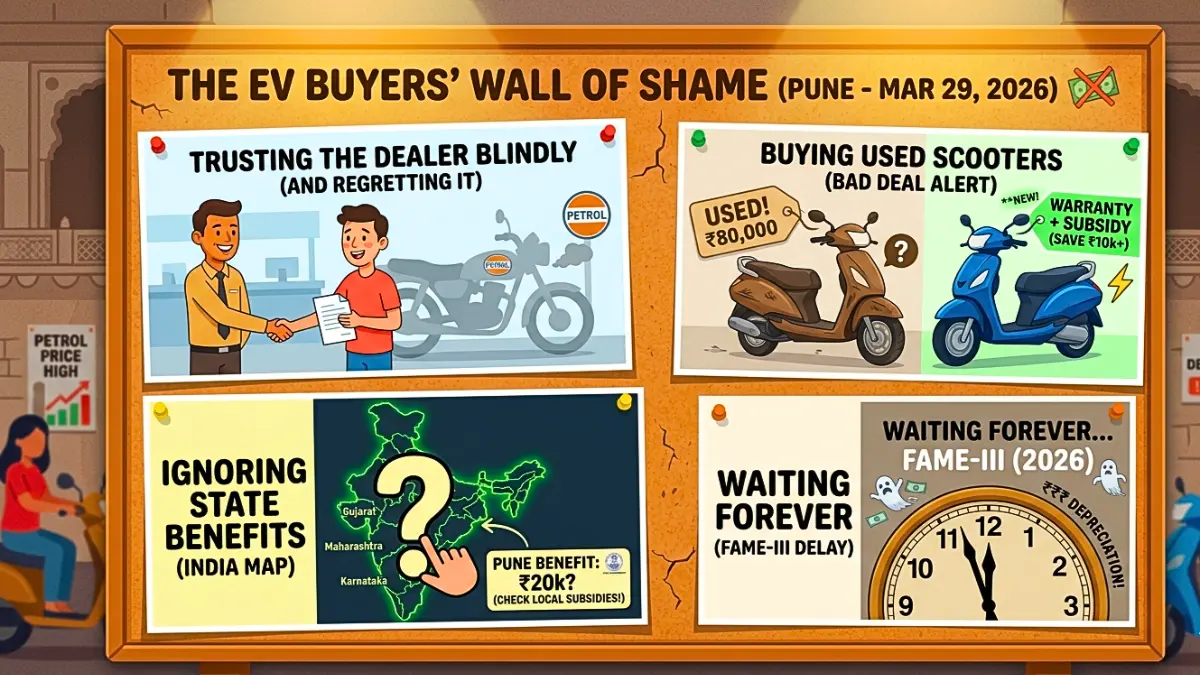
Mistake 1: Trusting the dealer blindly.
I love dealers. Really. But they sell both petrol and electric. They might not be up to speed on the latest amendment that just dropped regarding government incentives for electric bikes in India. Verify the numbers yourself. The Ministry of Heavy Industries website has the PM E-DRIVE details.
Mistake 2: Buying a used electric bike to save money.
Used EVs don’t get subsidies. None. If you buy used, you pay full price. I’ve seen people buy a two-year-old electric scooter for ₹80,000 when a new one with subsidies was available for ₹90,000. That’s madness. The new one has a fresh battery, full warranty, and you know its history.
Mistake 3: Ignoring state benefits.
I can’t stress this enough. Central subsidy is great. But in some states, the state subsidy matches or even exceeds the central one. Ask. Ask again. Then ask one more time.
Mistake 4: Waiting for FAME-III.
There was a lot of buzz about FAME-III in 2024. People thought it would bring even bigger government incentives for electric bikes in India. It didn’t. Instead, we got PM E-DRIVE with a clear wind-down plan. The per-kWh subsidy has dropped from ₹15,000 in early FAME-II days to ₹2,500 now. It’s not going up. The government is saying, “We helped enough. Now the industry must stand.” If you’re waiting for a bigger subsidy, you’ll be waiting forever.
What About Charging? (The Practical Reality)
I’ll be honest with you. The conversation about government incentives for electric bikes in India is pointless if you can’t charge the bike conveniently.
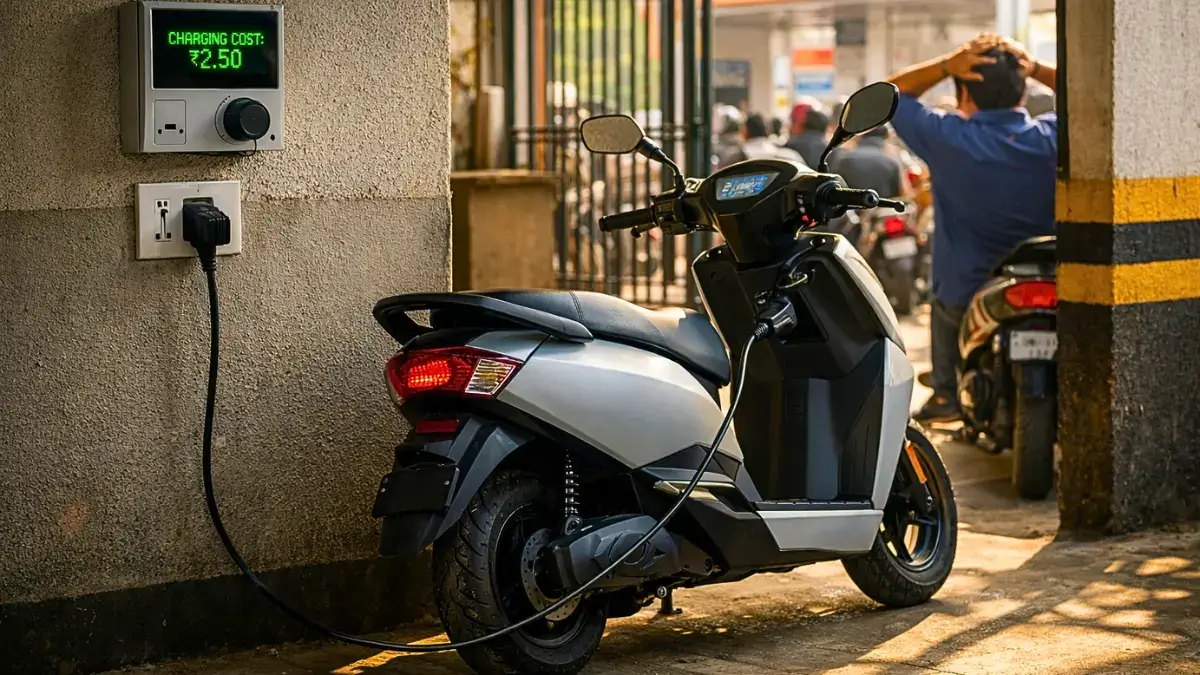
If you have home charging—even a regular 15A socket in your parking—you’re golden. You wake up every morning with a full “tank.” It costs less than a cup of chai. If you rely on public charging, it’s doable but less convenient. Cities like Bangalore, Delhi, Pune have decent networks now. But it’s not as seamless as petrol stations. Yet.
My advice: if you don’t have a dedicated parking spot with power, think twice. An electric bike is brilliant if charging is easy, making the government incentives for electric bikes in India truly valuable. If it’s a hassle, the savings won’t feel worth it.
Key Specifications
| Factor | Details |
|---|---|
| Central Scheme | PM E-DRIVE with ₹10,900 crore outlay |
| Subsidy Rate | ₹2,500 per kWh of battery capacity |
| Max Cap | 15% of ex-factory price or per-kWh amount, whichever lower |
| Price Cap for Eligibility | Ex-factory price ≤ ₹1.5 lakh |
| Deadline | Registration by July 31, 2026 |
| Unit Limit | 24,79,120 e-two-wheelers |
| State Benefits | Vary by state; typically additional subsidies, road tax waiver, registration fee exemption |
| Tax Benefit | Section 80EEB deduction on EV loan interest |
| Loan Impact | Subsidy reduces principal, lowering EMI and improving approval odds |
Final Verdict: Buy Now or Regret Later?
If you have a place to charge, and you’re in the market for a two-wheeler, the next four months are the best time to buy an electric. The combination of central and state government incentives for electric bikes in India makes the upfront cost genuinely attractive. The running costs will save you a fortune over the life of the vehicle. And the tax benefits sweeten the deal further.
But don’t rush blindly. Do your homework. Check the eligible models. Confirm your state’s benefits. Find an authorized dealer. Get the discount on the invoice. Finance the post-subsidy amount. Claim your tax deduction. And then? Enjoy the silence. No vibration. No engine heat between your legs. Just a smooth, quiet ride and the satisfaction of knowing your daily commute isn’t poisoning the air your kids breathe.
That’s what these government incentives for electric bikes in India are about. Not just saving money. Buying a little piece of a cleaner future.
FAQ –
1. What is the subsidy for electric scooter in 2026?
Ans – 5,000 per vehicle, max ex-showroom price to avail – Rs. 1.5 lakh. The subsidy is available to one electric scooter per individual, tracked via your Aadhar Card.
2. What is the tax benefit of electric bike in India?
Ans – In 2019, the government announced tax benefits under the new Section 80EEB. The section applies to individual taxpayers and offers a tax deduction of up to ₹ 1.5 lakhs on the interest component of a car loan taken to buy an EV. An EV loan can be utilised to buy an electric car or bike for personal or business purposes.
3. How to claim EV subsidy?
Ans – For central government EV subsidies, you don’t need to apply online yourself – the subsidy is automatically applied at the time of purchase and is deducted from the original price.
4. Is EV subsidy still available?
Ans – The government has aligned timelines for different EV categories: E-two-wheelers: Incentives available until July 31 2026. E-rickshaws and e-carts: Incentives available until March 31 2028.
5. What is the PM E bike scheme?
Ans – The PM E-DRIVE Scheme (operational Oct 1, 2024 – Mar 31, 2026) offers subsidies for electric two-wheelers (e-2W) to accelerate adoption, with an outlay of ₹10,900 crore. It provides an instant discount of ₹2,500/kWh (1kWh=1000Wh) on battery capacity, typically offering up to ₹10,000 off for qualifying e-bikes via Aadhaar-linked vouchers.
Also Read – Top 5 SUVs Under 20 Lakhs in India 2026 – Complete Buying Guide


Raj is the creative mind curating the special content for the website. From exclusive first-drive reviews to buyer’s guides and comparison tests, Raj ensures our features are engaging and helpful. He loves getting behind the wheel of new launches and creating content that helps our readers pick their dream vehicle. His passion for motorcycles and performance cars is evident in his energetic writing style.