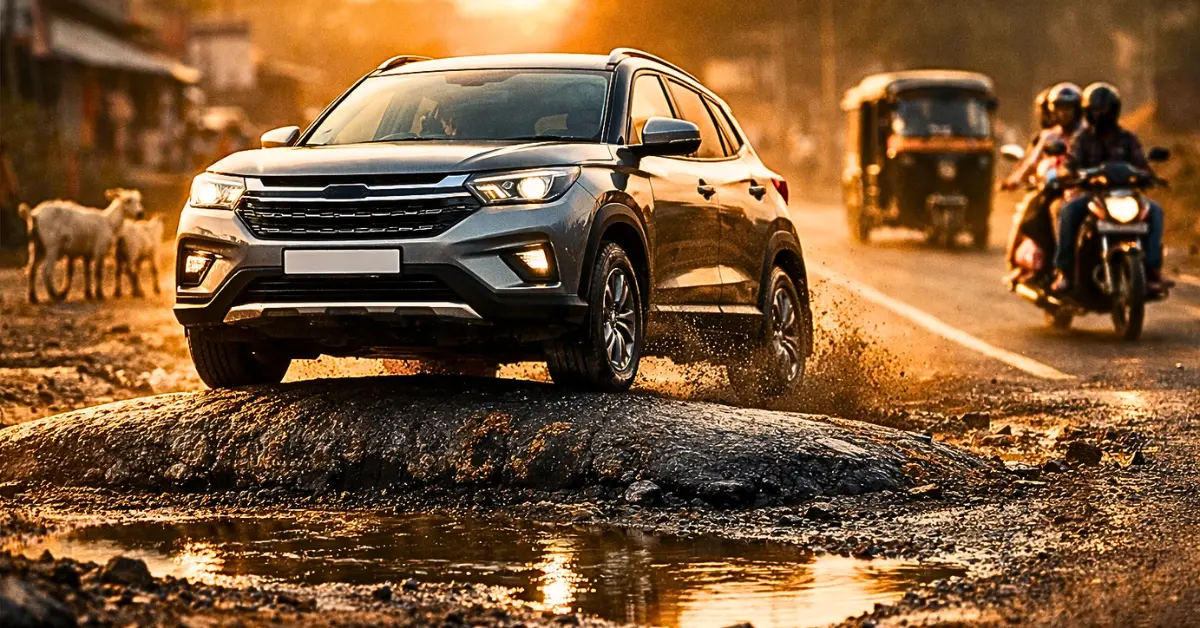
Hello everyone! We’ve all been stuck in that showroom paralysis, glossy brochures in hand, wondering: “Seriously, which car won’t cry uncle on our roads?”. Today, we’re tackling a question that buzzes in every Indian car buyer’s mind: “how to choose the right car for Indian roads?”. Forget the flashy ads and that salesman pushing the sunroof model. Let’s talk real talk about surviving Indian tarmac – the pothole minefields, the Everest-sized speed bumps, the monsoon madness, and those alleyways tighter than your jeans from college.
I’ve scraped bumpers, cursed traffic jams, and white-knuckled it through village “roads”. Pick wrong, and it hurts your wallet and your sanity. Mastering how to choose the right car for Indian roads is about surviving, not just driving. So grab a cutting chai, pretend we’re chilling in the garage, and let’s break this down, step-by-step.
Why Indian Roads Are… Special (And mastering how to choose the right car for Indian roads starts here!)
Let’s be real. Our roads are a unique kind of adventure. Your car needs built-in toughness:
- Pothole Palooza: Some are craters pretending to be road. Your suspension needs to be a zen master. If you’re serious about how to choose the right car for Indian roads, ground clearance is your first prayer.
- Surprise Speed Bumps: Often invisible, stupidly tall, or placed by someone who clearly hates cars. Ground clearance? Essential armour.
- Traffic Tango: Crawling for hours. You need fuel sipping efficiency and a cabin that doesn’t feel like a sauna prison.
- Monsoon Madness: Flash floods, zero visibility, roads slicker than ice. Safety features and confident grip aren’t optional extras.
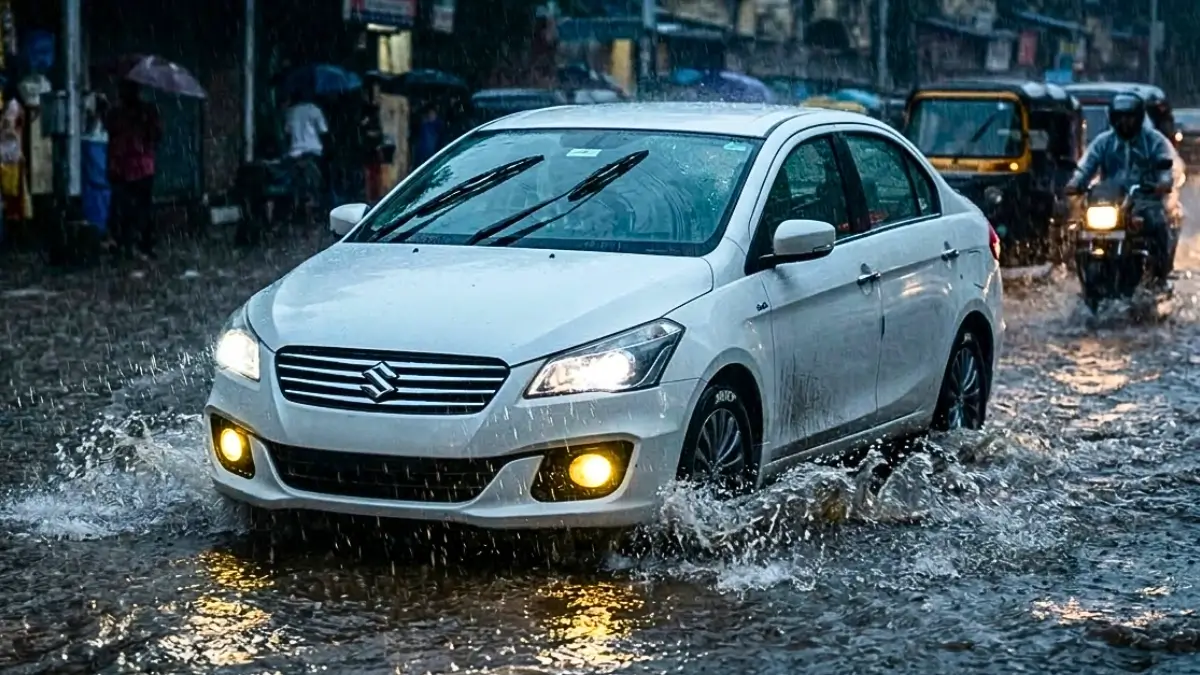
- The Great Indian Mix: Smooth highway one minute, dusty village track dodging goats the next. Your car needs to adapt.
- Tight Squeezes: Parking spots smaller than your phone, lanes designed for rickshaws. Size and turning circle matter. Big time. So when you think about how to choose the right car for Indian roads, remember it’s a package deal.
Your Ultimate Indian Road Warrior Checklist
Forget just max speed for a sec. Focus on these battle-tested essentials. This checklist is your real answer to how to choose the right car for Indian roads:
1. Ground Clearance: Your Car’s Undercarriage Shield
- Why ?: It’s the gap between your car’s belly and the tarmac. More clearance = less scraping, less damage, more peace of mind on bad patches.
- The Magic Number: Aim for 170mm and above. Most popular SUVs/crossovers sit between 180mm-220mm. Hatchbacks/sedans hover around 160-170mm – okay for mostly city, but be careful. Below 160mm? Only if you live on the expressway (unlikely!).
- My Tip: Seriously, don’t skimp here. That extra inch can save your sump (and wallet!).
2. Suspension & Ride: The Comfort Kings
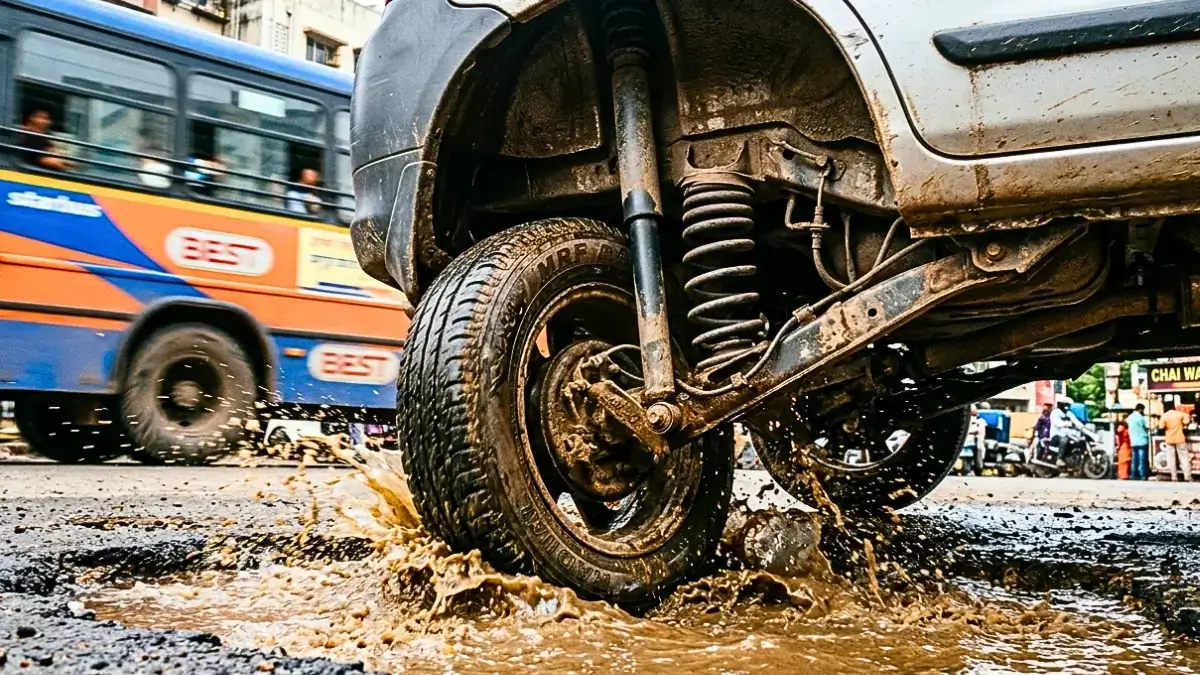
- Why ?: This is how your car eats bumps. Good suspension soaks up shocks, keeps things stable, and saves your back.
- What to Do: Test drive like your sanity depends on it! Don’t just cruise the smooth dealer loop. Demand to hit rough roads, speed bumps. Listen for nasty thuds. Feel for bone-jarring jolts or boat-like bouncing. You want controlled, comfy absorption.
- My Tip: Brands like Maruti, Hyundai often nail comfort. Tata/Mahindra SUVs are built tough. But seriously, test drive on bad roads. It’s a non-negotiable step in how to choose the right car for Indian roads.
3. Tyres: Your Only Grip on Reality
- Why ?: They’re your first defence. Tyres with thicker sidewalls (the rubber between the rim and tread) act like cushions against potholes, saving your alloys/wheels.
- Smart Choice: Smaller alloy wheels (15-16 inch) usually mean taller, more forgiving sidewalls vs. big 18-inch+ wheels with thin, sporty (but fragile) tyres. Steel wheels are ugly-durable and cheaper to fix.
- My Tip: Function over looks here. Taller sidewalls (like 65 profile) are your best buddies. If you love alloys, maybe choose a trim with slightly smaller wheels.
4. Size & Handling: The City Slicker Test
- Why ?: Can you U-turn without needing a PhD? Park without a 10-point maneuver? Fit down that alley without losing a mirror?
- Check This: Turning radius (lower number = better). Overall length/width. Big SUVs/sedans struggle in tight spots. Hatchbacks and compact SUVs (Brezza, Venue, Nexon, Sonet) rule the city.
- Be Honest: If it’s constant narrow lanes, a long sedan will drive you mad. Compact SUVs are the sweet spot for space, height, and agility. This practical thinking is key to how to choose the right car for Indian roads.
5. Engine & Gearbox: Power & Sanity Savers
- Why ?: You need low-end grunt (torque) for quick getaways in traffic and easy overtaking. Fuel efficiency? Crucial with our prices!
- The Options:
- Petrol: Smooth, quiet, usually cheaper to maintain. Great for city. Turbo-petrols (like Hyundai/Kia 1.0L, VW 1.0 TSI, Tata Revotron) are awesome – punchy and efficient.
- Diesel: Torque monster! Still king for insane highway mileage if you drive a lot (1500km+ monthly). New ones are cleaner, but pricier upfront/maintenance.
- CNG: Crazy cheap to run! Perfect for heavy city commutes. Performance dips, boot space shrinks (tank). Needs good installation/service.
- EVs (Electric): Instant zip (fun in traffic!), silent, zero fumes, super low running costs. Range anxiety and charging spots (outside cities) are hurdles, but getting better fast. Home charging changes everything. Brilliant if your daily drive fits the range (Nexon EV, Tiago EV, Comet EV).
- Gearbox: Manual is engaging. Automatic (AMT, Torque Converter, CVT, DCT) = TRAFFIC BLISS. AMTs are cheap but can jerk. Torque Converters (Creta) and CVTs (City, Magnite) are smoother. DCTs (VW/Skoda) are quick but pricey to fix. Get an auto if traffic is your nemesis.
- My Tip: For most mixed use, a turbo-petrol (manual or smooth auto) rocks. Massive highway miles? Diesel still makes sense. EVs are awesome for city folks with charging. CNG wins on pure cost for high city mileage.
6. Build & Safety: The Non-Negotiables
- Why ?: Our roads are wild. A solid build handles knocks better. Safety features? They save lives. Period. No guide on how to choose the right car for Indian roads is complete without stressing this.
- Look For:
- Safety Ratings: Check Global NCAP. Don’t touch 0 or 1 stars. Tata (Punch, Nexon, Safari), Mahindra (XUV300, Scorpio-N), VW/Skoda (Taigun, Kushaq) have 5-star champs. ABS/EBD are standard. At least 2 airbags (driver+passenger) is bare minimum. 4 or 6 airbags? Highly recommended! ESP (Stability Control) is vital, especially for SUVs or in rain – fight for it!
- Build Feel: Do doors shut solidly? Does the interior feel flimsy or decent? A well-built car handles vibrations better long-term.
- My Strong Opinion: Safety isn’t an optional extra. Prioritize high safety ratings and multiple airbags. Tata and Mahindra are killing it here now, while Toyota, VW, Skoda are known for solid builds.
7. Service & Running Costs: The Long Game
- Why ?: Buying the car is just the start. You need hassle-free service, affordable parts, and decent fuel bills. This practical side is often forgotten in how to choose the right car for Indian roads.
- Check: Brand reputation for service, workshop reach (especially beyond big cities), spare part costs, labour charges, warranty. Fuel efficiency hits your wallet daily. Insurance and resale value matter too!
- My Tip: Maruti Suzuki has unbeatable network/affordable parts. Hyundai is great too. Tata/Mahindra networks are huge and improving fast. Kia/MG are good in cities – check your area. Research real owner experiences online – forums are gold!
Finding YOUR Perfect Match: Needs + Roads
- City Slicker (Traffic Warrior): Focus on nimbleness (hatchback/compact SUV), fuel sipper (Petrol/CNG/EV), auto gearbox, decent ground clearance (170mm+) and comfortable ride quality. Think: Swift, i20, Altroz, Punch, Nexon, Venue, Brezza, Tiago EV, Comet EV.
- Highway Hero (Road Trip Lover): Need stability, top safety (5-stars, 6 airbags, ESP), powerful & efficient engine (Diesel/Turbo-Petrol), comfortable seats, smooth highway manners, big fuel tank. Think: Creta, Seltos, Kushaq, Taigun, Verna, Virtus, Slavia, XUV700, Safari, Harrier.
- Off-Road Explorer (Village Visits/Adventure): Must have high ground clearance (190mm+), tough build quality, rugged suspension and a torquey engine (Diesel often best), maybe 4×4/AWD. Think: Thar, Scorpio-N, Safari, Bolero Neo.
- Family Commander (Space & Comfort): Prioritise space (three rows maybe?), comfort, safety (side/curtain airbags!), powerful AC, comfortable ride. Think: XL6, Ertiga, Carens, Alcazar, XUV700, Safari, Innova Hycross.
- Tech & Eco Fan (Future Thinker): Look for electric vehicles (if the charging works) or strong hybrids, with great technology and very economical costs. Think: Nexon EV, Tiago EV, Comet EV, City Hybrid, Grand Vitara/Hydrider Hybrid.
The GOLDEN RULE: Test Drive Like a Boss!
Seriously, no article replaces your bum in the seat. This final step seals the deal on how to choose the right car for Indian roads.
- Drive YOUR Roads: Make the dealer sweat. Demand to drive on roads you use, especially the terrible ones! Find a known pothole or bump (safely!).
- Test the Gearbox: If considering auto, simulate crazy traffic (stop, go, stop, go). Feel for hesitation or jerkiness.
- Check Visibility: Can you see the corners easily? Are the blind spots scary?
- Assess Comfort: Adjust everything. Sit in the back. Will your passengers hate you after an hour?
- Listen Up: Note cabin noise (road, engine, wind). How does the suspension sound/feel over bumps? Do the controls feel good?
Before You Sign: Quick Sense Check!
- Budget Wisely: Include everything: On-road price (ex-showroom + tax + insurance + rego), loan EMI, realistic fuel costs, yearly insurance, estimated service costs. Don’t max out.
- Think Resale: Some brands/models hold value much better (Maruti, Toyota, Hyundai usually good). Peek at used car prices online.
- Features vs Needs: Skip the sunroof if you won’t use it. Focus on your needs: good AC, essential safety, comfortable seats, good audio.
- Read the Small Print: Warranty details (years/km), what is included in the service pack, and roadside assistance.
- Trust Your Gut: Does the car feel right? Does the dealer seem trustworthy?
You Got This!
Finding the right car for Indian roads isn’t about the “best” car in a magazine. It’s about the best car for YOU and the wild, wonderful chaos you drive in daily. It’s that sweet spot where toughness, comfort, practicality, safety, and your budget shake hands.
Focus on the big stuff we talked about – conquer bumps with clearance, breeze through traffic with a smooth auto and good mileage, protect your crew with safety, and sleep easy knowing service won’t ruin you. Do your homework, test drive like a pro (on REAL roads!), and listen to that inner voice.
Now you know exactly how to choose the right car for Indian roads. Go find that perfect partner for navigating the amazing, unpredictable adventure of Indian roads! Happy hunting, and drive safe out there!
FAQ –
1. Which car is 100% safe ?
Ans – No car is 100% safe, but some vehicles consistently achieve top safety ratings (5-star) in crash tests by organizations like Global NCAP and Bharat NCAP, indicating excellent occupant protection and advanced features; top performers often include models from Tata (Harrier, Safari, Nexon), Mahindra (XUV700, XUV300), Skoda (Slavia, Kushaq), and Volkswagen (Virtus, Taigun), with newer models often adding more standard airbags and driver assistance systems (ADAS) for enhanced safety.
2. What does Gen Z call a car ?
Ans – The most common Gen Z slang for a car is “whip,” meaning a cool or nice vehicle, but terms like “beast” or “rocket” are used for powerful cars, while specific slang also describes car features or actions, like “hooning” (driving fast) or “slamming” (lowering suspension).
3. What is the 20/4-10 rule for cars ?
Ans – The 20/4/10 rule is a car-buying guideline suggesting you put 20% down, finance for a maximum of 4 years, and keep total monthly car expenses (loan payment, insurance, maintenance) under 10% of your gross monthly income to avoid financial strain. It helps ensure affordability by reducing loan amounts and limiting overall costs relative to your earnings, promoting financial stability for other goals
4. Which car is the king of comfort ?
Ans – The Mercedes-Benz S-Class and Rolls Royce Phantom are considered the most comfortable cars with features like air suspension, plush interiors, and a quiet cabin.
5. Which car is the king of Indian roads ?
Ans – The Hindustan ambassador
Fondly called the king of the Indian roads this is the Hindustan ambassador it was based on the Morris Oxford series 3 and manufactured from 1957 to 2014 for 57 years this particular car is the ambassador Mark four and it was made from 1978 to 1988 under its hood is a 1.

Sapna is the storytelling powerhouse of the team. With a sharp eye for detail and a knack for uncovering the human interest side of automobiles, she covers everything from industry launches to feature stories. She believes that every car has a story and every rider has a journey. Her writing is known for its clarity, depth, and ability to connect with the common man.