


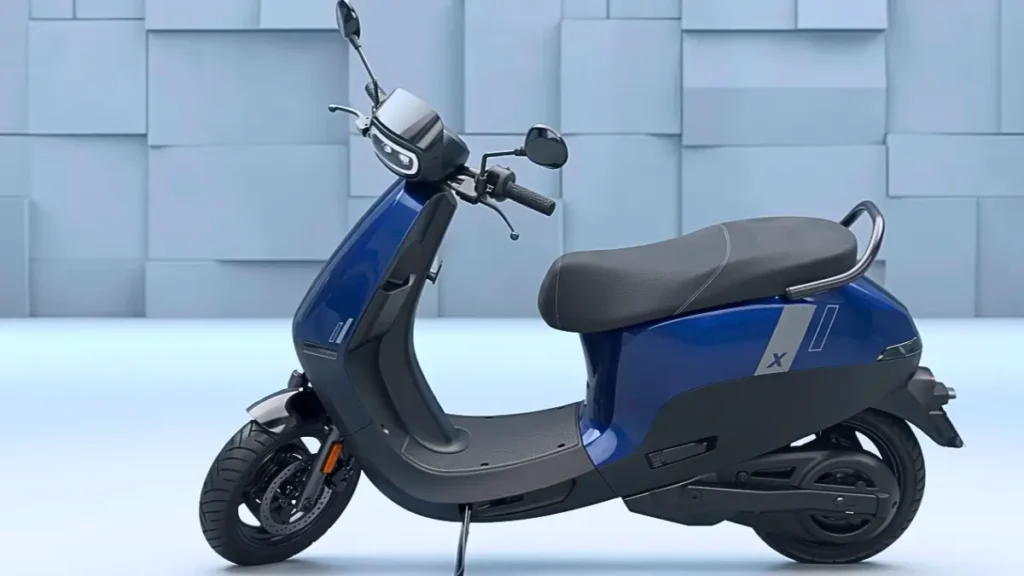

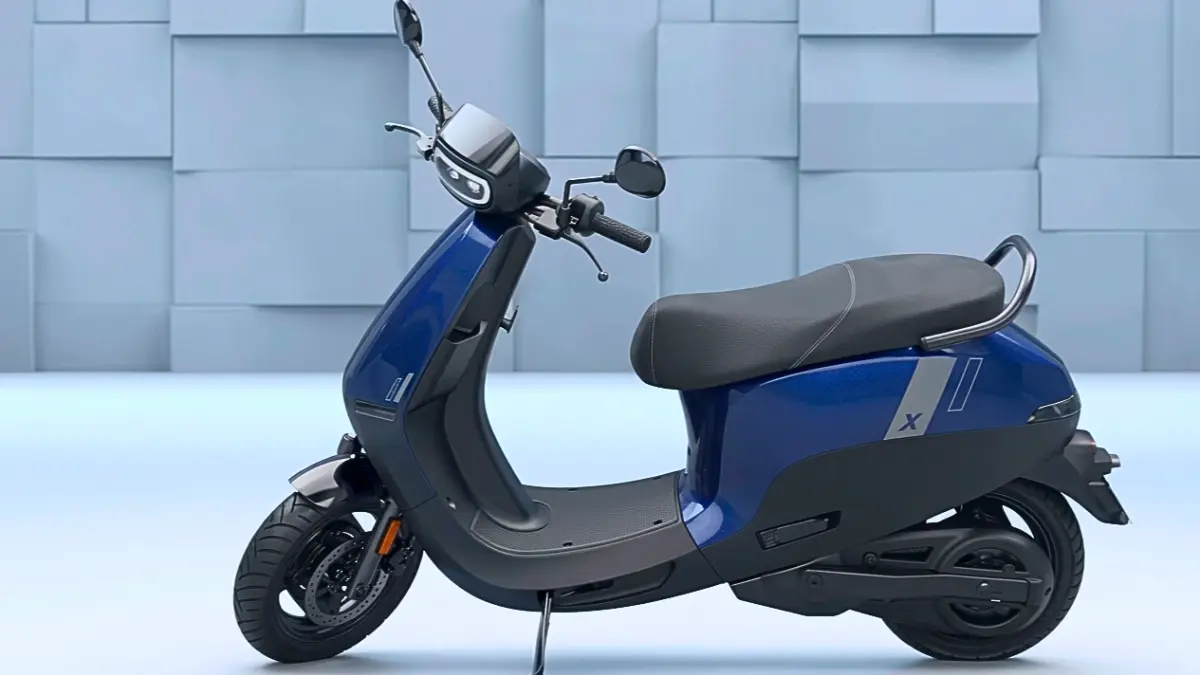
Hey folks, if you’ve been tracking electric two-wheelers in India, you probably already know that Ola Electric loves to make headlines. But today’s news feels a bit different — it’s not just about a flashy launch or a wild claim. It’s about a tangible, government-stamped milestone that could shake up the mass-market EV scooter space in a big way. And, as a bonus, the stock market seems to agree. Let me break it all down for you in simple, real-world terms.
So, What Exactly Happened?
Ola Electric’s latest electric scooter, the Ola Electric S1 X+ in its 5.2 kWh variant, has officially received certification from the International Centre for Automotive Technology (ICAT) in Manesar. This isn’t just a random badge. ICAT approval means the scooter has passed all the tests required under the Central Motor Vehicle Rules (CMVR), 1989. In short, it’s now fully road-legal and compliant with India’s safety and performance standards. For anyone who’s been sitting on the fence about buying an EV, this kind of regulatory green light is a pretty big deal.
And here’s the part that got my attention — Ola Electric shares rose 3.5% on May 8, touching ₹36.37, right after the certification news broke. When investors react positively to a vehicle certification, you know it’s more than just another variant. They see long-term value in the tech that’s sitting inside this scooter.
A Closer Look at the S1 X+ 5.2 kWh Specs
Now, let’s talk numbers because I know you care about range and performance just as much as I do. According to Ola Electric, the Ola Electric S1 X+ 5.2 kWh delivers an IDC-certified range of 320 km. Yes, you read that right — 320 kilometres on a single charge, making it the longest-range scooter in the company’s mass-market portfolio. Top speed? A peppy 125 km/h, which is more than enough for highway bursts and quick urban overtakes.
Power comes from an 11 kW mid-drive motor paired with an integrated motor control unit (MCU). Mid-drive setups usually mean better weight distribution and smoother power delivery compared to hub motors, so I’m genuinely keen to see how this performs in the real world. On paper, it’s ticking all the right boxes for a practical, everyday electric scooter that can also handle weekend getaways.
The Real Star: Ola’s 4680 Bharat Cell
What makes this variant special is the battery pack. The Ola Electric S1 X+ 5.2 kWh packs Ola’s in-house developed 4680 Bharat Cell. If you’ve been following global EV trends, you’ll know that 4680 cells are a hot topic thanks to their higher energy density and better thermal management. Ola Electric’s version is made right here in India, and the company claims it offers improved heat dissipation and energy efficiency compared to conventional cells.
Why should you care? Better thermal capabilities mean the battery stays cooler during fast charging or aggressive riding, which can improve both safety and longevity. Plus, higher energy density lets them pack more range into roughly the same physical space. Since Ola Electric controls the entire chain—from cell manufacturing to battery pack engineering and vehicle assembly—they can optimise everything tightly. That vertical integration potentially means better reliability and maybe even aggressive pricing in the future.
What This Means for Real Buyers
Ola Electric is positioning this scooter as a vehicle that can make EV adoption practical well beyond the big cities. The spokesperson specifically mentioned that this certification marks a step toward accelerating electric mobility “beyond metros and into the heart of the country.” That resonates with me because one of the biggest roadblocks for EVs outside urban centres has been range anxiety. A 320 km certified range—while real-world figures will be slightly lower—is finally at a level where a day’s worth of mixed riding won’t leave you hunting for a charger every few hours.
The fact that ICAT validated safety, construction, and performance parameters under CMVR norms also adds a layer of trust. It’s easy to forget that when a company does everything in-house, questions around quality and compliance can pop up. This certification sets those concerns aside, at least from a regulatory standpoint.
Why Did Ola Electric Shares Move?
Whenever I see a company’s stock respond positively to a product certification, it usually signals that the market is betting on the technology platform, not just a single product. In this case, the 4680 Bharat Cell going into a mass-market scooter suggests that Ola Electric is ready to scale its in-house battery tech across its entire portfolio—scooters and future motorcycles included. If their cell tech proves reliable and cost-effective, it could dramatically reduce their dependence on third-party battery suppliers and improve margins. That’s a neat growth story, and investors latched onto it pretty quickly.
Should You Be Excited?
As someone who’s been testing and talking about EVs for years, I’d say yes—with a dash of healthy curiosity. The Ola Electric S1 X+ 5.2 kWh isn’t just another model with a bigger battery. It’s a proof point that homemade advanced cell technology can pass the government’s stringent safety tests and land in a vehicle aimed squarely at the mass market. If Ola Electric gets the pricing right, this scooter could genuinely make long-distance electric commuting accessible to a lot more people.
We’ll need to wait for test rides and ownership reviews to see how that 4680 Bharat Cell holds up in daily use. But for now, it’s refreshing to see an Indian EV maker pushing the envelope on core battery tech rather than just slapping a bigger imported pack into an existing frame. The stock market’s nod is just added proof that this is a story worth following. Keep your eyes peeled for the official launch and pricing—if it’s within reach, this might just be the electric scooter that finally makes you ditch the petrol pump for good.
Also Read – Hero MotoCorp’s Rs 1,500 Crore Bet: A Sub-₹1 Lakh Vida Electric Scooter Arrives August 2026


Rohit is the visionary behind CarBikeJunction. With over a decade of experience in automotive journalism and a deep love for mechanical engineering, he ensures that every piece of content that goes live meets the highest standards of quality and accuracy. As Editor-in-Chief, he oversees the editorial direction of the website and is often found test-driving the toughest SUVs or analyzing market trends. His leadership is the driving force behind our platform.