


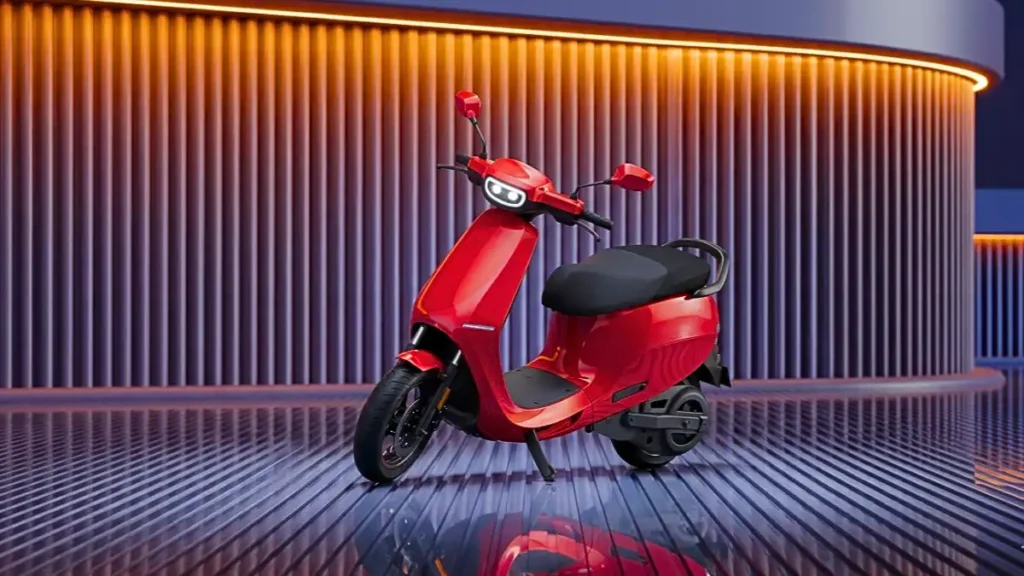

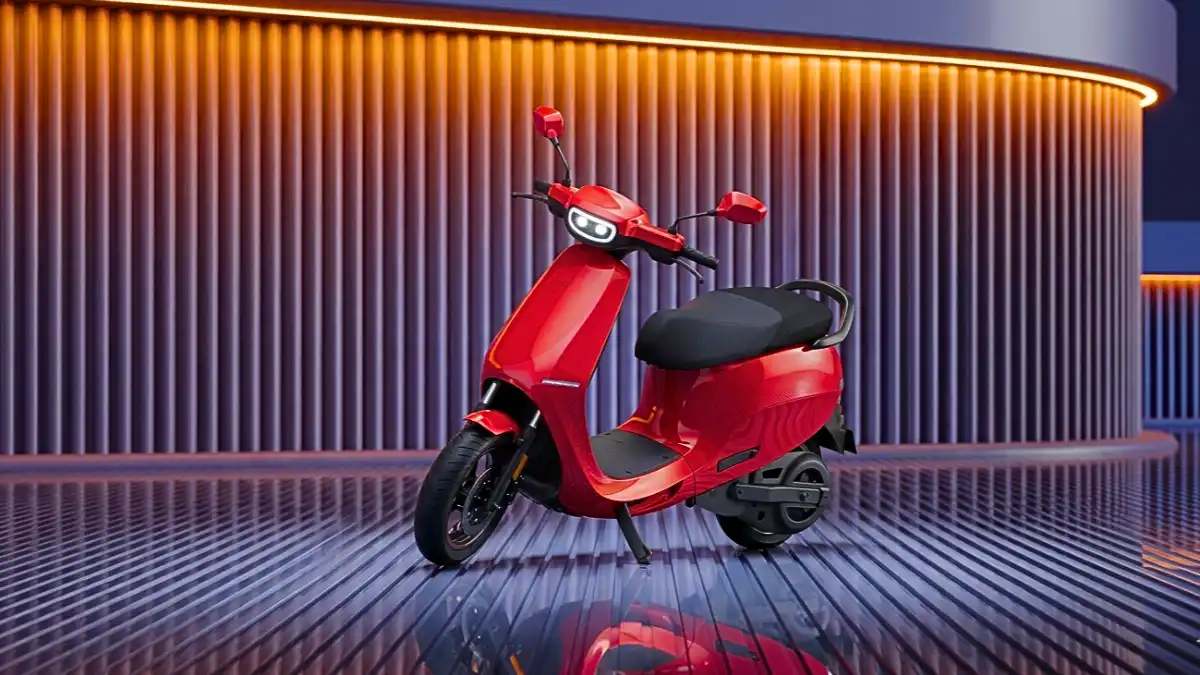
Barely two years ago, Ola Electric seemed untouchable. It had swallowed more than half of India’s electric scooter market, rewritten the rulebook on direct-to-consumer automotive sales, and made legacy manufacturers look painfully slow. Then the ground shifted. A cascade of customer complaints, service breakdowns, and relentless pressure from TVS and Bajaj pushed the disruptor into an unfamiliar position: playing catch-up, a fall that makes the ongoing Ola Electric trust recovery all the more critical.
Now, early signals from the opening months of FY27 suggest the company is clawing its way back. Registrations have already surpassed the entire tally of the previous quarter, and April brought a rare 20% month-on-month growth when the broader electric two-wheeler market decelerated. But a handful of promising weeks does not erase a year of trust erosion. The real question isn’t whether Ola can string together a few good months. It’s whether the organisation has genuinely understood what broke in the first place, and whether it can pull off a lasting Ola Electric trust recovery.
A Spectacular Fall from Grace
Ola Electric’s slide from dominance was not a quiet affair. Market share bled steadily as buyers gravitated toward the TVS iQube and Bajaj Chetak, both backed by decades of two-wheeler pedigree, dense dealership networks, and an almost boring consistency that suddenly felt precious. By the end of FY26, Ola had slipped to third place. The company that once defined the category was now watching incumbents set the pace.
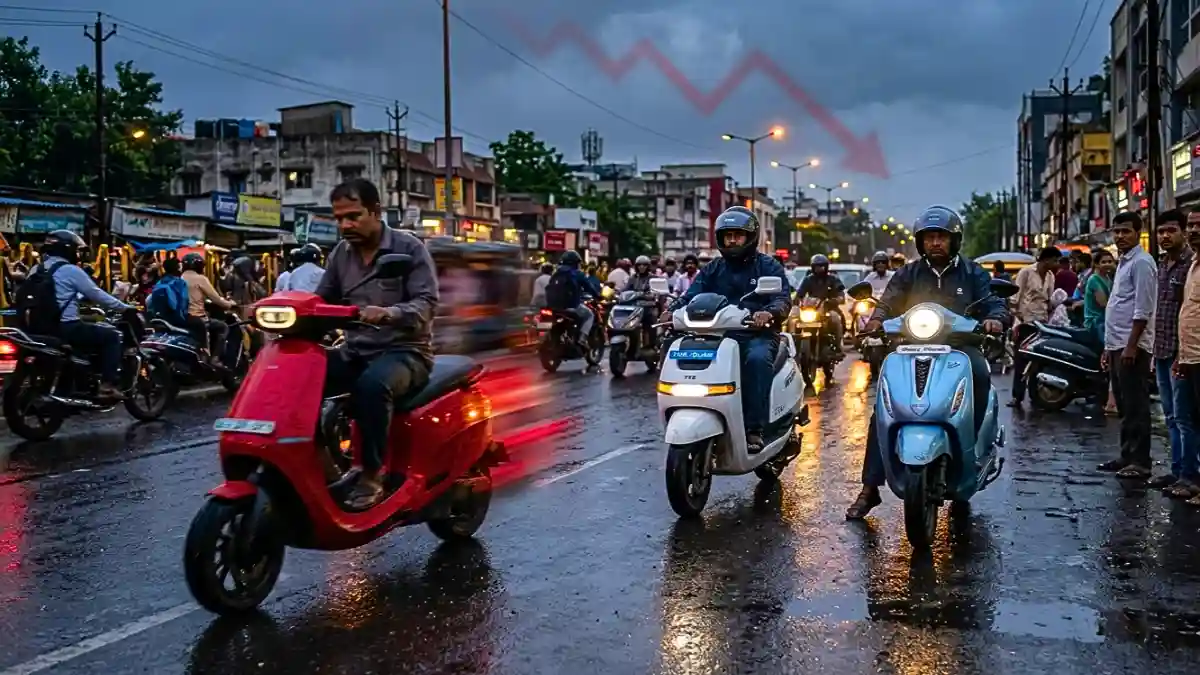
What makes this reversal instructive is that it wasn’t triggered by inferior products or uncompetitive pricing. The hardware was, by most accounts, capable. The price tags remained aggressive. The failure was experiential. In earnings calls and internal assessments, management acknowledged that after-sales operations had become the single biggest drag on demand. Scooters that needed attention languished. Service centres were overwhelmed. Social media turned into a public logbook of frustration. In a market where a two-wheeler is often a family’s primary mobility asset, unreliability isn’t an inconvenience; it’s a betrayal.
The Green Shoots That Demand Cautious Optimism
Against this bruised backdrop, the early FY27 numbers do stand out. Registrations in the first few weeks of the fiscal year have already overtaken the entire Q4 FY26 volume, and the company expects Q1 revenues and deliveries to nearly double sequentially. April alone delivered double-digit growth when most major electric two-wheeler players saw flat or negative movement. On paper, that looks like a sharp turnaround.
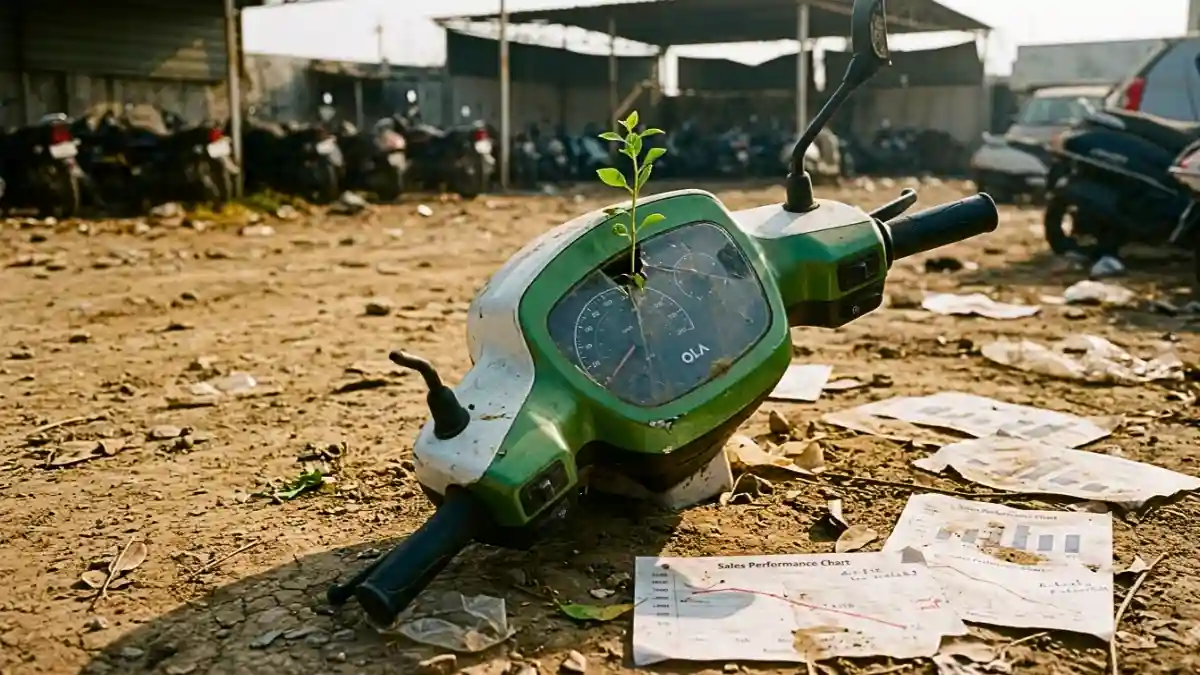
Yet seasoned observers will read these figures with a sceptical squint. Base effects are powerful. Q4 FY26 was a particularly weak quarter, so any improvement appears amplified. The real test is whether the trajectory holds when the comparison becomes more demanding, and when the novelty of a few new model variants wears off. Early traction is a necessary ingredient for recovery, but it’s not sufficient proof of one.
Why Service, Not Price, Will Decide the Winner
If there is one lesson the Indian electric two-wheeler market has taught with brutal clarity, it’s that after-sales support is no longer a backend function; it’s a frontline competitive weapon. When Ola entered the arena, its direct-to-consumer model was hailed as a masterstroke that would strip out dealer margins and keep prices razor-sharp. What the model failed to replicate, however, was the trusted, neighbourhood-level service touchpoint that companies like TVS and Bajaj have spent generations building. When an iQube or a Chetak develops a niggle, there’s usually a familiar mechanic within reach. For too many Ola owners, the experience was a maze of app-based tickets and indefinite wait times.
The company now appears to be treating service infrastructure not as a cost centre but as the core of its recovery strategy. Expanding physical support points, improving spare parts availability, and rebuilding confidence around ownership reliability have become non-negotiable priorities. This is the unglamorous work that determines whether a mobility brand survives beyond the early-adopter phase. The initial surge in registrations may partly reflect this investment beginning to show results, but trust, once broken, repairs slowly.
The Roadmap: New Metal, Own Batteries, and a Bet on Integration
Alongside the service overhaul, Ola is executing a product-led resurrection. The company is simultaneously consolidating its scooter lineup and preparing to enter the electric motorcycle space, where early consumer response has reportedly been encouraging across multiple states. Motorcycles represent a far larger addressable market in India than scooters, and a credible entry could fundamentally alter Ola’s volume story if executed well.
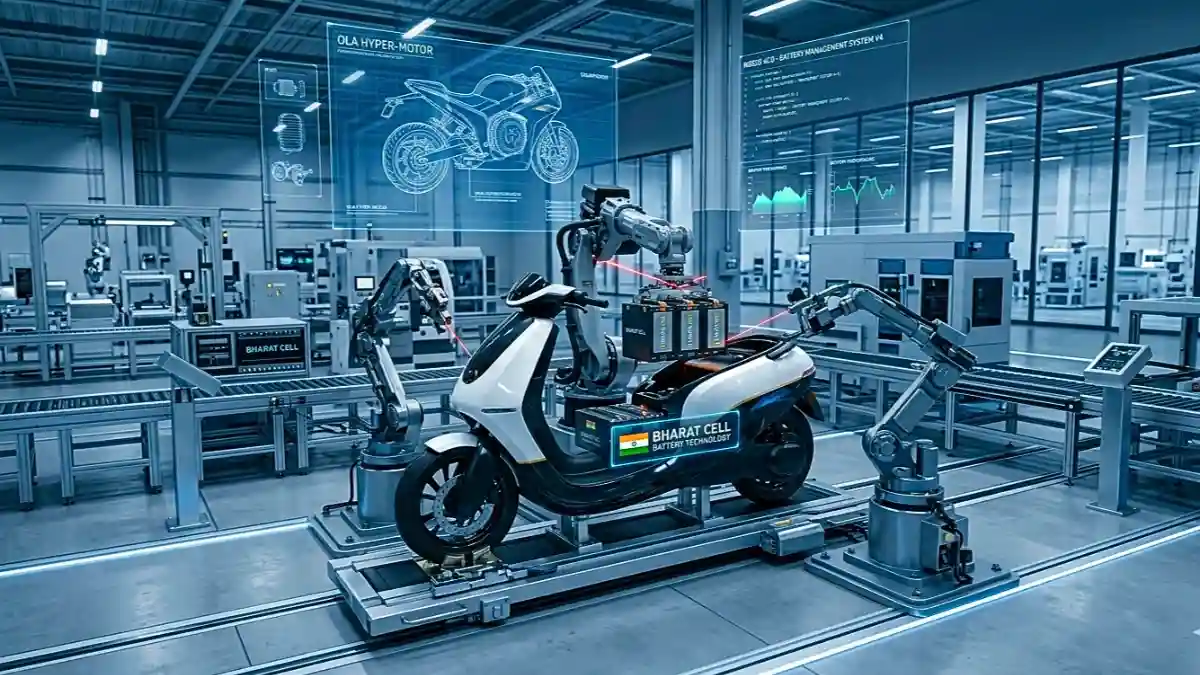
Behind the product pipeline lies a deeper industrial bet. The firm has started manufacturing battery cells in-house, pushing forward with its indigenously developed Bharat Cell technology. It is also bringing ferrite motor production and the MoveOS software platform under tighter integration. These are not just cost-saving measures; they are attempts to control the technology stack in a way that few Indian automotive players have managed. The recent approval of investments close to Rs 2,000 crore, funnelled into battery technology, manufacturing scale-up, and EV operations, signals that the company is willing to burn capital to build strategic moats, even while its financial situation remains precarious. Vertical integration could eventually yield margin benefits, but it demands flawless execution and patience, two things that a publicly scrutinised, cash-hungry startup does not have in abundance.
Also Read – Suzuki e-Access Electric Scooter India 2026: Japan’s Quiet EV Revolution
Ola Electric Trust Recovery: Can the Company Reclaim Its Mojo?
For all the talk of revenues doubling and April growth outpacing the market, Ola Electric’s most stubborn adversary is intangible: brand perception. During the difficult months, the company’s reputation took a visible hit. Competitors didn’t just gain market share; they gained the narrative. Being seen as a reliable alternative mattered more than being seen as the coolest option.
The next phase of recovery, therefore, is as much psychological as it is operational. Every new scooter sold is a vote of tentative confidence, but also a liability if the post-purchase experience disappoints again. The company’s management now speaks openly about the after-sales mistakes of FY26, an acknowledgement that is rare in India’s startup ecosystem. That transparency is a good start, but customers will measure intent through turnaround times, not press statements.
What This Means for India’s EV Industry
Ola Electric’s journey from dominance to disruption-to-self and now attempted recovery is a textbook case for the maturing EV market. First-mover advantage without service infrastructure is a sandcastle. Aggressive pricing can buy trial but not loyalty. The incumbents, TVS, Bajaj, and increasingly Hero, understand that the two-wheeler customer relationship extends years beyond the point of sale, and they have the physical networks to honour that. Ola is now scrambling to build what it once dismissed as legacy overhead.
If the company succeeds in genuinely transforming its service culture and simultaneously brings differentiated, cost-competitive products to market through its integrated manufacturing approach, it could force the entire industry to raise its game. If it stumbles again, the narrative may shift permanently: from “the startup that challenged the establishment” to “the startup that taught the establishment what not to do.”
The early FY27 numbers are encouraging, but they are a down payment, not the full settlement. The real recovery will be measured not in quarterly registrations but in the quiet disappearance of service horror stories from social media timelines. For Ola Electric, the road back is paved with repaired scooters and restored faith, and that road is longer than any sales chart can capture.
Also Read – BMW M 1000 RR Isle of Man TT Edition: A 115-Unit Ode to the Mountain


If it runs on electricity or has a microchip, Rahul is on it. As our resident tech geek and electric vehicle (EV) specialist, Rahul decodes complex technologies into simple language for our readers. He stays ahead of the curve on battery technology, autonomous driving, and the latest digital trends in the automotive sector. If you want to know the real range of an EV or the future of mobility, Rahul has the answers.