


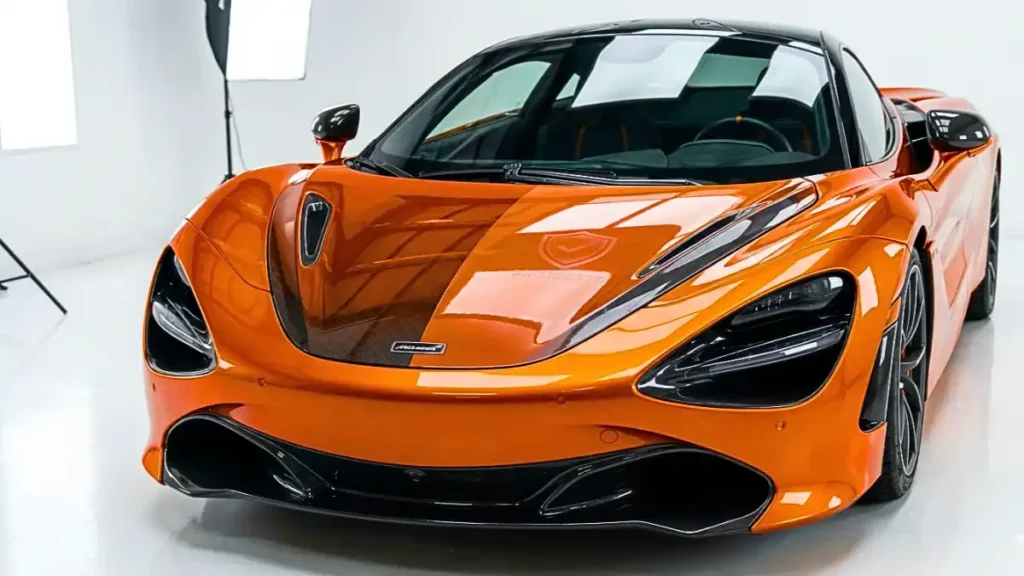

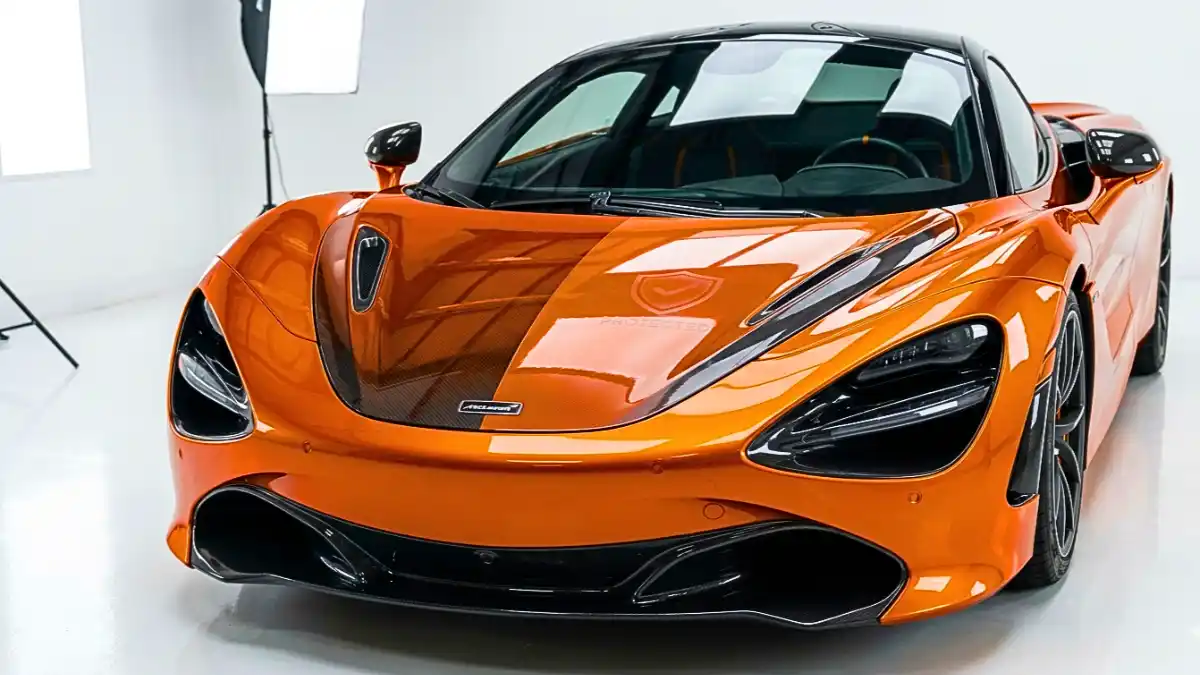
Hello Everyone! If you love your car, you’ve probably heard about PPF wrap. It’s one of the most talked-about car protection upgrades on the market right now, and for good reason. But with prices ranging from a few hundred dollars to well over $8,000, you need to know exactly what is PPF wrap and what you’re getting before you commit.
PPF (Paint Protection Film) is a transparent or tinted thermoplastic urethane film applied to a car’s surface to protect the paint from scratches, chips, UV damage, and environmental contamination. It’s essentially an invisible shield for your car.
What Is PPF Wrap?
PPF wrap(Paint Protection Film) is a thin, durable polyurethane film applied directly to a vehicle’s painted surfaces. Think of it as a bulletproof screen protector, but for your car’s paint.
It was originally developed in the 1960s by the U.S. military to protect helicopter rotor blades and other equipment from high-speed debris. By the 1980s and 1990s, the automotive industry had adapted the technology for consumer vehicles, and it’s been evolving rapidly ever since.
Today, PPF is used on everything from everyday family sedans to six-figure supercars. It’s applied by professional installers using precise cutting software and hand tools to wrap over panels, bumpers, hoods, mirrors, and more.
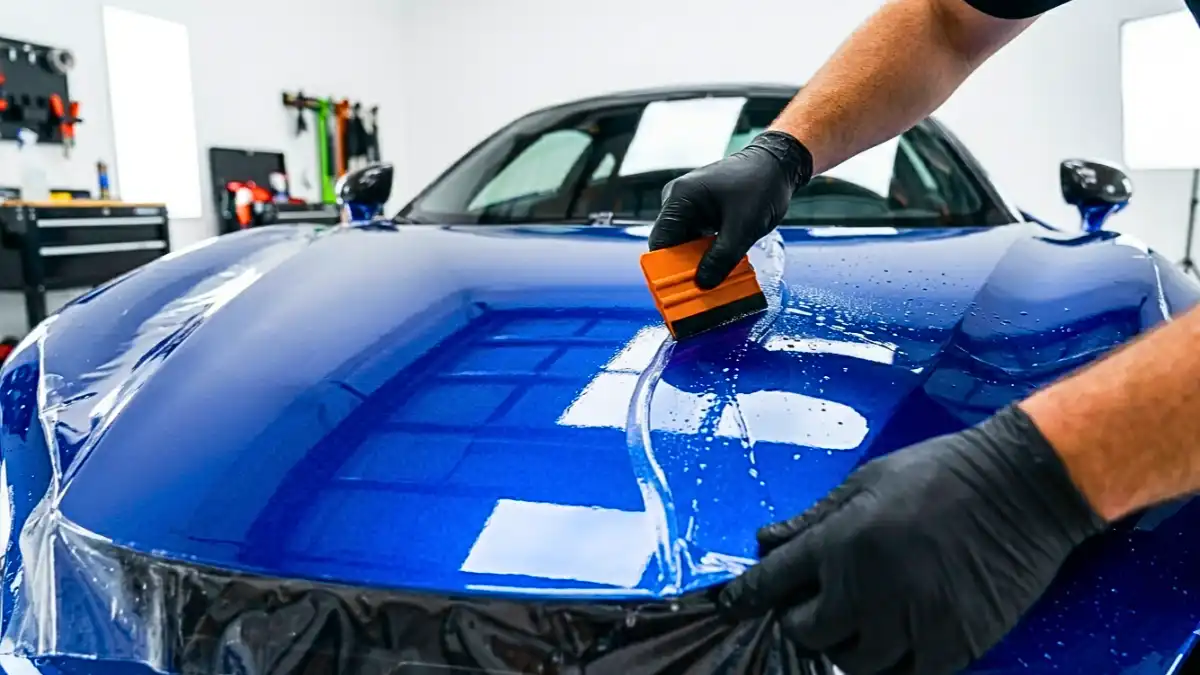
Fact: According to industry market research from Grand View Research, the global automotive paint protection film market was valued at over USD 380 million in 2023 and is projected to grow at a CAGR of around 5.5% through 2030, driven primarily by growing luxury car ownership and rising awareness of paint care.
What Is PPF Wrap Made Of?
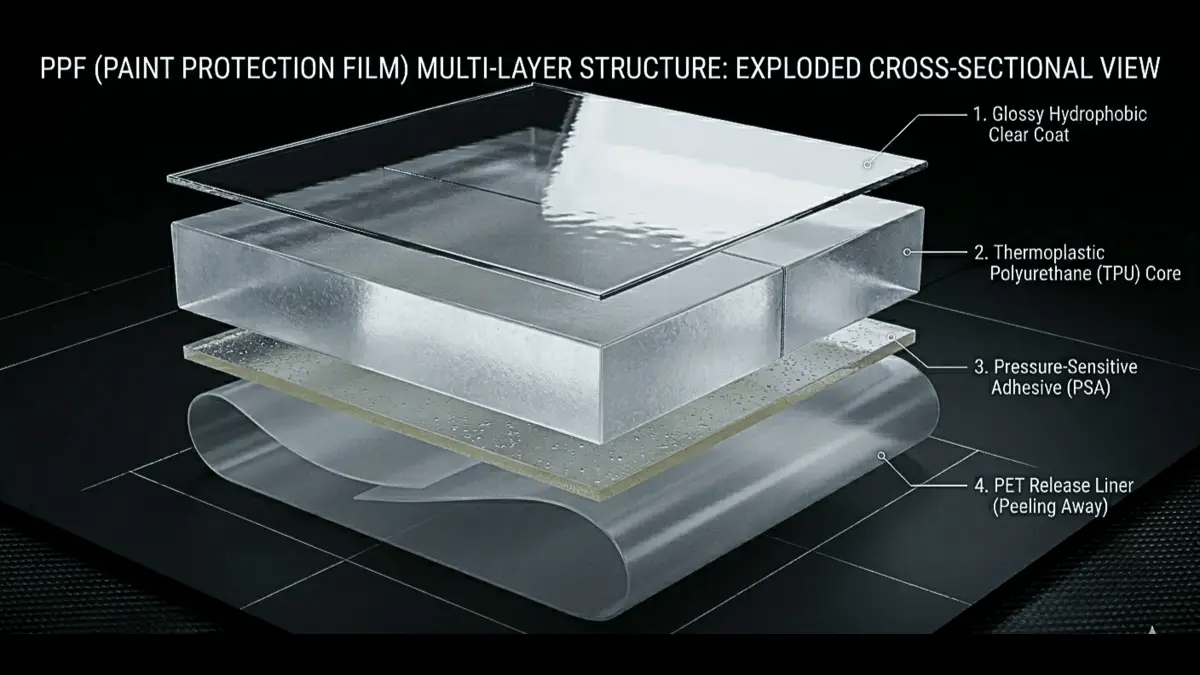
PPF is primarily made from thermoplastic urethane (TPU), a highly flexible, impact-resistant polymer that can absorb energy without cracking or tearing. Here’s the basic layer structure of a quality PPF film:
- Clear coat layer – adds gloss and UV protection on the outer surface
- TPU base layer – the primary protective film that absorbs impact and resists abrasion
- Pressure-sensitive adhesive – bonds the film to the paint without damaging it
- Liner – a release paper that’s removed during installation
High-end PPF products (like those from XPEL, 3M, Llumar, and Avery Dennison) also incorporate self-healing technology in the top coat. This means minor scratches and swirl marks literally disappear when heat is applied, either from the sun or a heat gun.
Fact: Self-healing PPF was first introduced commercially around 2009–2010. The technology uses elastomeric polymers in the clear coat that reflow under mild heat, filling in surface scratches at a molecular level. This is not marketing hype; it’s real, tested polymer science.
What Is PPF Wrap for Cars? What Does It Actually Protect?
PPF wrap protects your car’s paint from a wide range of real-world hazards that chip, scratch, fade, or stain the surface:
- Rock chips and road debris – the most common cause of paint damage on highways
- Bird droppings and bug splatter – highly acidic substances that etch paint over time
- UV rays – cause paint oxidation and fading over months and years
- Tree sap, road salt, and industrial fallout – environmental contaminants that corrode clear coats
- Minor abrasions from car washes, keys, and parking lot scuffs
- Water spotting and hard mineral deposits
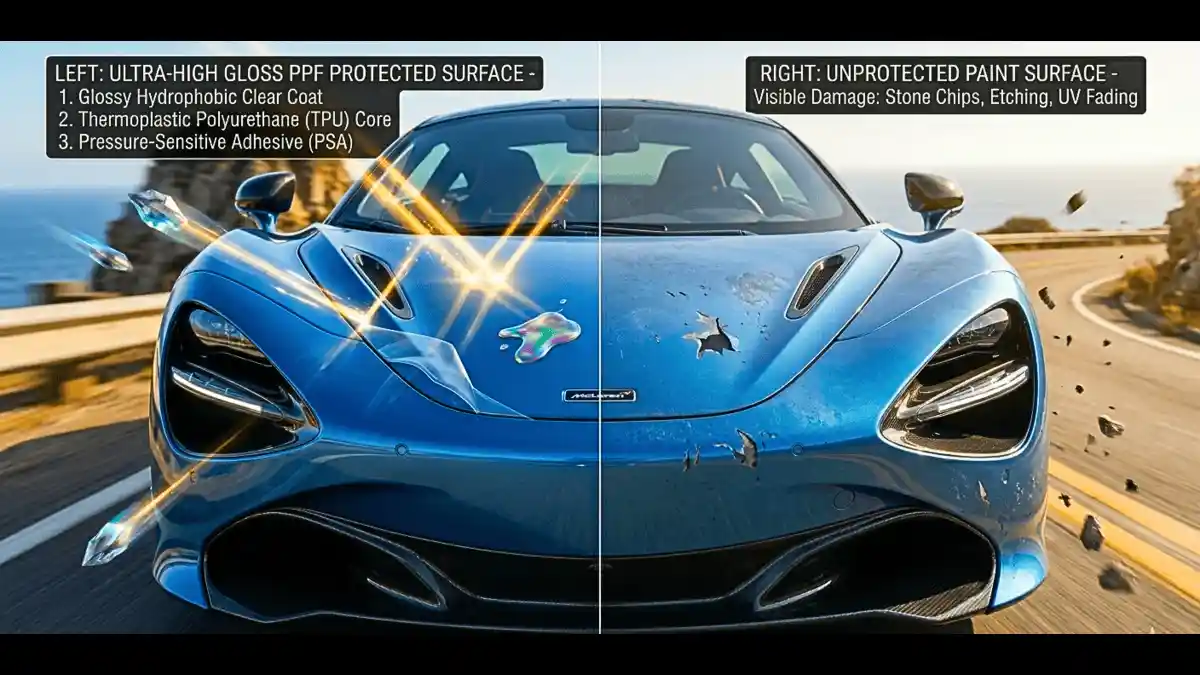
Unlike ceramic coating (which sits on top of the paint and repels contaminants), PPF physically absorbs the impact. It’s the difference between a shield and a slippery surface. PPF is the shield.
Note: PPF and ceramic coating are not the same thing, though they’re often confused. Many car owners combine both: PPF for physical protection, then ceramic coating on top of the PPF for hydrophobic properties and easier cleaning.
How Much Is PPF Wrap? A Realistic Cost Breakdown
This is the question everyone asks first. And honestly, the answer depends on multiple factors: how much of the car you’re covering, which film brand and quality you choose, where you live, and which installer you use.
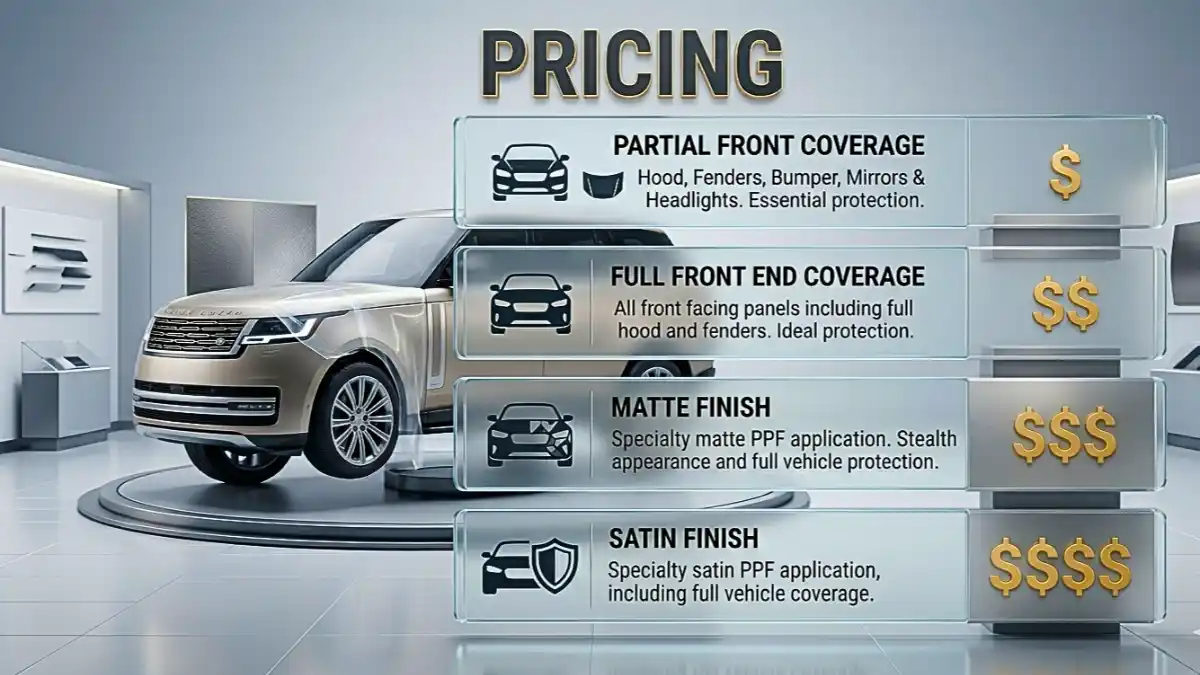
Here’s a realistic cost breakdown based on current 2026 market pricing across the US and other major markets:
PPF Wrap Cost Table (USA, 2026 Estimates)
| Coverage Type | Approximate Cost (USD) | Best For |
| Partial Front (Bumper + Hood) | $500 – $1,200 | Budget-conscious drivers |
| Full Front End | $1,200 – $2,500 | Frequent highway drivers |
| Full Car Standard PPF | $3,000 – $5,000 | Daily drivers wanting full cover |
| Full Car Premium/Self-Healing | $5,000 – $8,000+ | Luxury & exotic car owners |
| Matte / Stealth PPF | $4,500 – $9,000+ | Matte finish or stealth look fans |
| Satin PPF | $4,000 – $8,500 | Those wanting a satin sheen look |
What Factors Affect PPF Wrap Cost?
- Film quality and brand: XPEL Ultimate Plus, SunTek Ultra, and 3M Scotchgard Pro are premium options; budget films are cheaper but less durable
- Coverage area: partial front-end protection is the most popular and affordable starting point
- Vehicle size and complexity: larger vehicles and those with deep curves, vents, or intricate body panels cost more to wrap
- Installer skill and location: Certified installers in major metro areas charge significantly more than those in smaller cities
- Removal of existing films or paint correction: if needed before installation, this adds cost
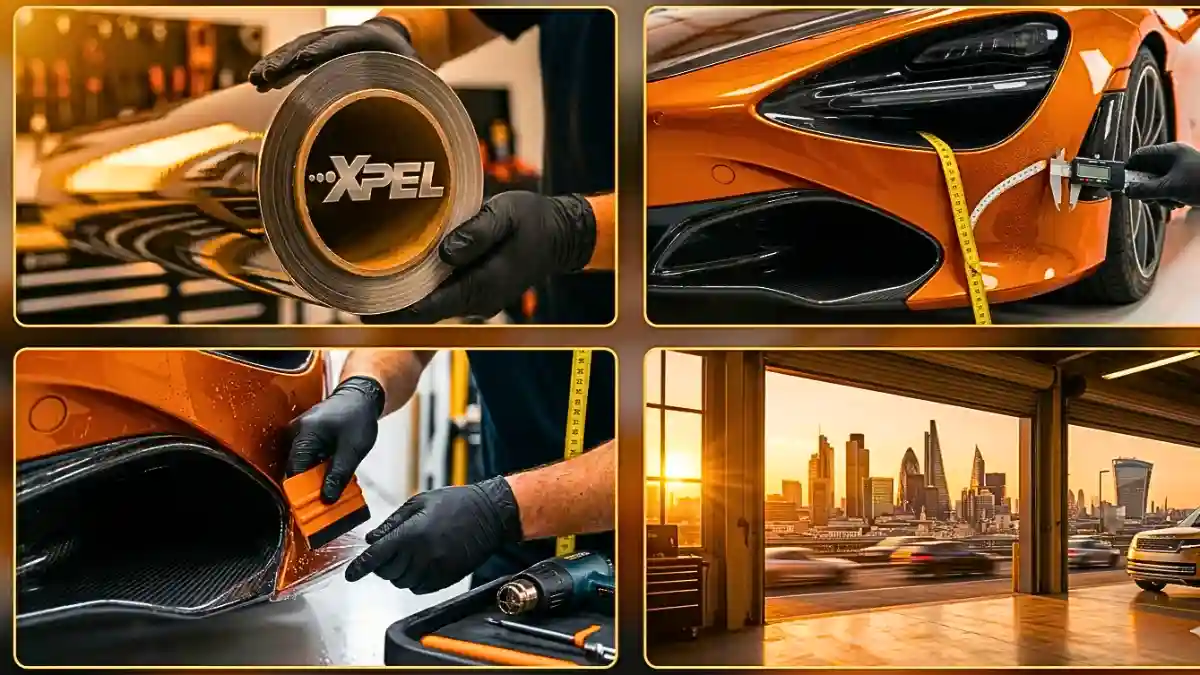
Pro Tip: Always get 3 quotes from certified installers. A price that’s dramatically lower than others usually signals either a poor-quality film, an inexperienced installer, or both. In the PPF world, you really do get what you pay for.
What Is Matte PPF Wrap? How Much Does It Cost?
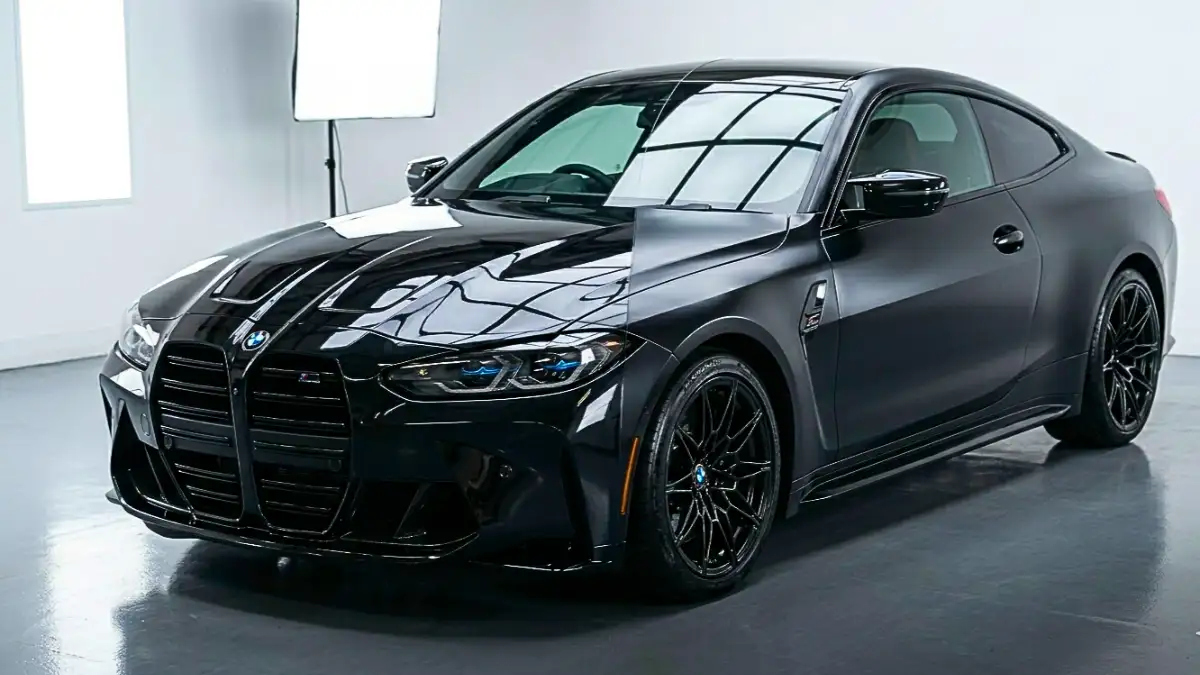
Matte PPF wrap is a specialised variant of standard clear PPF that has a flat, non-reflective finish instead of a glossy one. When applied to a glossy paint job, it transforms the appearance to a factory matte look. Applied to factory matte paint, it protects it without altering the finish.
Matte PPF is loved by enthusiasts who want to change their car’s look and protect it at the same time without the permanence of a matte paint job or a traditional vinyl wrap.
How Much Is Matte PPF Wrap?
Matte PPF is generally 10–25% more expensive than standard clear PPF due to the specialised manufacturing process and greater installation difficulty. Expect to pay:
- Partial front (bumper + hood): $700 – $1,600
- Full car matte PPF: $5,000 – $9,500+
Top brands offering matte PPF include XPEL Stealth, SunTek Ultra Matte, and Avery Dennison Supreme Protection Film in matte finish.
Fact: Factory matte paint is notoriously difficult and expensive to repair. A single matte PPF installation can protect that finish for years, making it a cost-effective investment for vehicles like the BMW Frozen series, Audi Matte finishes, or Porsche exclusive matte colors, which can cost thousands to touch up or repaint.
What Is Stealth PPF Wrap?
Stealth PPF is essentially the same as matte PPF, but the term ‘stealth’ is a branding name used by XPEL for their matte-finish protection film, the XPEL Stealth. It gives glossy paint a satin-to-matte transformation while providing all the protective benefits of standard PPF.
The name ‘stealth’ has since been adopted loosely in the industry to refer to any matte or satin finish PPF that gives vehicles a stealthy, blacked-out, or low-sheen appearance.
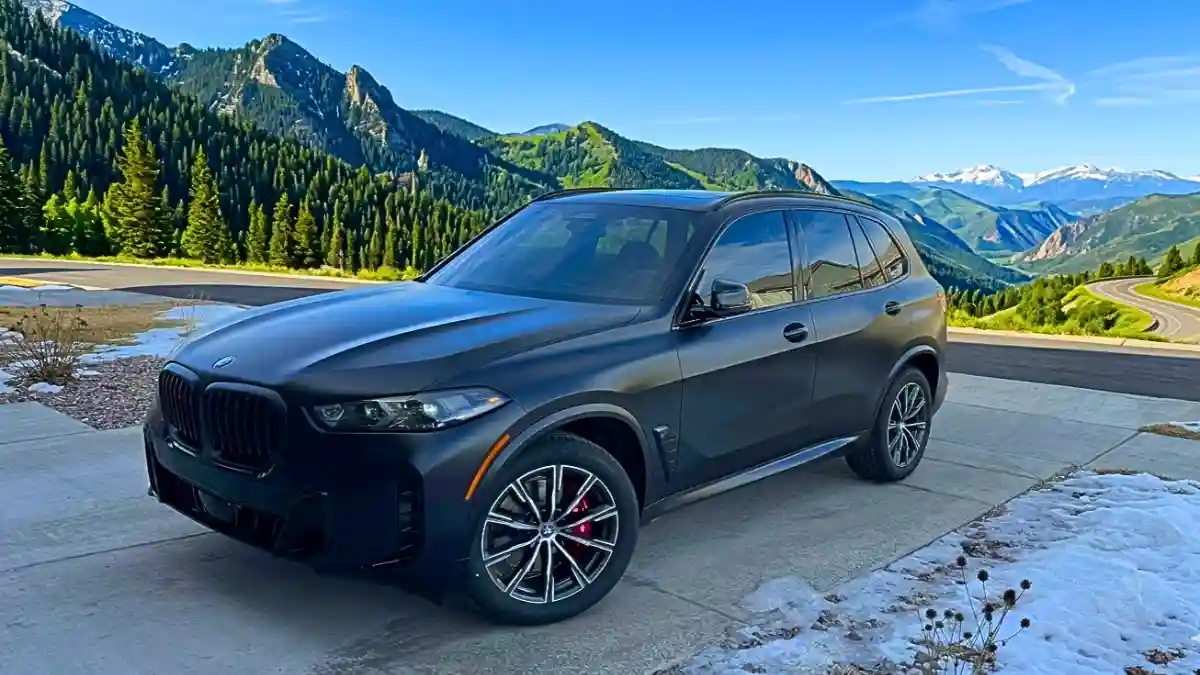
XPEL Stealth, in particular, is one of the most popular choices in this category. It features self-healing technology, is highly resistant to yellowing, and has a strong warranty, typically 10 years from XPEL’s authorised installers.
Note: Stealth PPF is especially popular on dark-colored vehicles – matte black, dark grey, or deep navy, where it amplifies the stealthy aesthetic while protecting the vulnerable factory finish.
What Is Satin PPF Wrap? How Much Does It Cost?
Satin PPF sits between glossy and matte in terms of finish. It has a subtle sheen, not mirror-like gloss, but not a dead-flat matte either. Think of it as a refined, sophisticated middle ground that many luxury car owners prefer.
Popular satin options include films from brands like Llumar, SunTek, and Hexis. Satin PPF is growing in popularity because it pairs beautifully with premium paint colors and gives the car a refined, custom look.
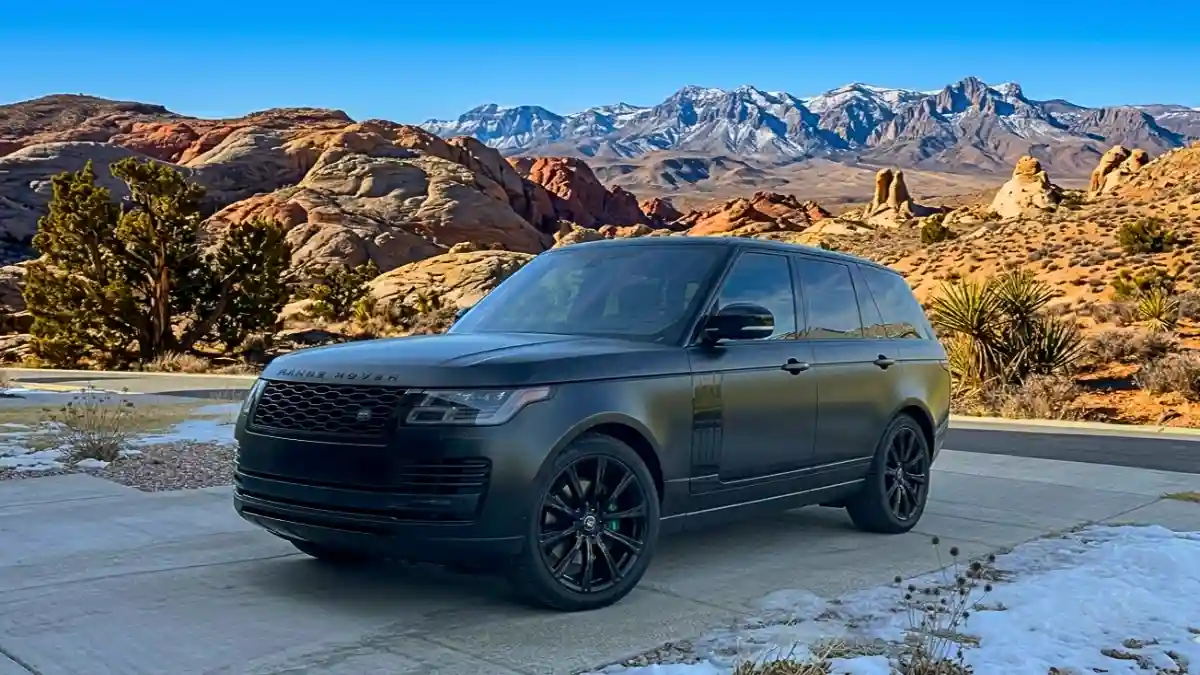
How Much Is a Satin PPF Wrap?
- Partial front end: $650 – $1,500
- Full car satin PPF: $4,000 – $8,500+
The satin finish is generally slightly more affordable than full matte PPF, but pricing still depends on coverage, brand, and installer. Like matte PPF, satin films add a visual character to the vehicle in addition to protecting the paint.
What Is Color PPF Wrap?
Color PPF is a newer and exciting evolution in the PPF industry. Unlike traditional clear or matte PPF that’s transparent (or translucent), color PPF is pigmented – meaning it can actually change your car’s color while protecting the paint underneath.
This combines the visual versatility of a vinyl wrap with the protective properties of PPF. So instead of choosing between color change and protection, you get both in a single film.
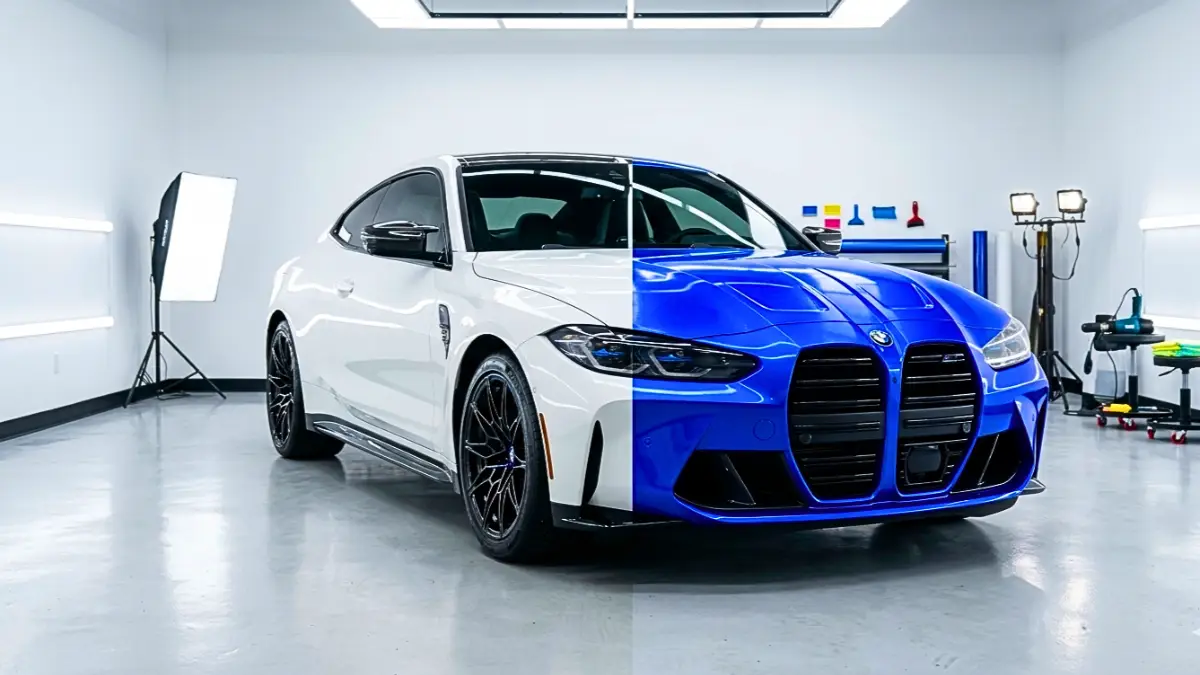
Brands like XPEL, Avery Dennison, and 3M have released color PPF product lines in dozens of colors – from metallic blues and electric greens to deep reds and satin blacks. The films still feature self-healing properties and carry warranties similar to standard PPF.
Note: Color PPF is a game-changer for enthusiasts who want to protect their car and change the color without permanent commitment. Unlike a paint job, it can be removed. Unlike a vinyl wrap, it actually protects the paint underneath from chips and UV damage.
Where Can You Buy PPF Wrap?
PPF wrap is not typically a DIY product, at least not at the professional level. But here’s where you can source it:
For Professional Installation
- XPEL.com – find certified XPEL installers near you through their dealer locator
- 3M Authorized Dealers – 3M’s Scotchgard Pro Series is available through their dealer network
- SunTek Dealer Network – SunTek has certified installers across the US and globally
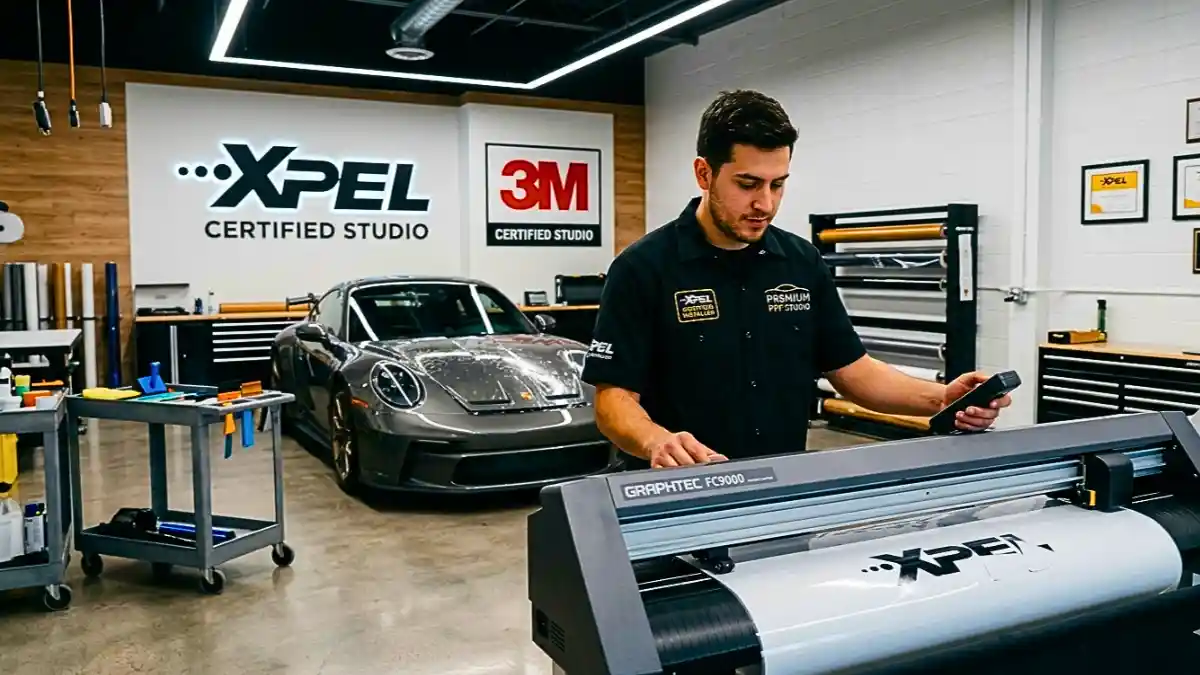
- Llumar Authorized Studios – known for quality films and strong warranties
- Local detailing and tint shops – many carry top-tier brands and offer installation packages
For DIY Installation (Smaller Pieces)
- XPEL.com – DIY kits for mirrors, door edges, and handles
- Amazon – basic PPF kits for targeted areas (not recommended for full-panel coverage)
- RvinylFusion, BullSkin, and CarCoverUSA – online suppliers for DIY PPF rolls and pre-cut kits
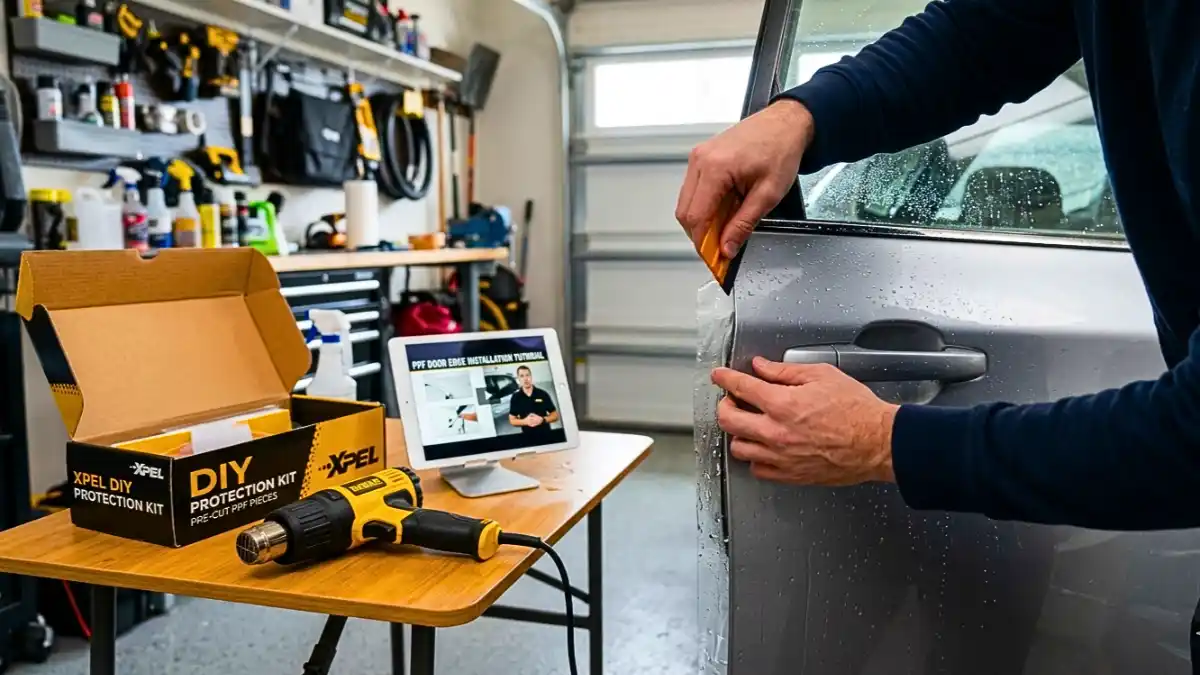
That said, professional installation is strongly recommended for anything larger than a door handle. Improper PPF installation leaves bubbles, edges that lift, and unprotected gaps, wasting your money and potentially damaging the film during removal.
What Are the Disadvantages of PPF Wrap? Let’s Be Honest
PPF is genuinely impressive technology, but it’s not perfect. Here are the real disadvantages you should know before spending your money:
1. The Cost Is Significant
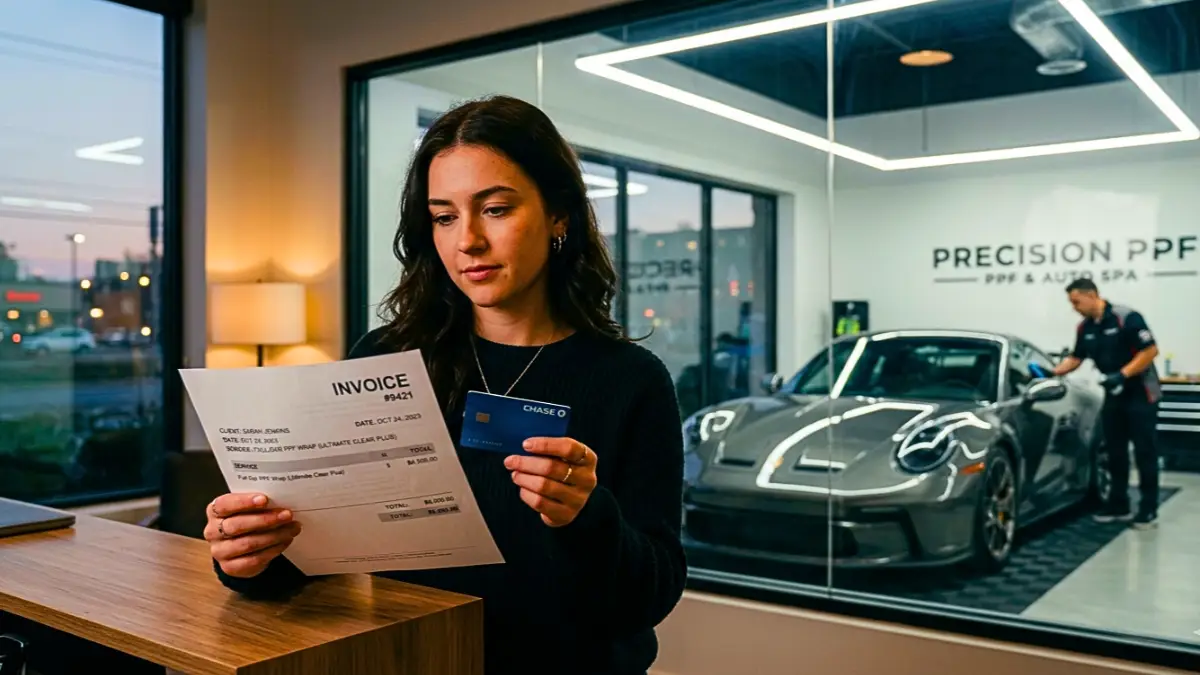
A full-car PPF installation is one of the most expensive aftermarket modifications you can make. At $3,000–$8,000+ for a quality full wrap, it’s not accessible for everyone. And since it’s not a performance upgrade, it can be hard to justify emotionally, even when it makes practical sense.
2. Installation Quality Varies Wildly
PPF is only as good as the person installing it. A poorly installed film will have visible seams, lifting edges, bubbles, and orange-peel texture in the wrong places. Always use a certified, reviewed installer with a portfolio of completed work.
3. It Can Yellow Over Time (With Cheap Films)
Lower-quality PPF films – especially older formulations or budget brands, are prone to yellowing, hazing, and clouding over time, particularly when exposed to constant UV radiation. Premium films from XPEL, SunTek, or 3M resist yellowing significantly better and come with warranties that cover this.
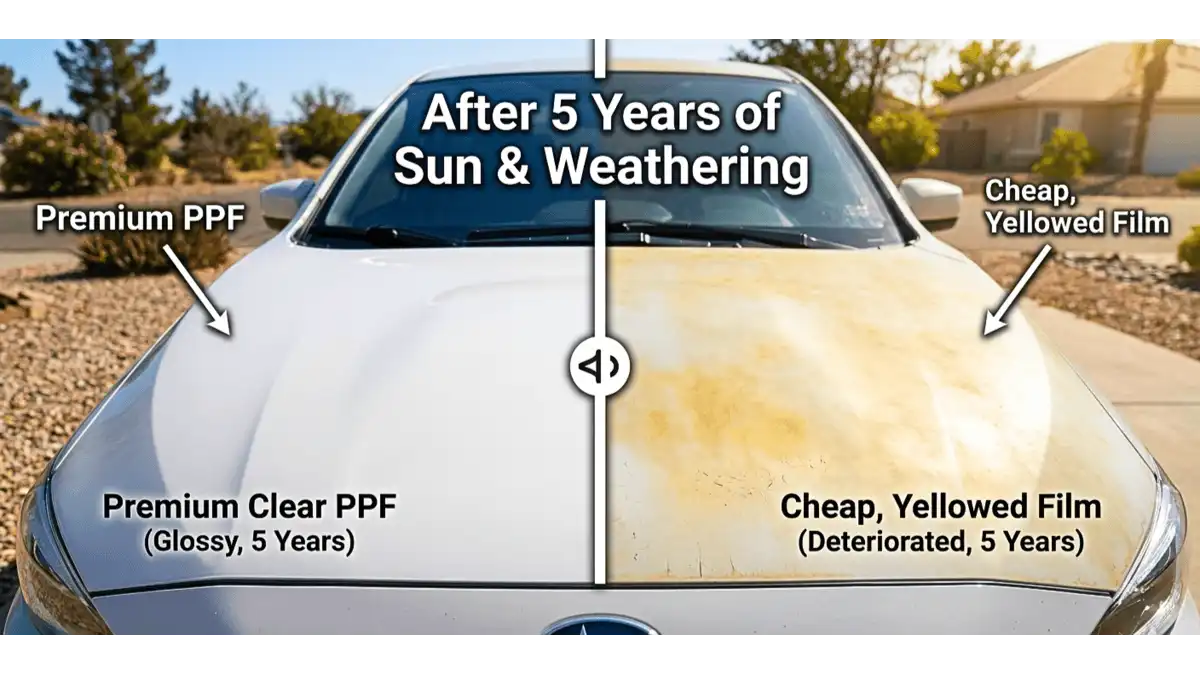
Industry Insight: The yellowing issue is largely an old-film problem. Modern TPU-based films with UV-resistant top coats have dramatically improved since the early 2000s. If you choose a reputable brand, yellowing within the warranty period should be covered, which is rare.
4. It Does Not Make Your Car Completely Scratch-Proof
PPF absorbs and protects against minor abrasions, light scratches, and small rock chips. But a deep key scratch, aggressive road debris at high speed, or a parking lot collision can still damage or penetrate the film. PPF reduces risk significantly, but it doesn’t eliminate it.
5. Removal Can Be Tricky (Though Not Damaging if Done Right)
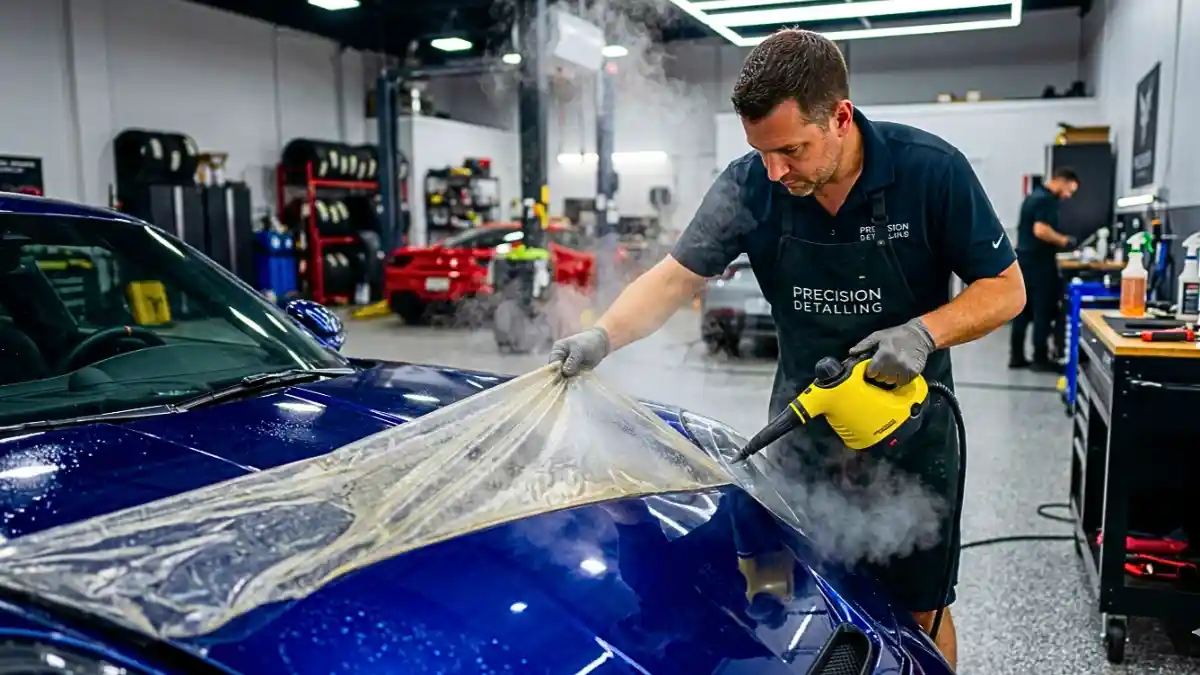
Removing PPF, especially if it’s been on the car for many years or was applied over existing paint issues, can be time-consuming. However, when done properly by a professional using heat and the right techniques, it should not damage the underlying paint. Adhesive residue left behind is typically removable with isopropyl alcohol.
6. Matte and Color PPF Can Be Harder to Maintain
Matte and satin PPF require a bit more care than glossy clear PPF. You can’t use waxes or certain polishes on matte finishes, and they’re more prone to showing water spots if not dried properly. They require specific maintenance products and techniques.
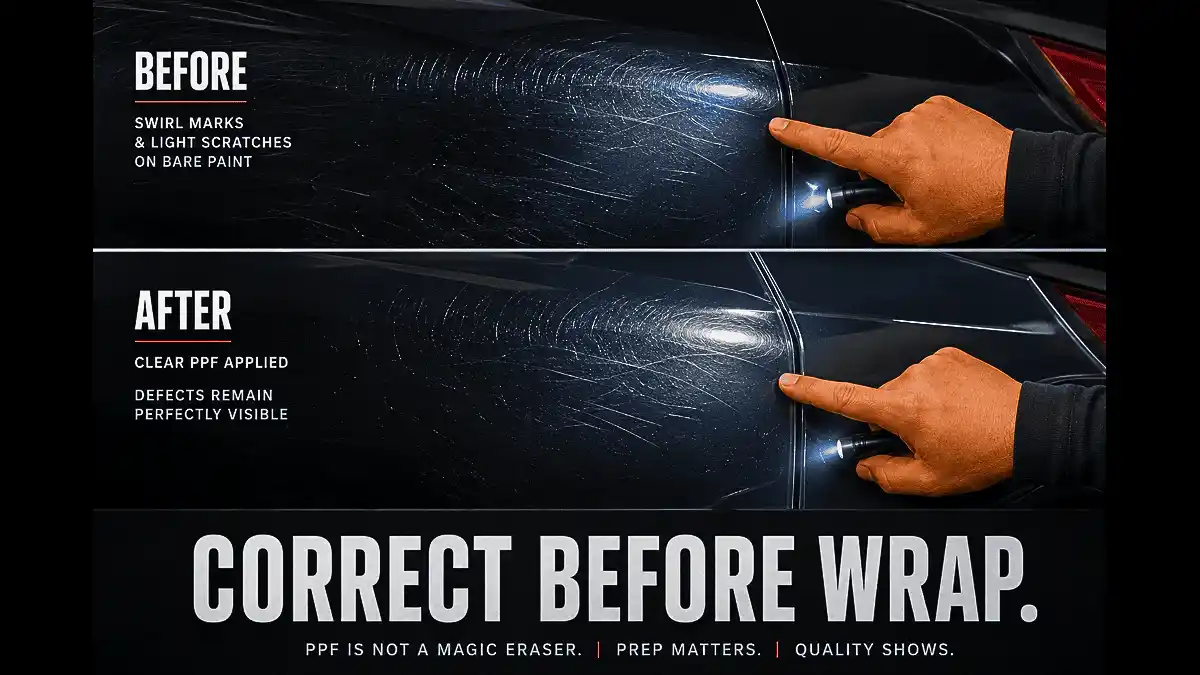
7. It’s Not a Substitute for Paint Correction
PPF locks in the paint condition at the time of installation. If your car has swirl marks, light scratches, or oxidation before the film goes on, those imperfections will be preserved underneath the film. Always do paint correction before PPF installation.
How Long Does a PPF Wrap Last?
Quality PPF from a reputable brand, properly installed and maintained, typically lasts 7–12 years. Here’s a more detailed breakdown:
- Budget/entry-level PPF: 3–5 years before noticeable degradation
- Mid-range PPF (SunTek, Llumar): 7–10 years with proper care
- Premium PPF (XPEL Ultimate Plus, 3M Scotchgard Pro): 10–12 years, often backed by manufacturer warranties
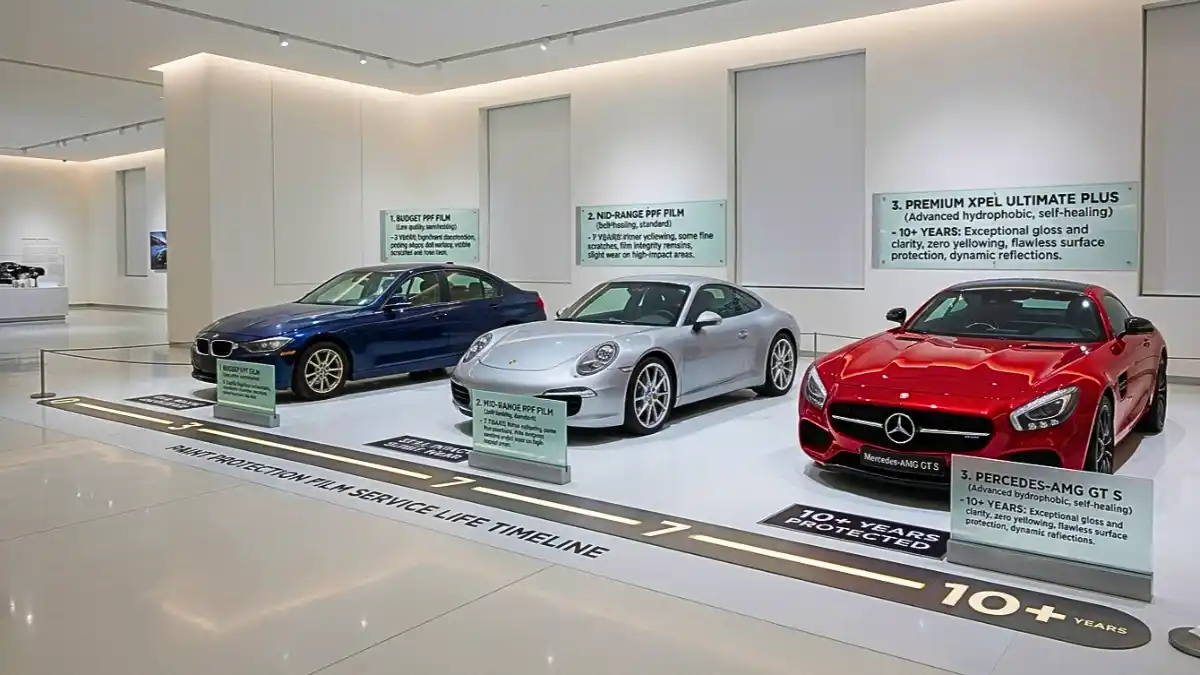
Factors that affect longevity include UV exposure (cars parked outdoors degrade faster), climate (extreme heat and cold accelerate ageing), maintenance habits (proper washing and detailing extend life), and the quality of the original installation.
Warranty Check: XPEL offers a 10-year warranty on its Ultimate Plus film covering yellowing, cracking, peeling, and delamination through authorised installers. 3M’s Pro Series comes with a 10-year warranty as well. Always ask your installer about the manufacturer’s warranty before committing.
Can PPF Wrap Be Removed?
Yes, the PPF wrap can be removed. This is one of its key advantages over a paint job or permanent modification. Unlike vinyl wrap, which uses a surface-level adhesive, PPF’s adhesive is slightly stronger but still designed to be removable.
The removal process typically involves:
- Applying heat (heat gun or steamer) to soften the adhesive
- Peeling the film carefully at a 15–45 degree angle to avoid tearing
- Removing remaining adhesive residue with isopropyl alcohol or a dedicated adhesive remover
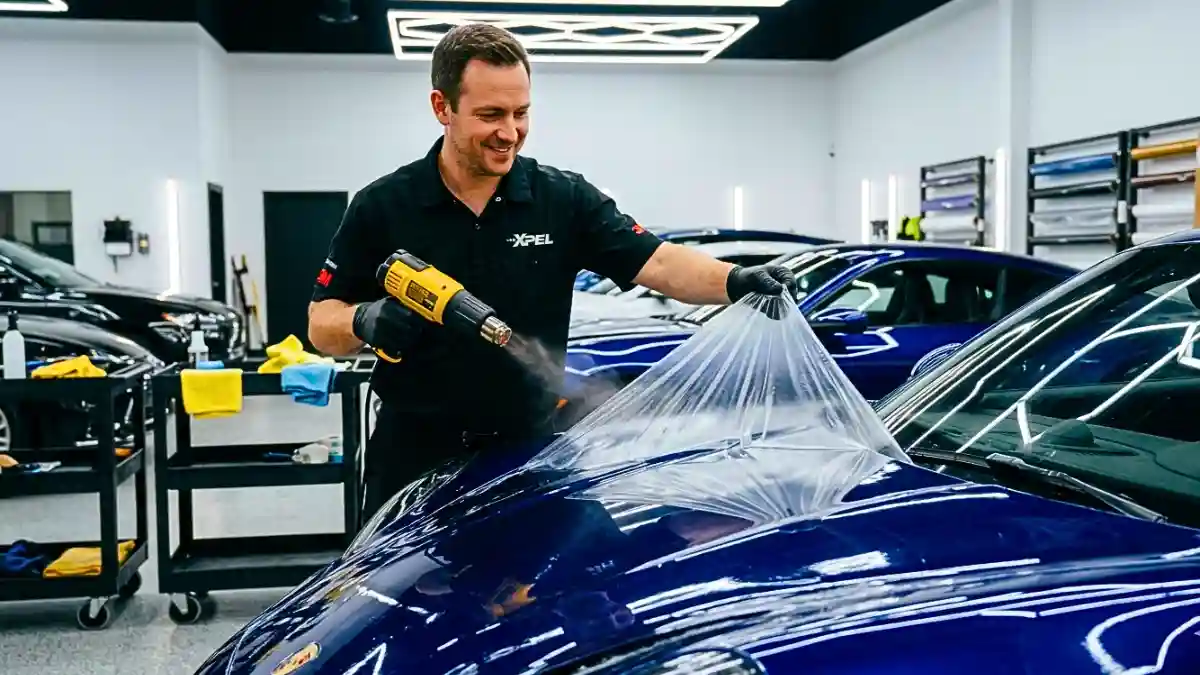
If the PPF was applied to properly prepped paint and is within its service life (i.e., not overly aged or cured), removal should not damage the factory paint underneath. In fact, the paint under a PPF film after several years is often in better condition than the surrounding unprotected areas.
Very old PPF (10+ years) or PPF applied to poor-quality paint or repainted panels can sometimes cause issues during removal. In those cases, professional removal is strongly advised.
Is PPF Wrap Worth It for Your Car? Here’s the Honest Truth
This is the big question. And the answer, unsatisfyingly, is: it depends on your situation. But let’s break it down logically.
PPF Is Likely Worth It If:
- You own a new car worth $35,000+ and want to preserve the paint for resale value
- You drive frequently on highways where rock chips are common
- Your car has matte or satin factory paint that’s expensive to repair
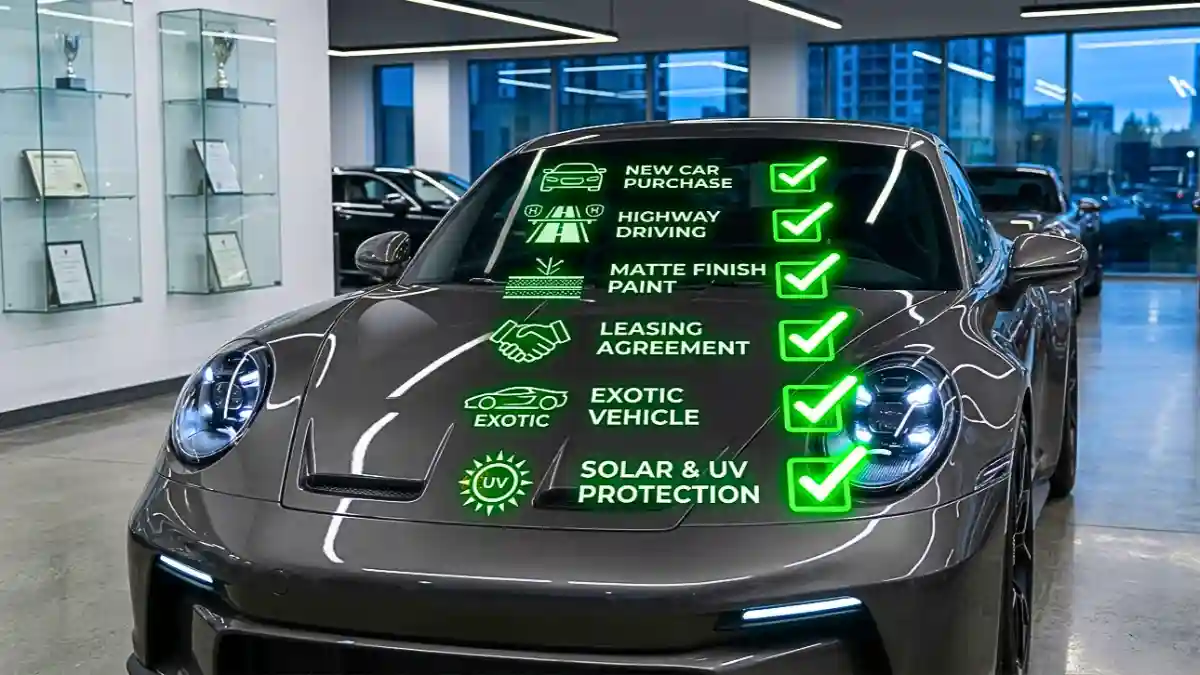
- You’re leasing and want to avoid end-of-lease paint damage charges
- You’re buying an exotic or collector car where original paint condition matters enormously
- You live in a climate with extreme UV exposure, road salt, or lots of tree cover
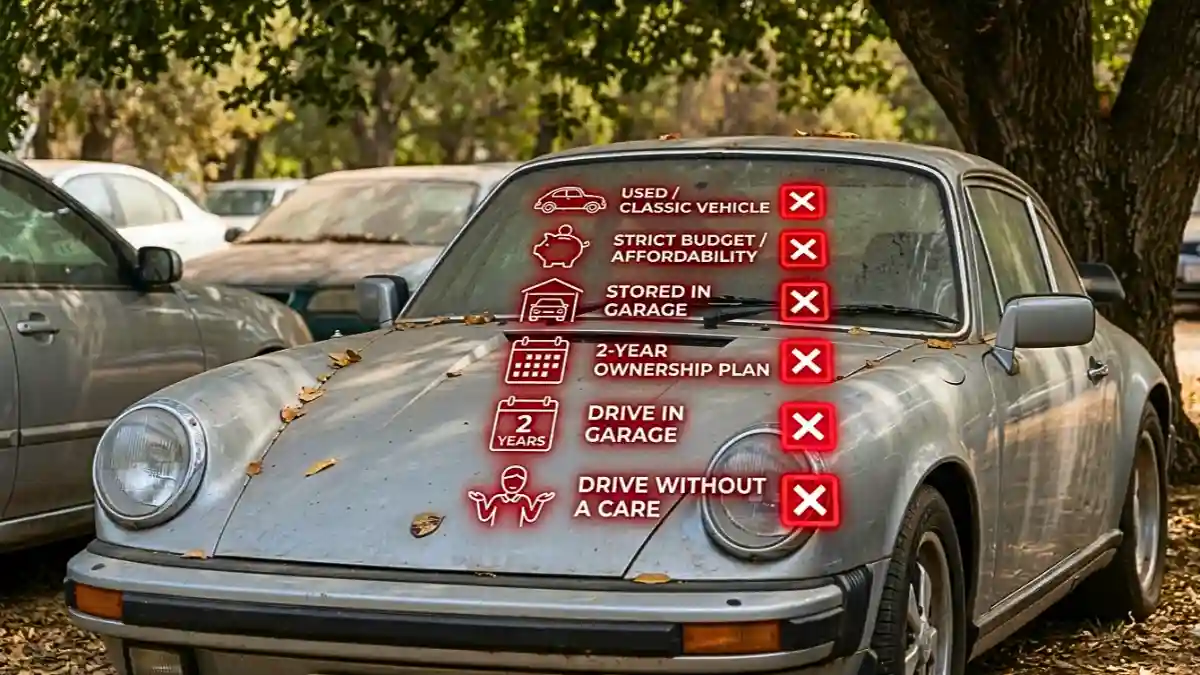
PPF May Not Be Worth It If:
- Your car is older or low in value – the cost of PPF may exceed the car’s depreciation savings
- You’re on a tight budget and plan to sell or trade the car within 2–3 years
- You park in a garage and rarely drive in chip-risk conditions
- You’re not particularly attached to the paint condition
Note: Think of PPF like insurance. You might never need to make a claim, but if you do, you’ll be very glad you had it. A single rock chip on a hood respray can cost $800–$2,000. A PPF installation that prevents that, for 10 years, starts looking like a pretty smart investment.
Resale value is a real consideration, too. Vehicles with verified PPF coverage tend to command higher resale prices, particularly in the used luxury car market, where paint condition is scrutinized closely.
A 2023 analysis by automotive valuation experts noted that well-maintained luxury vehicles with PPF could see resale value improvements of 10–15% compared to similar vehicles with visible paint wear, a figure that often surpasses the original cost of the film.
Final Verdict: What You Need to Know About PPF Wrap
PPF wrap is one of the most effective ways to protect your car’s paint. The technology has matured considerably. Modern films self-heal, resist yellowing, last over a decade, and come in clear, matte, satin, stealth, and even color variants to suit any aesthetic preference.
It’s not cheap. A full-car installation is a serious financial commitment. But for the right car and the right owner, it’s one of the smartest investments you can make in your vehicle’s long-term appearance and resale value.
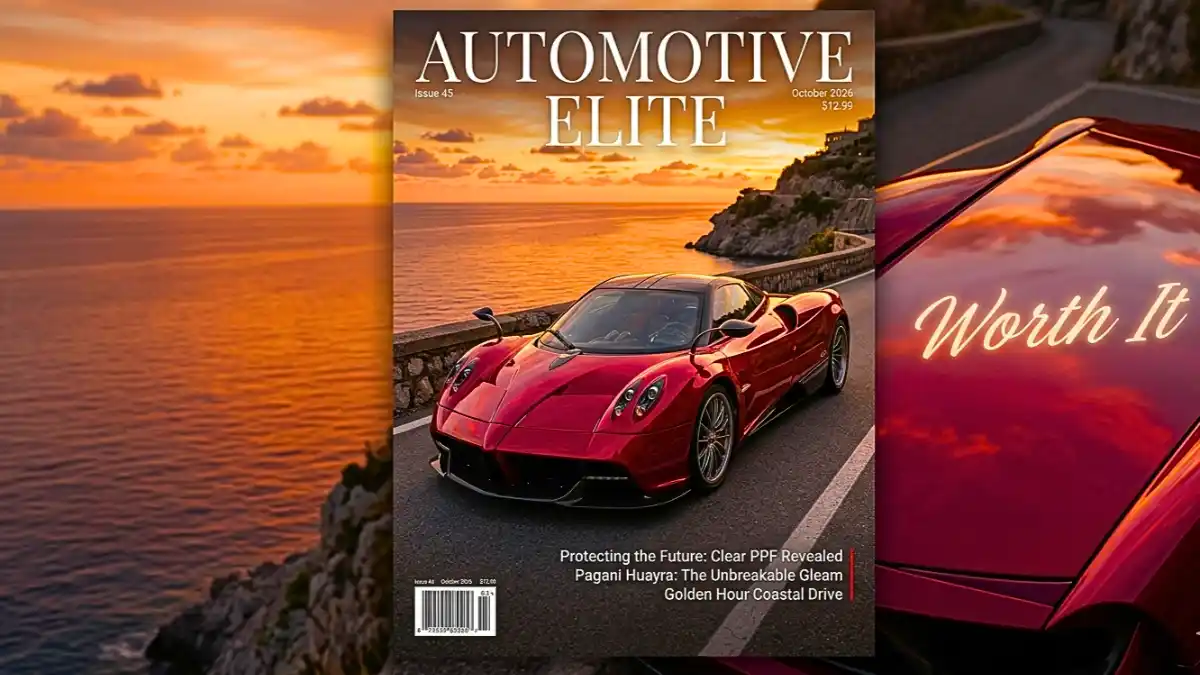
The key is choosing a quality film brand (XPEL, SunTek, 3M, Llumar, Avery Dennison), working with a certified and experienced installer, and ensuring your paint is properly corrected before the film goes on.
Whether you’re protecting a daily driver’s front end from highway chips or wrapping an entire exotic in a stealth matte finish, PPF wrap delivers real, measurable results.
Bottom Line: If your car matters to you – its looks, its value, its paint – PPF is worth a serious conversation with a professional installer. Start with a partial front-end package to test the waters, and go from there.
Sources & References:
- Grand View Research (Automotive PPF Market Report, 2023)
- XPEL Technologies (Product Specifications & Warranty Documentation, 2024–2026)
- 3M Automotive (Scotchgard Pro Series Product Guide)
- SunTek Films (Ultra and Matte Product Documentation)
- Avery Dennison Automotive (Supreme Protection Film Specifications)
- Industry installer surveys and market pricing data compiled 2025–2026
FAQ’s
1. How much does it cost to PPF a full car?
Ans – A full-car PPF installation with a quality film costs between $3,000 and $8,000+ in most US markets as of 2026. Matte, satin, or color PPF variants add 10–25% to the cost. Partial installations (front end only) start around $1,200–$2,500.
2. What is the difference between PPF and vinyl wrap?
Ans – Vinyl wrap is primarily a cosmetic product — it changes the car’s color and appearance. PPF is primarily a protective product — it’s clear (usually) and shields the paint. Vinyl wrap offers minimal physical protection compared to PPF. Color PPF is an emerging hybrid that does both.
3. Can you put PPF over vinyl wrap?
Ans – Generally, no — PPF should be applied directly to paint. Applying it over vinyl wrap defeats the purpose (you’re protecting the vinyl, not the paint) and can cause adhesion issues. If you want color change plus protection, use a color PPF product instead.
4. Does PPF affect car paint when removed?
Ans – When properly installed and removed within its service life, quality PPF should not damage factory paint. The paint underneath is often better preserved than surrounding areas. Very old or improperly installed PPF removed from poorly prepped paint can occasionally cause issues.
5. Is ceramic coating better than PPF?
Ans – They serve different purposes. Ceramic coating repels water, contaminants, and UV — but provides minimal physical protection against chips and scratches. PPF physically absorbs impacts. For best results, many enthusiasts apply PPF first, then ceramic coat over the PPF.
6. How do I maintain PPF wrap?
Ans – Wash regularly with pH-neutral car shampoo. Avoid automatic car washes with stiff brushes. Avoid waxes with petroleum distillates on matte PPF. Use a PPF-safe sealant or ceramic coating on top for added hydrophobic properties. Address bird droppings and tree sap quickly.
Also Read – Best UTV Helmets For Adults in 2026: Complete Buyer’s Guide for Adults, Kids & Every Trail Condition


If it runs on electricity or has a microchip, Rahul is on it. As our resident tech geek and electric vehicle (EV) specialist, Rahul decodes complex technologies into simple language for our readers. He stays ahead of the curve on battery technology, autonomous driving, and the latest digital trends in the automotive sector. If you want to know the real range of an EV or the future of mobility, Rahul has the answers.