


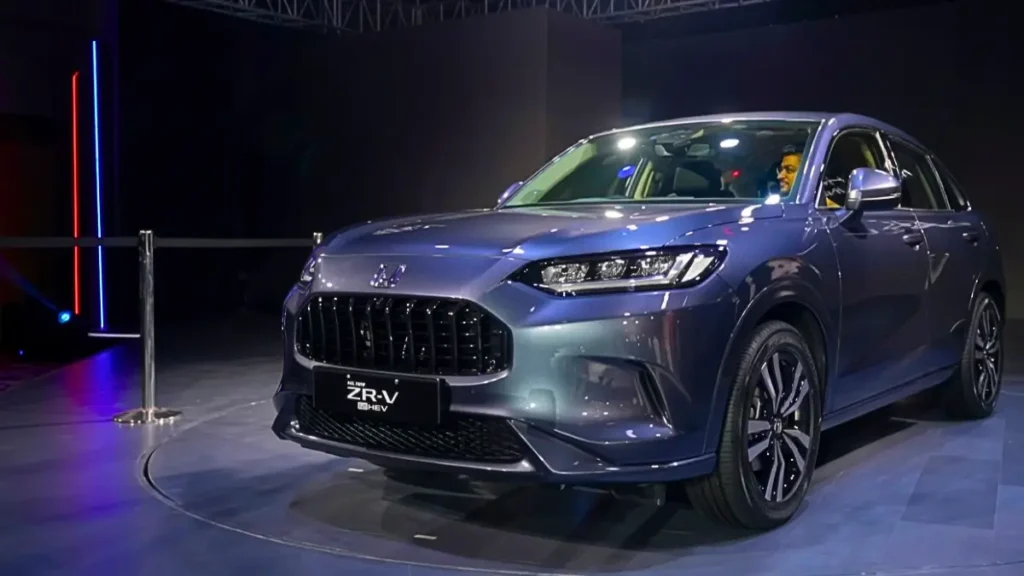

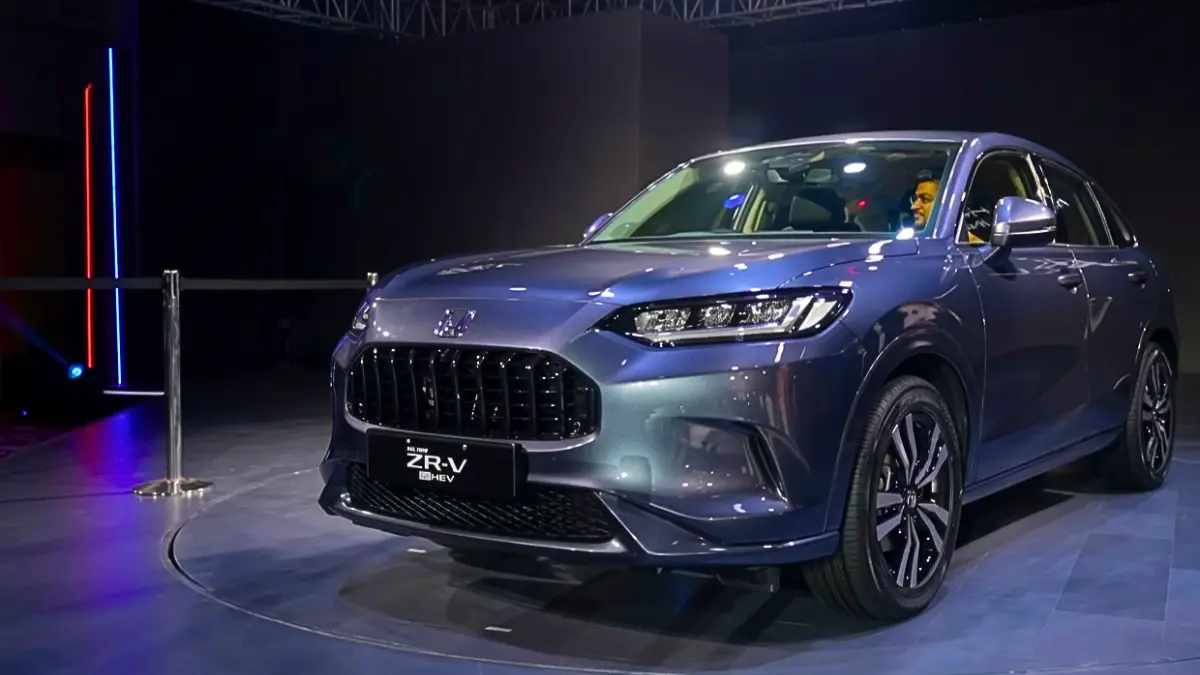
The unveiling was understated, no pyrotechnics, no orchestral swells. Honda simply parked its new flagship SUV under showroom lights and let the car do the talking. But the 2026 Honda ZR-V hybrid India launch is anything but a quiet arrival. It is, in fact, the loudest statement Honda has made in India since the City first captured the nation’s imagination over two decades ago. This time, however, the message isn’t about affordability or mass appeal. It’s about a Japanese giant finally demanding a seat at the premium table.
Decoding the 2026 Honda ZR-V Hybrid India Launch: Not Another Mid-Sizer
To understand why the ZR-V matters, you have to look at the years that preceded it. Honda’s India journey has been a curious mix of brilliance and restraint. The City and Amaze earned deep loyalty, but the SUV wave that swept the country after 2015 caught the company flat-footed. The Elevate, launched in 2023, was a corrective step, a competent, sensibly priced mid-size contender. But it didn’t move the aspiration needle far enough for a brand that once symbolised Japanese engineering finesse.
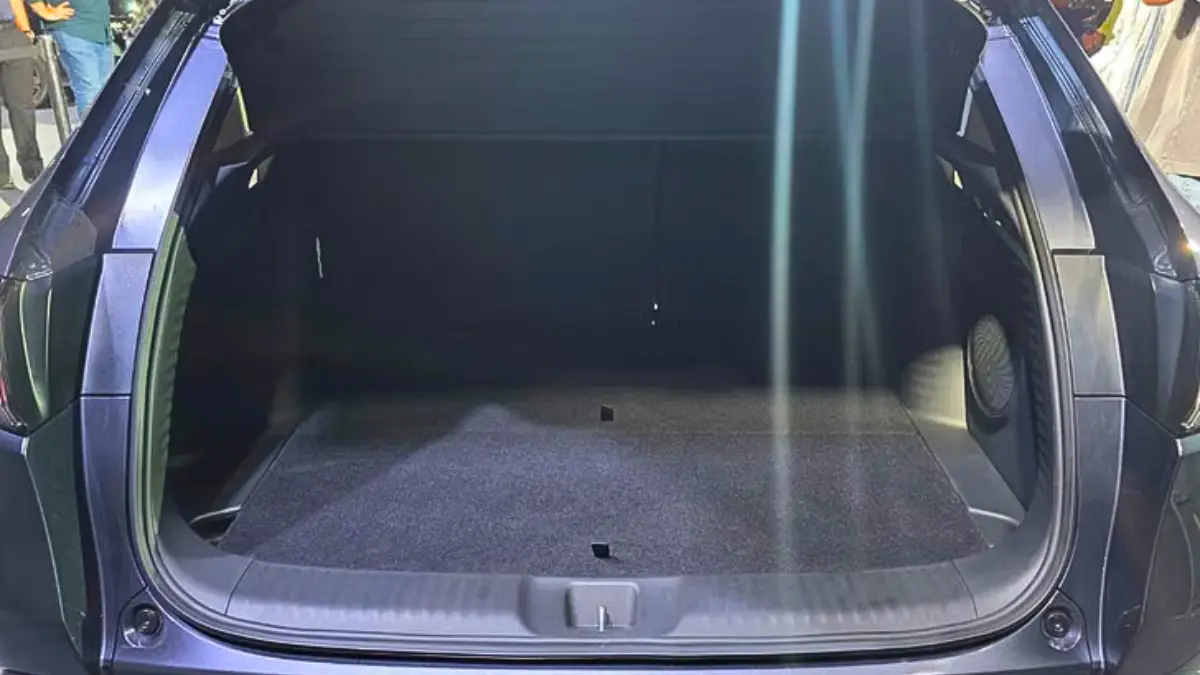
The ZR-V flips the script entirely. This is not a cautious toe dipped in premium waters; it’s a fully imported, hybrid-only flagship positioned directly against Europeans and Americans who have dominated the ₹35-50 lakh space. Honda is no longer content playing just the reliability card. It wants desire, and it’s willing to bet on sophisticated technology rather than sheer size to get there.
The Import Equation: Pricing as a Statement
Make no mistake, choosing the CBU (completely built-up) route for the ZR-V is as much a strategic signal as it is a logistical one. With an expected starting price north of ₹40 lakh (ex-showroom), the SUV enters a territory where brand cachet often trumps value-for-money calculations. Buyers cross-shopping the Volkswagen Tiguan, Skoda Kodiaq, and Jeep Meridian are not simply counting features per rupee. They’re assessing sophistication, exclusivity, and the subtle promise of engineering that feels special.
The fully imported tag carries risk volumes will be limited, and any localization benefits are absent. But it also protects Honda from the trap of launching a product that feels diluted for cost reasons. The ZR-V arrives in India exactly as it sells in mature global markets. That authenticity is its currency. In conversations with industry insiders, there’s a growing sense that a well-executed CBU flagship can lift the perception of an entire showroom. Honda appears to be banking on this halo effect to breathe new energy into its dealer network and give Elevate and City customers something to look up to.
Also Read – Maruti Suzuki Test Convoy 2026: Maruti’s Secret Convoy Just Gave Away Its Plan to Own the Road Ahead
Under the Bonnet: Why the Hybrid Gamble Makes Sense Right Now
The ZR-V’s powertrain choice is perhaps its most revealing detail. There is no diesel option, a bold omission in a segment where torque-heavy oil-burners still command respect. Instead, the SUV gets a 2-litre naturally aspirated petrol engine paired with Honda’s strong-hybrid, dual-motor e:HEV system. Combined output stands at 184 PS and 315 Nm, routed through an e-CVT with four drive modes including Snow.
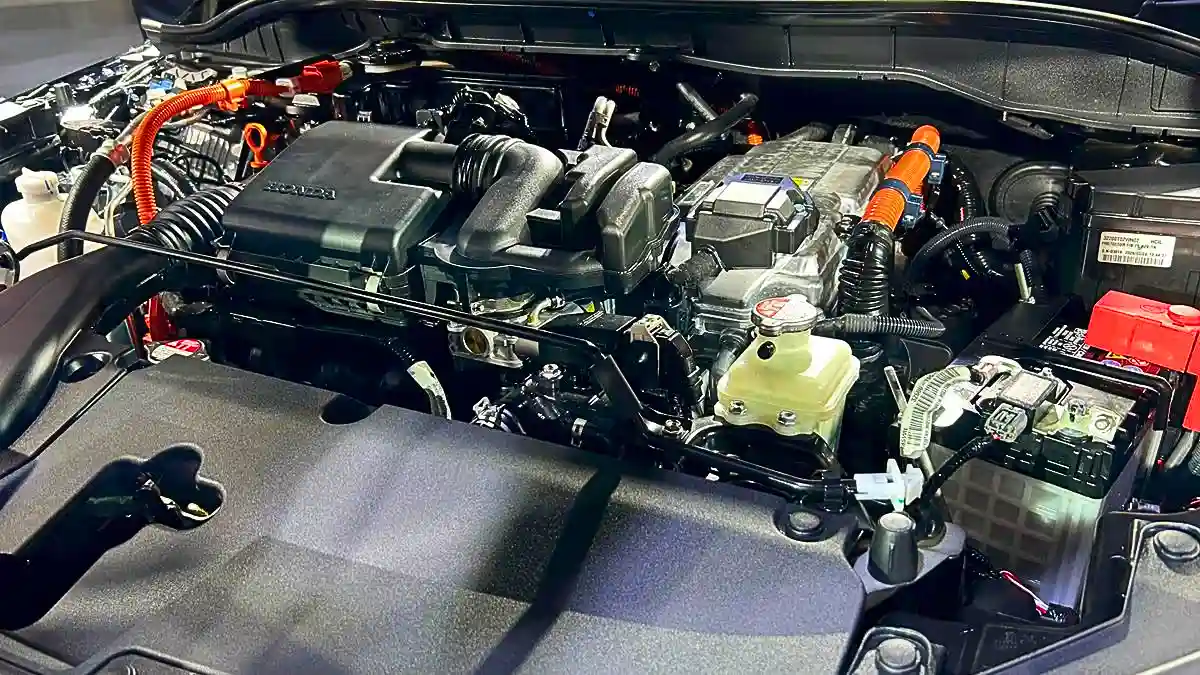
The numbers are respectable: 0- 100 kmph in 7.8 seconds is brisk for a family SUV, but the real story lies in the driving experience. Honda’s hybrid setup isn’t just a fuel-saving afterthought. At low and medium speeds, the electric motors shoulder much of the work, delivering the silent, instant torque response that turbo-petrol rivals cannot match. The transition to engine power is seamless, and the lack of a conventional gearbox means the cabin remains a haven of calm even during energetic overtakes.
This matters because India’s urban premium buyer is changing. Diesel’s regulatory future is uncertain, and educated consumers increasingly value refinement and in-city efficiency over highway cruising range. A hybrid that delivers 18-20 kmpl in real-world traffic without the clatter of compression ignition is a compelling psychological proposition. Honda isn’t just selling a cleaner alternative; it’s selling a quieter, more modern luxury experience.
Design That Whispers, Not Shouts
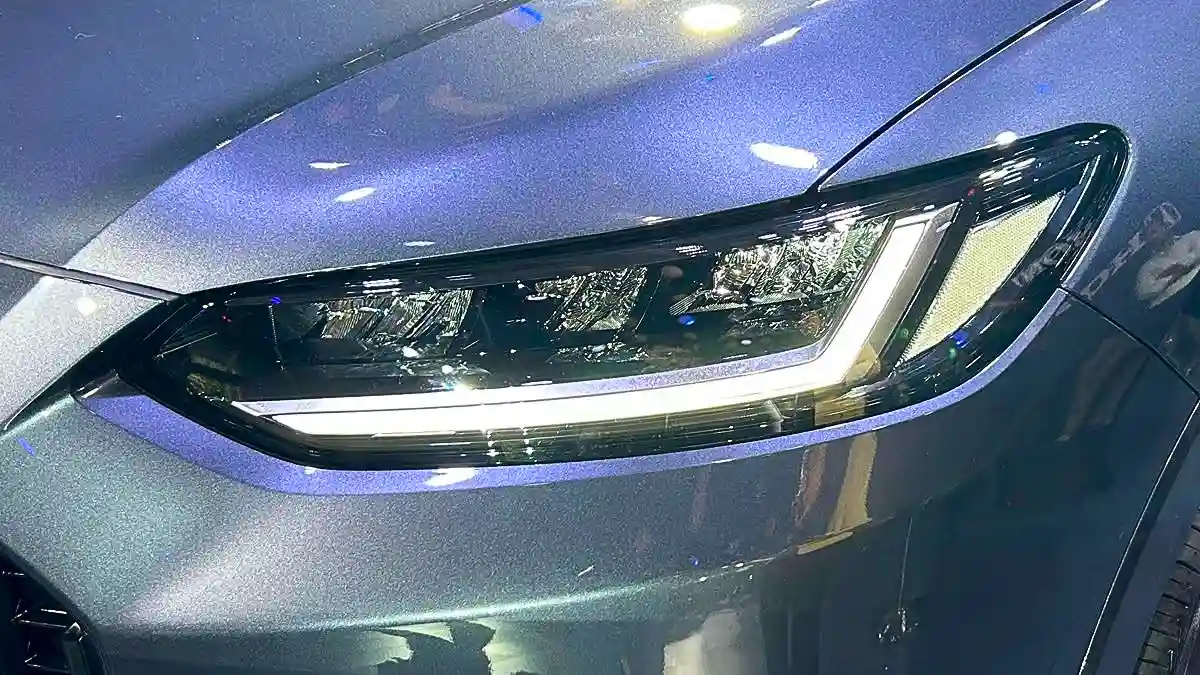
At first glance, the ZR-V exercises restraint. The hexagonal grille, slim LED lighting, and honeycomb lower intakes create a face that’s assertive but not overwrought. It’s a global design language that errs on the side of longevity, a car that will still look composed five years from now.
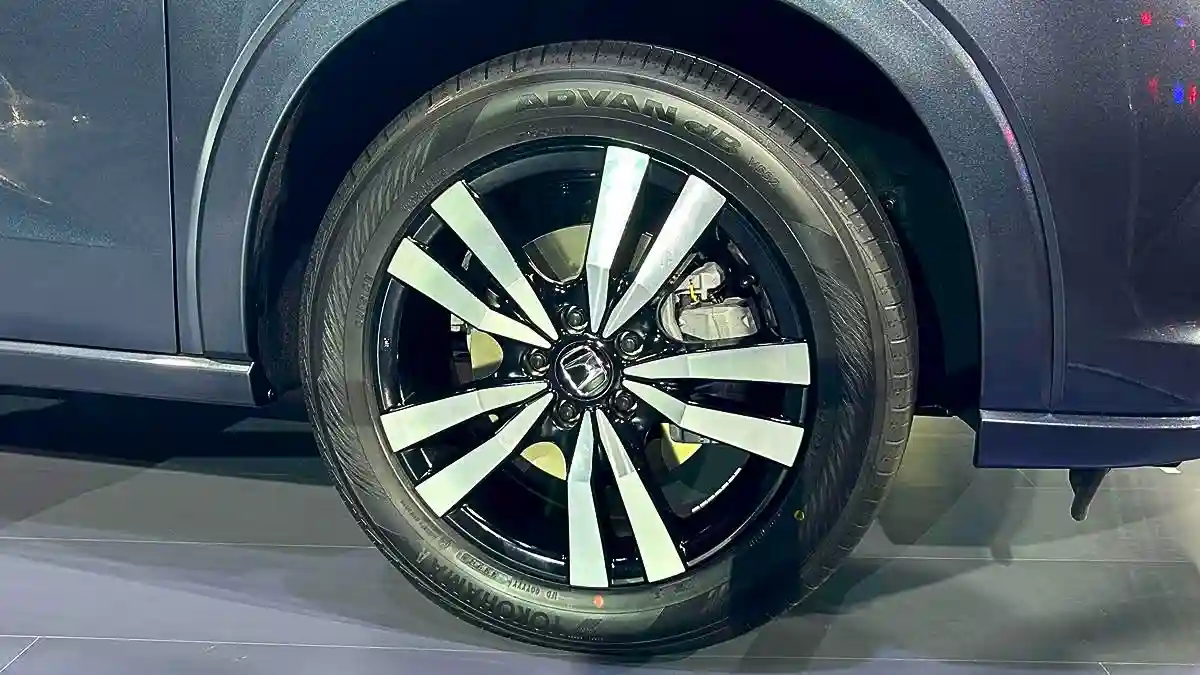
What’s more interesting is the profile. A long front overhang and gently sloping roofline lend the SUV a crossover-like stance, blurring the line between traditional boxy off-roaders and sleek urban vehicles. The blacked-out pillars and floating roof effect are familiar tricks, but they’re executed with the precision expected of Honda’s Japanese plants. The 18-inch dual-tone alloys fill the arches well, and gloss-black cladding around the lower body gives the ZR-V a planted, hunkered-down appearance.
Dimensionally, the SUV stretches 4,568 mm in length with a 2,657 mm wheelbase, placing it squarely alongside the MG Hector and Tata Harrier in footprint, though its pricing ladder reaches much higher. That length is put to work inside, where the cabin prioritises horizontal space and visual cleanliness.
Inside the Cabin: Physical Buttons Are Back, and That’s a Good Thing
Perhaps the most reassuring aspect of the ZR-V’s interior is what Honda didn’t do. In an era where screens are swallowing entire dashboards, the Japanese team kept physical climate controls, knobs and buttons that click with tactile certainty. A sleek mesh strip stretches across the dash, cleverly hiding air vents while lending architectural interest. Brushed silver accents on the centre console and door handles prevent the all-black cabin from feeling monotonous.
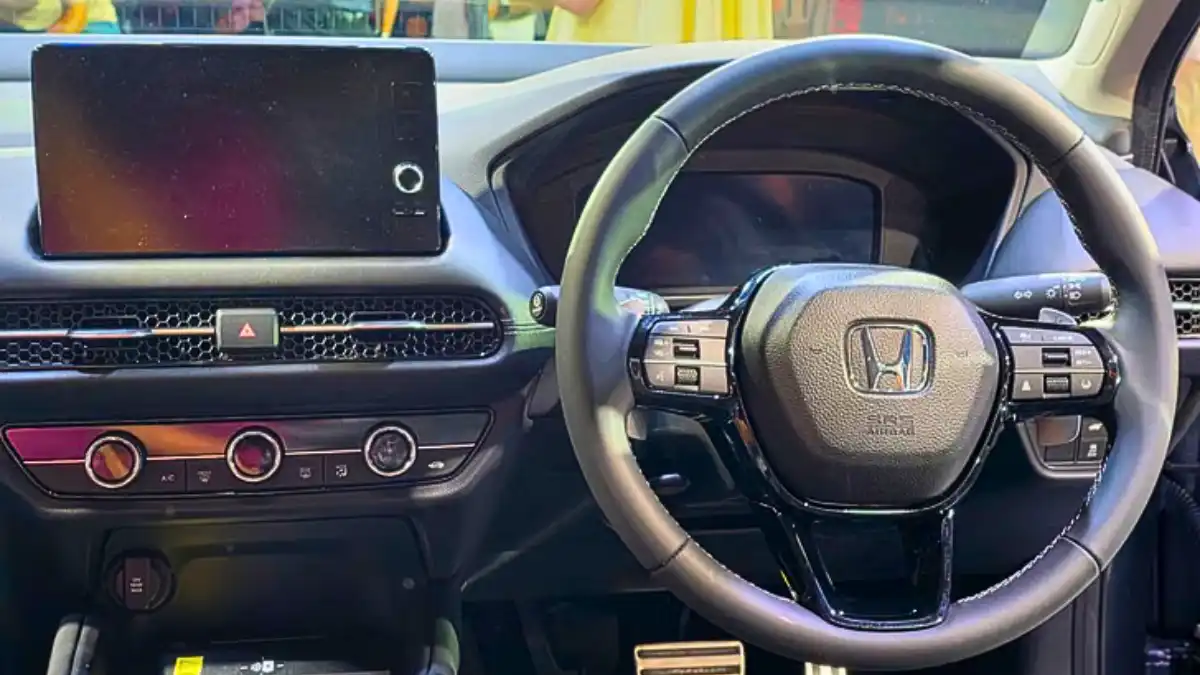
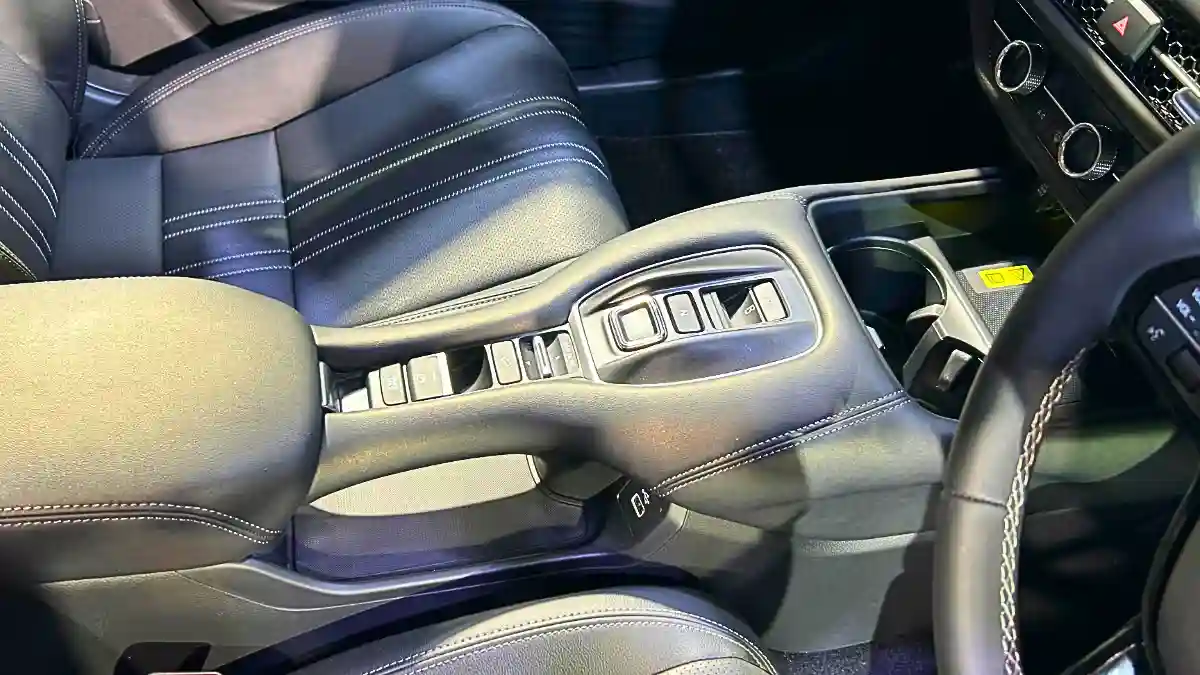
The gear selector has been replaced by a button array, freeing up space and reinforcing the hybrid’s tech-forward identity. A 9-inch touchscreen handles infotainment duties, while a 10-inch digital instrument cluster puts essential driving data directly in the driver’s line of sight. Wireless Android Auto and Apple CarPlay come standard, alongside a 12-speaker Bose system, a wireless charger, ambient lighting, and dual-zone climate control. The panoramic sunroof and powered tailgate are expected at this price point, but the inclusion of an air purifier signals an understanding of Indian urban conditions that some European rivals still miss.
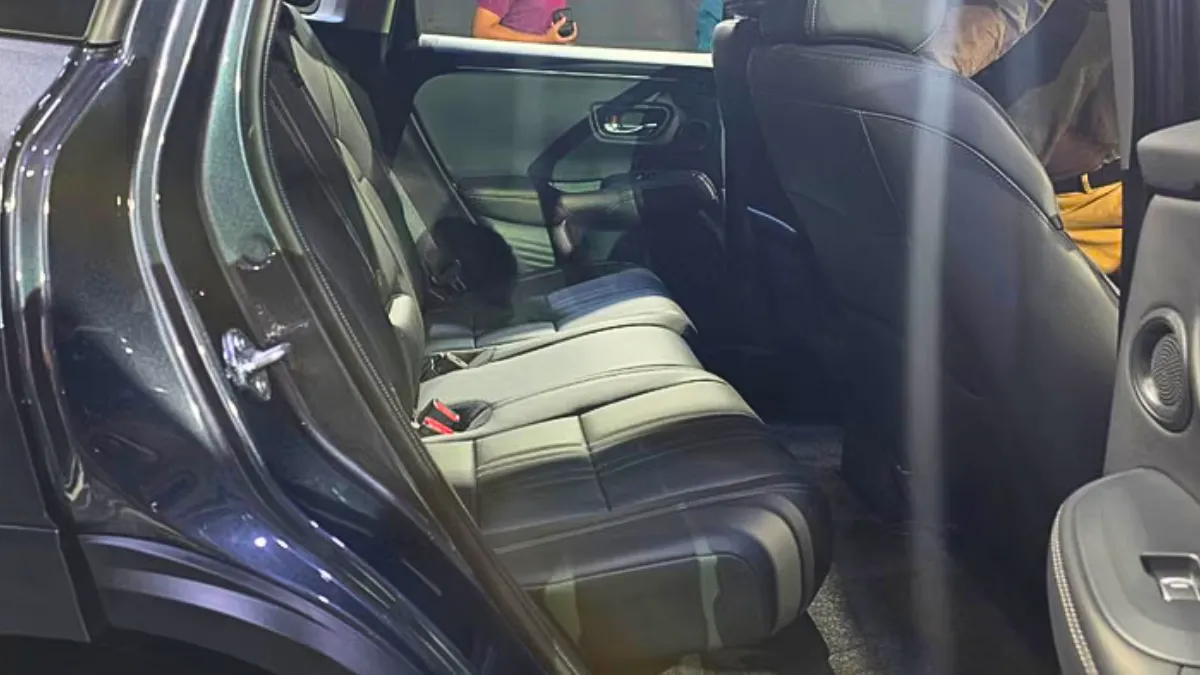
Seat comfort is another area where Honda’s experience shows. The 8-way powered driver’s seat and 4-way powered front passenger seat offer support designed for long hours, and rear passengers get generous legroom thanks to the wheelbase. This is a five-seater that doesn’t pretend to be a seven-seater, and it’s all the better for that honesty.
Safety and Assistance Tech: The Four-Star Benchmark
The ZR-V arrives with a four-star Euro NCAP rating earned in 2023, a solid score that reflects a comprehensive safety package. Eight airbags, electronic stability control, a 360-degree camera, tyre pressure monitoring, and front and rear parking sensors are all standard. What elevates the offering, however, is the inclusion of Level-2 ADAS (advanced driver assistance systems), which bundles adaptive cruise control, lane-keeping assist, and autonomous emergency braking.
In the Indian context, ADAS remains a nascent technology, often misunderstood by buyers and challenged by erratic traffic. But its presence serves a dual purpose: it offers genuine safety benefits on highways, and it positions the ZR-V as a forward-thinking product. For a family hauler operating primarily on inter-city routes, these systems can meaningfully reduce driver fatigue, a point that Honda’s sales teams would do well to emphasise.
The Rs 40 Lakh Rivalry: Image Versus Substance
The ZR-V’s price band places it in direct confrontation with the Volkswagen Tiguan R-Line, Skoda Kodiaq, and Jeep Meridian. Each brings distinct strengths. The Germans lean on badge prestige and polished turbo-petrol engines; the Meridian offers butch American styling and four-wheel-drive capability. Honda’s weapon is the hybrid powertrain, something none of these rivals currently offer in this segment.
The question is whether Indian buyers at this price point value electrification enough to overlook the lack of a traditional torque-rich engine or a third row of seats. My assessment is nuanced. Early adopters of premium hybrids exist; they’re typically well-travelled, environmentally conscious, and appreciative of reduced running costs. But the broader buyer pool still equates size and diesel muscle with luxury. Honda’s challenge will be to reframe the conversation around efficiency and sophistication rather than outright power. If they can get customers behind the wheel, the driving experience itself might close the deal.
What the ZR-V Signals for Honda’s India Roadmap
Beyond the metal and marketing, the ZR-V is a lens through which to view Honda’s long-game. The company has been conspicuously absent from India’s electric vehicle conversation while rivals flood the market with battery-powered options. The ZR-V suggests a different thesis: that strong hybrids are a more practical bridge technology for a country where charging infrastructure remains patchy and grid electricity is often coal-derived.
If the ZR-V manages to carve out even modest success as a CBU import, the logical next step would be to explore local assembly, bringing the price down and making the hybrid system accessible to a wider audience. That same e:HEV technology could eventually trickle down to the Elevate, creating a hybrid ladder that spans from ₹20 lakh to ₹45 lakh. In that scenario, Honda would have established a clear, defensible identity as the hybrid specialist of mainstream premium India.
The ZR-V also signals that Honda’s product planning has finally shed its conservative skin. Importing a vehicle that hasn’t been tweaked for cost, that doesn’t try to fit every buyer demographic, and that leans into a single, advanced powertrain option speaks of a company learning to trust its instincts again. For a brand that once defined what a modern Indian sedan could be, that’s a welcome return to form. The road ahead is steep, and the competition isn’t standing still. But for the first time in years, Honda looks like it showed up to play.
Also Read – The Hyundai Elantra Hybrid Recall Holds a Loud Lesson for the Electrified Future


Sapna is the storytelling powerhouse of the team. With a sharp eye for detail and a knack for uncovering the human interest side of automobiles, she covers everything from industry launches to feature stories. She believes that every car has a story and every rider has a journey. Her writing is known for its clarity, depth, and ability to connect with the common man.