If you’ve got a growing family or just love that extra breathing room on road trips, here’s some exciting news. The Indian SUV market is about to get a whole lot more interesting. Over the next 12 months or so, five major automakers are gearing up to drop their latest 7-seater SUVs into our driveways. Let me break down what’s coming, when you can expect them, and whether they’re worth getting excited about.
Why the Sudden Rush for 7-Seater SUVs?
Look, India has always loved spacious cars. But after seeing a flood of mid-size SUVs over the last six months, manufacturers have realised something important—families need real third-row space, not just a marketing gimmick. So here are the five upcoming people-movers that actually deserve your attention.
1. Mahindra Scorpio-N Facelift – The Rugged Family Hauler Gets a Glow-Up
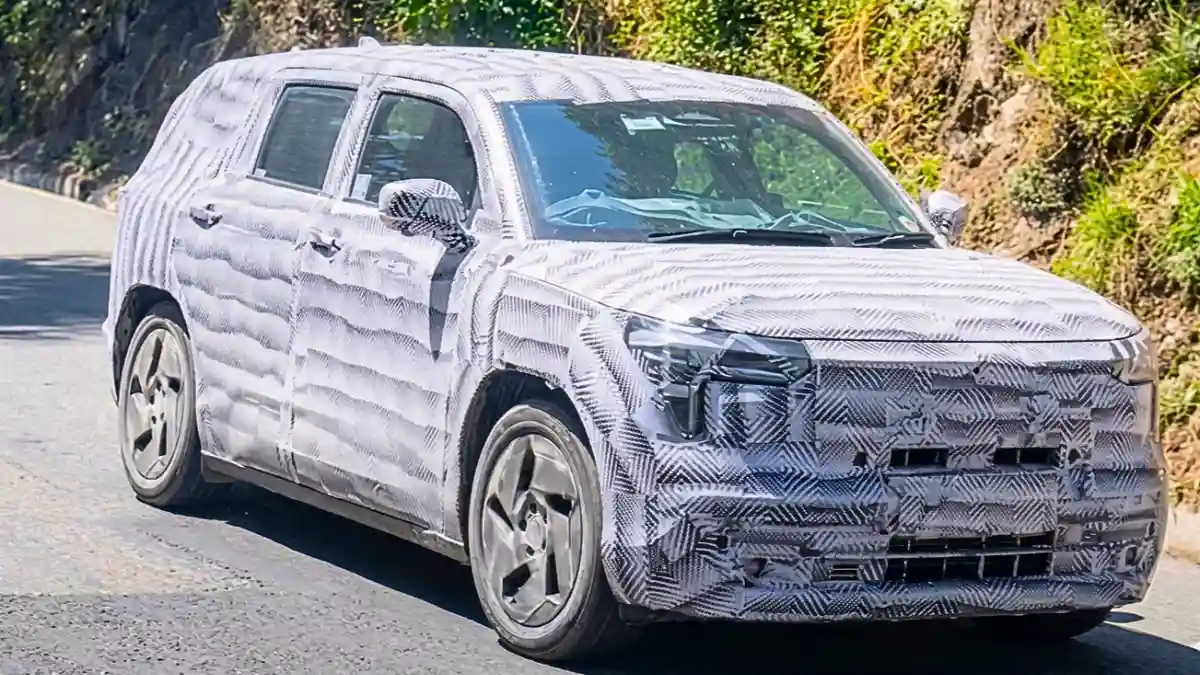
The Scorpio-N has been a proper success story since its June 2022 launch. Now, Mahindra is preparing a mid-cycle refresh, and spy shots are already floating around online.
What’s changing? Expect a revised radiator grille, tweaked bumpers, fresh headlamp graphics, and a redesigned lower air intake. Inside, Mahindra is finally jumping on the big-screen bandwagon with a 10.25-inch digital instrument cluster and a matching 10.25-inch touchscreen infotainment system.
What’s staying the same? The mechanical bits. And honestly? That’s fine. The current Scorpio-N already punches above its weight. You’ll still get the standard seven-seat layout with a six-seat option available.
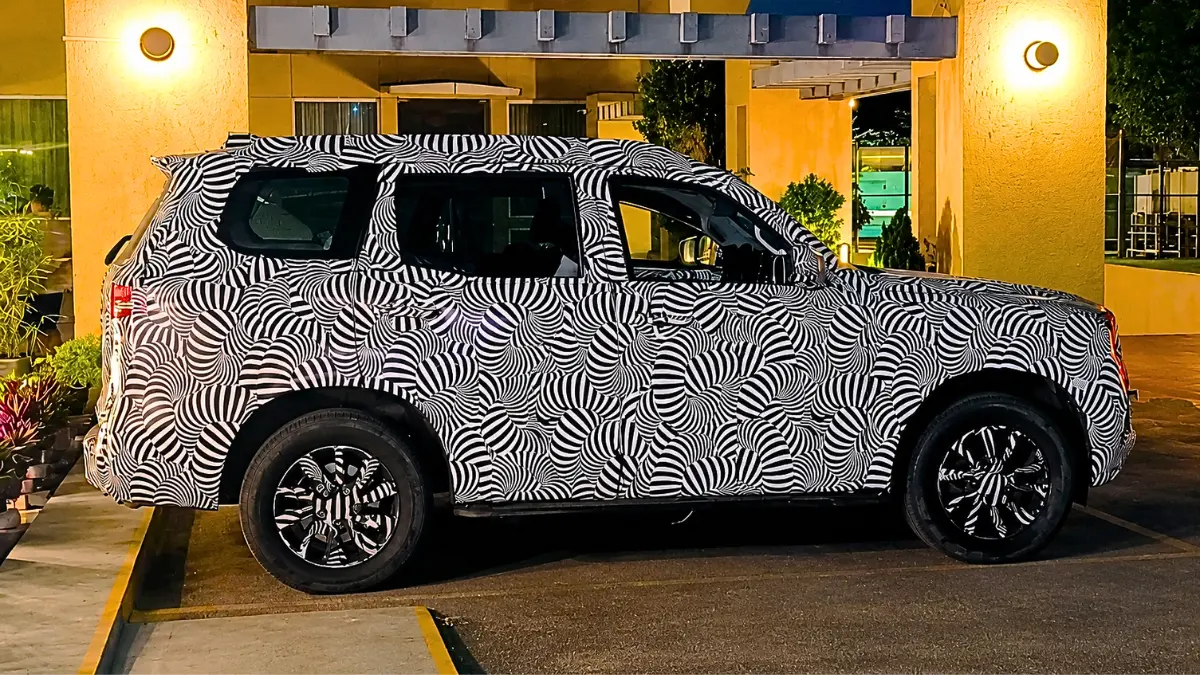
My take: If you need a proper ladder-frame SUV that can handle bad roads while carrying your entire extended family, this facelift is worth waiting for.
2. Tata Safari.ev – India’s First Electric 7-Seater SUV?
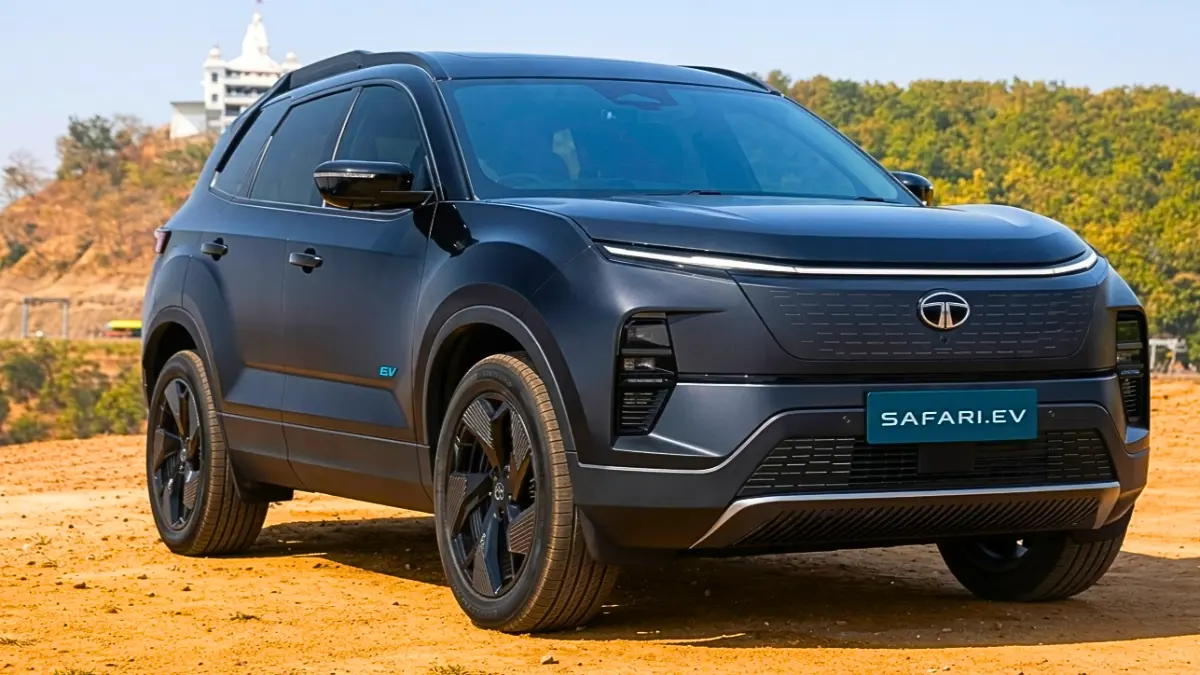
Tata already gave us the Harrier.ev last year. Now it’s the Safari’s turn, and this one’s personally got me intrigued. Launching around October this year, the Safari.ev will likely come in both six and 7-seater SUVs configurations.
The powertrain details that matter: Tata will offer a single-motor RWD putting out 235 hp and 304 Nm of torque, paired with a 65 kWh LFP battery. Want more? There’s a dual-motor AWD variant packing 390 hp and up to 504 Nm of torque, with a 75 kWh battery as standard.
Range anxiety? Tata claims the Safari.ev could manage around 600 kilometres on a full charge. Real-world figures will obviously be lower, but that’s still impressive for a three-row electric SUV.
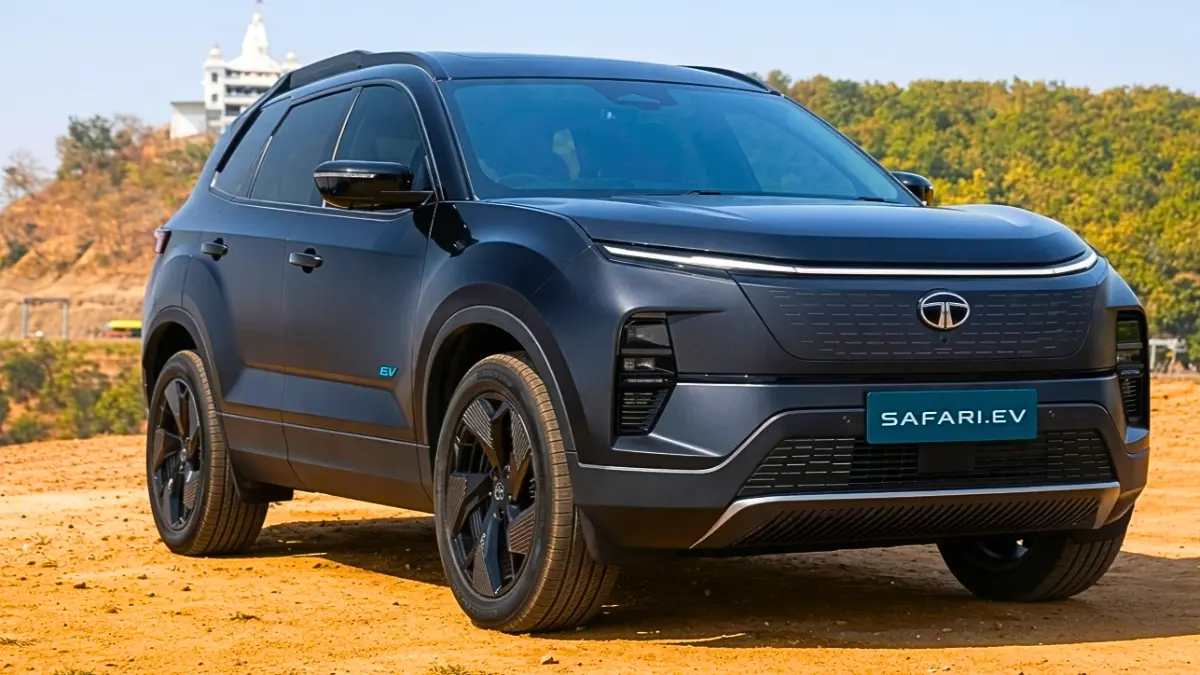
My take: This could be a game-changer for eco-conscious families who don’t want to compromise on space. Just keep an eye on real-world range reviews before jumping in.
3. Renault’s Mystery 7-Seater – The Duster’s Big Brother
Renault is quietly working on a larger three-row SUV based on the new Duster platform. Expected around late 2026, this one targets families who want something more elegant than off-road aggressive.
Under the hood: A 1.3-litre turbo-petrol churning out 161 hp and 280 Nm of torque. There’s also a hybrid variant coming, using a 1.8-litre direct-injection petrol engine.
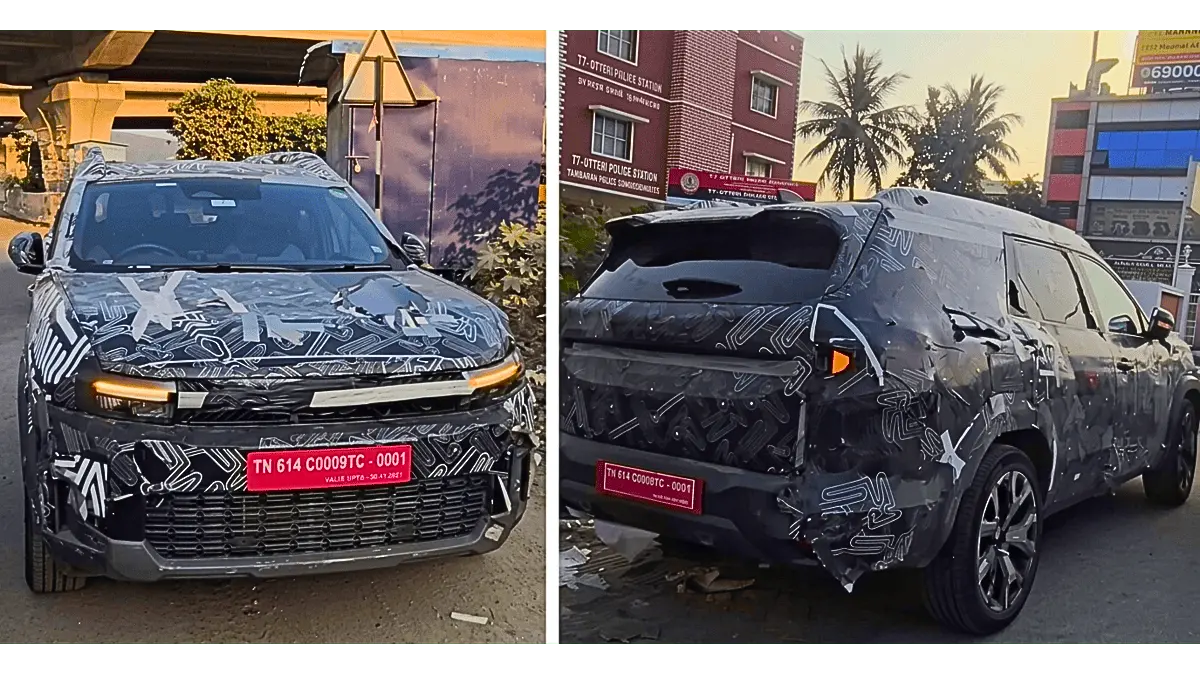
My take: Renault has a habit of offering great value for money. If they price this right, Hyundai and Kia should be nervous.
4. Nissan’s Upcoming 7-Seater – The Sharper Sibling
Here’s where things get interesting. Nissan will launch its own version of Renault’s seven-seater, probably arriving in early 2027. Think of it as the edgier, more aggressive-looking cousin.
What to expect: A completely different exterior with sharper lines, but the interior and mechanical bits will be nearly identical to the Renault. Same engines, same platform, different badge.
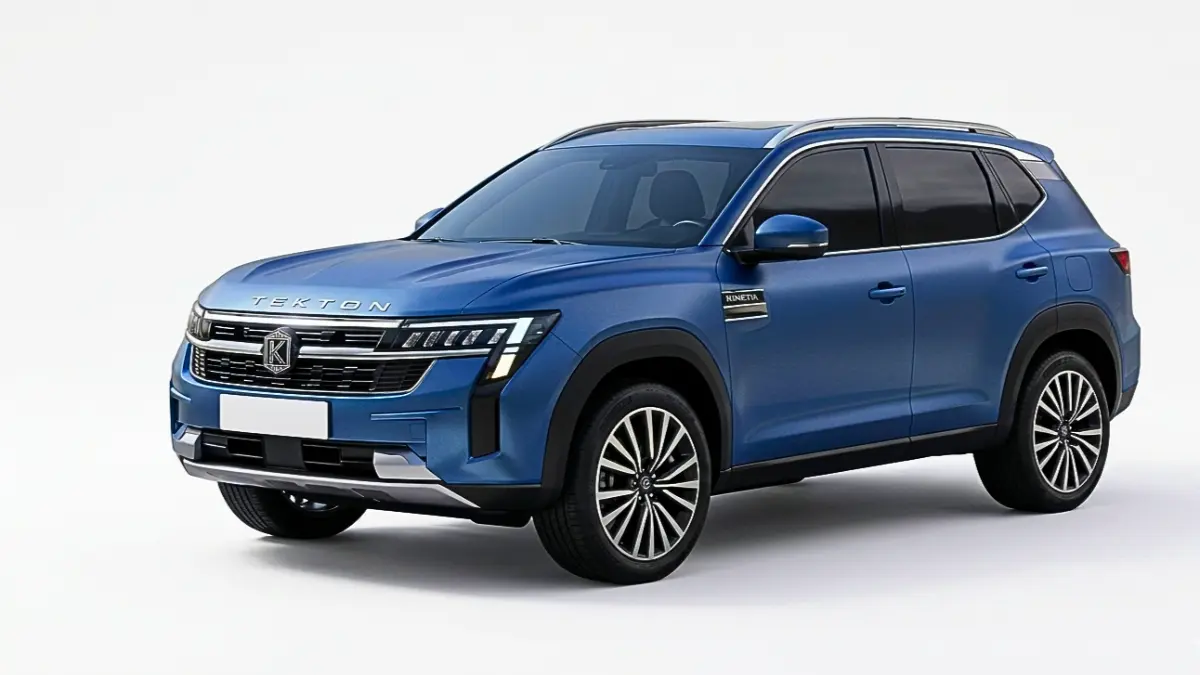
My take: If you prefer Nissan’s design language and don’t mind paying a slight premium for the brand, wait for this one. Otherwise, the Renault will likely offer better value.
Also Read – Maruti Suzuki Swift Hydrogen Prototype: 134 HP & 220 Nm – Future Tech or Just a Flex?
5. Next-Gen Toyota Fortuner – The King Gets a Crown Upgrade
The Fortuner has ruled the premium 7-seater SUVs segment in India for years. The third-generation model is expected in the second half of 2026, with an Indian arrival likely in early 2027.
The upgrade list is seriously impressive:
- 12.3-inch digital instrument cluster
- 12.3-inch touchscreen infotainment
- Electric power steering (finally!)
- Ventilated front seats (game-changer for Indian summers)
- Panoramic sunroof
- Level 2 ADAS
The catch? Engine and transmission options remain unchanged from the current model. But honestly, when something isn’t broken, don’t fix it.
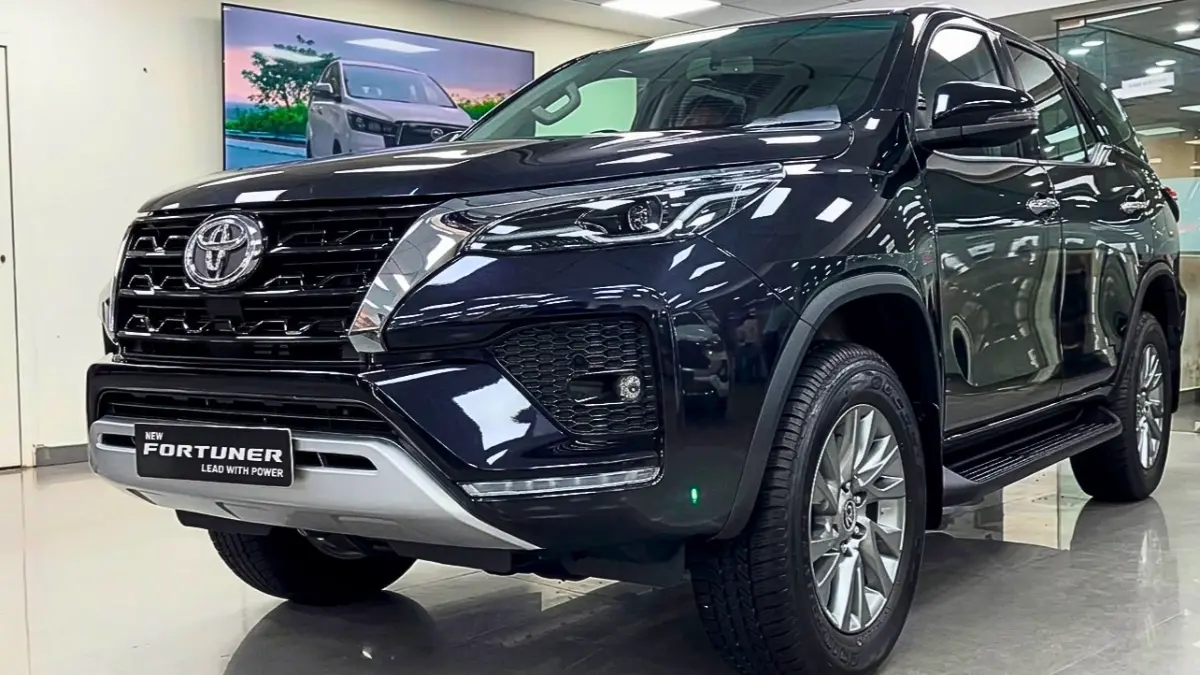
My take: If you’ve got the budget and want the most desirable three-row SUV on Indian roads, just wait for this one. The old Fortuner already holds its value ridiculously well—this new one will be even better.
Which 7-Seater SUV Should You Actually Wait For?
Here’s my honest advice as someone who’s driven pretty much everything in this segment:
- On a budget but need ruggedness? Wait for the Mahindra Scorpio-N facelift
- Want to go electric? The Tata Safari.ev is your only real option right now
- Value-conscious family? Keep an eye on Renault’s pricing
- Love sharp design? Nissan might be worth the wait
- Have the money and want the best? The new Fortuner, without question
Look, the next 12-18 months are going to be fantastic for anyone shopping for three-row SUVs in India. Each of these five brings something different to the table. My suggestion? Test drive at least three of them before making a decision. Your family’s comfort on those long highway drives depends on it.
What do you think? Are you waiting for any of these, or is there another SUV I missed? Drop your thoughts in the comments below.
Also Read – Renault Just Dropped Huge May 2026 Discounts on Kiger, Triber & Kwid – Up to ₹88,500 Off!

Rohit is the visionary behind CarBikeJunction. With over a decade of experience in automotive journalism and a deep love for mechanical engineering, he ensures that every piece of content that goes live meets the highest standards of quality and accuracy. As Editor-in-Chief, he oversees the editorial direction of the website and is often found test-driving the toughest SUVs or analyzing market trends. His leadership is the driving force behind our platform.