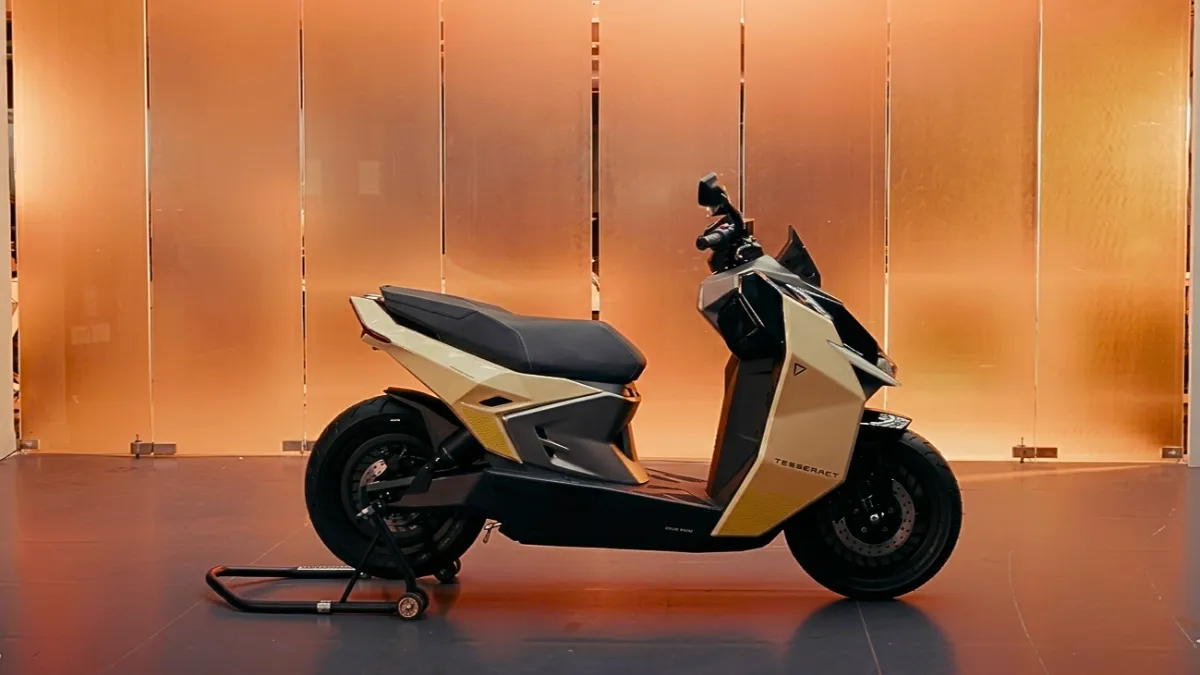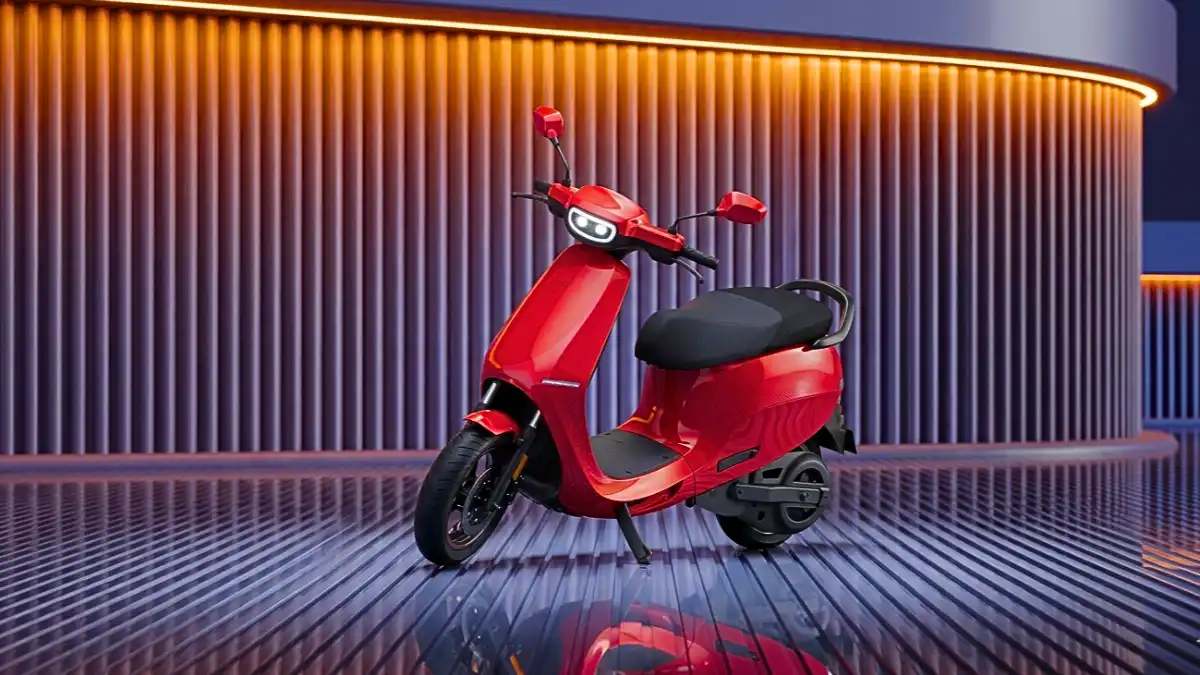
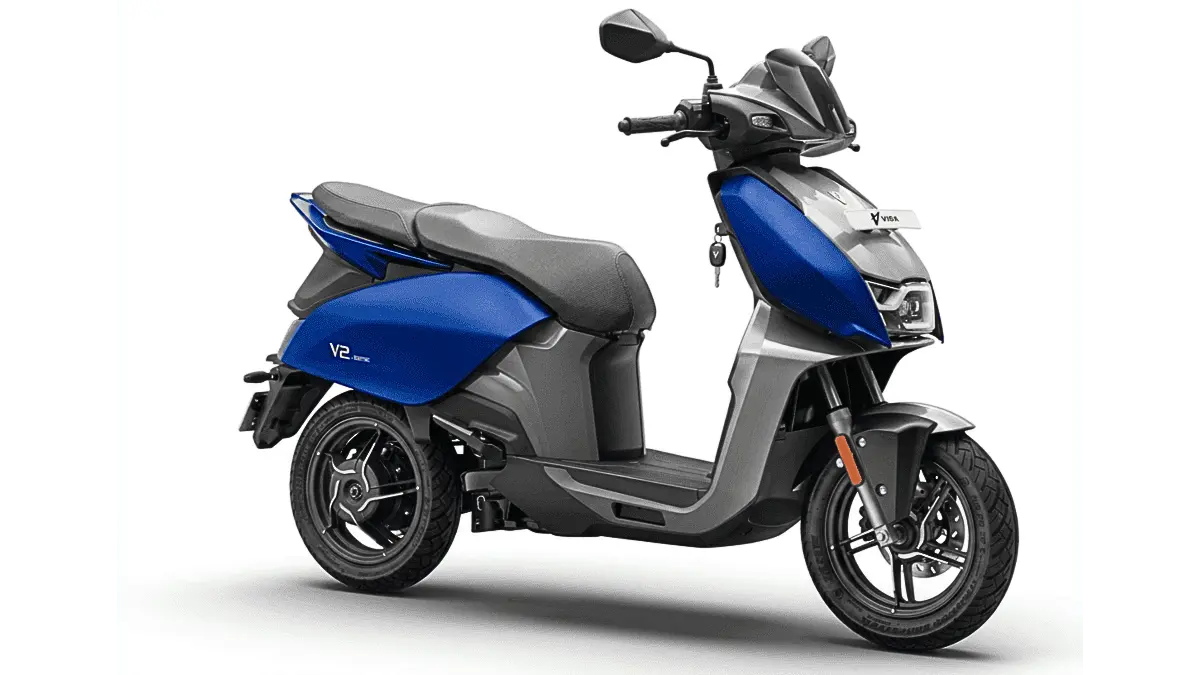
If you’ve been waiting for an electric scooter that doesn’t make your wallet cry, here’s the news you’ve been hoping for. Hero MotoCorp is gearing up to drop a fixed-battery Vida e-scooter under the ₹1 lakh mark around August 2026, and honestly, this could be the most important two-wheeler Hero’s EV arm has ever put on the road. I’ve been tracking their electric journey closely, and this move feels like the moment affordable mass-market electric mobility finally gets real.
A Mass-Market Electric Scooter That Finally Gets the Price Right
Let’s talk about what we know so far. Hero MotoCorp is building this affordable electric scooter around a 3.8 kWh battery pack, and the big idea is dead simple—target the millions of daily commuters who are still holding on to their petrol scooters simply because electric options have been too expensive. By breaking the psychological ₹1 lakh barrier, the brand is taking direct aim at the very segment where the next wave of EV adoption will come from.
It’s a clever play. Most entry-level EV scooters today either feel compromised in range or push the price beyond what a budget-conscious buyer is willing to pay. Hero seems to have figured out the sweet spot: a fixed battery that keeps costs down, enough juice for a realistic daily commute, and the kind of pricing that makes you genuinely compare the running costs versus a petrol scooter.
The Bigger Picture – Where That ₹1,500 Crore Is Really Going
Now, don’t think this scooter launch is a standalone experiment. Hero MotoCorp’s board has committed a massive over ₹1,500 crore in capital expenditure for FY27 alone. That money is being pumped into EV capacity expansion, new product development, ICE scooter production, connected vehicle platforms, and even stuff like GenAI-driven customer interfaces and flex-fuel powertrain options. I rarely see a legacy manufacturer spread its bets so wide while keeping a clear EV focus. It’s a serious statement.
And it doesn’t stop there. Another ₹700 crore is earmarked for a second global PATH centre in southern India, which will consolidate its aftermarket and accessories business. For you and me, that translates to better service, support and genuine accessories availability as the EV network grows. Small things, but they make a huge difference when you’re actually living with an electric scooter.
Ramping Up Production – The Numbers That Matter
If you’re wondering whether Hero can actually meet demand, the production ramp-up numbers tell a confident story. Monthly EV manufacturing capacity has already been scaled from 15,000 to 25,000 units, and I’m hearing it’s set to increase by another 50 per cent within just a few weeks. Over at the Sri City facility in Andhra Pradesh, the target is to roll out 2.8 lakh electric two-wheelers through FY27, which is a solid jump from the 1.48 lakh units they produced in the last fiscal.
What really caught my eye is the annual Vida production capacity being built towards 6.6 lakh units. If they hit that, Hero MotoCorp’s EV facility would be one of the largest dedicated electric two-wheeler manufacturing bases in the country. For context, that kind of scale doesn’t just lower costs—it also improves parts availability and after-sales trust.
Why Hero Is Pushing So Hard Right Now
To understand why the company is pouring this much firepower into Vida, take a quick look at the brand’s recent performance. In FY2026, Vida registrations touched around 1.44 lakh units, pushing its market share to a decent 10.3 per cent in the electric two-wheeler space. And here’s the kicker: in April 2026 alone, dispatches grew a whopping 129 per cent year-on-year. That was the fastest growth rate among the top five EV brands that month. When you see momentum like that, doubling down makes perfect business sense.
So the upcoming sub-₹1 lakh scooter isn’t just a product launch—it’s the logical next step after proving that people actually want what Vida is building. And with a 3.8 kWh battery pack at a mass-market price, the value proposition becomes incredibly hard to ignore.
What’s Coming Next – Electric Motorcycles and ICE Muscle
Beyond this affordable scooter, Hero MotoCorp has two electric motorcycles lined up for 2027: the Lynx, designed for off-road use, and the Ubex. While details are still under wraps, the fact that they’re starting with an off-road-oriented EV tells me the brand is playing the long game and trying to build a diverse EV portfolio rather than rushing generic commuters.
On the internal combustion side, they aren’t tapping the brakes either. The Destiny scooter’s production capacity has been raised by 50 per cent, and the Zoom’s capacity is being doubled. In a market still dominated by petrol power, keeping those models fresh and readily available ensures Hero doesn’t lose the bread-and-butter customer while transitioning toward electric.
The Honda Rivalry Gets More Interesting
And while we’re on numbers, let me drop the final stat that’s been buzzing in industry circles. Hero MotoCorp closed FY2026 with total sales of 6.07 million units compared to Honda’s 5.75 million—a gap of over 3.1 lakh vehicles. That’s significant, especially after both brands came unusually close in FY2025. It shows that even as Hero charges ahead with EVs, its conventional business is still delivering, and the overall market leadership remains rock solid.
The takeaway? If you’re in the market for an electric scooter in the next year or so, waiting until mid-2026 might just be worth it. Hero MotoCorp’s upcoming Vida launch looks set to offer the kind of pricing, production scale, and dependable after-sales support that could finally make electric commuting a no-brainer for the masses. I’ll keep my ear to the ground for more details—drop your thoughts below, and let me know whether a sub-₹1 lakh e-scooter would get you to finally switch lanes.
Also Read – Top 5 Electric Scooters in India Under 1 Lakh (2026 Guide)

Sapna is the storytelling powerhouse of the team. With a sharp eye for detail and a knack for uncovering the human interest side of automobiles, she covers everything from industry launches to feature stories. She believes that every car has a story and every rider has a journey. Her writing is known for its clarity, depth, and ability to connect with the common man.