


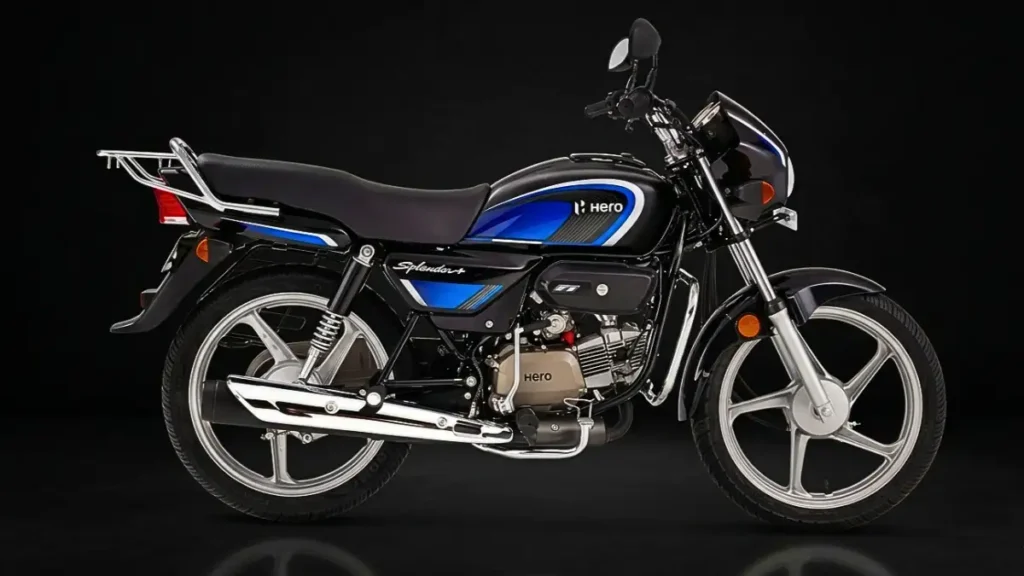

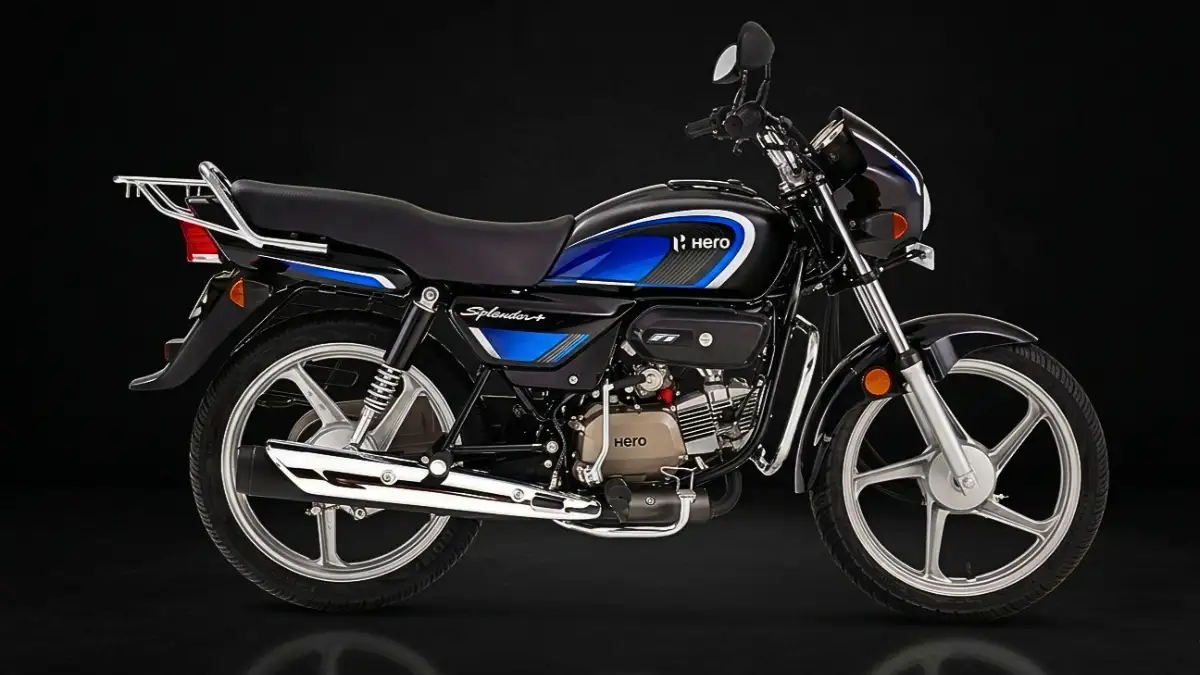
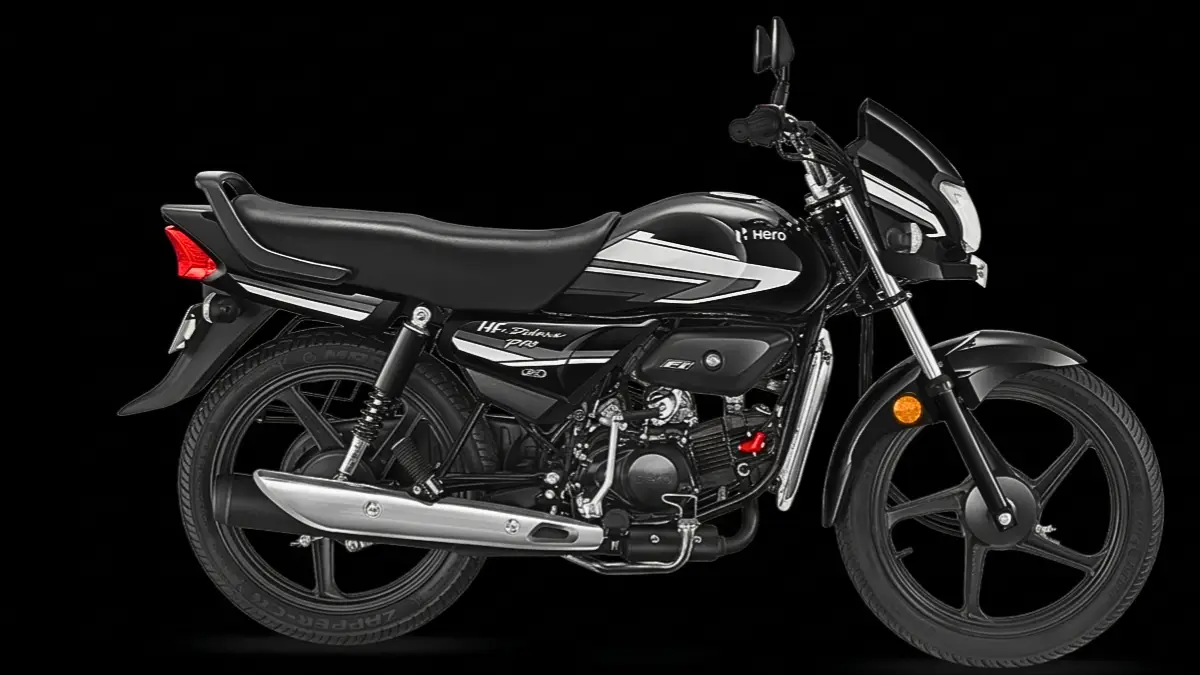
The Hero flex fuel motorcycle isn’t a concept or a limited edition. It’s the Splendor and the HF Deluxe, the two models that define daily commuting for tens of millions of Indians.
If you want to understand India’s energy transition on two wheels, forget the electric scooters outside co-working spaces in Bengaluru. The real story is happening on the kind of roads where a Splendor is not a lifestyle choice; it is the only practical one. Hero MotoCorp’s decision to build a Hero flex fuel motorcycle around its most popular nameplates is not a product launch. It is an infrastructure decision.
The Splendor+ Flex Fuel and HF Deluxe Flex Fuel are now the first Hero flex fuel motorcycles in the sub-100 cc commuter segment, a category so large in India that shifting even a fraction of it away from pure petrol changes the national fuel consumption picture in measurable ways.
“A Hero flex fuel motorcycle that sells in Splendor volumes isn’t a demonstration project, it’s infrastructure-level change.”
What makes a Hero flex fuel motorcycle different from a standard commuter
Both models run on any ethanol blend between E20 and E85, a range that makes them genuinely practical across India’s uneven ethanol supply network. A flex-fuel motorcycle restricted to only E85 would strand its rider the moment they travel beyond a well-supplied pump. The E20-to-E85 compatibility solves this problem at the design level.
Hero’s engineers at the Centre for Innovation and Technology in Jaipur achieved this with a revised ECU, upgraded fuel delivery components, and recalibrated injection mapping. Ethanol combusts differently from petrol; it burns cooler, needs a higher air-fuel ratio, and places different demands on fuel system materials over time. A Hero flex fuel motorcycle that works reliably across the full spectrum required real engineering, not just a software patch.
- Engine: 97.2cc
- Peak power (E85): 8.45hp
- Peak torque: 8.3 Nm
- Fuel range: E20-E85
Also Read – BMW M 1000 RR Isle of Man TT Edition: A 115-Unit Ode to the Mountain
Hero flex fuel motorcycle price: does the premium make sense?
In the commuter segment, every rupee counts. The Hero flex fuel motorcycle pricing is positioned carefully, with meaningful premiums over standard variants, but not prohibitive ones.
HF Deluxe Flex Fuel: ₹72,792 (Ex-showroom, Delhi)
Splendor+ Flex Fuel: ₹82,710 (Ex-showroom, Delhi)
For a buyer covering 60–80 km a day, the running cost economics of a Hero flex fuel motorcycle on E85, currently cheaper per kilometre than pure petrol wherever it’s available, can begin recovering the purchase premium within one to two years. That calculation will improve as ethanol supply scales and pump prices stabilise.
Where can you buy a Hero flex fuel motorcycle right now?
The initial rollout of the Hero flex fuel motorcycle range covers Delhi and select regions of Maharashtra from July 2026. These aren’t arbitrary markets. Delhi has the regulatory pressure, and Maharashtra has the sugarcane infrastructure that makes ethanol blending logistics viable. A wider national rollout follows in subsequent months, paced by how quickly ethanol pumping infrastructure expands across the country.
Also Read – The Bullet Grows Up — And Takes Its Biggest Gamble Yet: Royal Enfield Bullet 650
The larger argument: why this Hero flex fuel motorcycle matters beyond the spec sheet
India’s green mobility debate has been dominated by electrification, and rightly so, as a long-term direction. But the Hero flex fuel motorcycle represents something different: a bridge technology for the 140 million households for whom EV range anxiety, charging infrastructure gaps, and upfront cost are not hypothetical concerns but daily realities.
The Splendor and HF Deluxe nameplates have always stood for practical mobility rather than aspiration. A Hero flex fuel motorcycle built on those foundations doesn’t compete with electrification; it handles the transition years while the EV ecosystem catches up to the actual geography and income distribution of India.
If a million Hero flex fuel motorcycles are on Indian roads by 2028, that is not a footnote in the country’s energy story. That is a chapter.
Also Read – The Big Two-Stroke Gamble: Why the Kawasaki KX327 Changes Everything


Rohit is the visionary behind CarBikeJunction. With over a decade of experience in automotive journalism and a deep love for mechanical engineering, he ensures that every piece of content that goes live meets the highest standards of quality and accuracy. As Editor-in-Chief, he oversees the editorial direction of the website and is often found test-driving the toughest SUVs or analyzing market trends. His leadership is the driving force behind our platform.