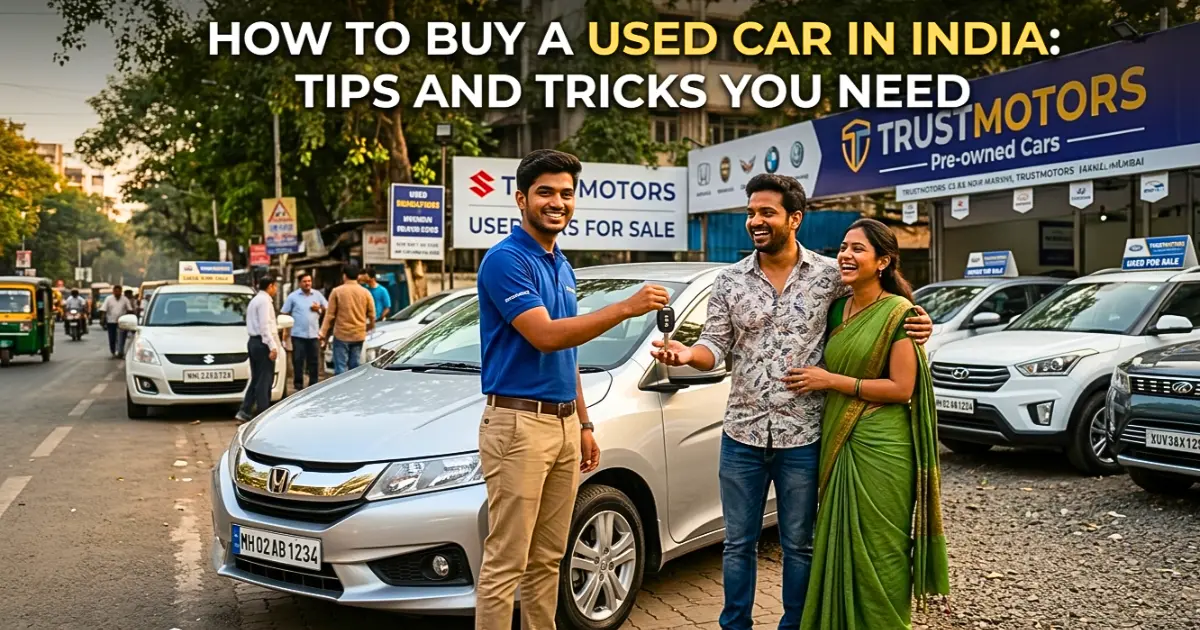
Alright, let’s talk about one of the most exciting yet slightly terrifying adventures: buying a used car. I’ve been there, the endless scrolling online, the nervous excitement of test drives, the fear of getting scammed. It’s a rollercoaster!
But guess what? It doesn’t have to be scary. In fact, snagging a pre-loved car is one of the smartest moves you can make. You get to skip that brutal first-year depreciation hit and drive a way nicer car than you could afford brand new.
So, how do you do it without the headaches? As your friendly neighbourhood car guy, I’ve put together this ultimate guide on how to buy a used car in India: tips and tricks that I’ve learned from my own wins and stuff-ups. Let’s break it down together, step by step, without any confusing jargon.
First Things First: Dreaming vs. Budgeting
I know, I know. Budgeting is the boring part. You’d rather be looking at cool cars! But trust me, skipping this step is like going on a road trip without checking the fuel; you’ll stall out quickly. When you are learning how to buy a used car in India: tips and tricks, understanding the full financial picture is the first real step.
Here’s the real deal: the price on the windshield is not what you’ll actually pay.
- Car Price: This is the big number you agree on with the seller.
- Hidden Stuff: This is what sneaks up on you. You need to budget for:
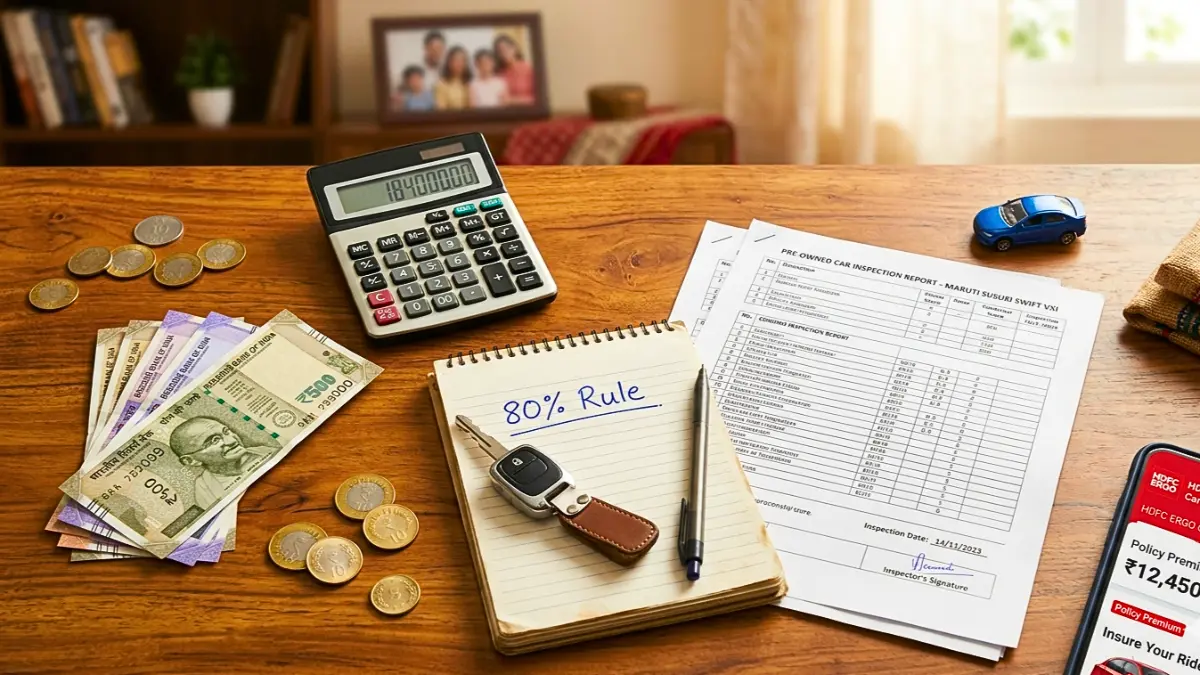
- RTO Transfer & Insurance: Think of this as the car’s admission fee to your name. Set aside at least ₹15,000-₹25,000 for this. It’s a must.
- The “Welcome Home” Service: The first thing you should do is give your new car a full spa day. New engine oil, filters, the works. Budget around ₹5,000-₹10,000 for this. It’s your first step towards peace of mind.
- The “Just-in-Case” Fund: Something might pop up, maybe new tyres or brake pads. Tucking away another ₹10,000 is a smart safety net.
- My golden rule: Aim to spend only about 80% of your total savings on the actual car. The rest is for this “hidden stuff.” You’ll thank me later. Mastering this budgeting trick is a core part of how to buy a used car in India: tips and tricks.
Petrol, Diesel, or Electric? Picking Your Ride’s Diet
This isn’t just about fuel efficiency anymore; it’s about your lifestyle. Your choice here directly impacts your long-term satisfaction, which is why it’s a crucial point in how to buy a used car in India: tips and tricks.
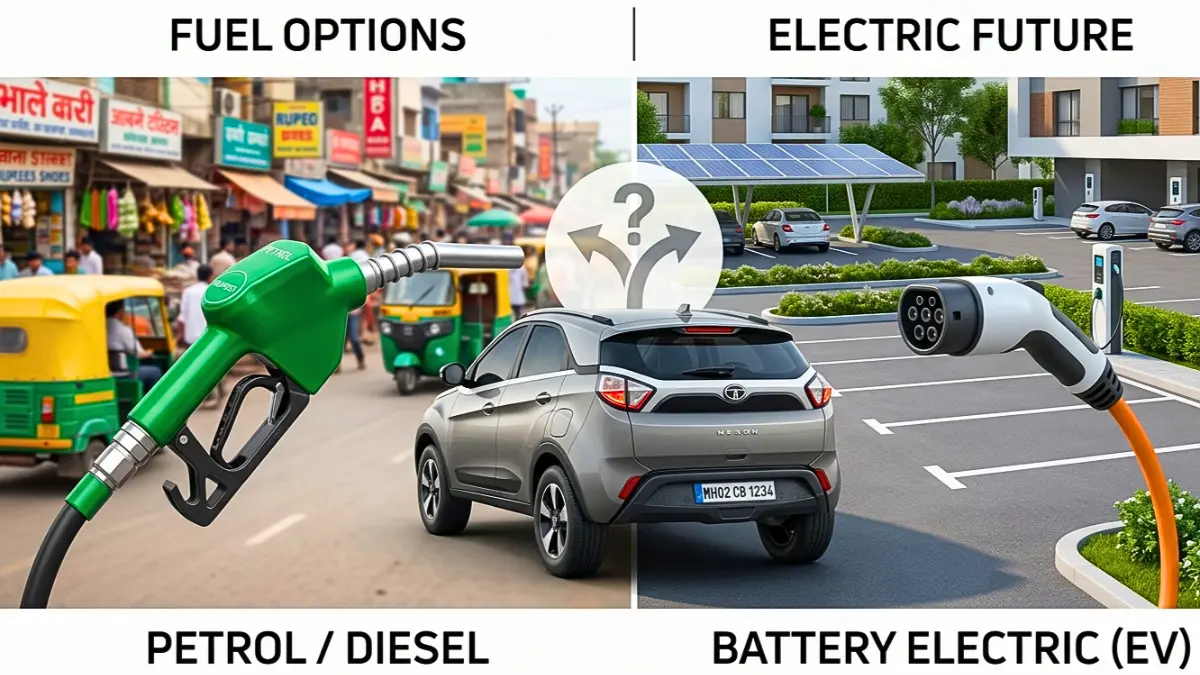
- Petrol: The all-rounder. If your daily drive is mostly city stuff with the occasional highway trip, petrol is your best bud. cheaper to buy and maintain.
- Diesel: The highway king. Only makes financial sense if you’re doing long distances every day (like 80-100 km). They cost more upfront but are frugal on long runs.
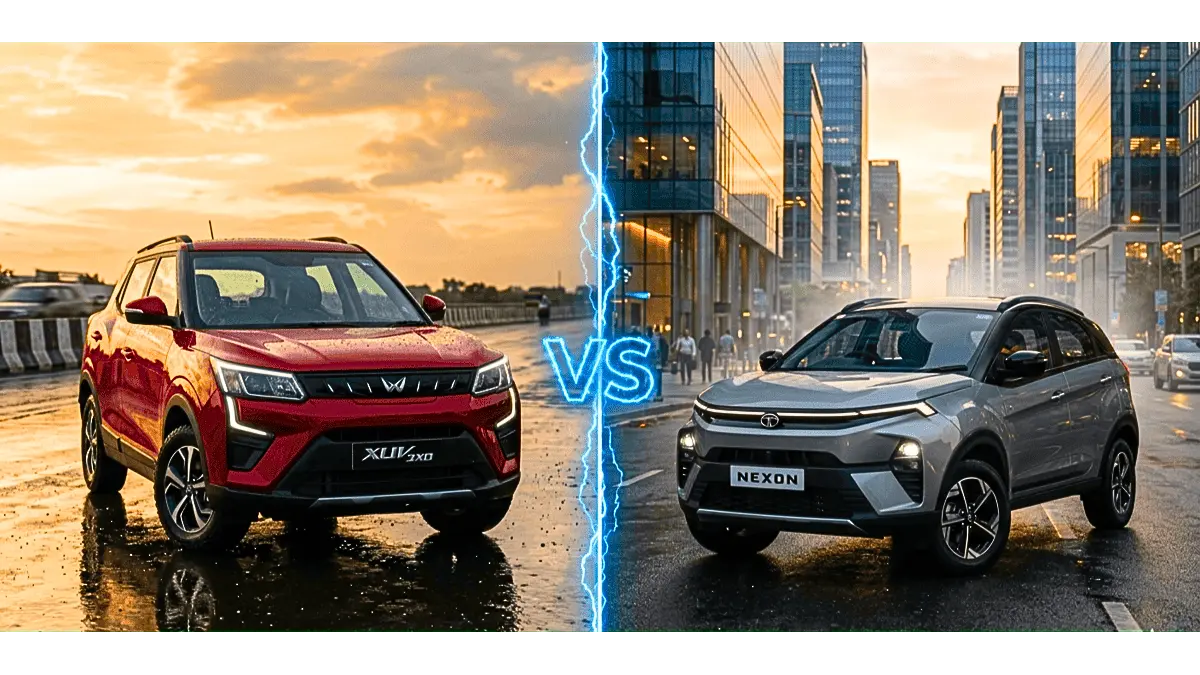
- Electric (EV): The future is here! The used EV market is blowing up. A used Tata Nexon EV can be an absolute steal. But here’s the catch: you must check the battery’s health (like checking a smartphone’s battery life) and make sure you have a place to charge it at home or work.
Where to Actually Find The Car?
Where you look matters almost as much as what you look for. A smart search strategy is essential when you’re figuring out how to buy a used car in India: tips and tricks.
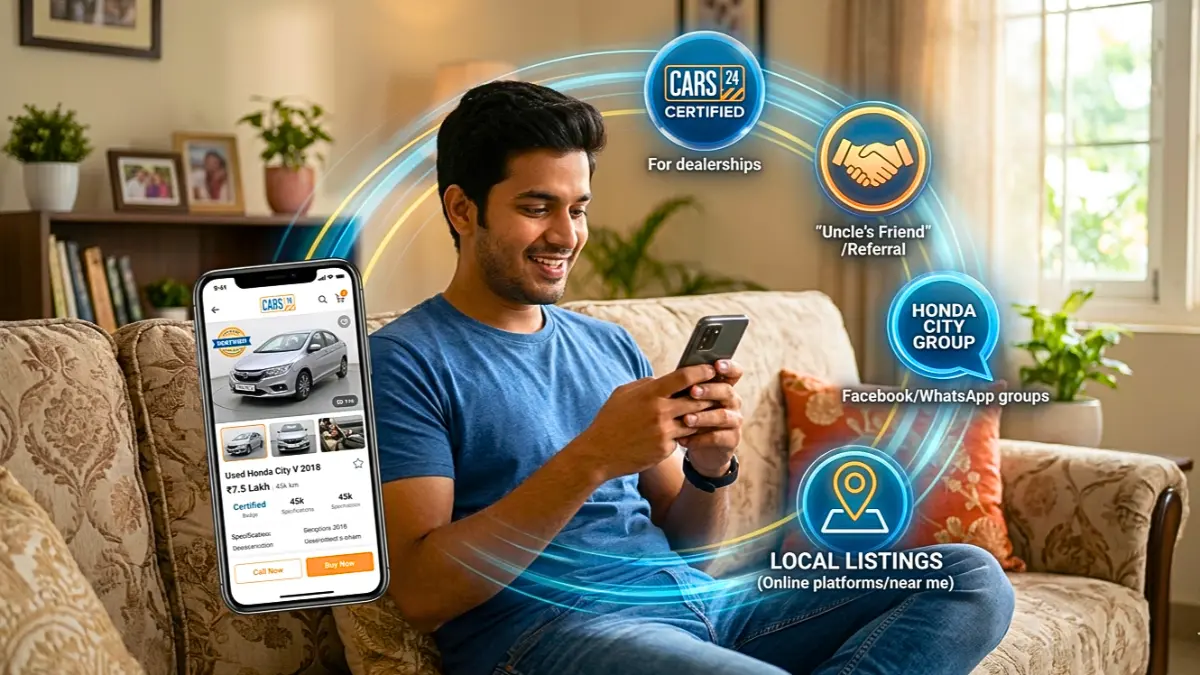
- Online Platforms (Spinny, OLX, etc.): This is where most of us start. It’s convenient, you can filter like crazy, and many offer certified cars. The price might be a bit higher, but the reduced hassle can be worth every rupee.
- Brand Dealerships (Maruti True Value, etc.): Want the closest thing to a new car experience? This is it. They’re usually the most expensive option, but you often get a warranty and a car that’s been properly checked out.
- The “Uncle’s Friend’s Cousin” Special: Don’t underestimate the power of your network! A car from someone you know might not be the cheapest deal, but knowing its history is pure gold.
- Facebook & WhatsApp Groups: Find groups for the specific car model you want (e.g., “Honda City Owners Group”). Enthusiasts often sell their beloved, well-maintained cars here to a good home.
Time to Play Detective: Inspecting Your Future Car
This is the fun part. Put on your detective hat and let’s get looking. This physical inspection is where the theory of how to buy a used car in India: tips and tricks meets the real world.
1. The Eyeball Test (Look it over):
- Paint Job: Check for colour differences between panels. A slightly off-colour door might mean it was replaced after a knock. Look for tiny paint dots on the rubber seal as a sign of a cheap repaint.
- Interior Clues: The driver’s seat, steering wheel, and gear knob tell the true story. A car with 20,000 km on the clock shouldn’t have a steering wheel that’s shiny and smooth from wear.
- Tyre Talk: Check the manufacturing date on the tyre wall (look for a four-digit code like ‘2526’ which means the 25th week of 2026). If a 5-year-old car has brand new tyres all around, it might have driven more than the odometer says.
2. The Feel-Good Test (The Drive):
- Listen to the Cold Start: Start the engine when it’s completely cold. Listen for any weird knocking or rattling sounds that disappear once it warms up.
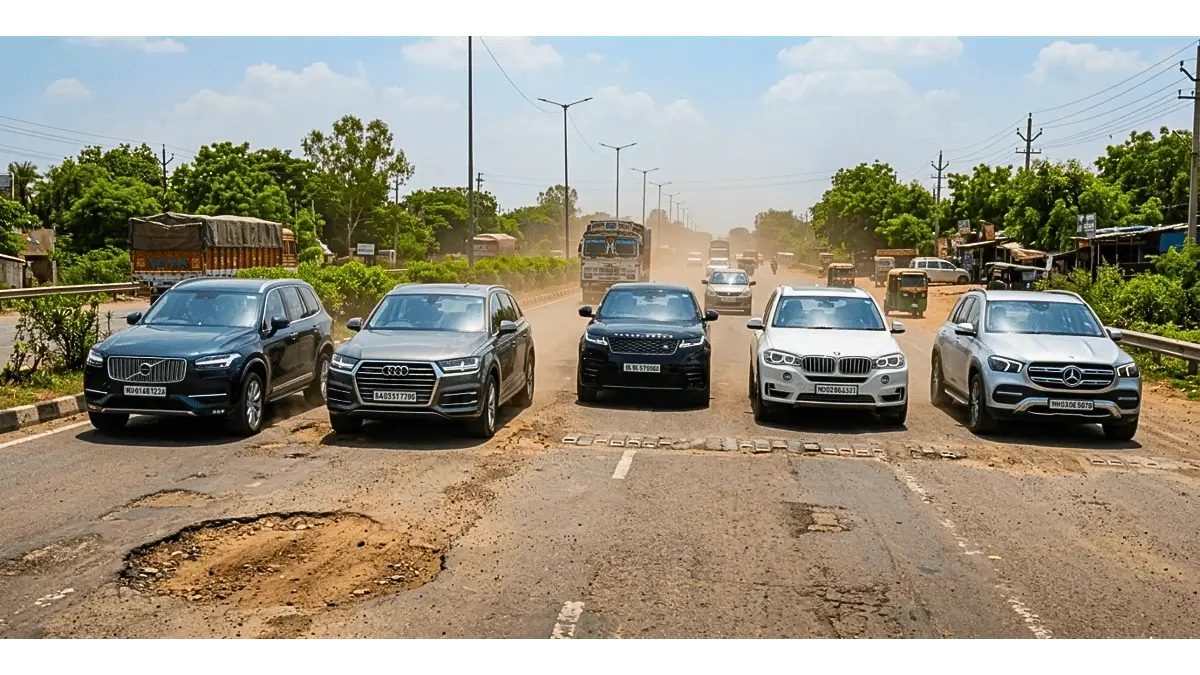
- Take it for a Spin: Drive on a bumpy road to test the suspension (listen for clunks). Get it up to speed on a highway to see if the steering vibrates. Test the AC, the stereo, every single button!
3. The Expert Opinion (Don’t You Dare Skip This!):
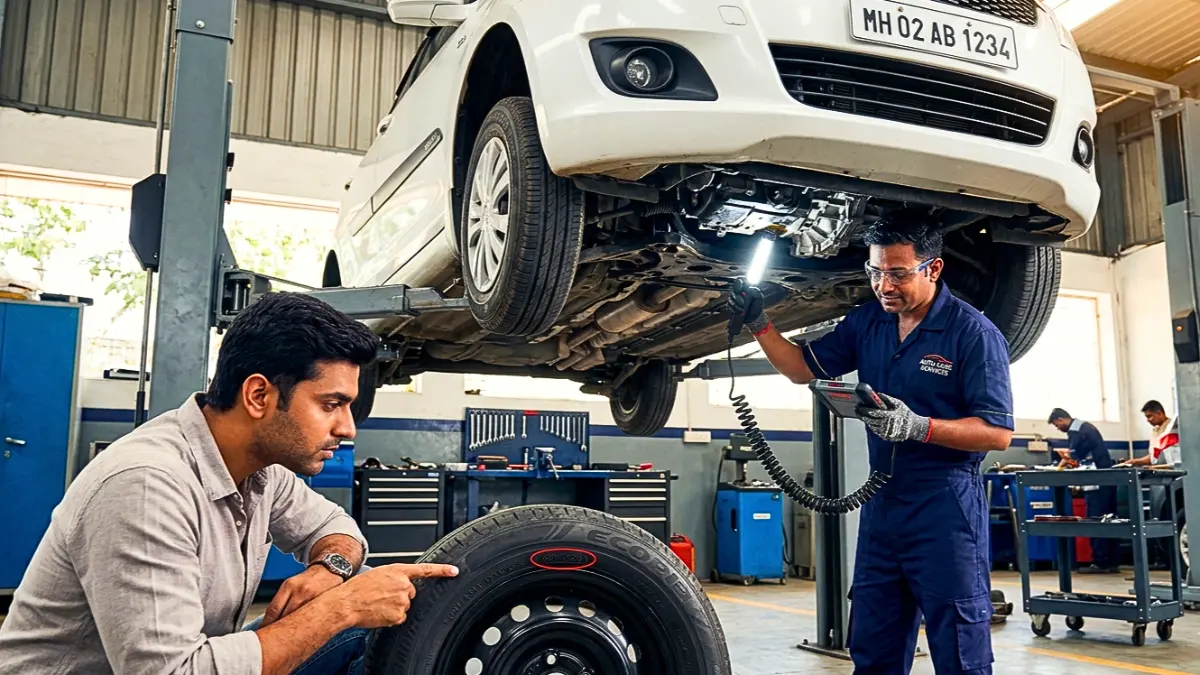
I’ll say it again: Do Not Skip This. For about a thousand bucks, you can hire a mechanic from a service like GoMechanic or even your local trusted garage guy to do a full inspection. They’ll put it on a lift, check for rust, scan the computer for hidden faults, and tell you everything you need to know. This is the best investment you’ll make in this entire process. If you take away only one piece of advice from how to buy a used car in India: tips and tricks, let it be this.
4. For EVs:
Your main question is, “What’s the battery health?” Ask the owner to show you the State of Health (SOH) on the car’s screen or app. It should be above 85%.
The “Boring” Paperwork That’s Actually Super Important
Yeah, it’s dry stuff. But this is what keeps you out of legal trouble. Think of it as the car’s report card. Navigating the legal maze is a huge part of how to buy a used car in India: tips and tricks.
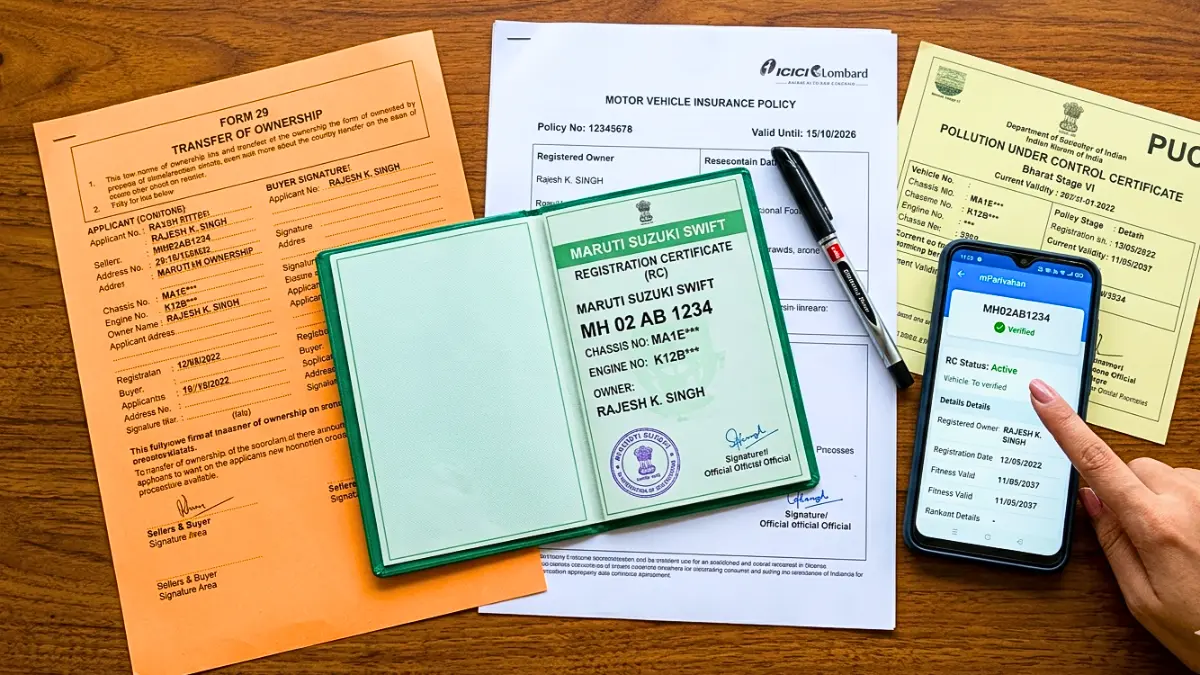
- RC (Registration Certificate): Check the owner’s name, engine & chassis number, and the fuel type. Make sure it’s not labelled as a ‘commercial’ or ‘taxi’ vehicle.
- Insurance: Check that the policy is valid and is a comprehensive one. A lapsed policy means you’ll have to pay extra for renewal.
- PUC: The Pollution Under Control certificate must be valid.
- Road Tax: Ensure it’s paid up for the lifetime or the current term.
- No Outstanding Loans: Ensure any car loan has been paid off and the “hypothecation” is removed from the RC.
- Use mParivahan: Download this official govt app. You can type in the number plate and instantly check details like the owner’s name and insurance validity. It’s a lifesaver! Knowing this app exists is a modern hack for how to buy a used car in India: tips and tricks.
Sealing the Deal & Making It Official: The Final Steps
You’ve found the one. Now, let’s talk money. Closing the transaction smoothly is the final hurdle in how to buy a used car in India: tips and tricks.
- Do Your Research: Check listings for similar cars with similar age and mileage to understand the fair market price.
- Negotiate with Facts: Use the inspection report. “The mechanic said the brake pads need changing, so I think we should adjust the price a bit to account for that.” Be cool about it.
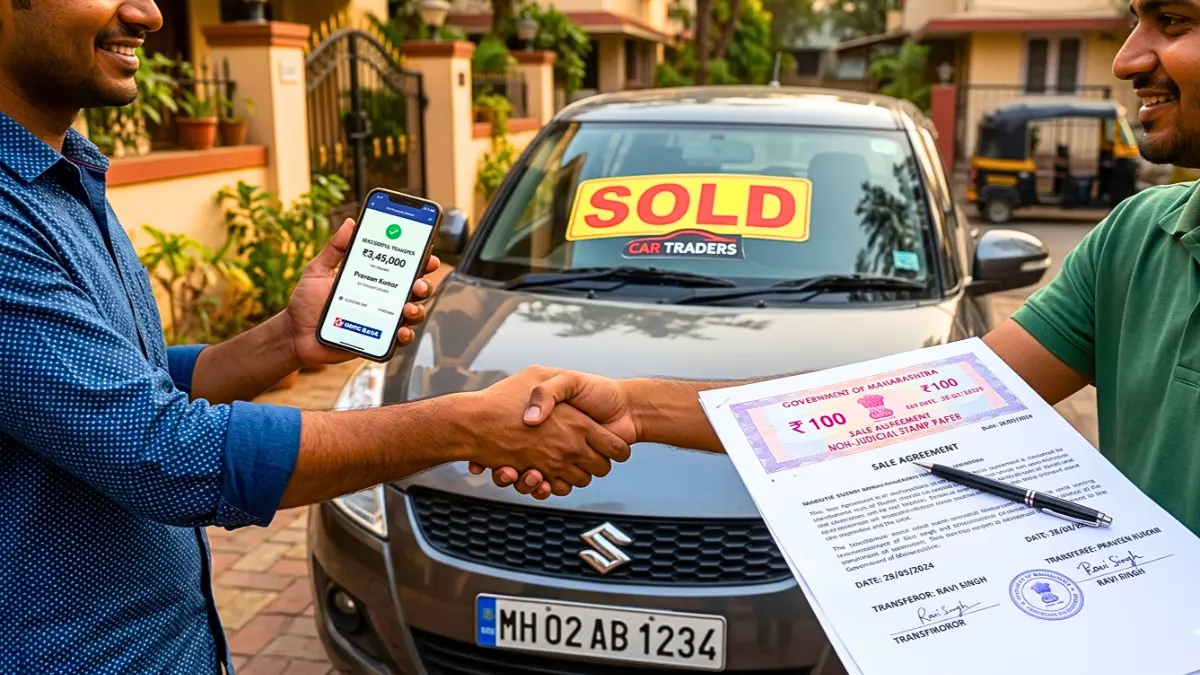
- Get it in Writing: Once you agree, write up a sale agreement on stamp paper. Detail the car, final price, and that it’s sold “as is.” Both of you sign it.
- The Final Payment: Prefer a secure bank transfer over cash. Get a proper sale agreement on a non-judicial stamp paper (value depends on your state). It should clearly mention the car details, sale price, and that the vehicle is sold “as is, where is.” Both parties should sign it.
- The Transfer: The RTO transfer is the buyer’s responsibility. Once you have the signed RC and forms (Form 29, 30, 32, 35), apply for the transfer in your name immediately. Don’t drive the car without the transfer process being initiated; it’s a legal risk.
Mastering How to Buy a Used Car in India: Tips and Tricks
Remember, the perfect used car is out there. It might take a little patience, but following these steps on how to buy a used car in India: tips and tricks will get you there safely.
If your gut feeling about a car or a seller is bad, just walk away. There will always be another car. The goal is to drive away with a smile, not a problem.

FAQ –
1. What is the 20 4 20 rule for buying a car?
Ans – The 20/4/10 rule is a financial guideline for buying a car: put 20% down, keep the loan term to 4 years (48 months), and ensure total monthly car expenses (EMI, insurance, fuel) do not exceed 10% of your gross monthly income. It ensures affordability, reduces interest costs, and prevents long-term debt.
2. How many kilometres is it good to buy a secondhand car?
Ans – A good, safe mileage for a used car is generally under 15,000–20,000 km per year of age. A “sweet spot” for many buyers is 30,000–60,000 km (3–5 years old), offering moderate usage, while anything under 35,000 km is often considered excellent, having lower chances of requiring immediate parts replacement.
3. What are signs a car is nearing its end?
Ans – Strange noises, sluggish acceleration, difficulty starting, or dashboard warning lights are just a few of the red flags that your car is on its last legs. The good news is that recognizing these signs early gives you a chance to address problems before they leave you stranded on the side of the road.
4. What is the average lifespan of a car?
Ans – The average lifespan of a modern car is approximately 10 to 15 years, or between 150,000 and 200,000 miles. While some vehicles can exceed 300,000 miles with proper care, many owners replace cars when repair costs exceed their value. Key factors impacting longevity include maintenance, driving style, climate, and rust.
5. Which car brand is good for second hand?
Ans – Hyundai: Over the last decade, Hyundai has made massive strides in reliability and build quality. Backed by excellent factory warranties on their new cars, this confidence has translated to the used market, where models like the i30 and Tucson are known for their modern features and trouble-free performance.

Sapna is the storytelling powerhouse of the team. With a sharp eye for detail and a knack for uncovering the human interest side of automobiles, she covers everything from industry launches to feature stories. She believes that every car has a story and every rider has a journey. Her writing is known for its clarity, depth, and ability to connect with the common man.