


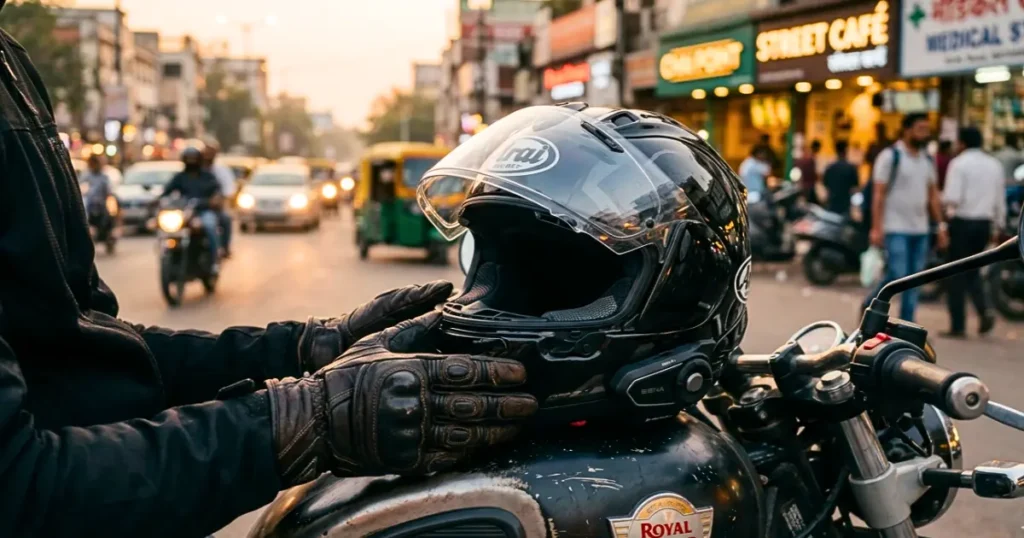

Hello everyone! Helmets are way more than just avoiding a traffic fine. That thing is your absolute lifeline out there – your brain’s best friend on two wheels. But honestly? Figuring out how to choose the right helmet for bike riding can feel totally overwhelming, right? So many brands, styles, price tags… where do you even start?
Don’t worry, I’m going to help you. I’m going to walk you through the real, practical stuff, no confusing jargon, no sales talk. Just straight-up advice from one rider who gets it to another. Because getting this right? It’s everything for your safety, your comfort, and pure riding joy. Stick with me, and by the end, you’ll be a pro at how to choose the right helmet for bike riding.
Why Bother So Much? (Spoiler: It’s Not Just the Law)
Okay, yeah, wearing a helmet is mandatory. But let’s be real about why it’s non-negotiable on our roads:
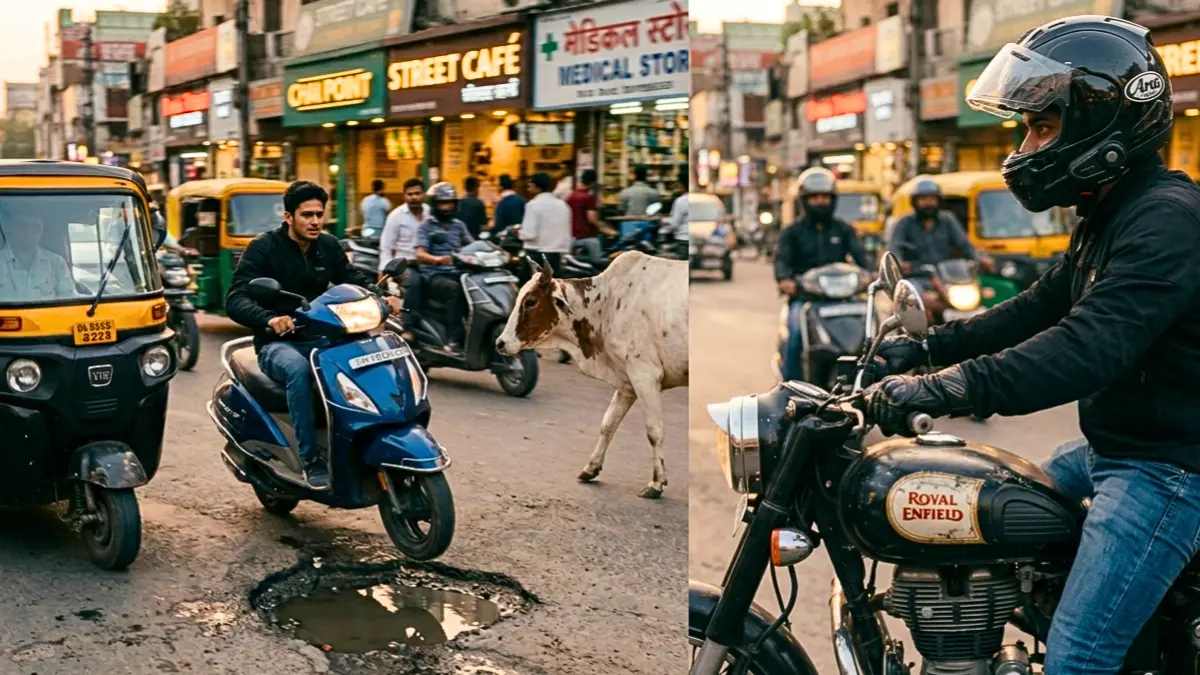
- Indian Roads = Adventure Mode: Potholes big enough to lose a scooter in, unpredictable cows, sudden U-turns, monsoon downpours that feel like swimming… You need serious protection.
- Your Brain is Priceless: Seriously. It’s the only one you get. Stats don’t lie – a good helmet dramatically slashes your risk of serious injury or worse if things go sideways. This isn’t fear-mongering; it’s simple rider wisdom.
- Comfort is King: Ever worn a cheap, ill-fitting helmet on a 40°C afternoon? Pure torture. Or had your visor fog up completely? The right helmet makes riding actually enjoyable, rain or shine.
- Riding Style Matters: Blasting down the highway on a KTM is a different beast compared to zipping through city traffic on your Activa. Your helmet needs to match.

Alright, Let’s Get Practical: A Step-by-Step Guide on How to Choose the Right Helmet for Bike Riding
Choosing your brain bucket boils down to a few key things. Let’s break it down like we’re actually standing in a helmet shop together. If you truly want to understand how to choose the right helmet for bike riding, these steps are your blueprint:
Step 1: Safety Certifications: Your Non-Negotiable Starting Point
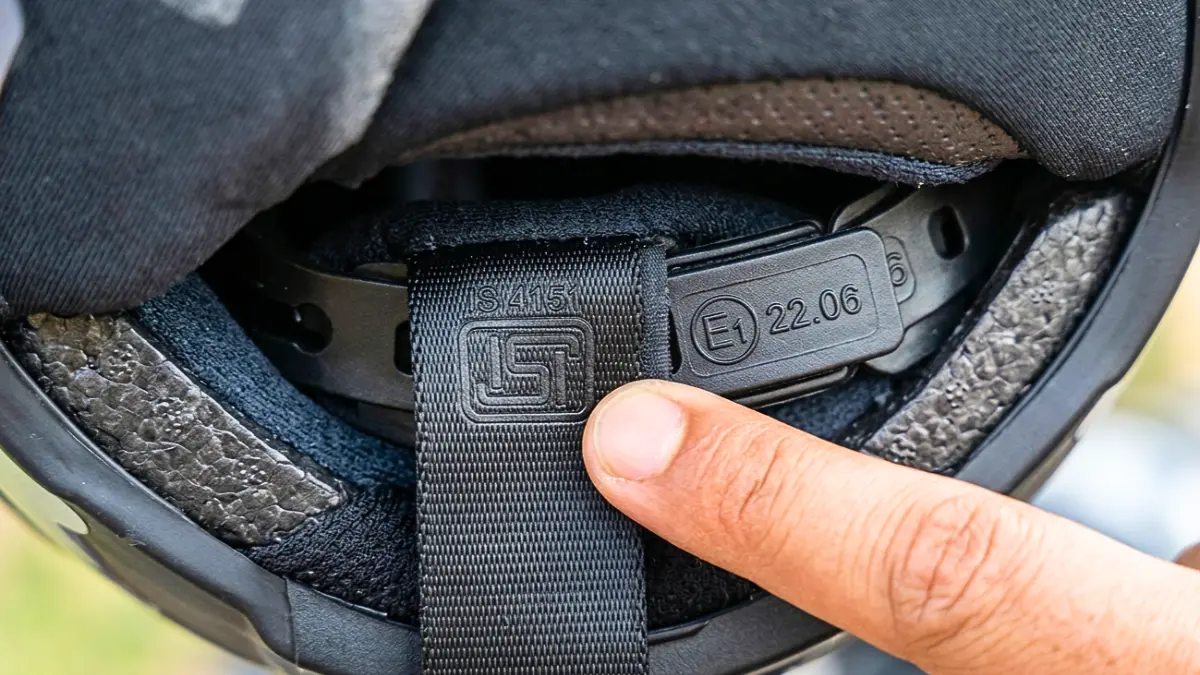
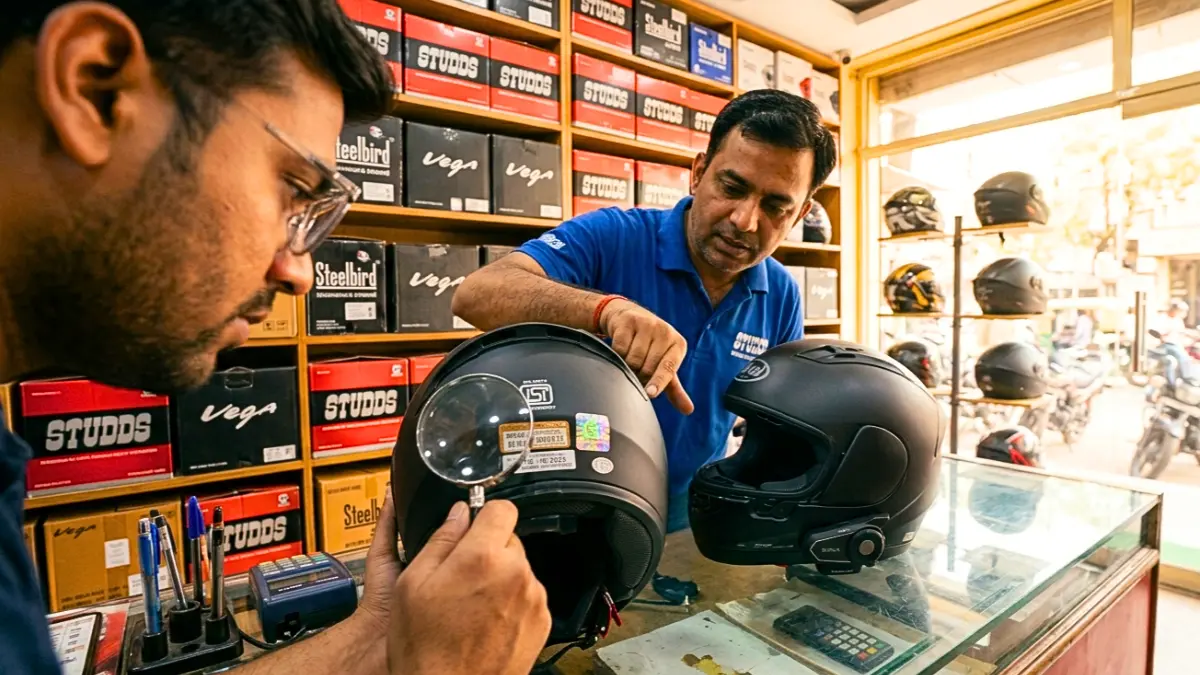
This is the foundation. Doesn’t matter how cool it looks if it’s not properly certified. In India, look for these marks inside the helmet shell. Knowing how to choose the right helmet for bike riding starts with recognising genuine safety labels.
- ISI Mark (IS 4151): The basic legal requirement. Crucial: Make sure it’s genuine, embossed (not a sticker!) and has a unique CM/L number you can check on the BIS website. Fake ISI helmets are everywhere and are basically just plastic hats – useless!
- ECE 22.05: The European standard. Really good, widely trusted. Tougher tests than the older ISI standard, especially for the visor, strap, and your field of vision. Lots of quality helmets here have this.
- ECE 22.06 (The New Gold Standard!): This is the latest and greatest globally. It tests for more types of impacts, especially rotational forces (which are super common in crashes), and is stricter on flip-up helmets. If you see this, it’s a big green flag.
- DOT (FMVSS 218): The US standard. Okay, but the testing relies more on the manufacturer’s word. ECE is generally seen as more reliable.
- SHARP Ratings (Bonus Check!): Not a certification, but a UK group that smashes helmets into things way beyond the minimum tests and gives them a 1-5 star safety rating (find it online). A 4 or 5-star SHARP rating? Excellent sign!
The Verdict: Minimum: Rock-solid, genuine ISI mark. Much Better: ECE 22.05. Best Available: ECE 22.06. Checking SHARP ratings is a smart move. Never buy a helmet without a legit, visible safety certification inside. Just don’t.
Step 2: Helmet Types – What Suits Your Ride?
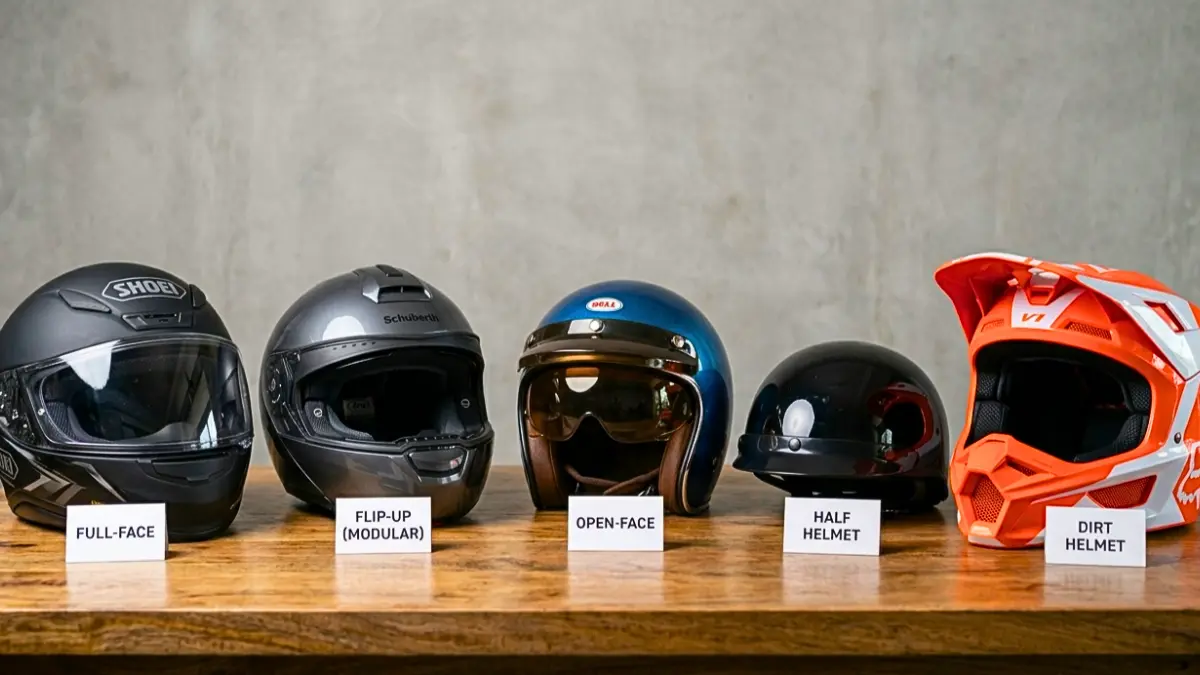
Helmets come in flavours. Each has pros and cons for how and where you ride. This part of how to choose the right helmet for bike riding is all about matching the style to your daily roads. Remember, the type you pick will shape your experience for years, so choose wisely.
- Full-Face Helmet: The Undisputed King of Protection
- Pros: Covers your whole head, especially your chin (the most common hit spot!). Best all-round protection, blocks wind/rain/dust/bugs best, quietest, and best for highways or fast bikes. My personal top pick for most riders.
- Cons: Can feel a bit “closed in” at first; need to take it off for quick sips or chats. Slightly heavier.
- Best For: Highway touring, sporty riding, daily commuting on anything faster than a scooter, and anyone who prioritises max safety. #1 Recommendation.
- Flip-Up Helmet (Modular): Convenience Champ
- Pros: Flip up the chin bar for easy talking, drinking, toll booths, or spec adjustment. Feels more open. Flip it down for near full-face safety. Great for tours, commutes, or glasses wearers.
- Cons: Heavier due to the hinge. Crucially: That hinge must be strong. Only consider models with ECE 22.06 certification (which specifically tests the flipped-down position!). Can be noisier than a pure full-face. More moving parts = more potential issues long-term.
- Best For: Touring riders, delivery folks, commuters who value that flip-up ease. Just prioritise that safety cert!
- Open-Face Helmet (Jet): Classic & Breezy (But Risky)
- Pros: Lightweight, super airy, awesome visibility, classic cruiser/scooter look. Easy on/off.
- Cons: Zero protection for your face or chin. Exposed to wind, rain, dust, rocks, bugs… everything. Much louder. Significantly less safe.
- Best For: You’re strictly low-speed city cruising. Seriously, pair it with proper goggles and a mouth guard if you go this route. Know the trade-off.
- Half Helmet: Minimalist (Minimal Protection)
- Pros: Lightest, most minimal feeling, maximum “freedom.”
- Cons: Barely. Just the very top of your head. Face, jaw, ears? Totally exposed. Noisy, no weather help.
- Best For: Honestly? I struggle to recommend these except maybe for super short, super slow trips. The safety drop is huge. Not ideal.
- Dirt Helmet (Motocross/ADV): Built for Mud
- Pros: Off-roading! Great ventilation and peak blocks sun and roost (flying dirt), meant for goggles.
- Cons: Loud at speed. Minimal face protection (needs goggles). The chin bar isn’t optimised for high-speed road impacts. Peak can catch the wind awkwardly.
- Best For: Dirt biking, trails. Also suitable for road-focused ADV bikes if you use specific goggles and can tolerate noise/wind irregularities.
The Verdict: For 90% of Indian riders and conditions, a full-face helmet is the best option for safety, comfort, and practicality. Flip-ups are a solid second if you really need that convenience. Choosing the right style for your riding habits is a core part of how to choose the right helmet for bike riding.
Step 3: The Perfect Fit: It’s NOT Supposed to Be Comfortable… At First!
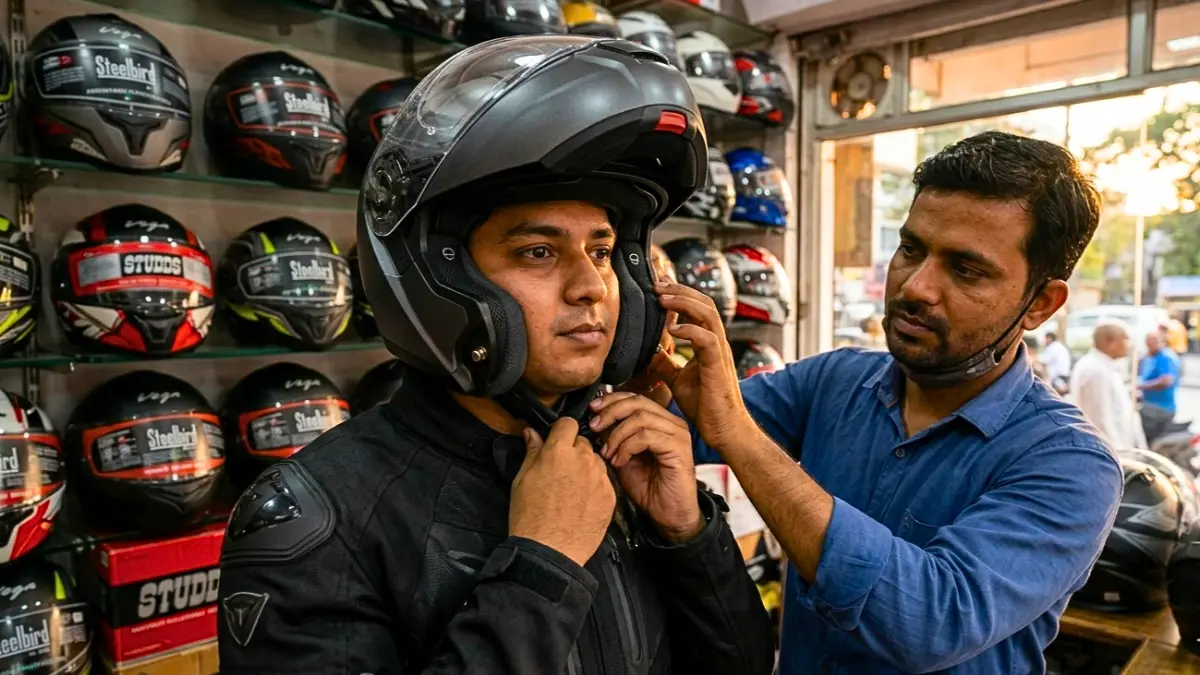
This is where most folks mess up. A loose helmet is as bad as no helmet! It can fly off or shift in a crash. Fit trumps brand, price, or looks. Honestly, mastering the fit is the most underrated part of how to choose the right helmet for bike riding.
- Measure Up: Grab a tailor’s tape (or string + ruler). Wrap it around your head, just above your eyebrows and ears, the widest part. Get that number in cm. Helmet sizes (S, M, L, XL) map to cm ranges (e.g., M = 57-58cm). Start here, but brands differ.
- The Shop Test (Do NOT Skip This!):
- Squeeze & Roll: Hold the helmet by the chin straps. Spread the sides slightly and roll it front to back onto your head. It should feel tight but not painful. No pressure points (hot spots).
- Shake Test: Fasten the chin strap snugly (only one finger should fit under). Now, grip the chin bar and try moving the helmet side to side and up-down. Your skin/scalp should move with the helmet. Minimal slippage!
- Roll-Off Test: Try rolling the helmet forward off your head while holding the back bottom edge. It should not come off easily! If it does, it’s too big.
- The Long Haul: Wear it in the shop for a solid 10-15 minutes. Any sharp pressure points on the forehead, temples, or crown? These usually won’t go away, wrong shape or size.
- “Gum Chew” Test: Strap done up? Open your mouth wide like you are about to yawn or chew gum. You should feel the top of the helmet press down firmly. If not, it’s likely too big.
- Head Shape Secrets: Heads aren’t just different sizes; they’re different shapes! Round, intermediate oval, long oval. Most helmets fit an “intermediate oval.” Pressure front and back? Maybe you need “round.” Pressure on the sides? Maybe “long oval.” Brands like AGV or Arai offer different shapes.
- Real-World Check: Wear your riding glasses! Style your hair normally! Factor it in.
The Verdict: A new helmet should feel almost too snug, with serious cheek squish and NO movement when you try to shift it. Sharp pain = bad. Firm, even pressure = good. Don’t buy big, hoping it “loosens up” – the padding compresses a bit, but the shell won’t shrink!
Step 4: What’s Your Helmet Shell Made Of? It Matters More Than You Think.
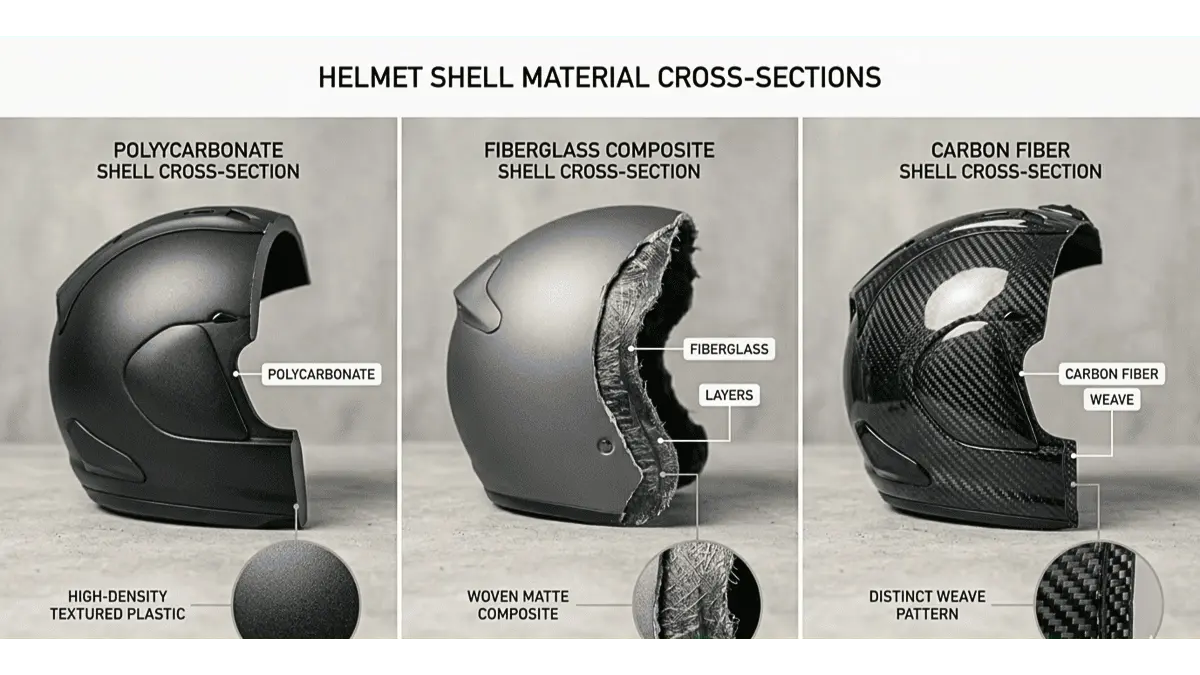
The material used to make the outer shell of a helmet determines how heavy it will feel, how well it will protect you, how long it will last, and yes, how much it will cost. Here’s the full breakdown:
- Polycarbonate (Plastic): This is suitable for most budgets and mid-priced helmets. Honestly, it’s a solid choice. These helmets are lightweight, soak up impacts really well, and won’t break the bank. The trade-off? To hit the same safety standards, they might feel a tad bulkier compared to fancier materials. But don’t underestimate modern polycarbonate – it performs great and is perfect for most everyday riders.
- Composite (Fiberglass, Kevlar, Aramid Mixes): Step up to the premium range, and you’ll find composites. These are lighter and tougher than polycarbonate for the same thickness. That means sleeker, more compact helmet designs. They’re also better at handling different types of crash forces (like twisting impacts) and often run quieter. The catch? You guessed it – they cost a lot more.
- Carbon fiber: The next best thing. Found only in high-end helmets, carbon fiber is extremely lightweight and extremely strong. It’s the ultimate in lightweight protection… but get ready for an equally ultimate price tag.
The Verdict: A well-made polycarbonate helmet that aces top safety tests (like ECE 22.06 or scores high on SHARP) gives you outstanding protection. For most riders, it’s genuinely all you need. Composites and carbon fiber? Absolutely fantastic if your budget stretches that far and you’re chasing the absolute lightest weight or the most streamlined fit. But when you’re figuring out how to choose the right helmet for bike riding, material should be part of the equation.
Step 5: Comfort & Livability Features: Surviving the Indian Elements
Safety is job one, but you won’t wear a lid that cooks your brain or fogs up constantly. So while you’re learning how to choose the right helmet for bike riding, pay close attention to these features.
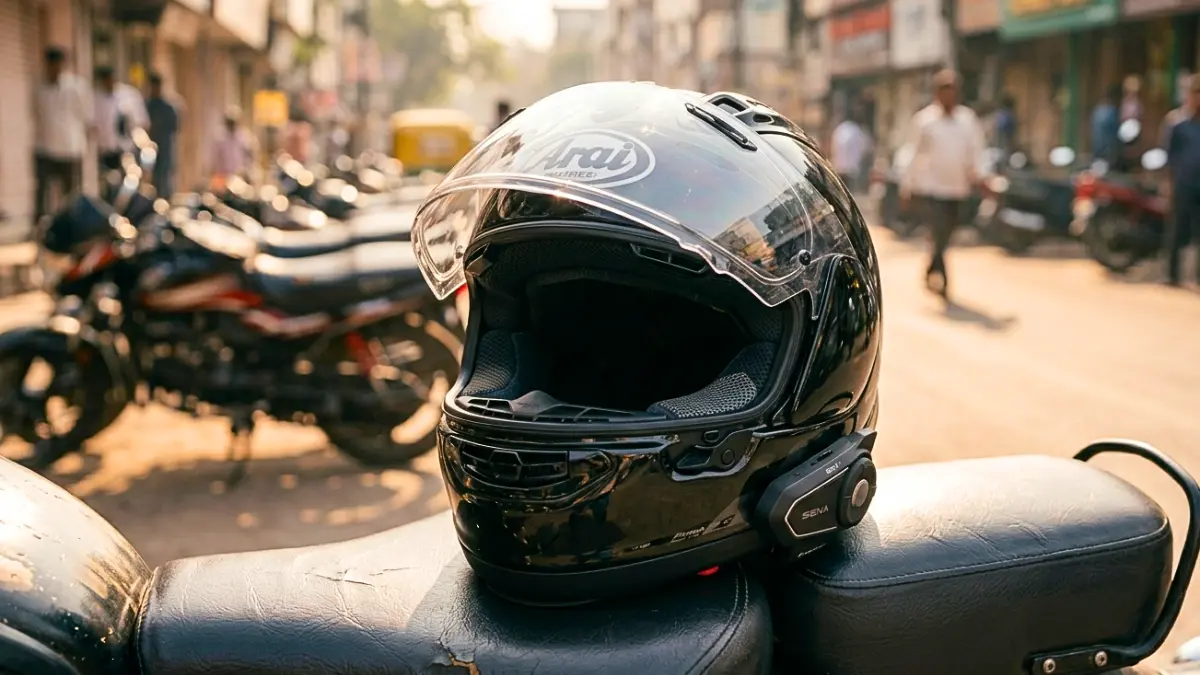
- Ventilation (Non-Negotiable): Our summers are brutal! Look for multiple forehead/top intakes and rear exhaust vents. Bigger vents with clear channels inside = better airflow. This is a huge factor in how to choose the right helmet for bike riding that many new riders ignore. Test the sliders – easy with gloves?
- Visor (Your Window):
- Crystal Clear: Look through it at straight lines (like shop shelves). No warping!
- Anti-Scratch Coating: Coating is essential for longevity.
- Anti-Fog Coating: Pinlock is magic. If the visor has little pins inside (Pinlock-ready), Buy The Insert! Creates an anti-fog force field. Worth every rupee for monsoon mornings or hill rides. Basic anti-fog coating helps, but it isn’t as good.
- Tint Options: A Clear visor is a must for night. Get an extra tinted one for sunny days, or splurge on a photochromic (light-adjusting) visor. (Avoid very dark or blue tints – can mess with seeing brake lights).
- Quick Swap: Tool-free visor changes? Super handy.
- Sweat and odour prevention: The liner and cheek pads must be removable and washable! Choose moisture-wicking fabrics like Coolmax.
- Quiet Please: Less wind roar = less fatigue. Features like a good neck curtain, a tight visor seal, and a smooth shell shape help. Full-face is naturally quieter.
- Weight Watchers: Lighter is better, especially on long rides. Generally, composite/fibreglass lids are lighter than polycarbonate, but a well-made poly shell with good safety is perfectly fine for most. Don’t sacrifice fit/safety just to save 100g! The lighter the helmet, the less strain on your neck during long rides – another small but crucial detail in how to choose the right helmet for bike riding.
Step 6: Pro Tips for Smart Shopping
You’ve got the knowledge on how to choose the right helmet for bike riding – now let’s make sure you apply it without getting ripped off.
- Try It ON: Seriously. Visit multiple shops. Try different brands and sizes. Your head is unique! Buying online blind is risky unless they have a great return policy for fit.
- Brands You Can Trust: Stick with known names for quality and safety: MT, Axor, SMK, LS2, Steelbird (higher end), Studds (Shocker/Approach), Vega (Premium), AGV, HJC, Arai, Shoei, Bell. Trusted brands make how to choose the right helmet for bike riding a lot easier because you know the safety is consistent. Check if visors and pads are easy to find later!
- Budget Wisely: Helmets range from ₹1,500 roadside specials to ₹50k+ carbon fiber wonders. Don’t cheap out. A genuine ISI starts ~₹2,500+. A solid ECE 22.05 full-face is usually ₹4,000-₹10,000. ECE 22.06 starts higher. Invest what you can – it’s your brain!
- Born On Date: Find the sticker/embossing inside (often under the liner). Helmets expire! The foam degrades in 3-5 years, even when unused. Buy the freshest helmet you can. Avoid old stock.
- Eagle Eye Inspection: Check for cracks, flimsy straps, wobbly bits, rough edges. Visor mechanism should be smooth. Buckle should feel solid.
- Beware of Fakes: Especially online. Buy from authorized dealers or trusted sites (Helmet Stories, PowerDrift Store, brand websites). If a “branded” helmet price seems unrealistically low, it probably is. Check holograms, build quality, and certification details. And if you’re still confused, don’t hesitate to ask a knowledgeable shopkeeper – they can guide you through how to choose the right helmet for bike riding based on your head shape and riding habits.
Your Quick Helmet Checklist (Before You Pay!)
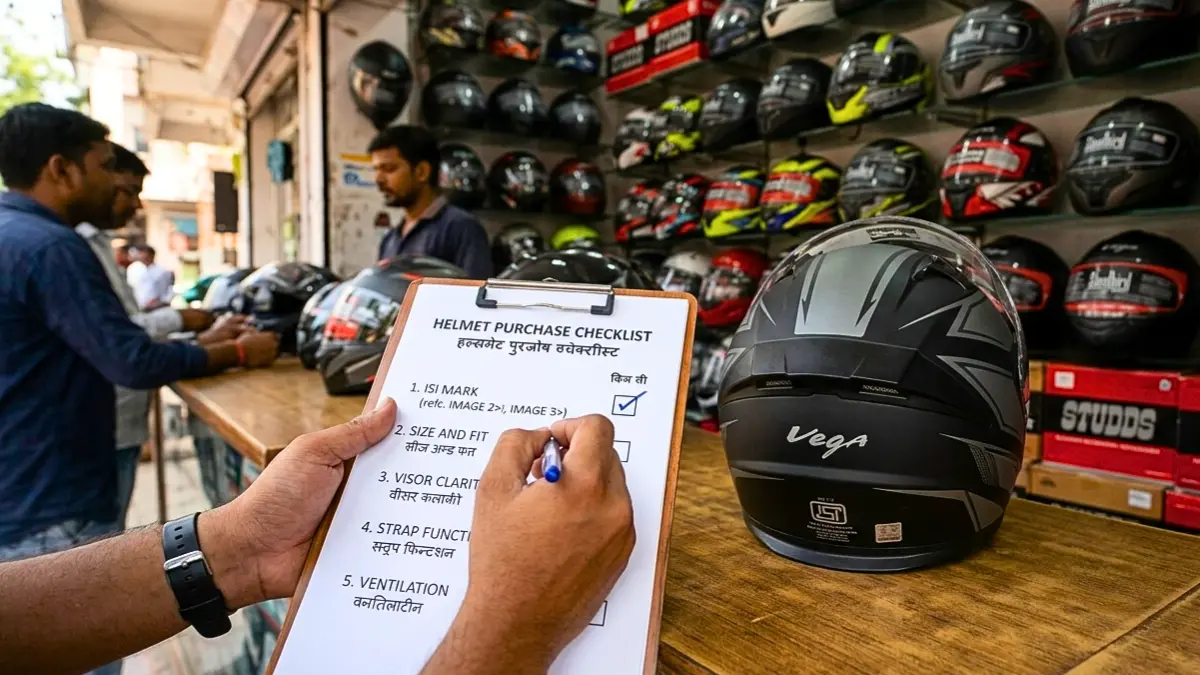
Use this checklist to double‑check everything you’ve learned about how to choose the right helmet for bike riding before you hand over your cash.
- ✅ Safety Cert: Genuine ISI, ECE 22.05, or (awesome!) ECE 22.06? SHARP rating checked?
- ✅ Type: Full-face, Flip-up, Open-face? Right for your riding?
- ✅ Fit: Passed the Snug Test? Cheeks squished? No slippage? Worn it 10+ mins? “Gum Chew” passed? No ouchy pressure points?
- ✅ Visor: Clear? Distortion-free? Pinlock-ready (or included!)? Easy to change?
- ✅ Ventilation: Enough vents? Sliders work?
- ✅ Clean & Comfy: Removable, washable liner?
- ✅ Weight: Not a neck-breaker?
- ✅ Production Date: Production date within the last year or two?
- ✅ Budget: Got the best safety/features you can afford?
- ✅ Seller: Reputable shop or trusted online store?
Run through this checklist, and you’ll have nailed how to choose the right helmet for bike riding.
Helmet Care 101: Make Your Investment Last
Once you’ve mastered how to choose the right helmet for bike riding, keeping it in top shape is the next step.
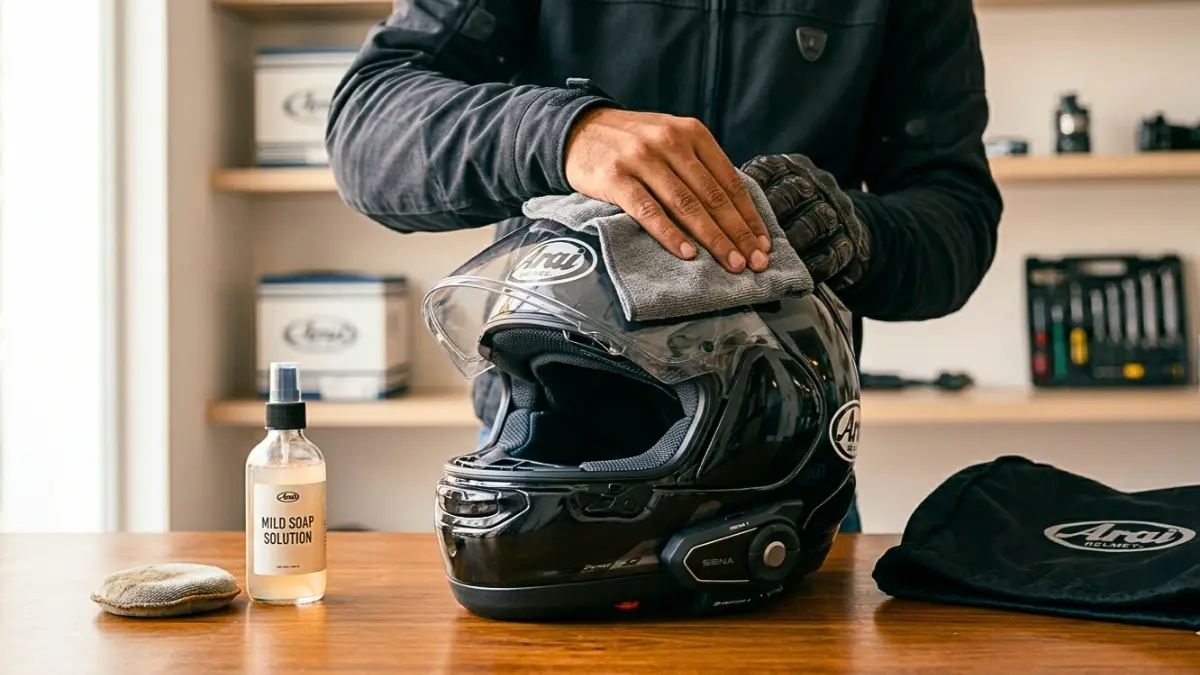
- Keeping it Clean: Gently wash the removable liners/pads with mild soap. Air dry. Wipe visor with water or plastic cleaner (NO WINDEX!).
- Store Smart: Cool, dry place, out of direct sun (UV damages it). Use the bag. Don’t hang it long-term by the strap.
- Handling: Even a small drop on the hard surface can damage the foam inside (no cracks needed!). So handle with care.
- Crash = Replace: Any significant bump? Replace the helmet, even if it looks fine. The foam did its job once; it can’t do it again.
- The 5-Year Rule: Sweat, sun, and time break down materials. Replace every 3-5 years, even if it looks pristine.
Final Gear Thoughts: Ride Safe, Ride Happy!
Choosing the right helmet is one of the most important decisions you’ll make as a rider. Now you have a complete roadmap for how to choose the right helmet for bike riding. It’s not just about looks; it’s about your life, your safety, and that of your loved ones. Don’t rush. Go back to basics: safety certifications > great fit > the right style > essential features (vents, visor, pin lock!) > trusted seller.
Spend time. Try them on. Spend as much as you can. That feeling when you put on a helmet that fits just right, knowing you’re getting the best protection? Pure confidence. It lets you focus on the ride – the wind, the road, the freedom. And remember, once you truly understand how to choose the right helmet for bike riding, you’ll never settle for anything less than perfect. So go on, take this guide, and find the perfect helmet buddy for your next ride!

FAQ –
1. Which helmet is not allowed?
Ans – In India, helmets without a valid ISI (Indian Standards Institute) mark are not allowed and are illegal. Prohibited helmets include novelty helmets, non-certified half-face helmets, and any helmet that is damaged, expired, or improperly strapped. Non-ISI helmets, even if they have international certifications like DOT or ECE, are often considered illegal.
2. What are the three features a good helmet should have?
Ans – Every truly good helmet should meet three fundamental criteria:
- Security and certifications.
- Fit and comfort of use.
- Ventilation and functionality.
3. How to check helmet quality?
Ans – To check helmet quality, verify it has recognized safety certifications (ISI, DOT, ECE, or Snell) via stickers on the back or inside. High-quality helmets feature sturdy, lightweight shells (polycarbonate or composite), comfortable, durable liners, and reliable retention straps, often accompanied by premium branding.
4. What are type 2 helmets?
Ans – Type 2 helmets absorb impact from multiple angles, providing additional protection in the event of a struck-by incident or ground-level fall. For work environments where only top-impact risks exist, a Type 1 helmet may be appropriate.
5. Is wearing two helmets compulsory in India?
Ans – Supreme Court has given direction that helmet has to be worn by both. Rider and the pillion. I know that many people won’t like what I am saying today but that is the law and that we have seen lot of children people getting injured after falls from two wheelers specially or when they hit any place.
Also Read – What is the 2-2-2 Rule When Fitting a Helmet on Your Head? A Complete Indian Rider’s Guide


Rohit is the visionary behind CarBikeJunction. With over a decade of experience in automotive journalism and a deep love for mechanical engineering, he ensures that every piece of content that goes live meets the highest standards of quality and accuracy. As Editor-in-Chief, he oversees the editorial direction of the website and is often found test-driving the toughest SUVs or analyzing market trends. His leadership is the driving force behind our platform.