


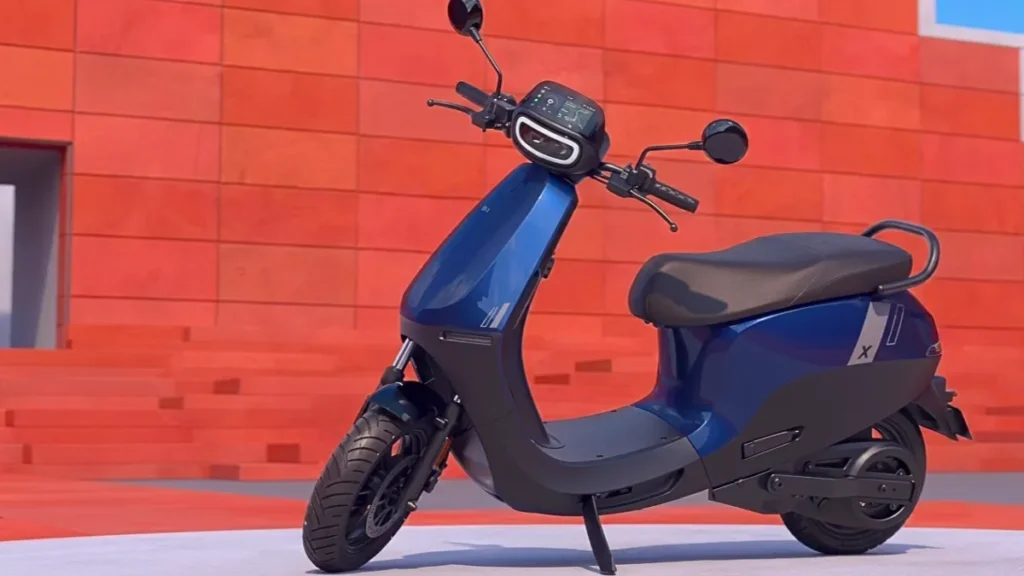

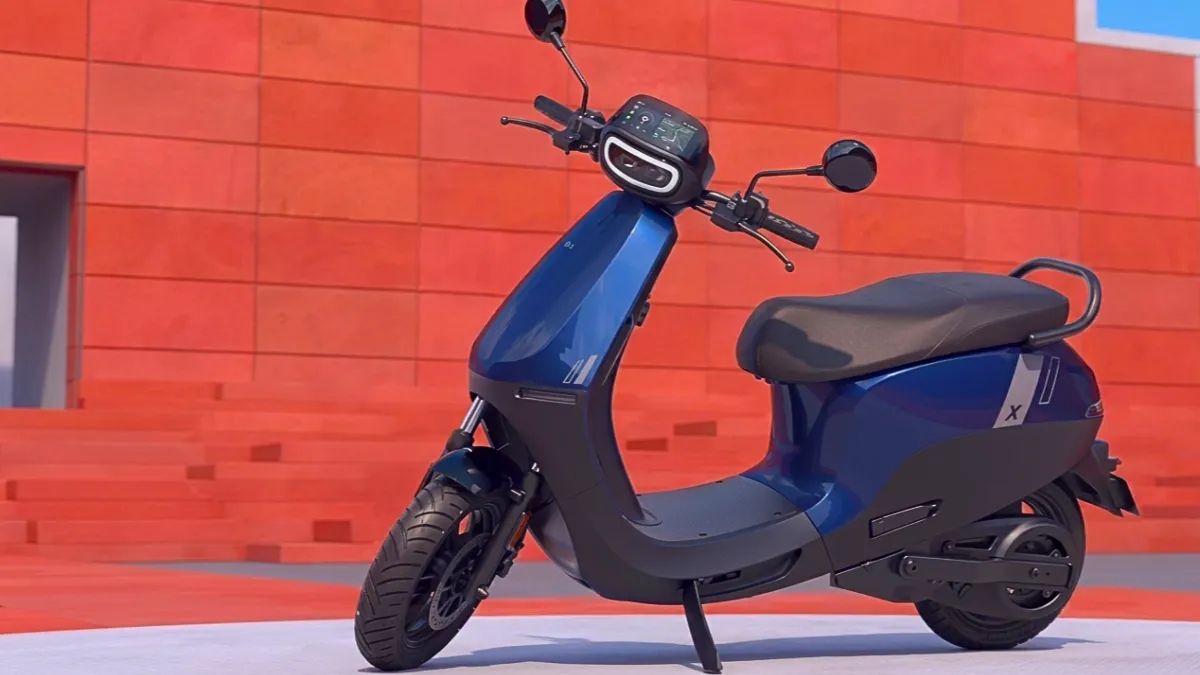
Ola Electric is quietly working on a plan that could change how India—and the world—looks at the company. The potential Ola Electric battery supply to global automakers would mark a major strategic shift, with the Bengaluru-based giant now in talks with several global and domestic car manufacturers to provide lithium-ion cells and battery packs straight from its Krishnagiri gigafactory, people familiar with the matter said.
If these discussions turn into signed deals, Ola will move from being an EV maker to a full-blown battery powerhouse, feeding India’s growing hunger for electric vehicles and home energy storage.
Inside India’s only gigafactory
Right now, Ola operates the country’s sole functioning gigafactory with an installed capacity of 6 GWh. Through its subsidiary Ola Cell Technologies, the company has already commercially deployed its homegrown 4680-format ‘Bharat Cell’ at scale—an achievement that puts it right behind Tesla on the global stage. The factory is gearing up for a massive leap: capacity is expected to hit 12 GWh by July 2027 and a substantial 20 GWh by the end of FY28.
How Ola Electric battery supply to global automakers will work
Here’s the big shift. About one-third of that planned 20 GWh capacity—roughly 6.5 GWh—is being earmarked for third-party sales to automotive OEMs. That means batteries stamped “Made in India” by Ola could end up inside electric cars, SUVs, and even energy storage systems from other brands. Sources indicate that several potential customers are currently evaluating Ola’s manufacturing operations before entering into long-term commercial commitments.
More than a cost-cutting trick
The company has spent around Rs 5,300 crore across manufacturing, battery technology, cells, and R&D, telling investors in February 2026 that the bulk of its investment cycle is already behind it. And the vision goes well beyond its own electric scooters. Ola’s newly launched Ola Shakti home energy storage system—delivered to buyers starting January 2026—could alone demand 5 GWh of cells annually within a few years.
“The cell business should not be viewed only as a cost-reduction lever for Ola’s vehicles,” one of the sources said. “India needs locally manufactured battery supply at scale. If Ola can build a competitive platform, it can become relevant for the broader EV and energy storage ecosystem.”
Why this matters for India
Ola’s outreach comes at a crucial time. Under the government’s Production Linked Incentive (PLI) scheme for Advanced Chemistry Cells, progress has been painfully slow. A January 2026 report by JMK Research and the Institute for Energy Economics and Financial Analysis revealed that as of October 2025, only 1.4 GWh—or a mere 2.8% of the targeted 50 GWh—had been commissioned within the stipulated timeline. All of that commissioned capacity came from Ola Electric. India still imports almost all of its battery cells, so every locally made gigafactory watt counts.
In simple terms, if the Ola Electric battery supply to global automakers materialises, the battery inside your next electric car or home backup unit might just wear the Ola badge. For a country racing to cut import bills and fire up its green mobility shift, that could be a game-changer.
Also Read – Yamaha R15 & R3 70th Anniversary Editions Debut With Retro Racing Colours – Only 1,800 Units


Raj is the creative mind curating the special content for the website. From exclusive first-drive reviews to buyer’s guides and comparison tests, Raj ensures our features are engaging and helpful. He loves getting behind the wheel of new launches and creating content that helps our readers pick their dream vehicle. His passion for motorcycles and performance cars is evident in his energetic writing style.