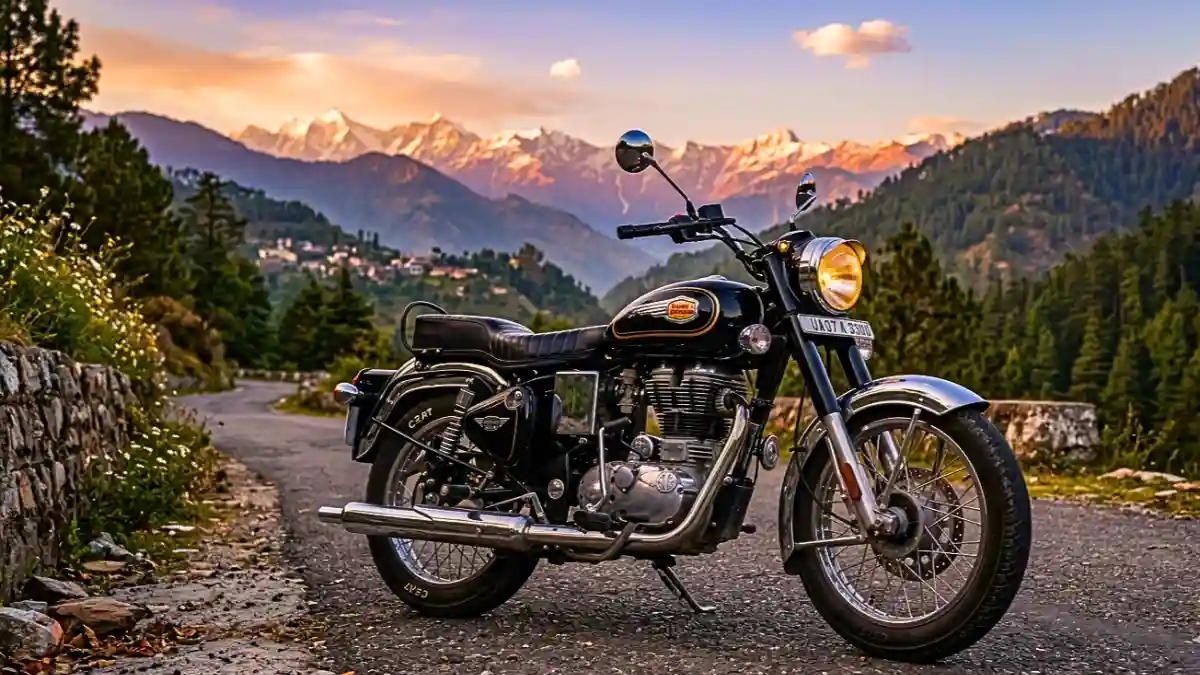
As the sun sets on an era where a single factory town could feed a global appetite, the Royal Enfield Tada plant expansion is drawing up a blueprint that does more than just pour concrete. It’s stitching together a three-part thesis on manufacturing resilience, electric legitimacy, and the brutal chess match for the middleweight motorcyclist’s soul.
The numbers are eye-catching: billions of rupees, lakhs of annual capacity, new assembly lines shimmering on the Andhra coastline, but the real story is how a company that once survived on a single thump is trying to outpace rivals who have just discovered its playground.
Royal Enfield Tada Plant Expansion: The Capacity Ceiling That Triggered a Two-State Strategy
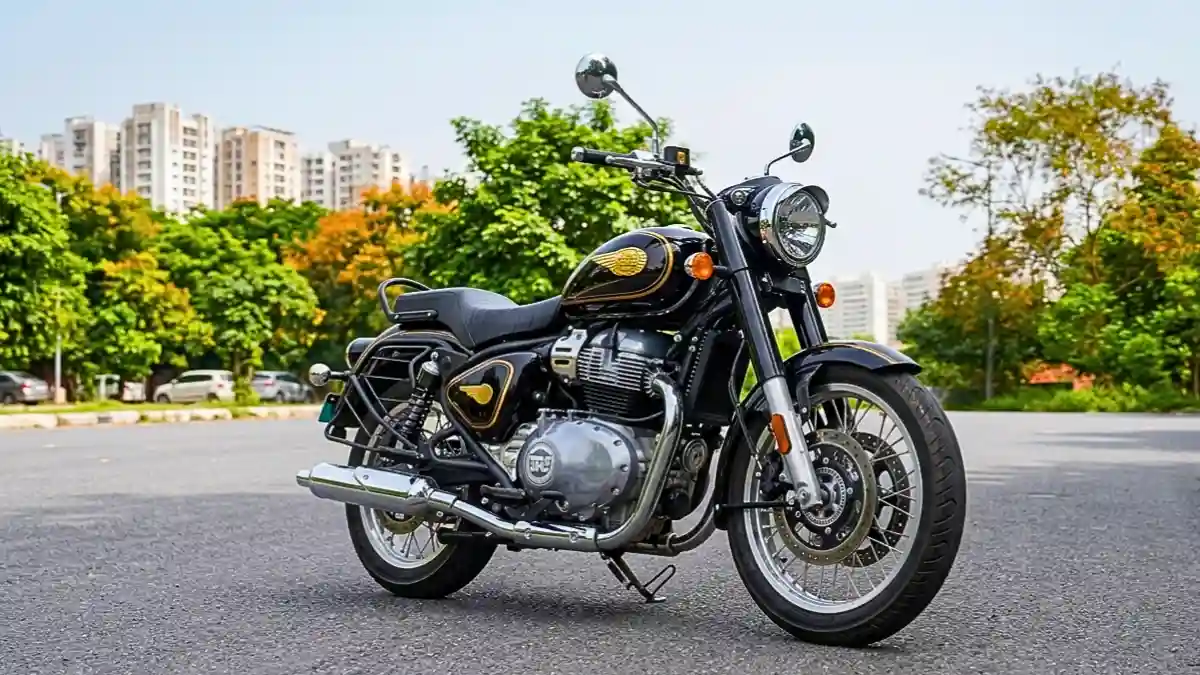
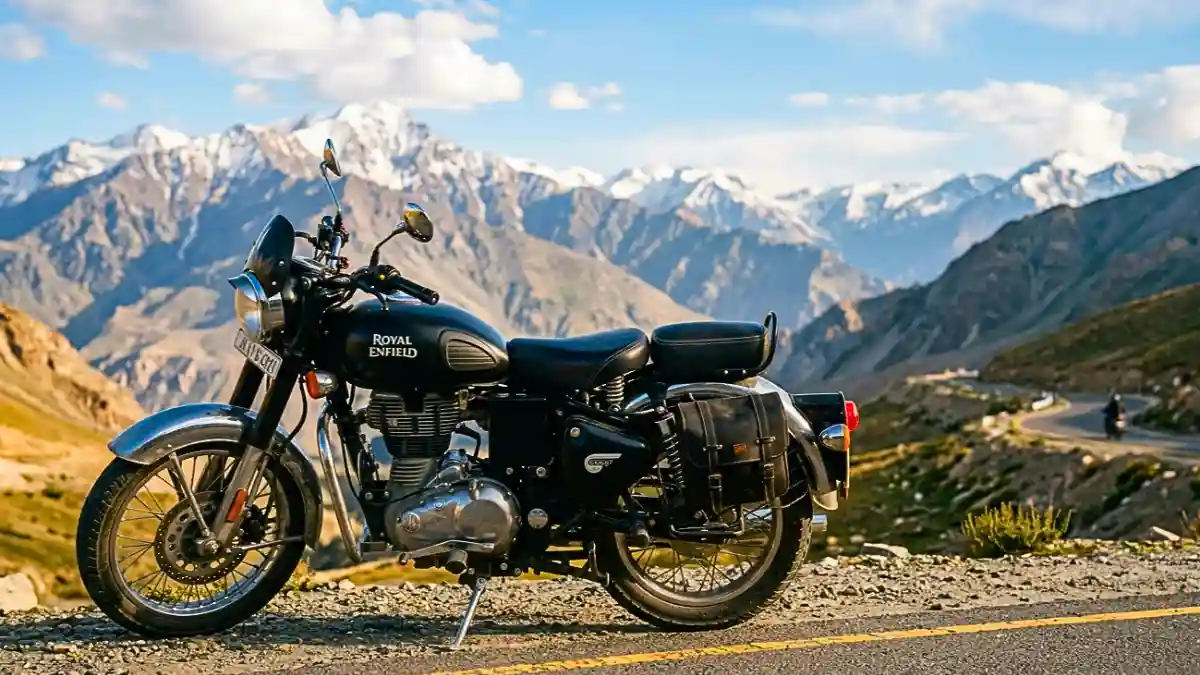
For the second year running, Royal Enfield has cruised past one million annual sales, a figure that would have sounded delusional a decade ago. Its 350cc backbone- Classic, Meteor, Hunter- continues to absorb domestic demand with an almost gravitational pull, while the 650 twins and Himalayan adventure tourer pull export weight. The problem is a good one to have: the existing ecosystem of plants in Oragadam, Vallam Vadagal, Tiruvottiyur, and the expanding Cheyyar facility is kissing full utilisation. Current capacity hovers around 1.46 million motorcycles a year; the company wants close to 2 million by FY28. That gap can’t be bridged by incremental overtime and supplier cajoling alone.
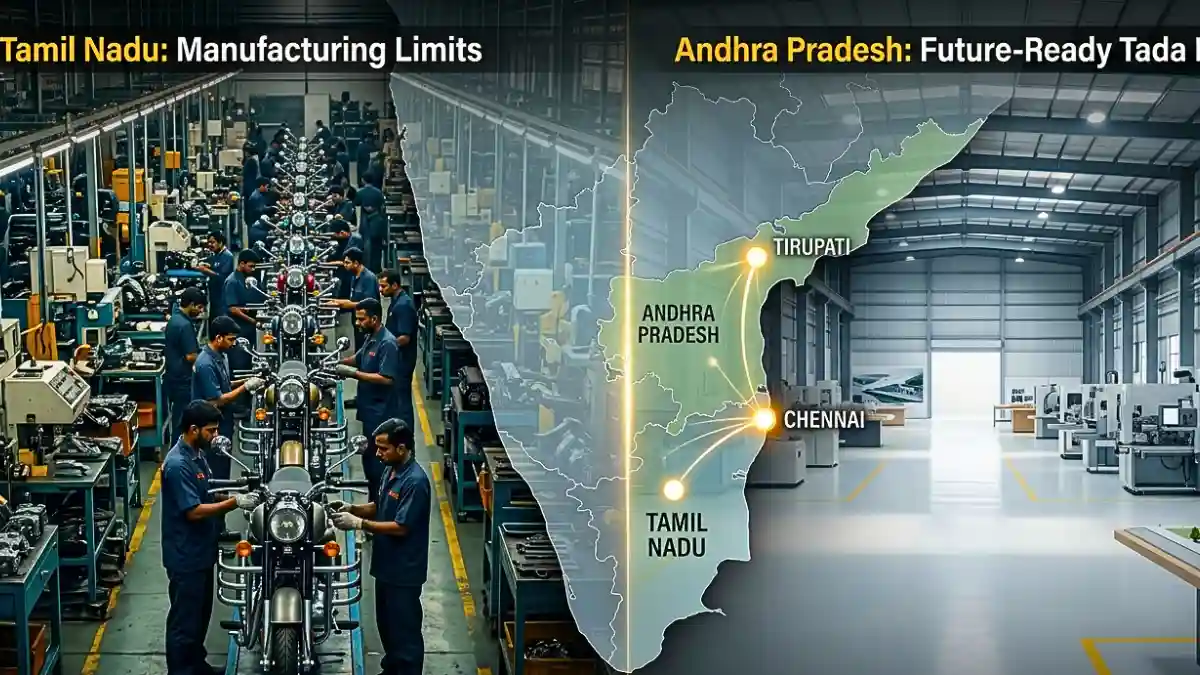
What’s interesting isn’t just the scale, but the geography. Royal Enfield is planting its flag at Tada, near Tirupati in Andhra Pradesh, marking its first significant manufacturing footprint outside Tamil Nadu. Yet the company insists Chennai remains the nerve centre. This isn’t corporate doublespeak; it’s a deliberate dual-cluster model. Tamil Nadu offers a finely woven fabric of tier-1 and tier-2 suppliers, seasoned engineers, and logistics routes that have matured over decades. Andhra Pradesh, by contrast, offers a blank canvas for new architectures, especially electric, with state-level incentives and proximity to ports that could streamline exports to Southeast Asia and beyond. By splitting the load, Royal Enfield avoids betting the farm on a single region’s infrastructure, labour dynamics, or regulatory climate.
Also Read – The Thumping Road to Two Million: Inside Royal Enfield Global Export Growth and Production Revolution
The Electric Elephant in the Room—Flying Flea and the Himalayan Question
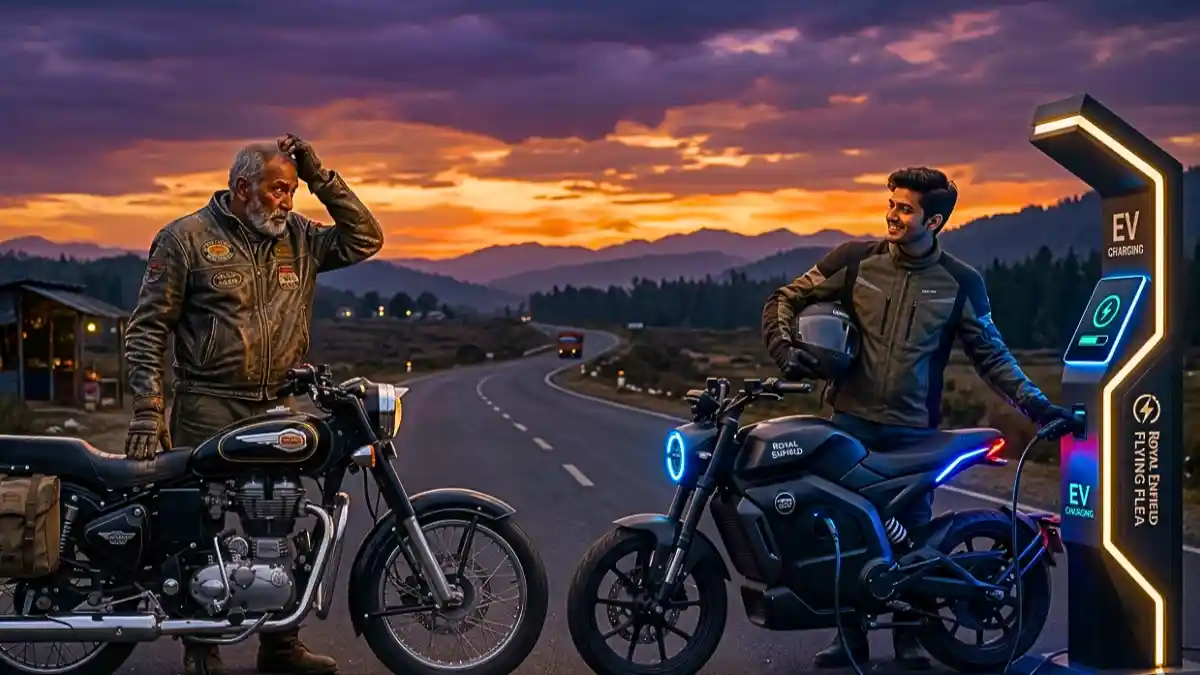
While much of the motorcycle world still debates whether electric is a passing cloud or a permanent storm, Royal Enfield has moved from PowerPoint sketches to product. The Flying Flea sub-brand, a deliberate callback to the lightweight, parachute-droppable RE of wartime legend, has spawned the C6 city bike and an upcoming S6 scrambler. The Tada plant is being soft-pedalled as future-ready, and it doesn’t take a crystal ball to see battery packs and mid-drive motors rolling off its lines alongside petrol tanks.
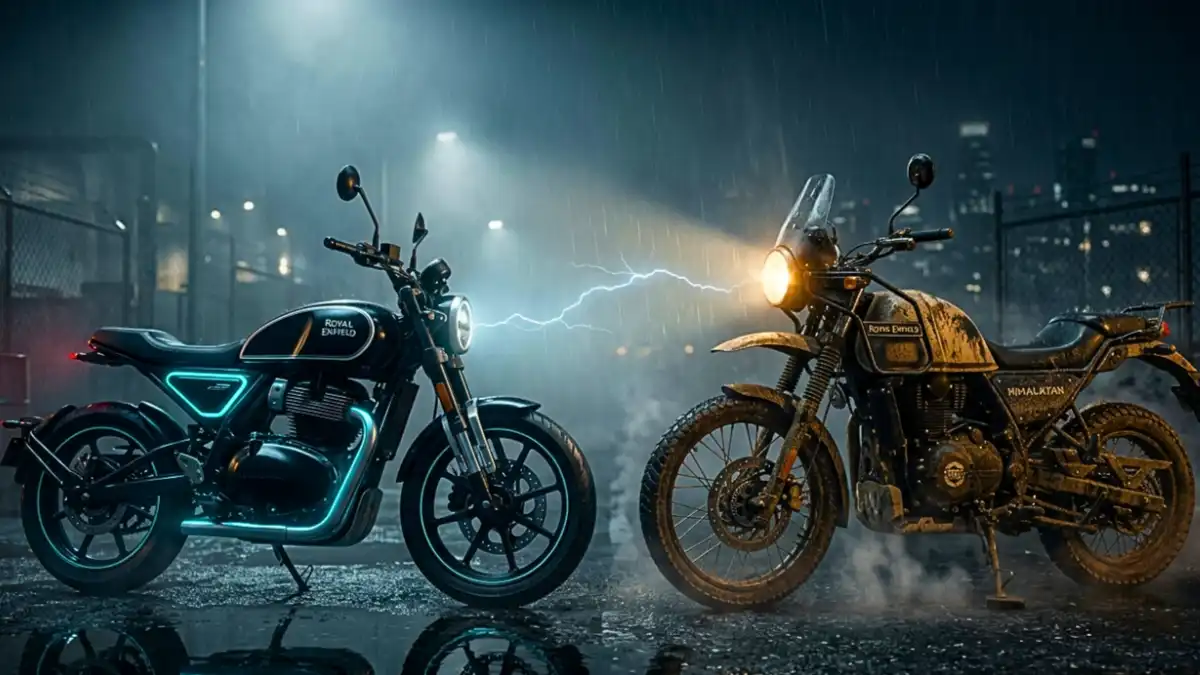
The strategic logic is layered. First, building EVs in a separate facility de-risks the mother plants from the volatility of battery supply chains, safety certification rigours, and the retooling nightmares that come with mixing high-voltage systems and traditional internal combustion workflows. Second, it creates a dedicated talent pool that doesn’t have to unlearn a century of engine worship before embracing torque curves shaped by electrons. Reports of an electrified Himalayan in development suggest Royal Enfield isn’t limiting its electric ambition to urban runabouts; it wants an ADV that can hum silently through forest trails, a segment where zero-noise could be a genuine experiential advantage, not just an emissions checkbox.
More Than Metal: The ICE Pipeline That Refuses to Fade
An aggressive EV push does not mean the petrol tank is retiring. The internal combustion roadmap is bristling with ambition that reads like a wishlist from a fan forum: a Bullet 650 that finally gives the iconic nameplate the twin-cylinder heartbeat it has teased for years; a Himalayan 750 that would push the adventure platform into genuinely long-haul, highway-capable territory; a 450cc scrambler to square up against the neo-retro off-road aesthetic that Triumph and others are mining; and updates to the Continental GT 650, along with fresh spins on the 350cc range that keeps the cash registers ringing.
This multi-cylinder ladder climb is critical. The middleweight segment, roughly 400cc to 900cc, is undergoing a compression event. Triumph’s partnership with Bajaj has dropped the Speed 400 and Scrambler 400X into price brackets that once belonged solely to Royal Enfield’s 350s and 650s. Harley-Davidson’s collaboration with Hero MotoCorp has produced the X440, a machine that wears the bar-and-shield badge at a price that makes the traditional Harley buyer either weep or rejoice. Suddenly, the “premium accessible” space is a knife fight in a phone booth, and Royal Enfield can no longer rely on legacy charm alone. The answer is to widen the moat: a Bullet 650 doesn’t just sell a motorcycle; it sells an emotional bridge between the father’s cast-iron nostalgia and a son’s need for highway overtaking confidence.
The Rs. 2,200 Crore Bet and What It Signals to the Market
An investment pipeline crossing Rs. 2,200 crore by FY27 isn’t a tentative toe-dip; it’s a statement of internally funded confidence. Royal Enfield’s operating cash flows, swollen by consistent sales, are underwriting this expansion without the need to contort itself for external debt or dilute equity. That independence is a moat of its own, allowing the company to chase product cycles that might take years to mature without quarterly shareholder myopia.

But the spend also exposes a vulnerability: execution risk at scale. Juggling a new factory ramp-up, EV platform maturation, and a simultaneous barrage of ICE launches requires project management discipline that is easy to admire on a spreadsheet and brutal to deliver on a shop floor. Supplier development in the Andhra cluster, for instance, won’t replicate Tamil Nadu’s density overnight. A single bottleneck, be it lithium cells, semiconductor chips, or specialised casting, could cause a cascade of delays across multiple model lines.
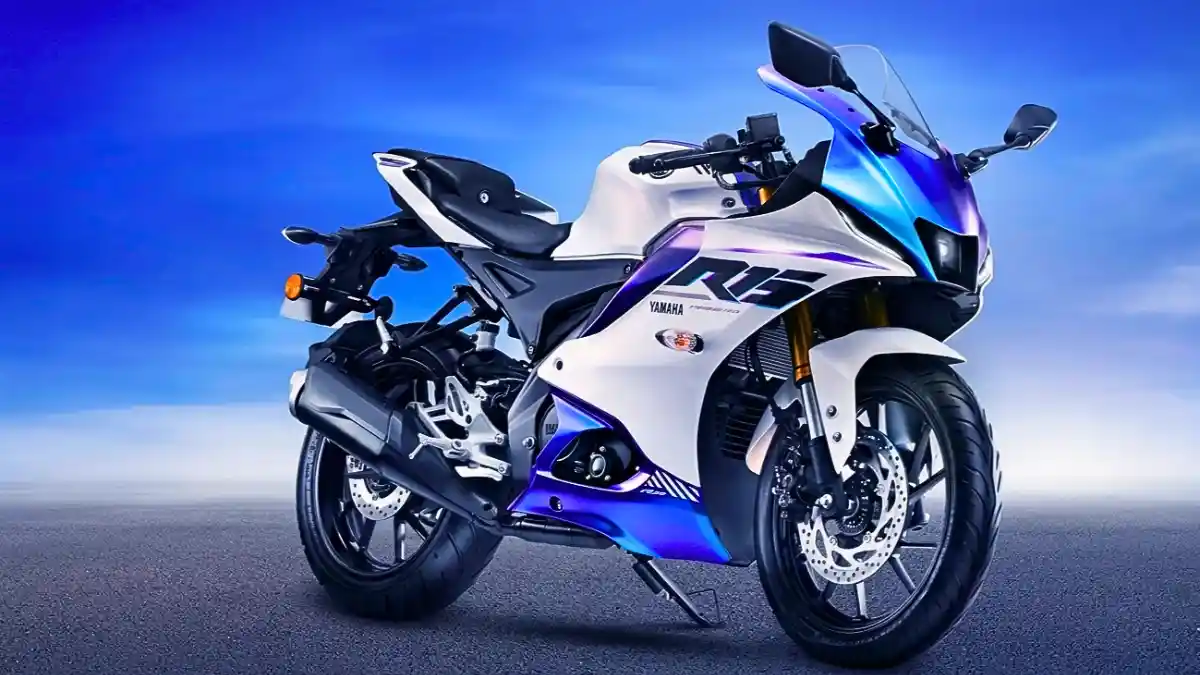
Also Read – Yamaha YZF-R15 in India 2026: Everything You Need to Know Before You Buy
Why This Matters Beyond Balance Sheets
The transformation carries implications for the broader Indian automotive narrative. For decades, the country’s manufacturing story was binary: massive volume, small cars and utilitarian two-wheelers at one end, and CKD-assembled luxury at the other. Royal Enfield’s expansion signals that a genuine mid-to-premium motorcycle export hub can take root in India, one that doesn’t depend on foreign parents for engineering authority. The Flying Flea series, if it gains traction in European low-emission zones and progressive Asian cities, could position an Indian brand as an originator of electric motorcycling culture rather than a mere adopter.
There is also a subtle employment shift. Modern manufacturing lines for electric motorcycles demand software integration skills, battery management expertise, and mechatronics knowledge that differ from traditional foundry and machining trades. The Tada facility could become a magnet for a different kind of talent, pulling engineering graduates from Andhra Pradesh and neighbouring states into a sector that is learning to speak both joules and horsepower.
The Road Ahead: Fragmented Loyalties and the Identity Pivot
The biggest challenge Royal Enfield faces isn’t financial or technological, it’s perceptual. The brand’s identity is so deeply entwined with the sound of a long-stroke single that the silent Flying Flea could feel, to the faithful, like a betrayal. Managing that community sentiment while courting a new, eco-conscious generation is a high-wire act. The company’s decision to keep the Flea under a distinct marque is a smart piece of brand architecture, but it will still need to explain, again and again, that a love of old iron doesn’t preclude curiosity about new circuits.
Simultaneously, the ICE expansion walks a tightrope of emissions regulations that are tightening globally. The Himalayan 750, for all its romantic appeal, will land in a European market that is increasingly hostile to displacement for its own sake. Royal Enfield will need to demonstrate that these engines are clean, efficient, and justifiable, not just charming anachronisms. The investment in R&D behind these models must focus as much on catalytic chemistry and engine management as on styling and torque delivery.
In the end, the Tada plant is not just a factory. It’s a physical hedge against a future where the line between electric and combustion blurs, where Tamil Nadu’s supplier ring may not suffice alone, and where customers demand that a Bullet 650 and an electric Himalayan both feel authentically Royal Enfield. The company that once almost vanished into a niche of 500cc nostalgia is now building a bridge wide enough for both sides of the motorcycling divide to cross. Whether that bridge holds under the weight of its own ambition is the story worth following long after the foundation stones are laid.
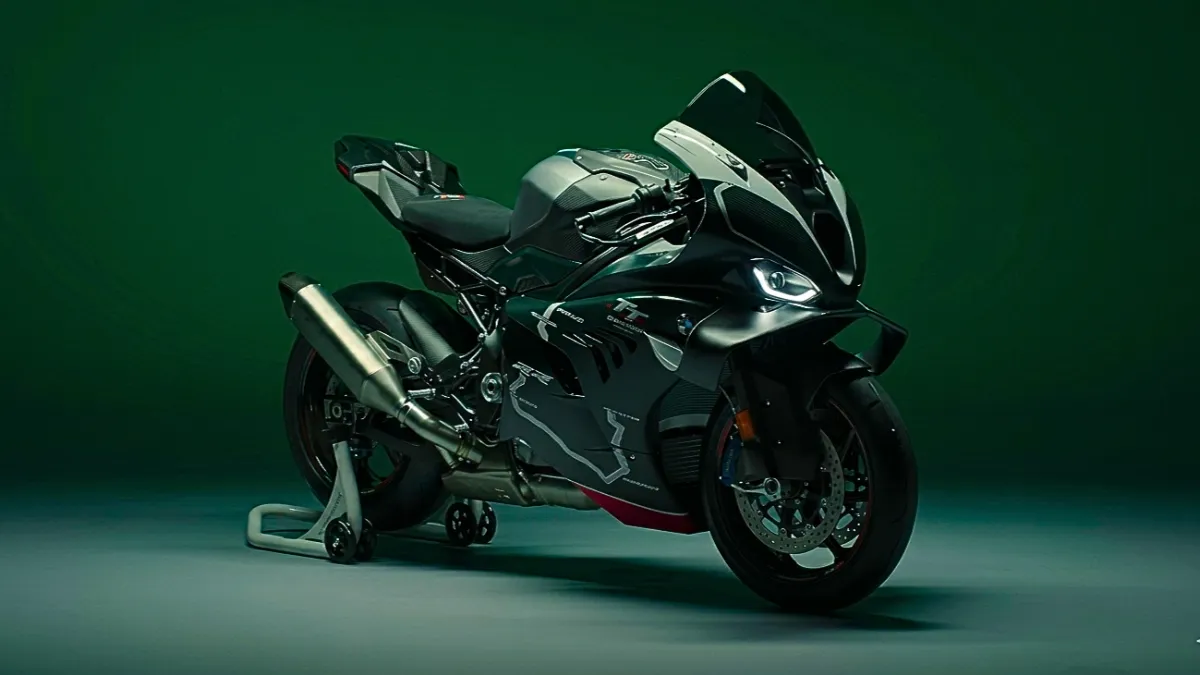
Also Read – BMW M 1000 RR Isle of Man TT Edition: A 115-Unit Ode to the Mountain

Raj is the creative mind curating the special content for the website. From exclusive first-drive reviews to buyer’s guides and comparison tests, Raj ensures our features are engaging and helpful. He loves getting behind the wheel of new launches and creating content that helps our readers pick their dream vehicle. His passion for motorcycles and performance cars is evident in his energetic writing style.