Hey there! So, you’re finally thinking about getting your own wheels? Awesome! Buying used in India is smart. You skip that crazy first-year depreciation hit, and honestly? You get way more bang for your buck. But I totally get the big question buzzing in your head: “Bro, which is the most reliable second hand car to buy?“
It’s the question everyone asks! And for good reason. You don’t want a shiny trap that sucks your wallet dry at the mechanic. Been there, seen the tow trucks, cried over the bills. As a guy who’s spent way too much time under hoods, scrolling through used car ads at 2 AM, and chatting up mechanics for gossip, I feel you. Reliability isn’t just about the engine not blowing up (though that’s nice!). It’s about peace of mind.
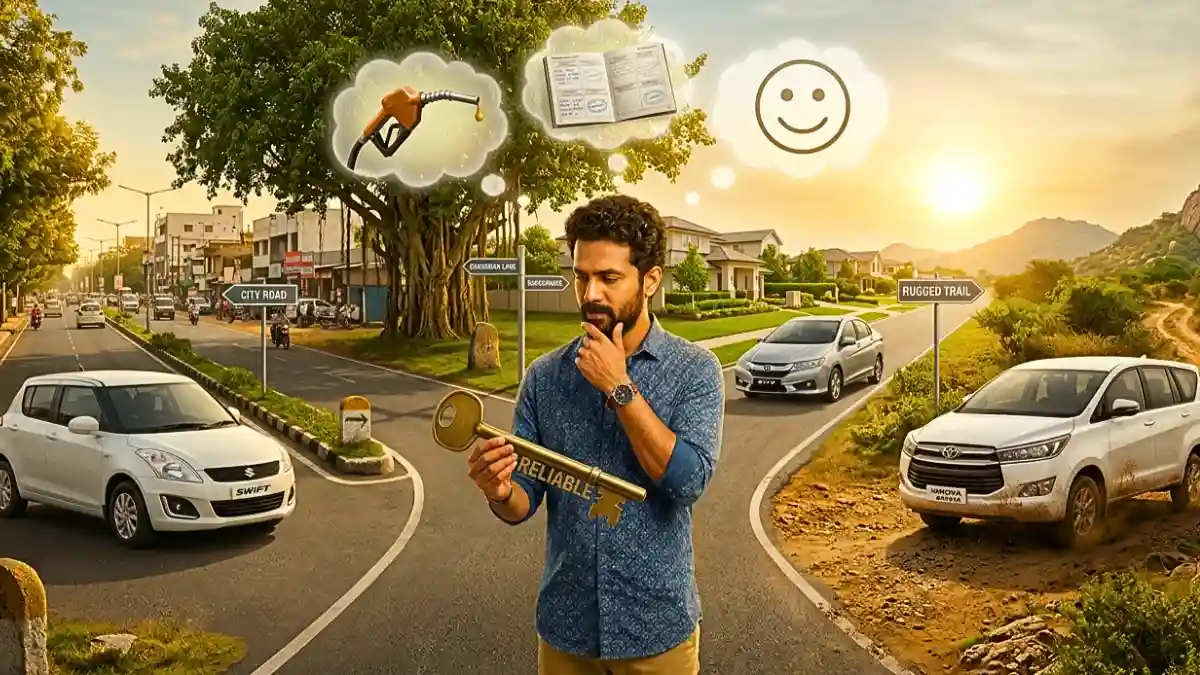
Here’s the Real Talk: There is no single magic “which is the most reliable second hand car to buy” that fits everyone. Shocker, right? But stick with me. It is quite possible to find the most reliable car for you. It depends on your budget, what kind of car you really need, and how you want to drive it. That’s what we find out today. Let’s go!
Why Bother Hunting for “Reliable”? Have You Considered: Which is the most reliable second hand car to buy ?
Simple: Your future self will high-five you. Here’s why:
- Save Your Cash: Fewer surprise repair bills = more money for petrol, road trips, or that sweet sound system upgrade you’ve been eyeing.
- Save Your Sanity: Imagine not having that mini-heart attack every time the engine makes a new weird noise. Bliss.
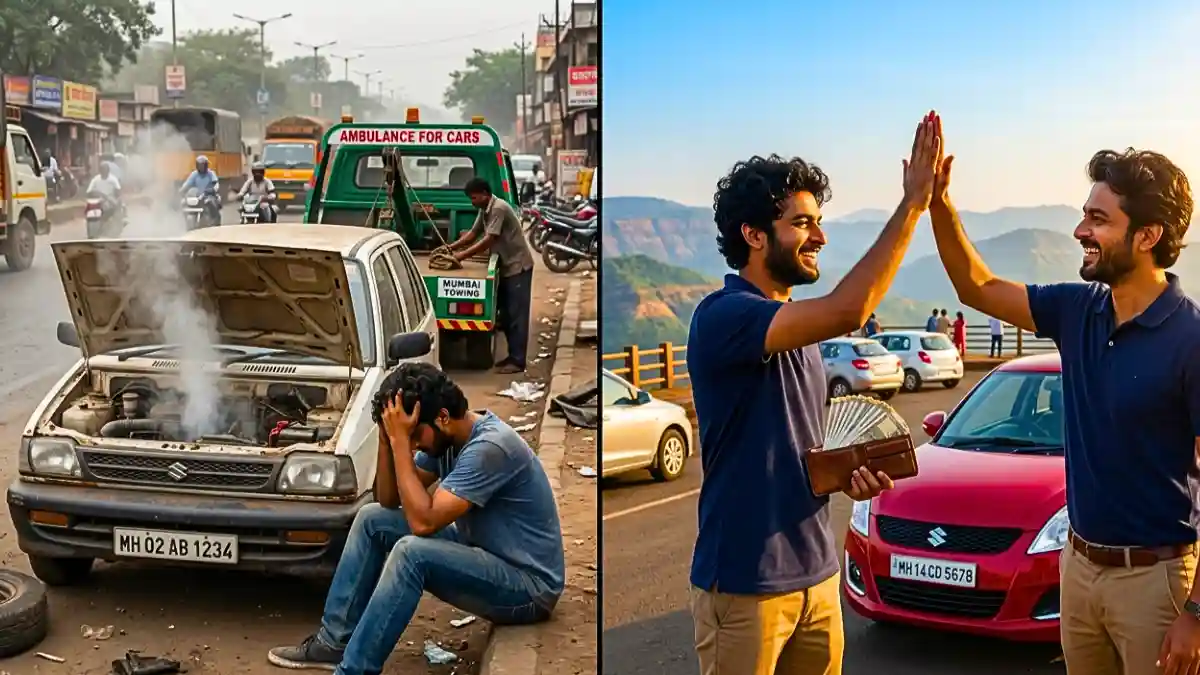
- Get More Money Back Later: When it’s time to upgrade (and we always upgrade!), a car known for reliability sells faster and for a better price. People pay for that trust.
- Save Your Time: Hours wasted at service centers? Waiting for a tow truck? Nope. A reliable car respects your life.
The Secret Sauce: What Makes a Used Car Actually Reliable?
Forget just brand names. When digging through used cars, these things are gold:
So, let’s break down which is the most reliable second hand car to buy ? based on real customer experiences and reviews.
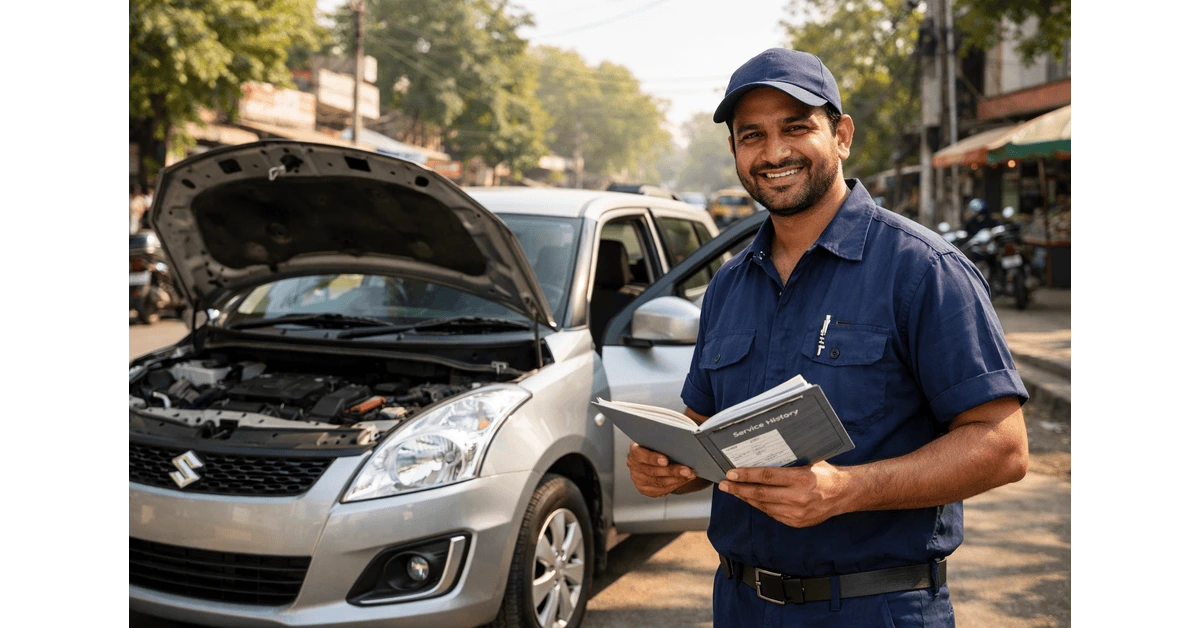
- Service History is GOD: Seriously. A fat, stamped service book from a proper workshop (Maruti, Hyundai dealer, or a known independent garage) is the best sign. It screams, “I was loved!” Run away if it’s missing or looks sketchy.
- Mileage Isn’t Everything: Don’t freak out over high kms! A car with 1 lakh kms but perfect service records is often way better than a 50k km car that’s been neglected. How it was driven and cared for matters more.
- Who Loved it Before?: Fewer owners usually = better. One careful owner often means consistent TLC. Ask why they’re selling!
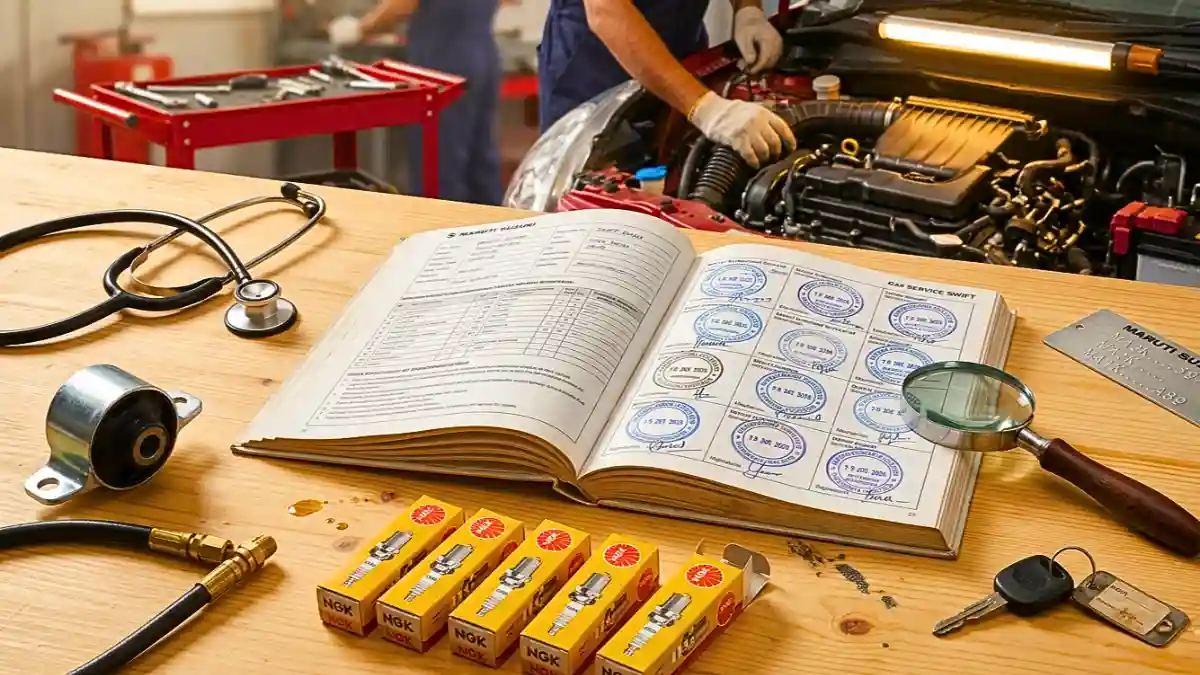
- Age is Just a Number (But…): Even the toughest cars get old. Rubber bits (bushes, hoses), some electronics, and paint fade over 8-10 years. Budget a little extra for these “age fixes” when buying older.
- Can You Fix it Easily? : Can you find parts? Are they affordable? Maruti wins this hands down. Hyundai, Tata, Honda, and Toyota are good too for popular models. Avoid super rare or ancient discontinued cars – finding parts becomes a nightmare.
- Built Tough: Some cars are just engineered better from the start. Think simple, strong engines (Maruti K-series, Honda i-VTEC), manual gearboxes (usually simpler than old automatics), and suspensions that laugh at our potholes. Japanese heritage (Maruti = Suzuki, Honda, Toyota) helps here.
The Reliability Rockstars: Let’s Break it Down by Type!
Alright, enough theory! Based on years of owner rants, mechanic nods, resale values, and just seeing what floods our roads, here are the top dogs in each category:
1. City Slickers & Budget Heroes: Hatchbacks
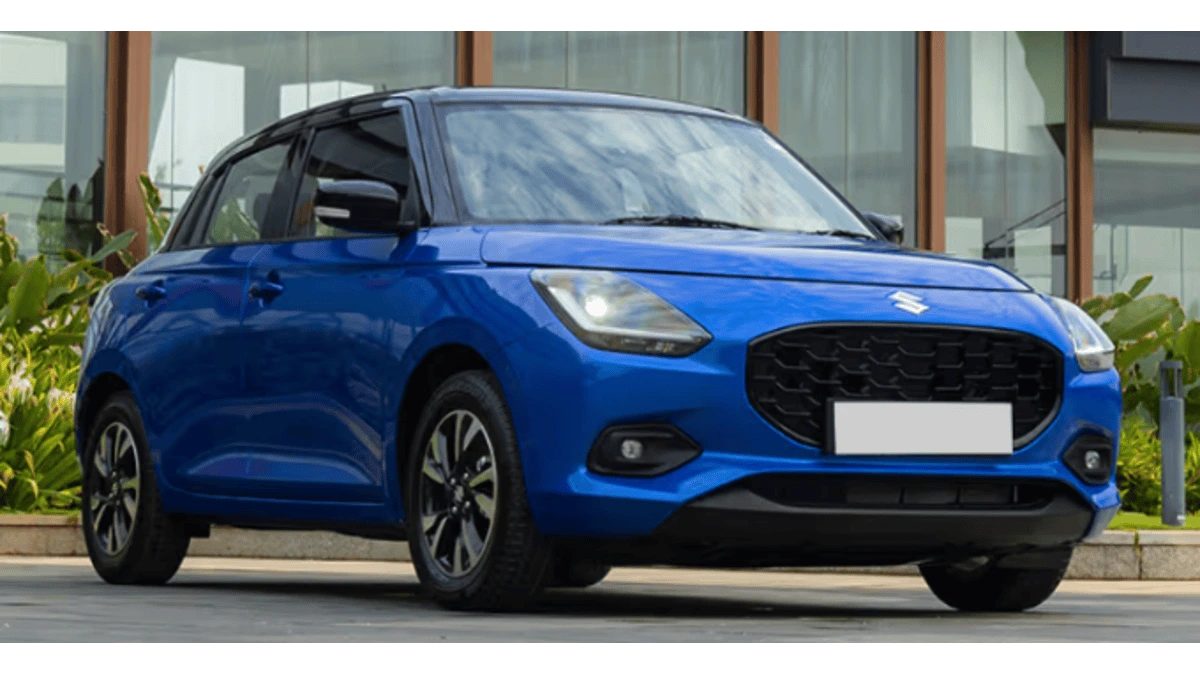
- Maruti Suzuki Swift : The GOAT. Why? K-Series engines (like the K12B) are legendary – tough as nails and sip fuel. Parts? Everywhere, dirt cheap. Simple suspension. Every mechanic knows them. Look Out For: Rust (check wheel arches!), clutch wear in stop-start traffic, and rattly interiors after heavy use.
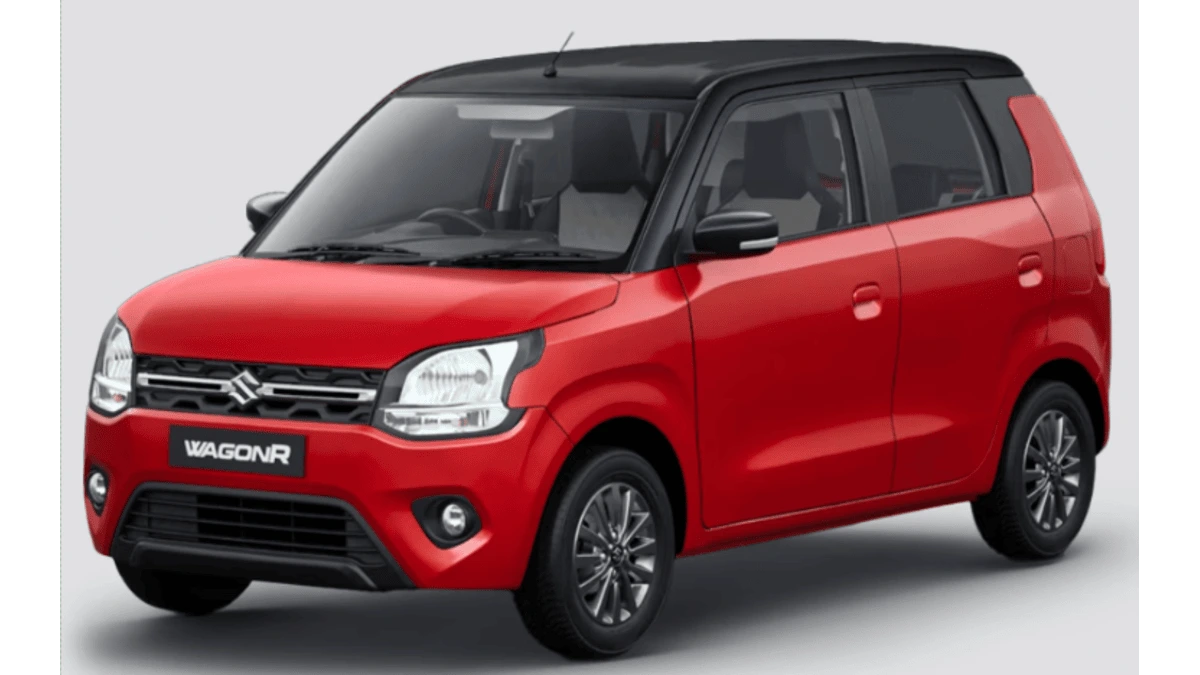
- Maruti Suzuki Wagon R : The boxy legend. Maybe not cool, but oh-so-sensible and unkillable. Tall stance = great city view. Same K-Series magic. Fits everything. Runs forever on basic care. Look Out For: Thin metal dents easily, interiors feel cheap/wear fast, check suspension on high-mileage ones.
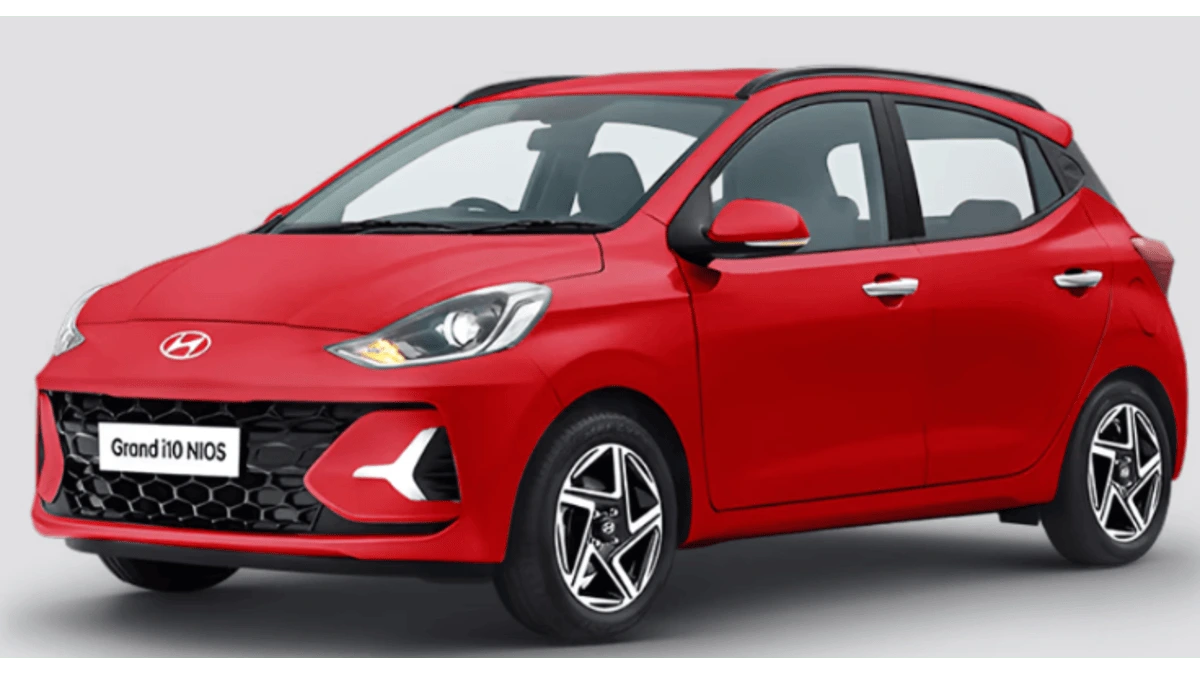
- Hyundai i10 : Feels fancier than a Maruti. The 1.2L Kappa engine is smooth and solid. Build quality is decent. Parts easy to find (a tad costlier than Maruti). Look Out For: Early models had minor niggles, check service history. Watch for weird electrical gremlins in older ones.
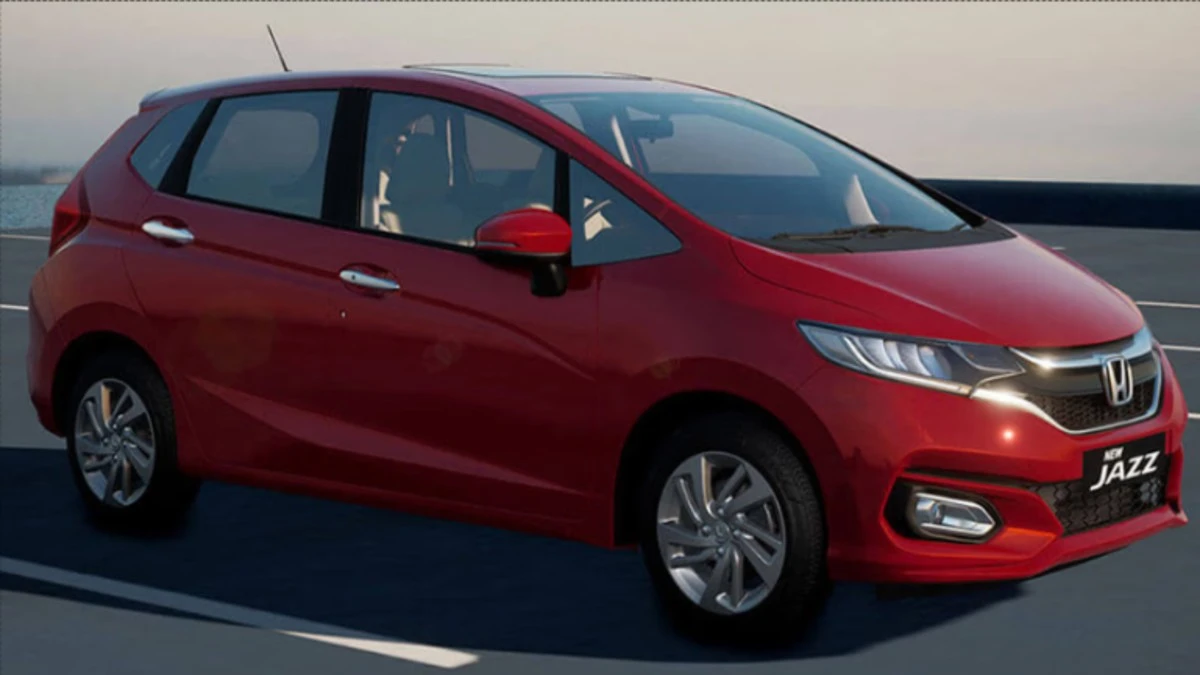
- Honda Jazz: Interior wizardry and feels super well-built. Honda’s 1.2L i-VTEC? Pure reliability bliss. Look Out For: Costs more upfront, parts pricier than Maruti/Hyundai (but available), get older automatics (CVT) checked carefully.
2. Family Cruisers & Comfort Kings: Sedans
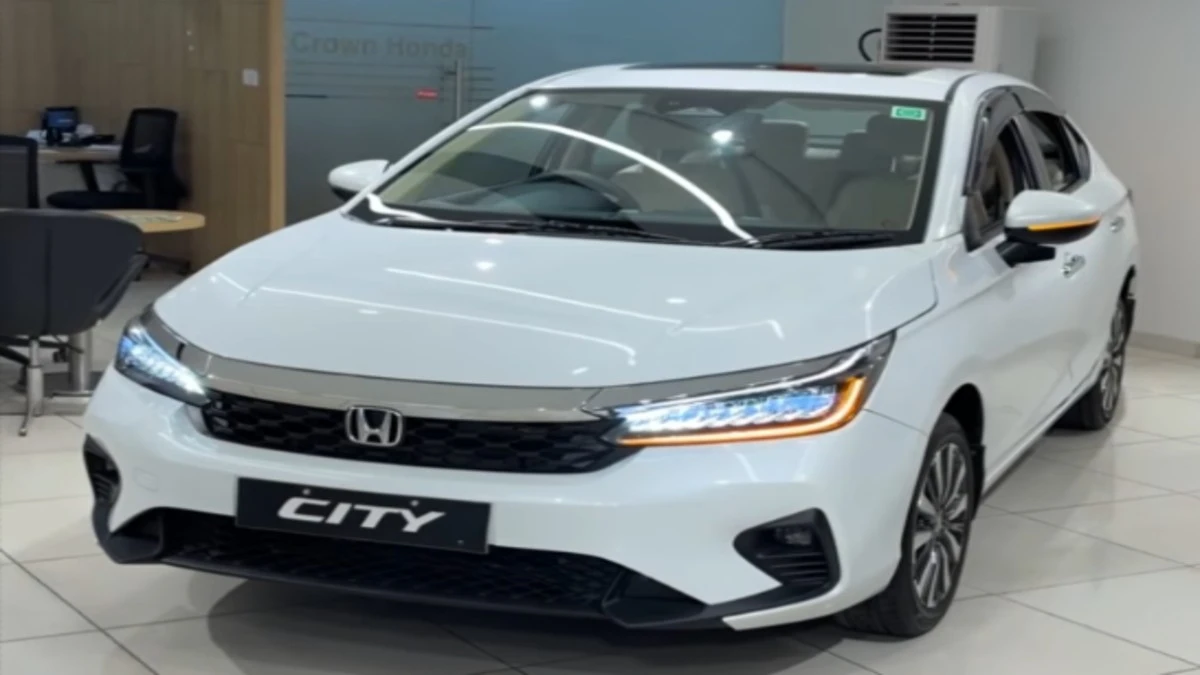
- Honda City: The king of reliable sedans. That 1.5L i-VTEC engine is a masterpiece – smooth, powerful, lasts forever. Feels premium. Holds value crazy well. Look Out For: Maintenance costs more than Maruti (worth it!), check suspension on high-km cars. Critical: Make sure timing belt changes were done on time!
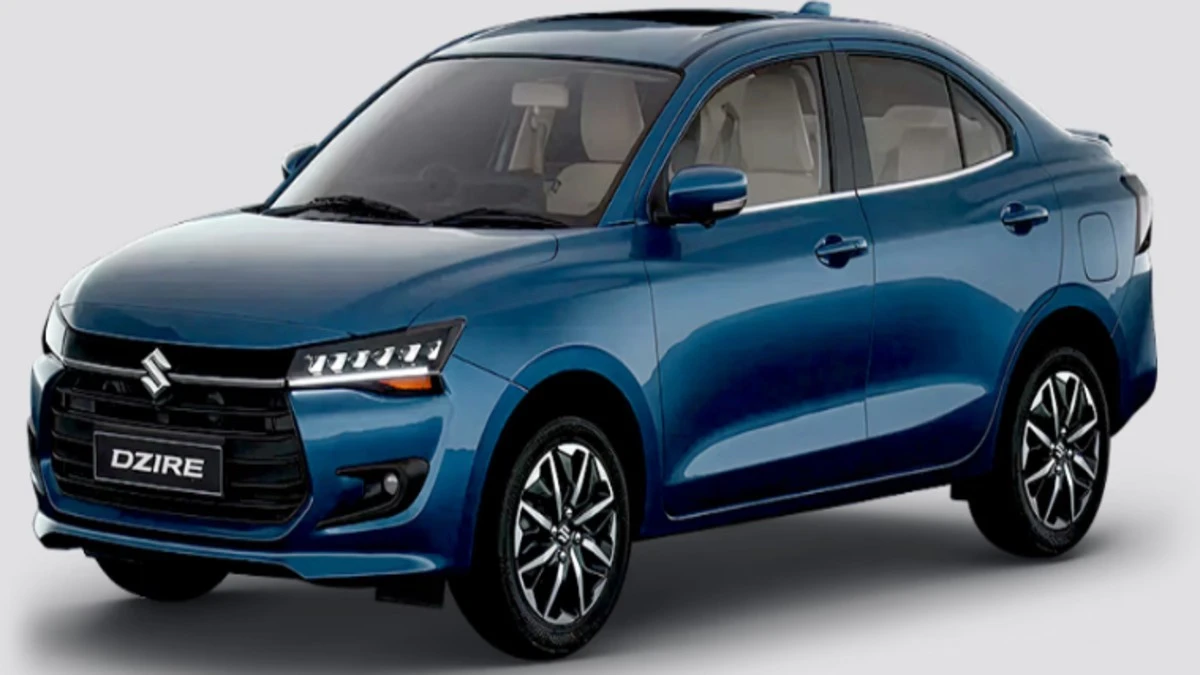
- Maruti Suzuki Dzire: Basically a Swift with a boot! Gets the Swift’s K-Series engine reliability and cheap running costs. Super practical. Look Out For: Same as Swift – rust, clutch, interior wear. Early ones feel basic.
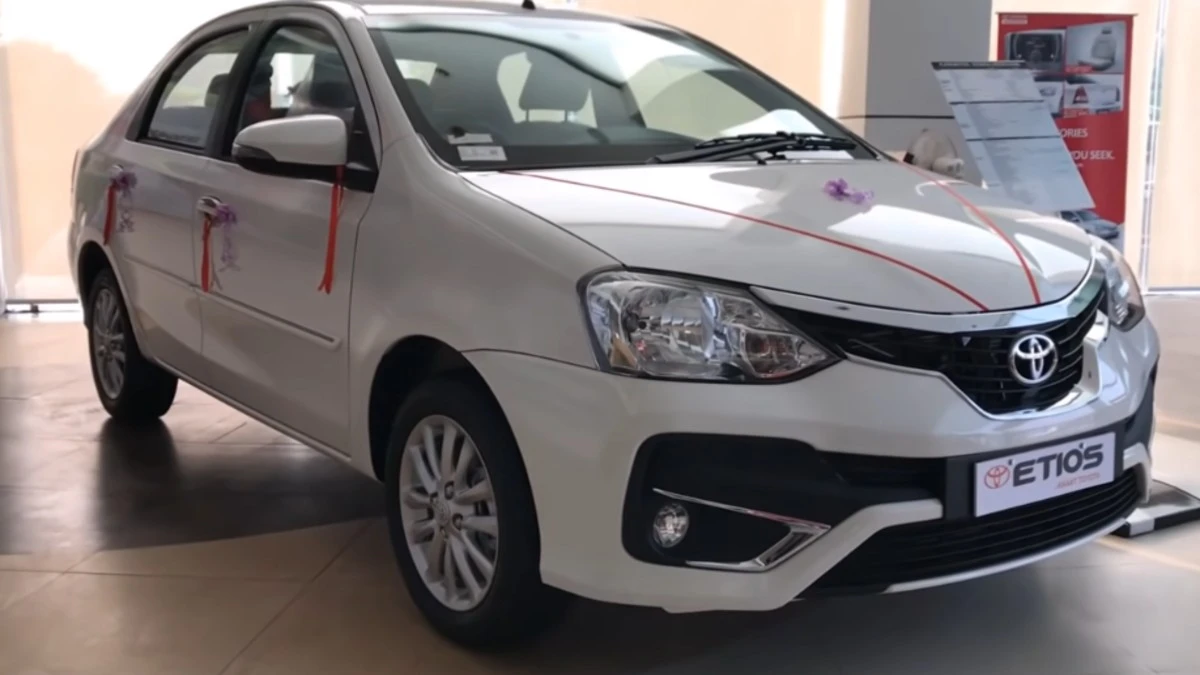
- Toyota Etios: Okay, the interior feels like a budget airline seat. BUT. The engines (1.5L petrol, 1.4L diesel) are unstressed tanks. Built for abuse. Seriously low drama. Look Out For: That plasticky, rattly interior, boring to drive, inspect diesel turbo/injectors carefully at high miles.
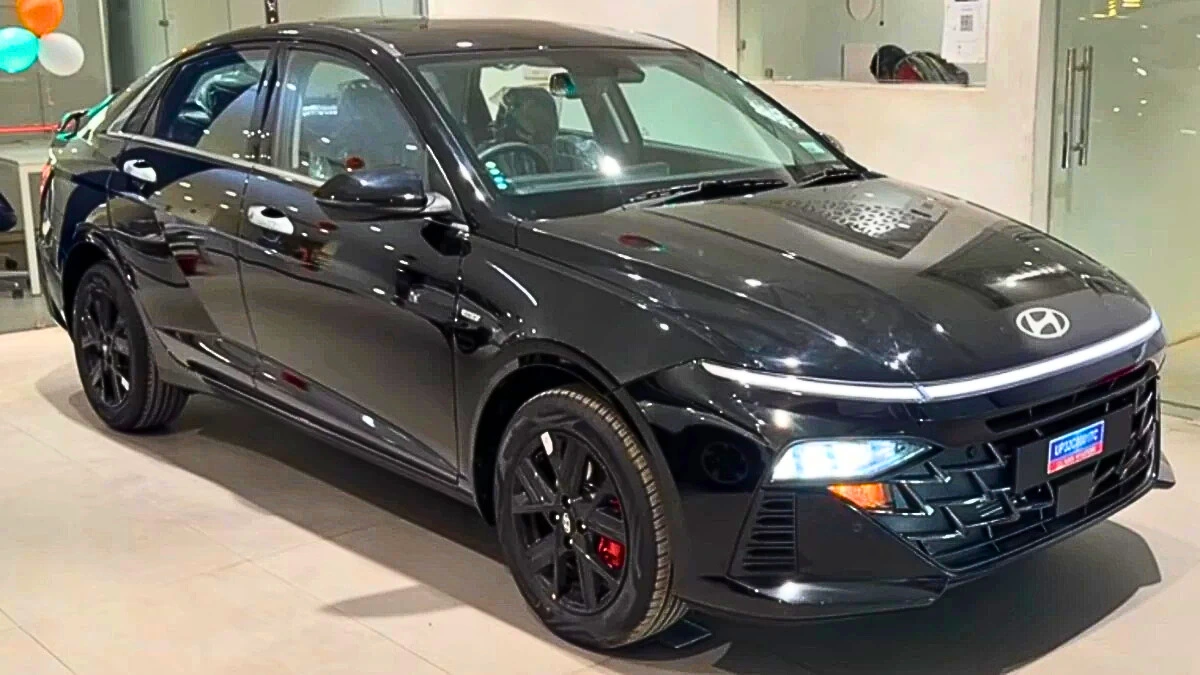
- Hyundai Verna: More features and sportier than City/Etios. The 1.6L petrol is generally trustworthy. Feels well put together. Look Out For: Suspension can wear faster on bad roads, and older automatics need a close look.
3. Family Haulers & Road Trip Beasts: SUVs & MPVs
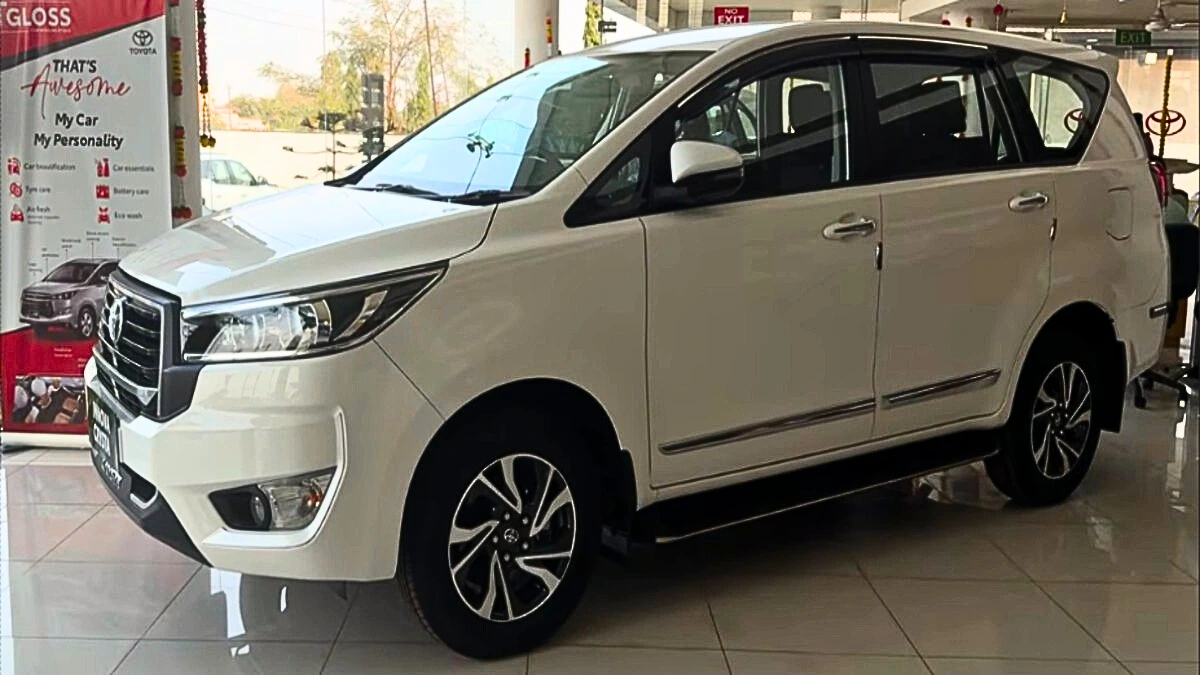
- Toyota Innova Crysta: Captain India. Taxi fleets and big families swear by it for a reason. That older 2.5L diesel? Almost impossible to kill. Built to carry the world. Resale value is insane. Look Out For: Costs a bomb even used, drinks fuel (petrol is thirstier!), base models lack features, listen for rattles meaning hard use.
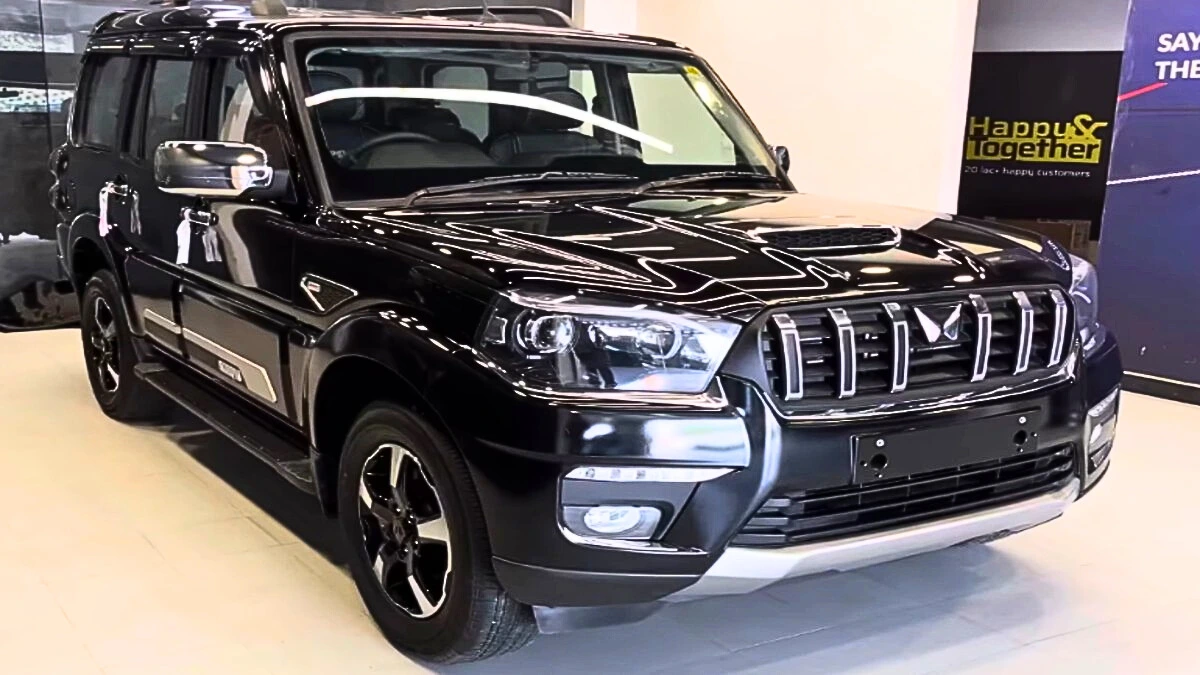
- Mahindra Scorpio: The rugged desi king. M-Hawk 2.2L diesel is tough and torquey. Proper ladder frame = takes our roads head-on. Huge presence, great ground clearance. Parts easy and affordable. Look Out For: Not as refined as Japanese, can feel bouncy on highways, interiors wear out, check clutch/steering on high-mileage ones.
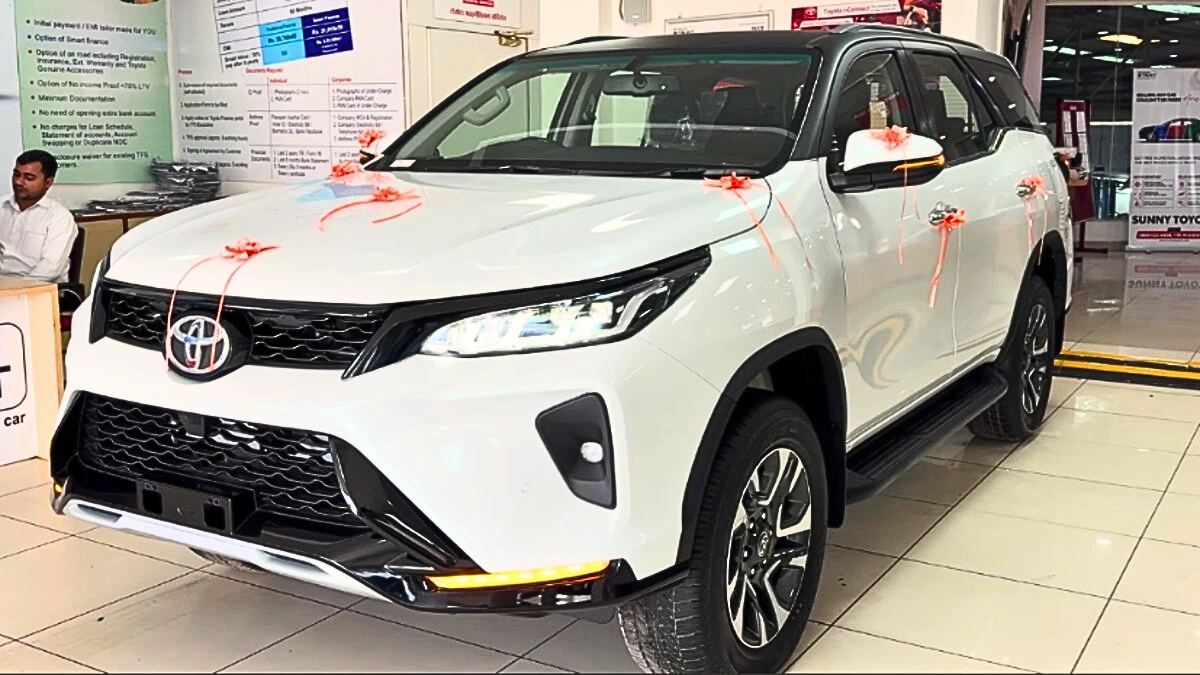
- Toyota Fortuner: The premium big daddy. Shares the Innova’s “run forever” genes, but tougher and more powerful. 3.0L diesel is a beast. Holds value like crazy. Look Out For: Very expensive used, suspension is stiff (empty), thirsty beast, check for off-road battle scars!
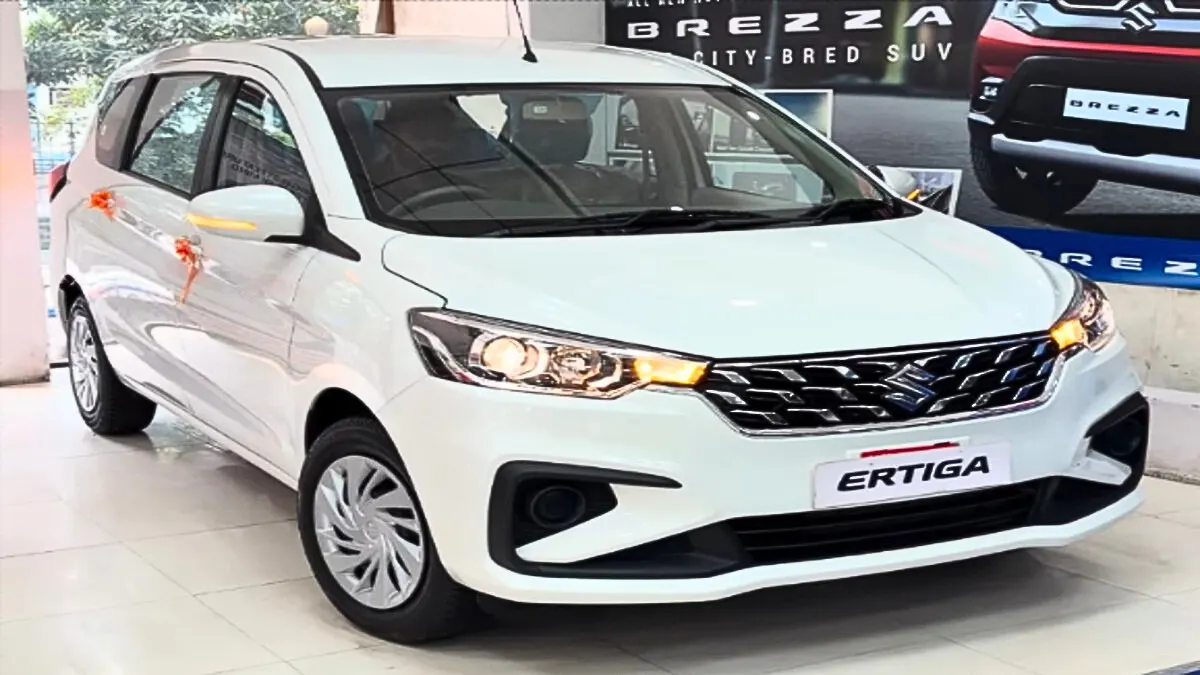
- Maruti Suzuki Ertiga : Compact, easy-to-drive MPV. Leverages Maruti’s K-Series petrol reliability and mega service network. Super practical, cheap to run. Look Out For: The 1.3L diesel (DDiS 200) is okay, but check the turbo at high miles. Petrol is the simpler, more reliable choice here. Not as tough as an Innova.
4. Super Budget Heroes:
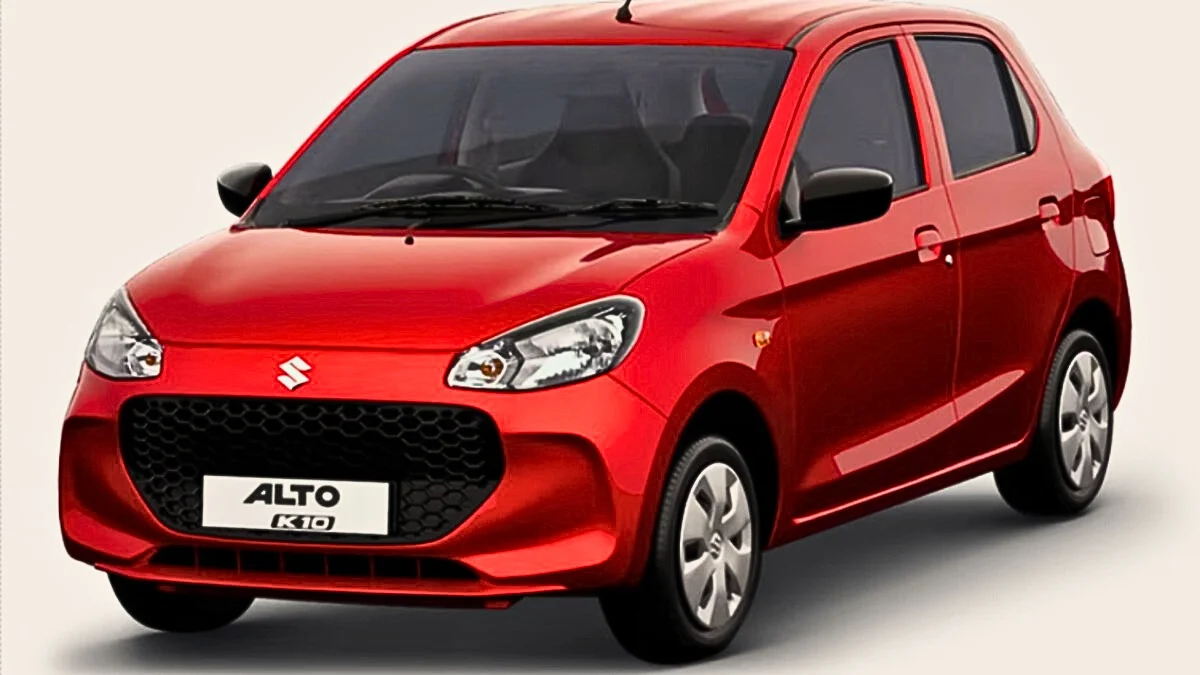
- Maruti Suzuki Alto K10: Bare-bones, cheap motoring. Tiny engines are simple and hard to break. Running costs? Almost nothing. Pure A-to-B reliability on a tight budget. Look Out For: Very basic, minimal safety (older ones), feels flimsy, check for rust/crash damage.
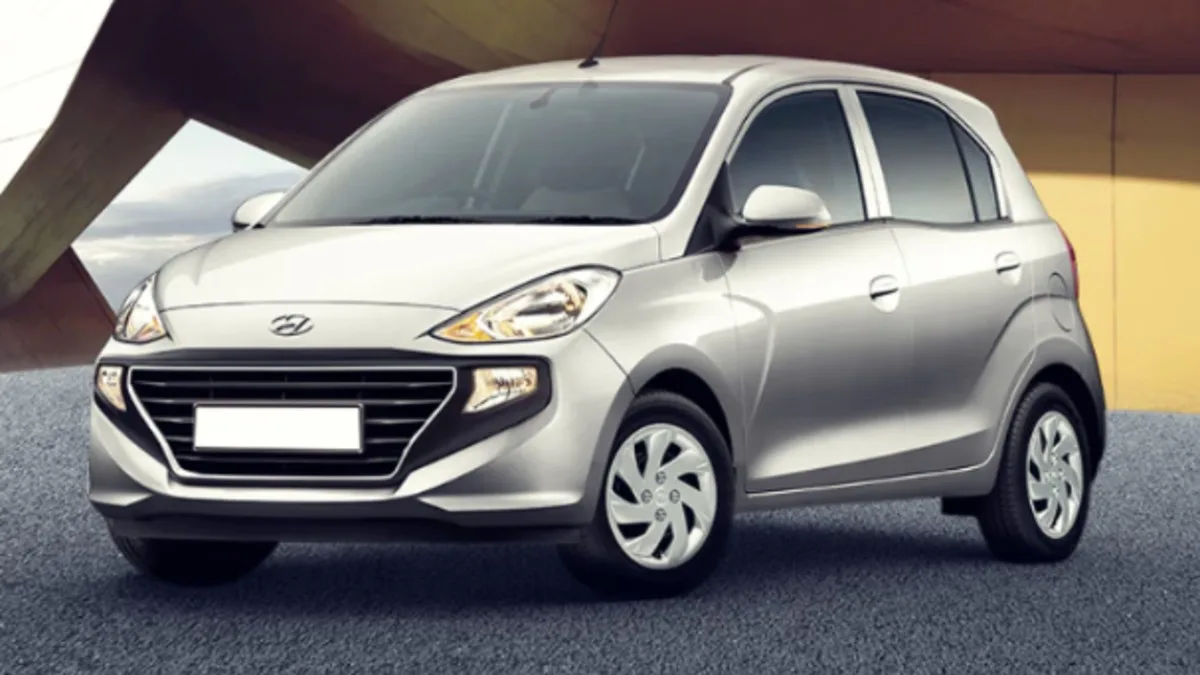
- Hyundai Santro: Simple, honest hatchback. Easy to drive, cheap to fix, parts everywhere. Solid budget pick. Look Out For: Getting old now, expect wear and tear.
5. Quick Diesel Reality Check:
Some of the above have diesels . But the world changed:
- Old Diesels (Pre-BS4): These may face more restrictions in cities. Reselling may also be difficult.
- More kilometres = more risk: Diesel engines are robust, but if the turbos, injectors, and high-pressure fuel pumps are neglected, they can be very expensive to repair. Full service history is Vital.
- Only Buy Diesel If: You drive huge highway miles (like 1500km+ monthly). Otherwise, petrol (or CNG) is usually the safer, more headache-free choice for most buyers now.
EVs? (The Used Scene is Still Young…)
You’ll see early Mahindra e-Veritos or Tata Nexon EVs popping up. EVs can be super reliable (way fewer parts to break!), but battery health is everything. Replacing one costs more than the car right now!
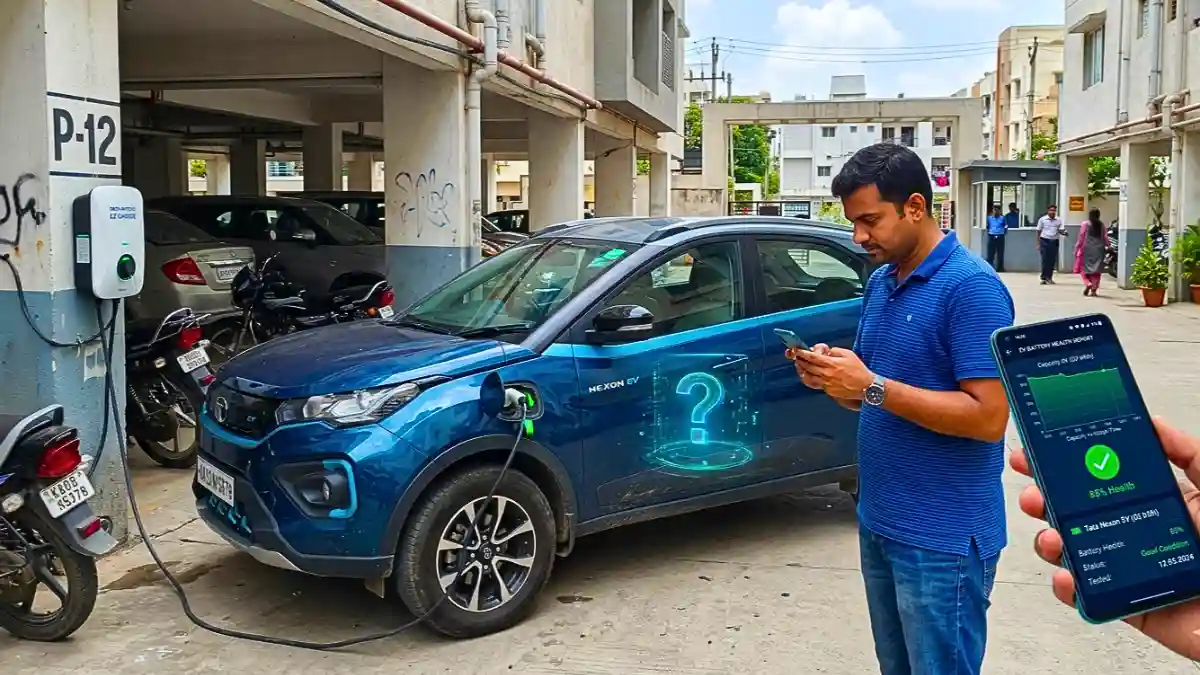
For now: Unless you find a killer deal with verified battery health reports and plenty of warranty left and charging is sorted at home… stick to petrol/diesel for proven used reliability. This will change fast, though!
Your Step-by-Step Guide to Finding Your Gem
Knowing the models is step one. Doing this is how you actually find the reliable one:
- SERVICE HISTORY OR BUST: Seriously. Walk away if it’s missing or incomplete (unless it’s priced for a major fix and you’re ready for it).
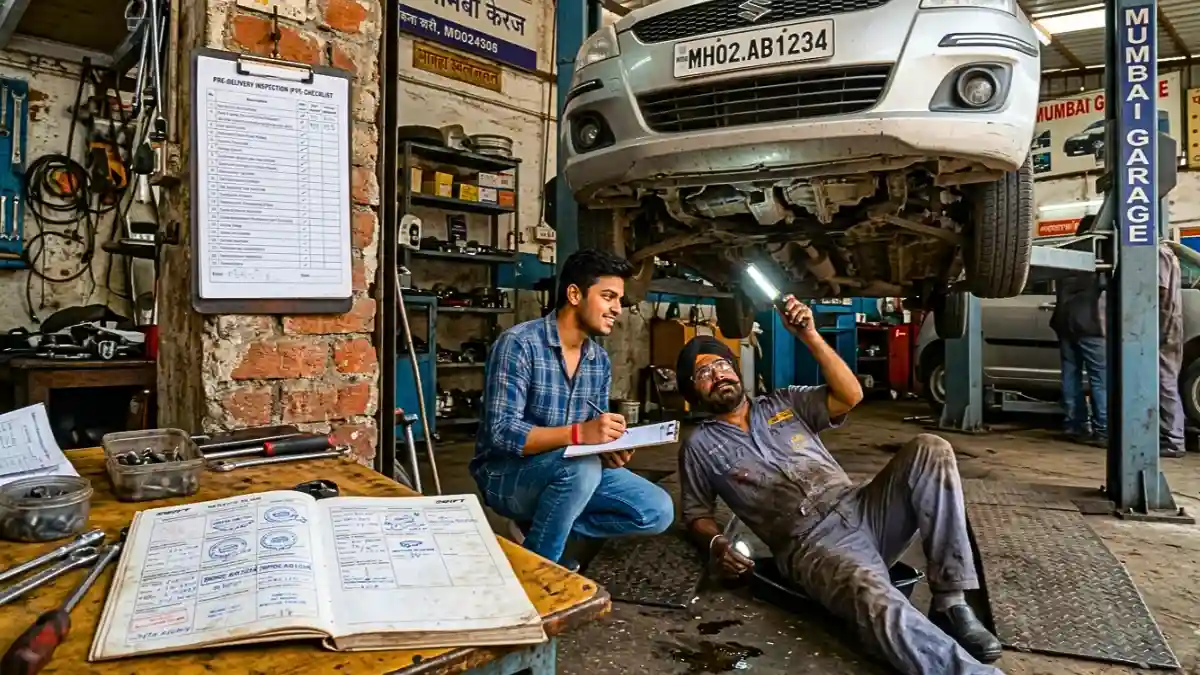
- GET A MECHANIC BUDDY: Spend on a PRE-PURCHASE INSPECTION (PPI)! Take it to a mechanic you trust. They’ll check compression, suspension, brakes, leaks, electronics – everything. Best ₹2000-₹3000 you’ll ever spend.
- TEST DRIVE LIKE A DETECTIVE:
- Start it cold (listen for weird noises right away).
- Listen for knocks, rattles, whines.
- Test all gears (especially automatics!).
- Brake hard (shouldn’t pull).
- Steering should feel straight.
- AC must blow cold.
- Test every button, switch, window.
- Drive over bumps – listen for clunks.
- EYEBALL IT GOOD:
- Check panel gaps – are they even?
- Look for mismatched paint (means repair).
- Hunt for rust (under doors, wheel wells).
- Interior wear – seats, pedals, steering wheel – does it match the km reading?
- Sniff test – damp or fuel smell? Bad news.
- PAPERWORK PANTS:
- Match the VIN number (on the car) with the RC.
- Check online (VAHAN) for loans or theft records.
- Make sure the seller is the registered owner. Avoid “third-party” sales.
- TRUST YOUR GUT: If something feels shady, or the seller is pushy? Just walk. There are always other cars.
So… What’s Your Most Reliable Used Car?
See ? It depends! But now you know how to find it:
- Need a city tank? Swift, Wagon R, i10.
- Want comfy family sedan vibes? Honda City (my top pick!), Dzire.
- Hauling 7 people or exploring? Innova , Scorpio.
- Budget super tight? Alto, Santro.
- Need rugged cred? Scorpio M-Hawk.
Bottom Line:
Finding which is the most reliable second hand car to buy, is about picking a proven warrior, finding one that was truly cared for (service book!), and getting a pro to check it out. Don’t rush. Be patient. Ask questions.
When you find “The One” – the car that starts every time, eats potholes for breakfast, and just keeps going – it feels amazing. Like finding a trusty buddy for all your adventures.
FAQ –
1. Which car is good for daily use ?
Ans – The best daily cars balance reliability, economy, and comfort, with top contenders often being Japanese brands like Maruti Suzuki (WagonR, Swift) and Toyota (Innova Crysta), known for low maintenance, alongside versatile options like Hyundai (Creta, Venue) and Kia (Seltos, Sonet), offering modern tech and SUV practicality; for budget-friendly reliability, consider Tata (Tiago, Punch), while reliable sporty choices include Japanese models like the Mazda 3 or performance luxury from BMW (M2, M3 Touring) and Audi (RS6 Avant).
2. Which luxury car has the lowest maintenance cost in India ?
Ans – The Audi A4, Mercedes-Benz C-Class, BMW 3-Series, Skoda Superb and Lexus ES are all great choices for those looking for low maintenance luxury cars in India. With an excellent track record and Chola MS Car insurance, you can protect your investment and enjoy your ride with complete peace of mind. So why wait?
3. Which is the Indian No. 1 safest car ?
Ans – There isn’t a single “No. 1” safest car in India, as several models achieve top 5-star ratings from Global NCAP (GNCAP) and Bharat NCAP (BNCAP) with excellent scores, including the Tata Harrier/Safari, Mahindra XUV 3XO, Tata Nexon, Volkswagen Virtus/Skoda Slavia, and Maruti Suzuki Dzire. The Tata Punch EV holds a top score under BNCAP, while the Tata Harrier often leads GNCAP lists for adult safety with high points, but many others offer exceptional protection, so the “safest” depends on your specific needs and the latest test results.
4. What is the best second hand car to purchase ?
Ans – The best second-hand car depends on your needs, but popular reliable choices consistently include the Honda City, Maruti Suzuki Swift/WagonR/Baleno, Hyundai Creta/i20, and Toyota Innova Crysta, prized for their fuel efficiency, low maintenance, and strong resale value, with the final decision hinging on budget, size, and specific features.
5. Is it good to buy a 7 year old car ?
Ans – Buying a 7-year-old car can offer great value if well-maintained, providing significant savings over new, but requires careful inspection for potential repairs and aging components like suspension and electronics. It’s a good choice for budget-conscious buyers, new drivers, or those wanting a reliable second car, especially if you find a durable model with good history; otherwise, new offers modern tech and fewer immediate issues.
Also Read – How to Choose the Right Car for Indian Roads: Your Ultimate Guide (No BS, Just Real Talk!)

Rohit is the visionary behind CarBikeJunction. With over a decade of experience in automotive journalism and a deep love for mechanical engineering, he ensures that every piece of content that goes live meets the highest standards of quality and accuracy. As Editor-in-Chief, he oversees the editorial direction of the website and is often found test-driving the toughest SUVs or analyzing market trends. His leadership is the driving force behind our platform.