
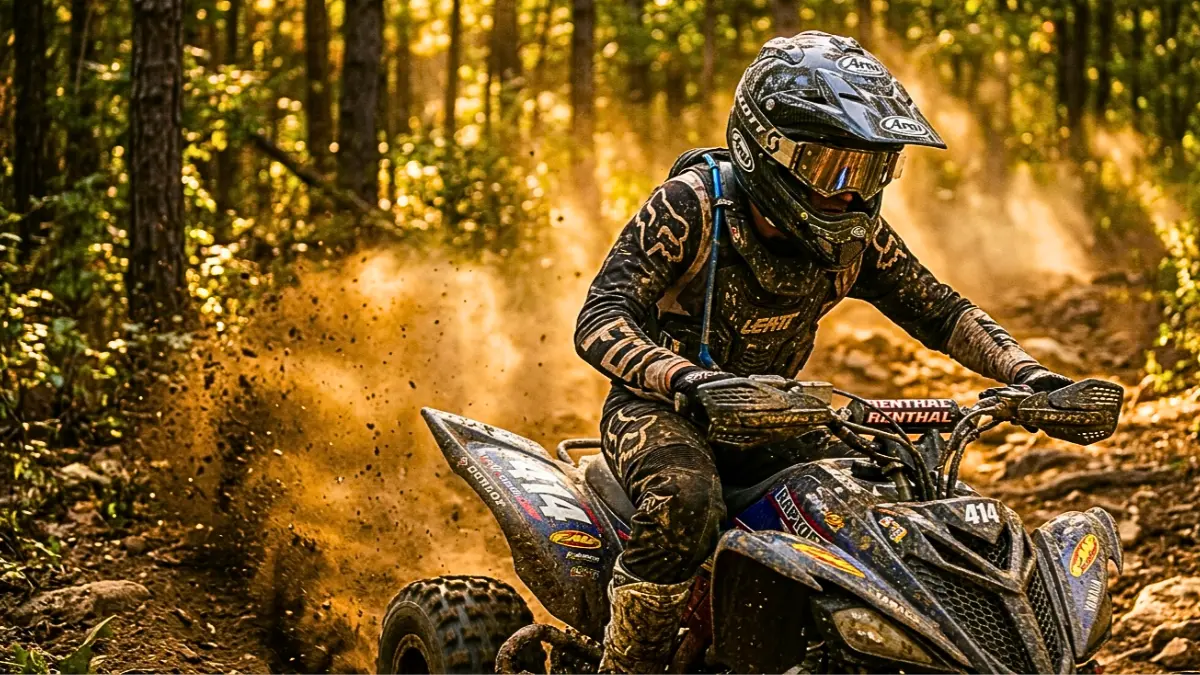
Hello everyone! So today we are gonna talk about ATV Helmets. You now have a quad, or perhaps you have decided to get more serious with your riding lots this season, now you are asking yourself, what is the best helmet for atv riding to put your money into? I have been there a right. I recall being in a gear shop and seeing a shelf of helmets and not knowing at all half of the specifications. The chin bar, MIPS, rotational force reduction, it may all be too much within a sub-acute time frame.
By this, we mean that you will never make a more significant decision as an ATV rider at this stage: you have to choose the most suitable helmet to ride with. And it is not as in the case of a jersey or gloves, where the bad selection of an object will not be accompanied by a small inconvenience. Your helmet is nothing more than a brain trauma guard between you. And, by, it is a lot.
The 10 best ATV helmets in 2026 that I will stroll through in this guide, what each of these following helmets is all about, and which one of these 10 best helmet for atv riding suits you what type of riding you do. One day you can be driving through the bush, or working on the ranch, or you can be a serious racer – we have something to suit you. Let’s get into it.
The reason why the Right ATV Helmet is the best
To start with, not everything is a helmet, and neither is everything a motorcycle helmet a good ATV helmet. Riding an ATV is another thing. You have roost (boulders and thorns that clatter against your features at the other riders), branches of all sizes that look like they come into your path every time you have no idea of it, rough ground that can unseat you at any rate, and speeds that can be much more impressive than you had imagined. That’s exactly why you need the best helmet for atv riding, designed specifically for these conditions.
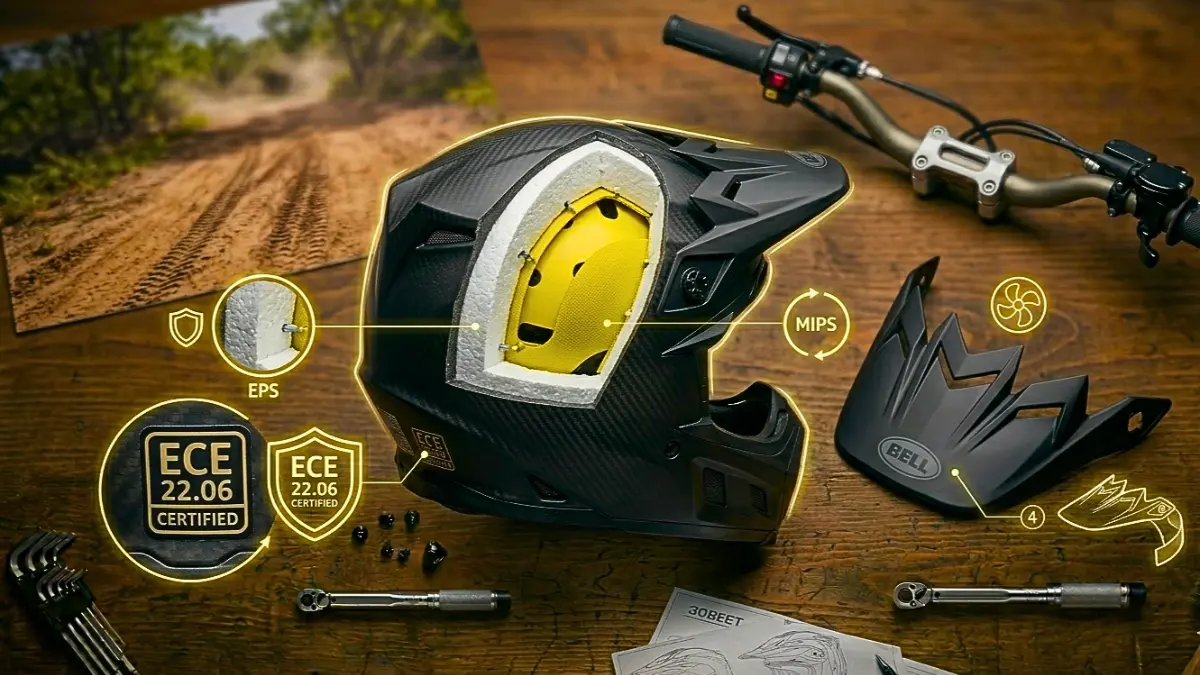
ATV helmets are designed to withstand all that, and most particularly the best. They typically have:
- Motocross-style/peak visor – your eyes are out of the roost and out of the reach of the branches.
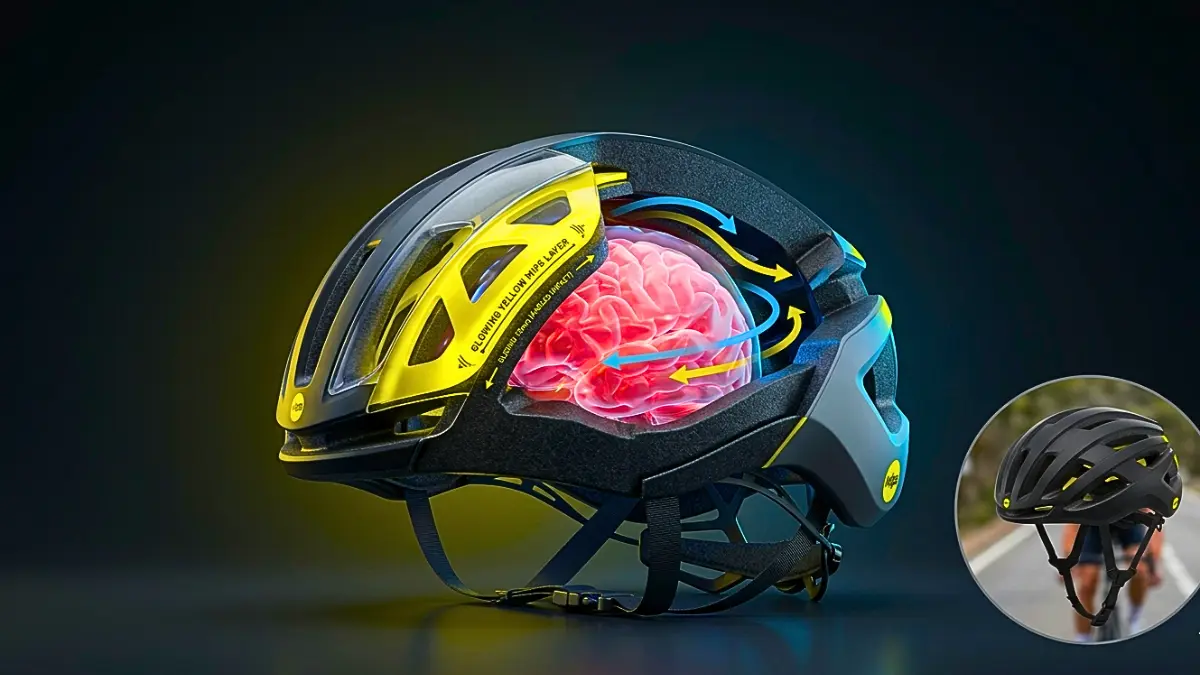
- MIPS or other rotation protection- because in real life, most actual crashes occur oblique and not straight.
- Covers the entire face – safeguards the chin that is one of the most frequent hits.
- Good ventilation- This is credited to the fact that trail riding and track riding are sweltering in a short period of time.
- ECE 22.06 or Snell certification – important for your safety, or the highway.
The 10 best helmet for atv riding in 2026
1. Fox racing V3 RS Carbon – Best high quality ATV Helmet
- Price: ~$700
- Safety Rating: DOT, ECE 22.06 certified
- Weight: ~2.9 lbs
- Contraindicated: Leisure trail riders, and racers.
- And, in case you would like the cream of the crop, but are not willing to pay more than $800, I would suggest to the Fox V3 RS Carbon to you with no second thoughts. It is the first professional level motocross helmet that includes the MIPS Integra Split Protection System – a little different, but in essence, the most advanced rotational protection system in any off-road helmet to date. This alone makes it a true best helmet for atv riding for those who want cutting-edge safety.
- What appears to most impress me about the V3 RS is how Fox has been able to become the first manufacturer to release a pro-end technology at a price that does not make them sell a kidney. Other competing helmets of such specifications, such as the Bell Moto-10 Spherical or the Alpinestars Supertech M10, usually command an extra $200 or $300 price. In the hunt for the best helmet for atv riding, that kind of value-for-spec ratio is rare.
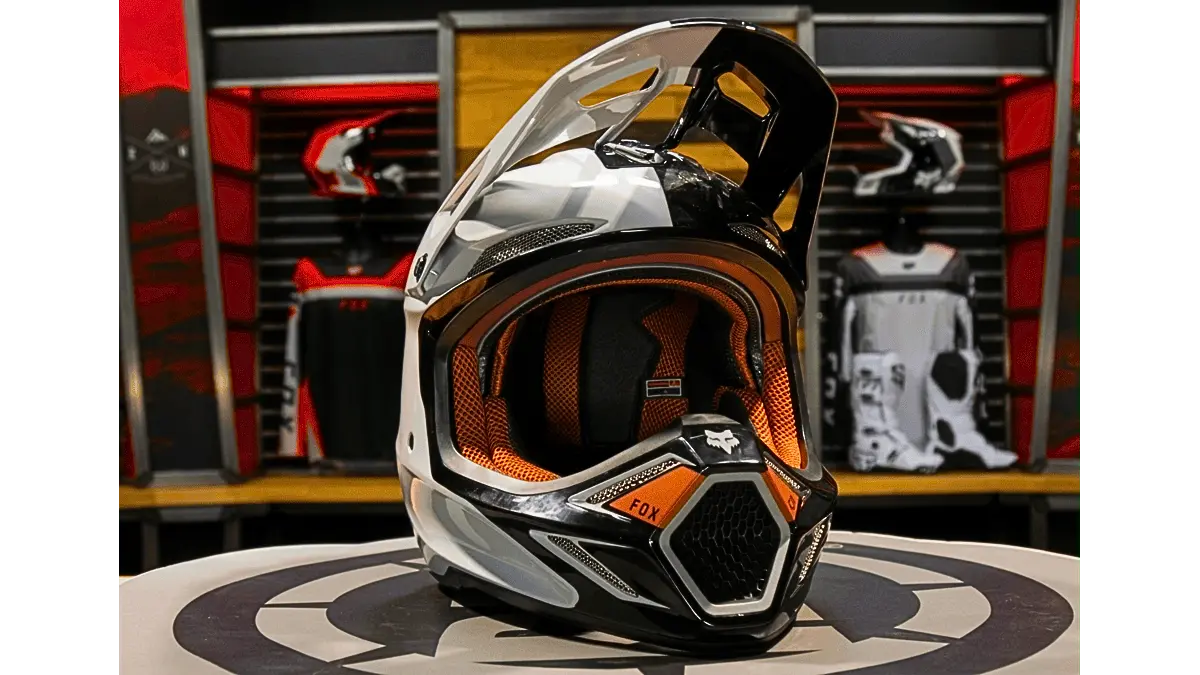
- It is constructed of real 4K carbon fiber and this implies that you not only have unbelievable impact protection but also that it weighs nearly 3 pounds less than a 3 pound weight strong object. Then there was the ventilation, 15 intake and exhaust ports, in all, and all so good that you could feel the air moving even at low velocity over your scalp. These attributes are what every rider should expect from the best helmet for atv riding.
- It also has five distinct shell sizes and, therefore, provides more shapes in which the heads can be placed in it. Fox also provides three pad cheek thicknesses in the box, allowing you to trim the fit at home. Ready to roll with a magnetic visor, goggle friendly and audio, what you have is a helmet that is, in a word, hard to beat at any cost.
- Advantages: carbon fiber shell, has been the most ventilated, MIPS Integra Split, competitive price for the spec.
- Disadvantages: Price sensitive riders can be scared by the expensive nature.
2. Bell Moto-10 Spherical – Impact Rotating Protection
- Price: ~$870
- Safety Rating: DOT, ECE 22.06 certified
- Best Use: Rapid ATV and MX riders who require the best of the best protection.
- The Bell Moto-10 Spherical is, in fact, a technological miracle. The Spherical gets its name in honour of the unique ball and socket design invented by Bell, in which the outer shell is literally free to move about the inner liner. This is further extrapolated beyond the conventional MIPS technology, in that it enables movement in any direction in the event of an oblique crash, as the majority of actual crashes occur. If you’re serious about owning the best helmet for atv riding, this level of impact management is hard to overlook.
- Besides that, there is the Bell – Thermal Exchange Airflow System (TEAS), which is a system of intake and exhaust chutes that have been designed to chop the air vehemently in the helmet. Riding it is great in warm weather. And the collarbone protectors (or NMR) are a clever addition to the helmet, which are also made of EPP, squashing up on impact to cushion your collarbone. When testing the best helmet for atv riding, such thoughtful details make a massive difference.
- Safety factor, however, is the Magnefusion magnetic cheek pads that enable the emergency staff to remove the helmet immediately after an accident has occurred without inflicting more injuries to the neck or head. It is that much detail that proves that Bell is a workaholic.
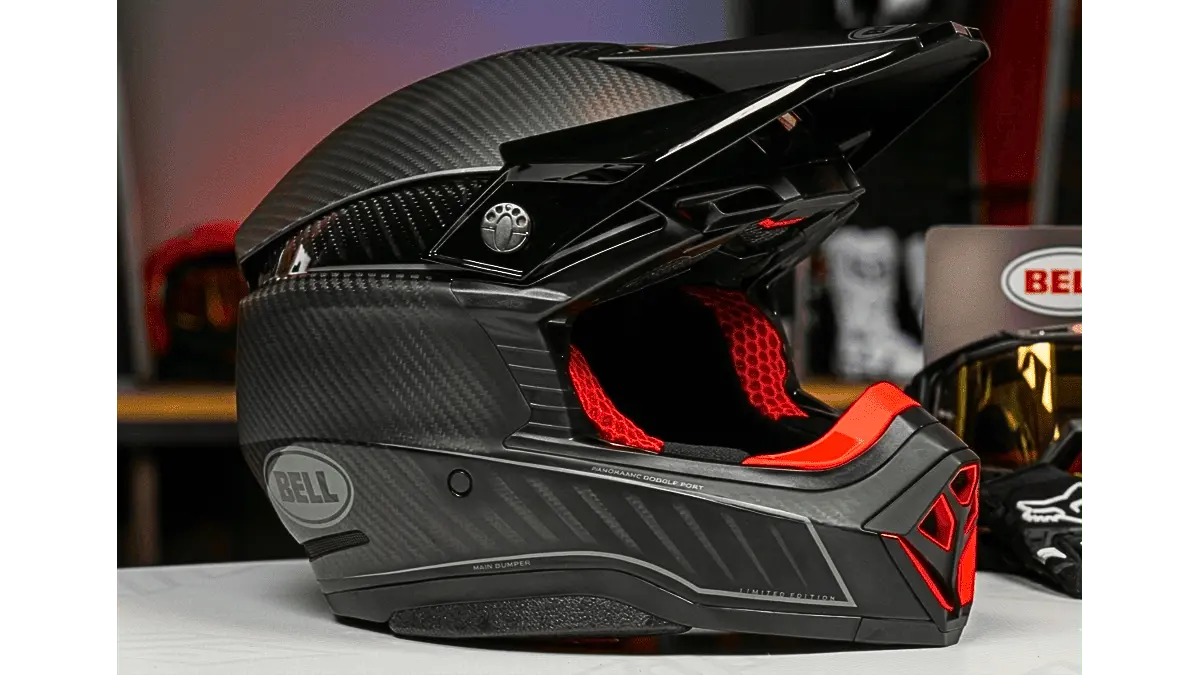
- Now the priciest of all the helmets in this list is the Moto-10 Spherical; however, when you are on the brink of death, and you want to be enjoying as many advantages as possible in whatever situation arises involuntarily, it is worth the price. That commitment to safety is exactly why it remains a benchmark for the best helmet for atv riding.
- Advantages: Ball and socket Spherical technology, attempting airflow, NMR collarbone protectors, eliminating emergency cheek pads.
- Disadvantages: costly; are not as light as Fox V3 RS.
3. Leatt Moto 8.5 V26 Helmet Kit – Best Value Kit
- Price: ~$450 (kit includes goggles)
- Safety Rating: DOT, ECE 22.06 certified
- Best When: Riders require one price that has a complete package of head protection.
- They did everything with their brand based on protection – they even created the neck brace in motocross. When they say that their technology in the shape of helmets will decrease up to 40% of the peak brain rotational acceleration, they understand they are contemplating science. The best helmet for atv riding from Leatt means you’re getting serious rotational protection baked in.
- The Moto 8.5 is based on the 360-degree Turbine Technology of Leatt, i.e. small turbine discs produced onto the EPS foam that harden when impacted to dissipate the impact as well as provide the controlled rotating of the helmet to reduce the brain impact. It is fully proprietary, and it performs some of the things that are more apt to be very ingenious, not like MIPS. That unique approach cements the Moto 8.5 as a genuine best helmet for atv riding for safety-first riders.
- These kits have been repackaged in 2026 under the name V26 line by Leatt. The 8.5 is produced to a composite shell (the 9.5 is all carbon), and is equipped with a pair of Velocity 5.5 goggles – a very nice goggle, and would cost you $70-80 by itself. The huge ventilators maintain the air at a constant speed at low trail speeds, and the Pro-fit liner will fit your head-shape profile over time to give it that custom appearance. Getting a complete head protection package in one go makes this an incredibly convenient best helmet for atv riding choice.
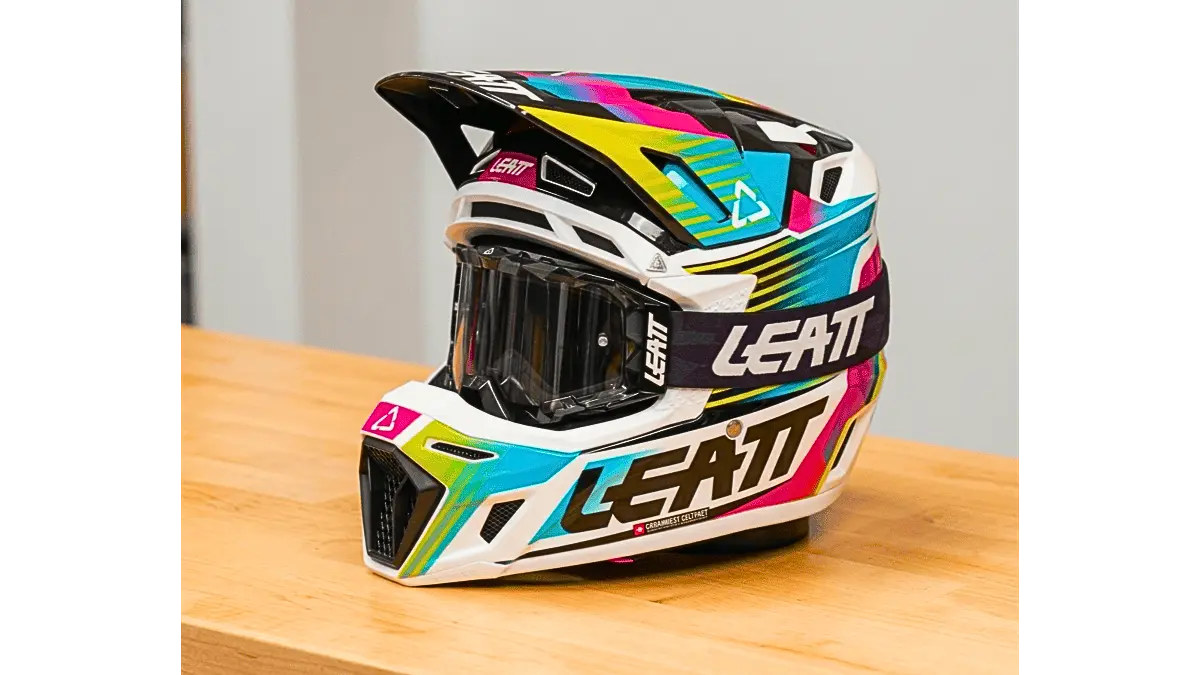
- The only thing that must be considered: Leatt does not offer the 8.5 and 9.5 separately, but only in a set. You are purchasing the goggles and helmet. The point is that it is rather a good price, but it also means you will have no possibility to simply buy the helmet and forget about the goggles, in case you have them.
- Advantages: 360-Degree Turbine Technology, certified to ECE 22.06, good goggles, and super comfortable liner.
- Disadvantages: The helmet is not available in single parts; the composite shell weighs a bit more than carbon.
4. Shoei VFX-EVO -Top of the Line Fit and Finish
- Price: ~$529–$799
- Vehicle Safety Rating: DOT, Snell M2025D certified
- Best Fit: Intermediate-oval riders will require a long day comfort and head.
- Since 1959, Shoei have manufactured helmets. It is not a marketing slogan, decades of having the right way of a helmet to fit, to wear and to protect. It is the finest helmet of Shoei VFX-EVO. For many experienced riders, the best helmet for atv riding is the one that feels invisible all day, and Shoei delivers that.
- The best is the one of Shoei and its Multi-Axis Energy Diffusion System (MEDS), in which there is a center column that connects to the EPS, where the energy is absorbed and diffused in many different ways upon impact. The VFX-EVO is also the first in the case of 2026 to be certified to this new standard of the VFX-EVO: the Snell M2025D certification, which is more challenging than the former standard of certification: VFX-EVO. Meeting such strict standards is a must for a premium best helmet for atv riding.
- On the interior, it is the most luxurious. I say what I mean, when you ever put on a Shoei, and afterwards wonder why people will always be brand-loyal customers of this business. Its liner and cheek pads are of a sort of jacket-like stuff, which is soft to the skin, breathable, way of wicking off moisture. Pro rider Malcolm Stewart has been testing the VFX-EVO into the 2026 season – leaving you in no doubt that these helmets are not showroom versions. This comfort level proves what a true best helmet for atv riding should feel like.
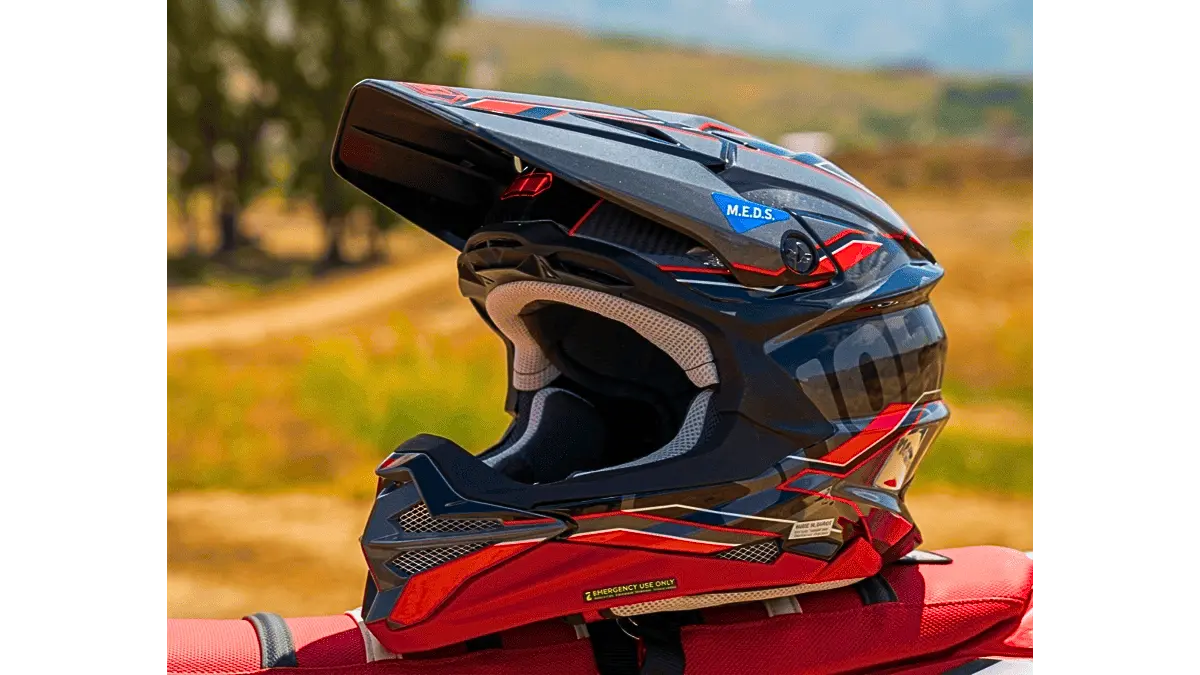
- Vfx-evo is best on intermediate-oval shapes of heads. It can be most suitably adapted to the round or long-oval head, so you must get out to see how it fits before you purchase.
- Advantages: Snell M2025D certified, MEDS technology, excellent fit and finish, excellent sound damping.
- Disadvantages: expensive; will not fit all shapes of the head; only intermediate-oval fit.
5. Alpinestars Supertech M10: The most suitable ventilation to be applied in extreme conditions (hot)
- Price: ~$700–$840
- Safety Rating: DOT, ECE 22.06 certified
- Best Use: Riders and racers who are bringing summer with them.
- Alpinestars boasts of several decades of experience in designing track and trail gearing, and their flagship product, the Supertech M10, has become the pride of the company as far as the helmets of motocross and ATV are concerned. Alpinestars released a magnificent range of imagery options (23 new choices) for the M10 in 2026, so you will not be left with the remainders in unappealing colours. If style matters as much as protection, the Supertech M10 is a standout best helmet for atv riding.
- The A-Head system, a system of fittings that enable you to gradually raise and lower the angle or height of the helmet on your head, makes the M10 special. Until you do it, and discover how much change 2-3mm of movement will affect the comfort and fit of the goggles. The inside padding is also highly customizable and has various levels of the thickness of the cheek pad and the thickness of the liner adjusted. Such micro-adjustability is exactly what separates a good lid from the best helmet for atv riding.
- Superb ventilation on the M10 indeed. Alpinestars went as far as to make it fit other riders who will be riding at high speed in capable of heat and intake/ Exhaust system makes sure that air moves even when you are crawling over on the technical part. Peak of the Emergency Release System (ERS) is disengaged when there is a high impact in order to save your neck – that is what safety engineering does to make the difference between a race-grade and a consumer-grade helmet. For scorching summer rides, the best helmet for atv riding simply must have this level of airflow.
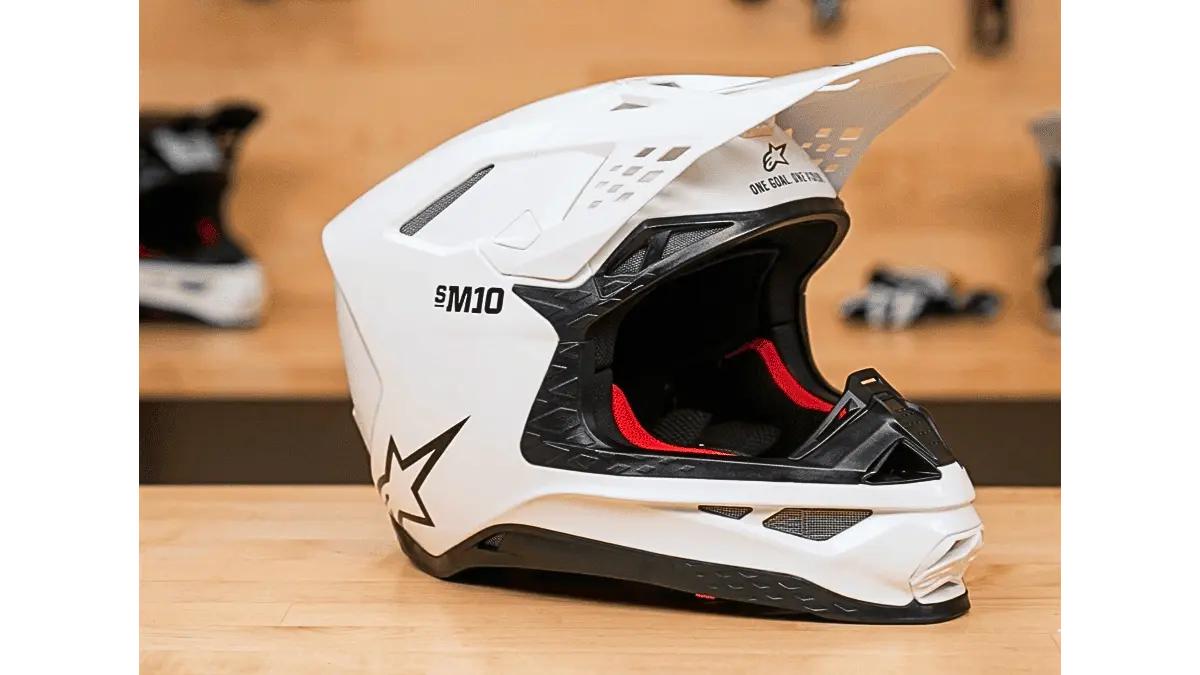
- Advantages: high degree of ventilation, A-Head fit, breakaway peak, ERS, colossal graphic 2026 options.
- Disadvantages: A-Head system expensive; increases bulk.
6. Troy Lee Designs SE5 Carbon – Most Style-Safety Helmet
- Price: ~$526-$1,060
- Safety Rating: DOT, ECE 22.06 certified
- Best: Riders wanting to possess quality protection and excellent graphics.
- TLD is now a brand name that is owned by riders who would not desire their gear to underperform as much as it appears. Their best helmet is the SE5 Carbon. Well, it is a good helmet and not just in looks. Riders looking for the best helmet for atv riding that turns heads will find the SE5 hard to ignore.
- The SE5 is not on a floating layer but uses the MIPS Integra system embedded in the foam of the EPS. The reduction of bulk and weight of this implementation is contrasted with the earlier MIPS impliances. TLD has also implemented EPP (expanded polypropylene) areas on the lower rim of the helmet, specifically aimed at transferring less energy to the collarbone, a feature of the finest racing helmet that is trickling down into the SE5. The seamless integration of MIPS makes this a sleek best helmet for atv riding that doesn’t sacrifice safety.
- This makes it look sporty and low-profile, much to the taste of the riders, and it has a light and slender shell unlike any other carbon helmet. The inside is comfortable with a good, comfortable fit. SE5 will be most at home with riders with a round-to-intermediate oval head shape – those who have been riding on a Bell will have it fit a bit differently, but most of the riders have claimed that it fits more comfortably than the SE4 did. The refined fit is yet another reason why this is a serious best helmet for atv riding option.
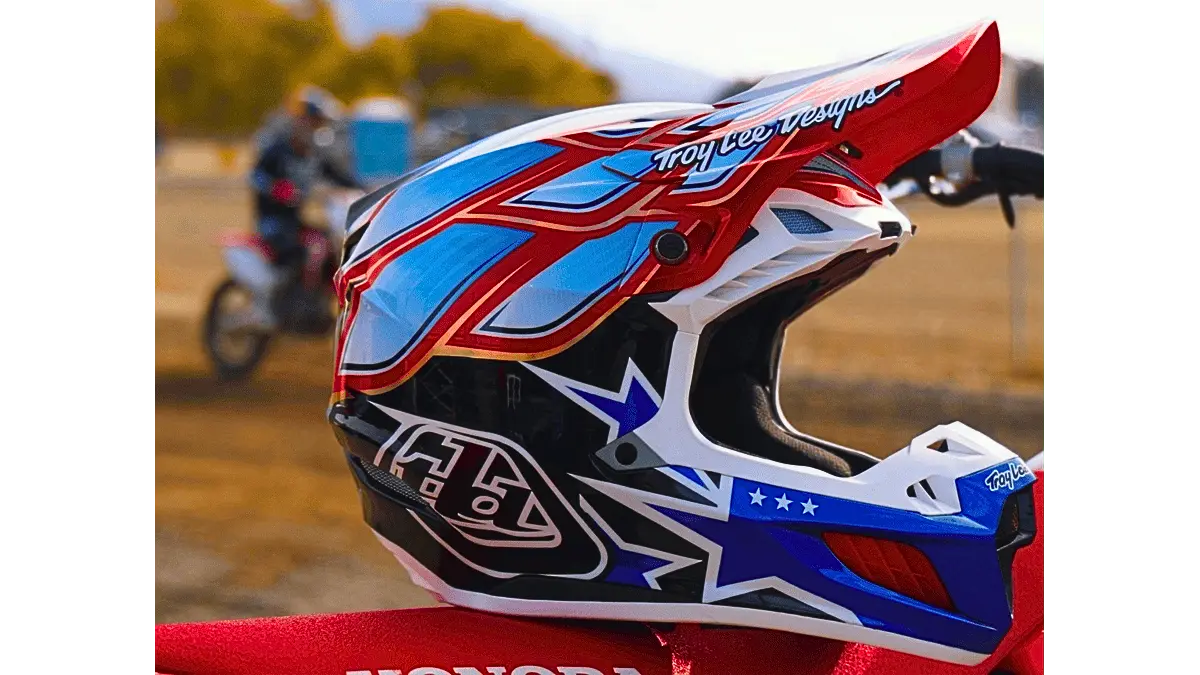
- Advantages: include carbon shell, MIPS Integra, EPP collarbone protection zones, and unique graphic.
- Disadvantages: Particular shape of the head (not compatible with long-oval heads); costly.
7. Bell MX-9 MIPS Disrupt – Letty Mid-range ATV Helmet
- Price: ~$120–$180
- Safety Rating: DOT (FMVSS 218), ECE 22.06 certified
- Best: Weekend trail riders, beginners, who would like to have decent protection and not to empty the wallet.
- Not everyone requires a helmet priced above $600. You are a weekend warrior racing on your local trail on your ATV, you rode a little on the ranch or are just starting to learn how to use your ATV, the Bell MX-9 MIPS Disrupt will provide you with real hardcore protection at a price that does not require a bank loan. For budget-conscious riders, this is the best helmet for atv riding that still carries genuine MIPS.
- It is based on MIPS technology – the Multidirectional Impact Protection System, which enables some slight rotation of the helmet in case of an accident to distribute rotational forces throughout the brain. It is not a counterfeit of the real protection but the real protection. The shell has polycarbonate with EPS foam foundation, and the liner and cheek pads are antimicrobial and washable yet moisture-wicking. Having true MIPS at this price point makes it a standout best helmet for atv riding in the entry-level segment.
- One of the things they appreciated: the MX-9 MIPS has a speaker hole that is sewed into the cheek pads and, thus, needs a Bluetooth headset to be placed without tending to fiddle with spots of painful pinching. The floating visor has two (not three) points of attachment (instead of higher-priced ones), and the screws are made to pop out in case of an accident – this would take the load off the neck, and you would also need to replace the screws in case of an accident. These practical features show that the best helmet for atv riding doesn’t have to be expensive to be well thought out.
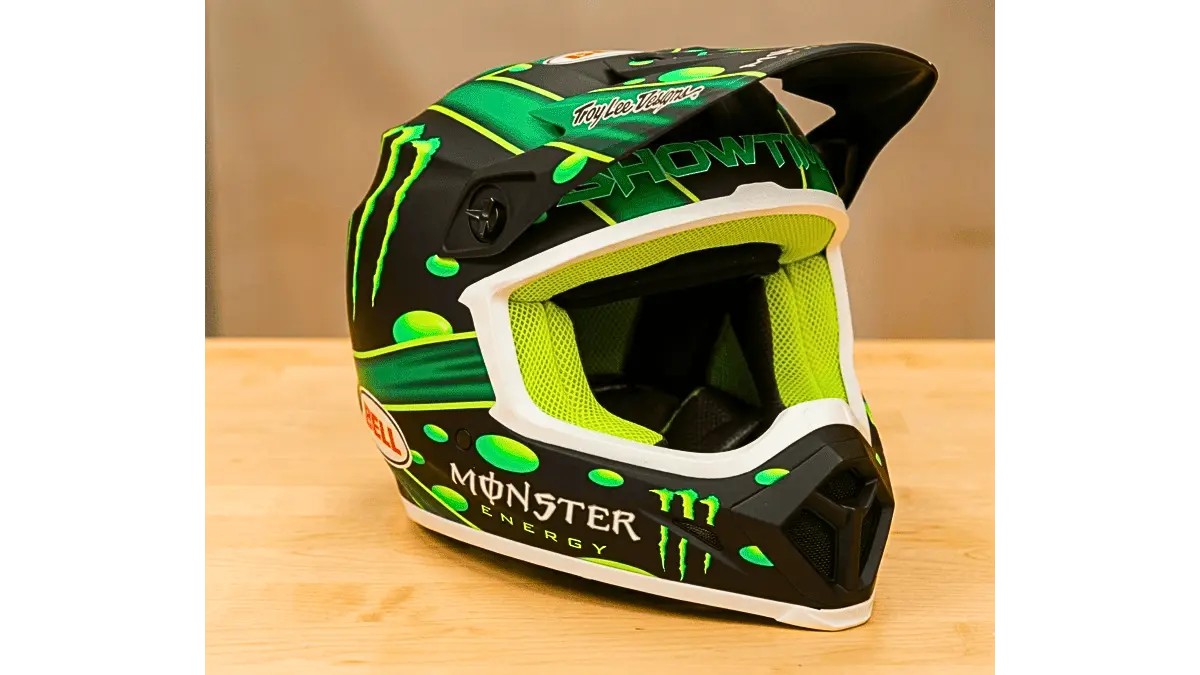
- It is a wonderful helmet, with the money considered. It is, indeed, trail worthy and has superior safety technology to most of the helmet at half the cost it used to be only five years ago.
- Advantages: Original MIPS, removable and antimicrobial coating, sound hole, extremely low price.
- Disadvantages: Two-point rather than three-point visor; the shell is not made of fiberglass/carbon, but polycarbonate.
8. Fly Racing Formula CC- Lightweight Economical to Mid
- Price: ~$450–$500
- Safety Rating: DOT, ECE 22.06 certified
- Best Use: Riders want to purchase a lightest helmet at less than $500.
- The Formula CC by Fly Racing has a carbon composite body and has its own RHEON padding, a non-Newtonian fluid, which stiffens when hit by higher energy. Suppose it is a liquid armour, which, in response to the intensity of a blow, reacts. Hit softly, it is cushy and pleasant; hit hard, it is difficult to bear the whack. This innovative impact tech elevates the Formula CC into a best helmet for atv riding contender for tech-savvy riders.
- It is justifiably imaginative impact management, and it endows this Formula CC with a sense that is not that of anything in this list. The helmet is also incredibly light-weight – it is one of the lightest certified helmets of DOT + ECE, less than 500 dollars. You actually want to mind the difference in weight of a helmet, in case you have to overcome neck fatigue on the longer rides. That featherlight feel is exactly what you want from the best helmet for atv riding when the hours pile on.
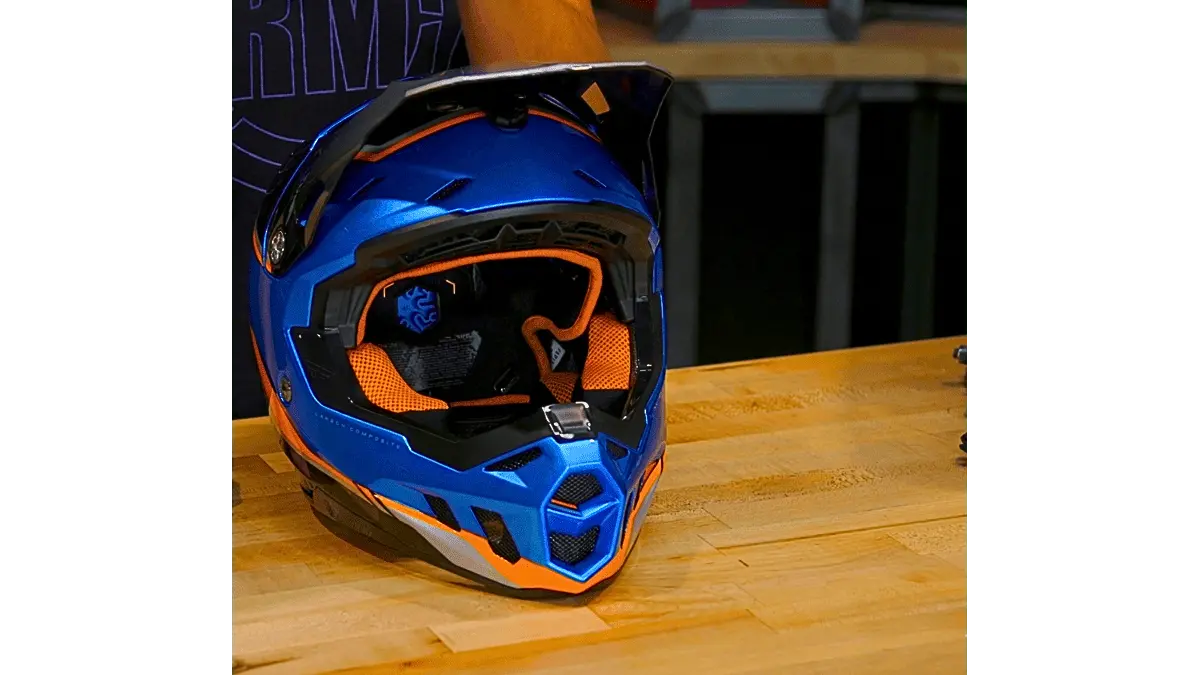
- It has a good ventilation system, a moisture-wicking, removable liner and the general quality of construction is good at the price. Fly Racing is not, perhaps, as brand-prestigious as Fox or Bell, but the Formula CC has been doing the same since 1998, the fact that they are doing what they know.
- Advantages: RHEON impact-responsive padding, carbon composite shell, extremely lightweight, ECE certified.
- Disadvantages: lesser brand recognition; a bit tight to some riders.
9. 6D ATR-3 – most suitable as far as Concussion Defence Technology is concerned
- Price: ~$760–$900
- Safety Rating: DOT, ECE 22.06 certified
- Best: Riders who are Safety-first and seek the best in concussion mitigation.
- A 6D Helmet is a brand that no one has heard of, and they are not as large as the Bells and Foxes of the world in terms of marketing funds, but what they have is a breakthrough technology. The ATR-3 is based on Omni-Directional Suspension (ODS), which is not implemented anywhere. It is driven by an inner floating helmet, which is given the support of elastomeric dampers of isolation that permit movement in all directions in parallel in the outer shell. For those who prioritise brain protection above all else, the ATR-3 could be the definitive best helmet for atv riding.
- The principle of this, in plain English, is that the inside lining of the helmet is at liberty to move in every direction, absorbing both the linear and the rotatory energies simultaneously. It goes a step further than MIPS in terms of the actual impact that it actually accomplishes. In order to back this, not only internal testing, 6D has invested a lot in academic and clinical research. That research-backed engineering makes the 6D a dark-horse best helmet for atv riding for safety purists.
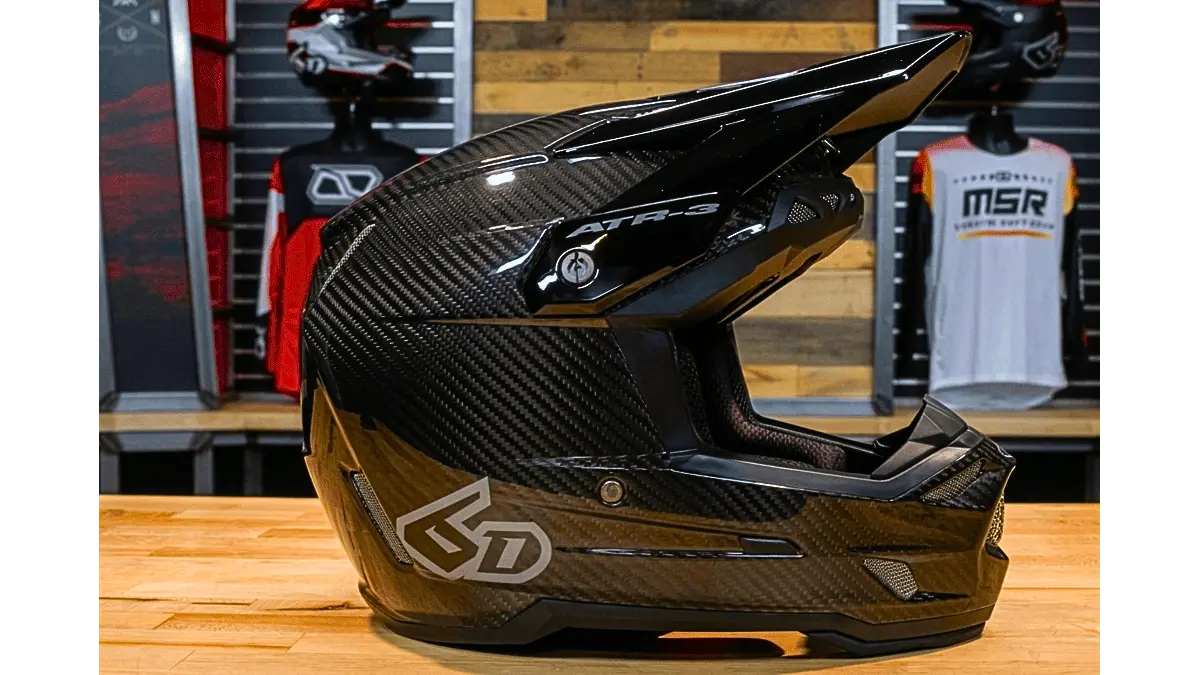
- ATR-3 comes in a composite shell and carbon fiber. The fit is perfect, the ventilation is hard and good in a mid-weight helmet, and the workmanship of construction is of the best grade. The 6D ATR-3 is definitely worth the consideration of those riders who place more emphasis on safety science than brand name, and those who can afford to spend a little more to have a slightly lesser-known product.
- Advantages: ODS technology is one of a kind and actually developed, superior research support, quality construction works.
- Disadvantages: Not that popular in the stores; no global brand; costly.
10. HJC CS-MX2 – This is the best entry level helmet that can be possessed by first time riders
Price: ~$90–$105
Safety Rating: DOT, ECE 22.05 certified
Ideal use: ATV beginners, 18-year-old children and beyond (and there is also a youth version), or just for recreation.
- And not everybody is dumping $500 on a helmet in the first season, and it is not bad. HJC CS-MX2 is my recommended helmet in case it is a beginner, you are trail riding on a leisure basis, or purchasing the first helmet of a teenager who is just getting started on ATVs. As an entry-level best helmet for atv riding, it covers all the basics without frightening the wallet.
- HJC is the name of the brand that has decades of experience, which produces solid and reliable helmets at affordable prices. The CS-MX2 is a full-face full-polycarbonate motocross-style helmet with many ventilation holes and a washable internal liner. It is certified by DOT, and the rationale behind this is that it has passed the U.S. federal safety regulations with respect to helmets. Even at this price, it functions as a credible best helmet for atv riding for casual duty.
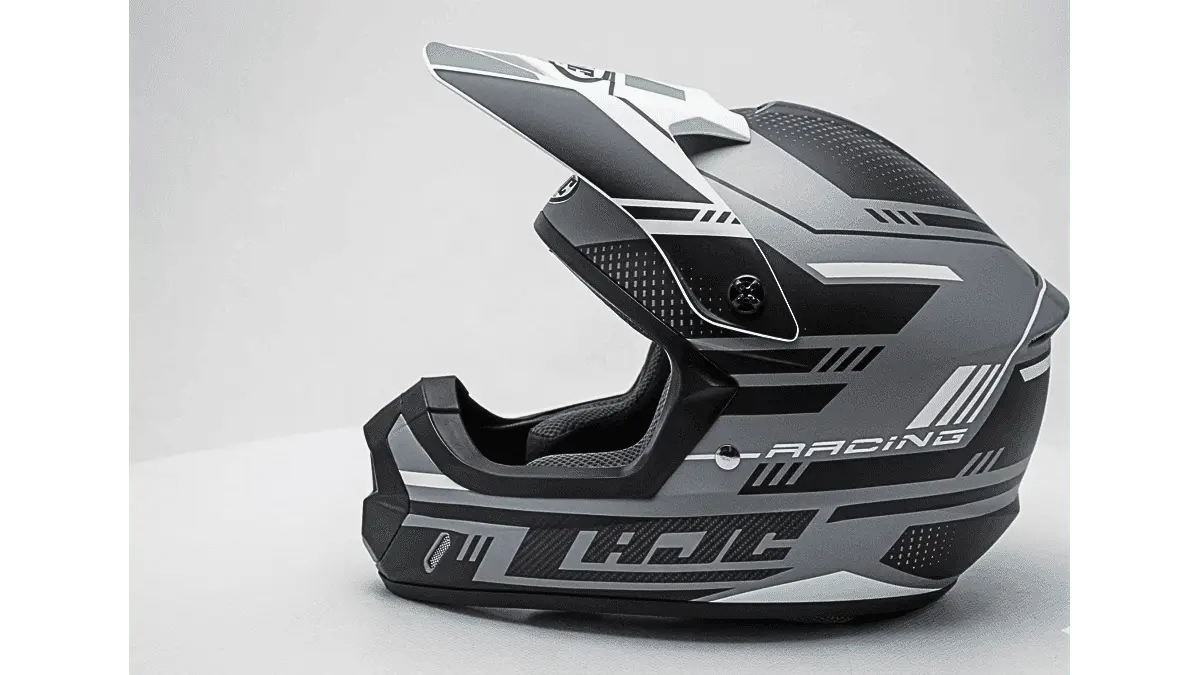
- Is it comparable to a $600 helmet? No. But it does the bare thing, it will keep your head dry, it has had a real test of safety and is thoroughly ventilated to be comfortable out on the trail. This is all that he/she needs without having to spend a lot of money to ride in safely. For many, this simplicity is what makes it the most realistic best helmet for atv riding when you’re just getting started.
- Advantages: extremely cheap, envelops the entire face, the liner is washable, solid qualifies as DOT approved, is highly prevalent.
- Disadvantages: No protection or MIPS/rotation; basic polycarbonate shell; few high end features.
What should be taken into account when purchasing ATV helmet
1. Safety Standards – Do not Cut Corners:
- But as long as you can, you must, hopefully, get ECE 22.06 (European standard, which is generally more rigorous) or Snell M2025D, so that you can determine the highest standard of testing. Should such a helmet fail to have all these certifications, leave. The best helmet for atv riding will always meet or exceed these benchmarks.
2. MIPS Protection and Rotation Protection:
- Even the basic riders are not aware of the fact that the majority of the crashes in real life are not face-on collisions, but oblique (angled) ones. MIPS (Multidirectional Impact Protection System) is a system that can enable the helmet itself to move in any direction to avoid those turning hits to your head. Both the 360 Turbine Technology and the 6D ODS system of Leatt and Leatt, respectively, are used in a similar, but different way. Such systems must be discovered to ride but very casually. Choosing the best helmet for atv riding means never ignoring rotational protection.
3. The Way To Go is Full-Face Helmet:
- It is only in the case of ATV riding that a full-face helmet should be used. They cushion your chin (it is one of the most frequent hits), your mouth and your nose. An open-face or half shell helmet would also fit on the road, but where the geography is unpredictable, such as when using the ATVs off-road, then a full face lid will be the best option. The motocross-style (with the visor/peak) helmets are especially helpful as the peak prevents the roost and trees. A full-face design is non‑negotiable for the best helmet for atv riding.
4. Fit – This Is Non-Negotiable:
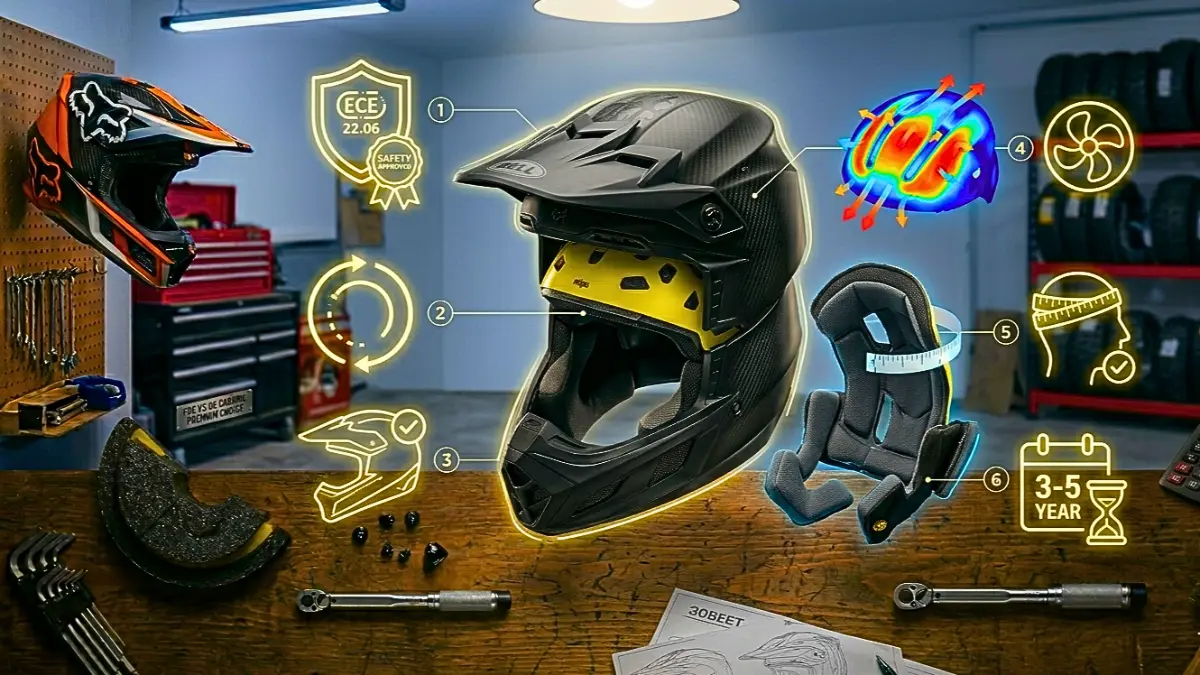
- A helmet that does not fit well is not serving its purpose to protect you. Measure your head and compare it with the size chart of the manufacturer. The helmet must be tight-fitting, and there should not be any points on which the helmet is pressure-affected or painful. When shaking your head with the chin strap, it should not go round and round. The brands are also different in their fits; Bell and Fox are more intermediate-oval, and Arai is more long-oval. Try it out and then buy. The best helmet for atv riding is meaningless if it doesn’t fit your head perfectly.
5. Ventilation:
- Trail and track riding produces much heat. Shopping Find has a number of intake vents on the forehead and chin, and exhaust vents on the back. The 10-15+ total ports will be on premium helmets. Few budget helmets will be offered, and even the most basic ATV helmets will need air flow, otherwise they will be unbearable in summer.
6. Replace Your Helmet in Case of Any Serious Impact:
- It is among the finest: When you have a colossal blow on your helmet, and you reckon it is all right, change it. Foam: EPS foam will collapse upon impact and will be useless as far as protection is concerned. Regardless of whether the impact has occurred or not, most manufacturers advise that the helmets are to be changed after 3-5 years of use because after a long period of time, the foam and the shell materials that are used become deteriorated.
Rapid Comparative Table
To narrow down your search for the best helmet for atv riding, here’s a quick side-by-side look at the key options.
| Helmet | Price | Shell | Rotational Protection | Best For |
| Fox V3 RS Carbon | ~$700 | Carbon | MIPS Integra Split | Overall best pick |
| Bell Moto-10 Spherical | ~$870 | Carbon | Spherical (MIPS) | Maximum protection |
| Leatt Moto 8.5 V26 Kit | ~$450 | Composite | 360° Turbine | Best value bundle |
| Shoei VFX-EVO | ~$529–$799 | Fiberglass | MEDS | Fit & finish lovers |
| Alpinestars Supertech M10 | ~$700–$840 | Carbon | MIPS | Hot-weather riding |
| Troy Lee Designs SE5 Carbon | ~$526-$1,060 | Carbon | MIPS Integra | Style + safety |
| Bell MX-9 MIPS Disrupt | ~$120–$180 | Polycarbonate | MIPS | Budget trail rider |
| Fly Racing Formula CC | ~$450–$500 | Carbon Composite | RHEON padding | Lightest mid-range |
| 6D ATR-3 | ~$760–$900 | Carbon/Composite | ODS | Tech-forward safety |
| HJC CS-MX2 | ~$90–$105 | Polycarbonate | None | Entry-level/beginners |
My Final Advice
The Fox Racing V3 RS Carbon is the finest product, though you have to be able to afford it. It provides you with the most protective technology in the market in a motocross helmet at a price that is indeed competitive in the market. I would wear it on my head and feel very comfortable with it. Ultimately, the best helmet for atv riding is the one that checks all your personal boxes—safety, fit, and comfort.
On the low end, there is the real deal that Bell MX-9 MIPS Disrupt, in case of a tight budget. True MIPS, true DOT and a cleanable liner and speaker ready – less than $200. One can hardly disagree with that.
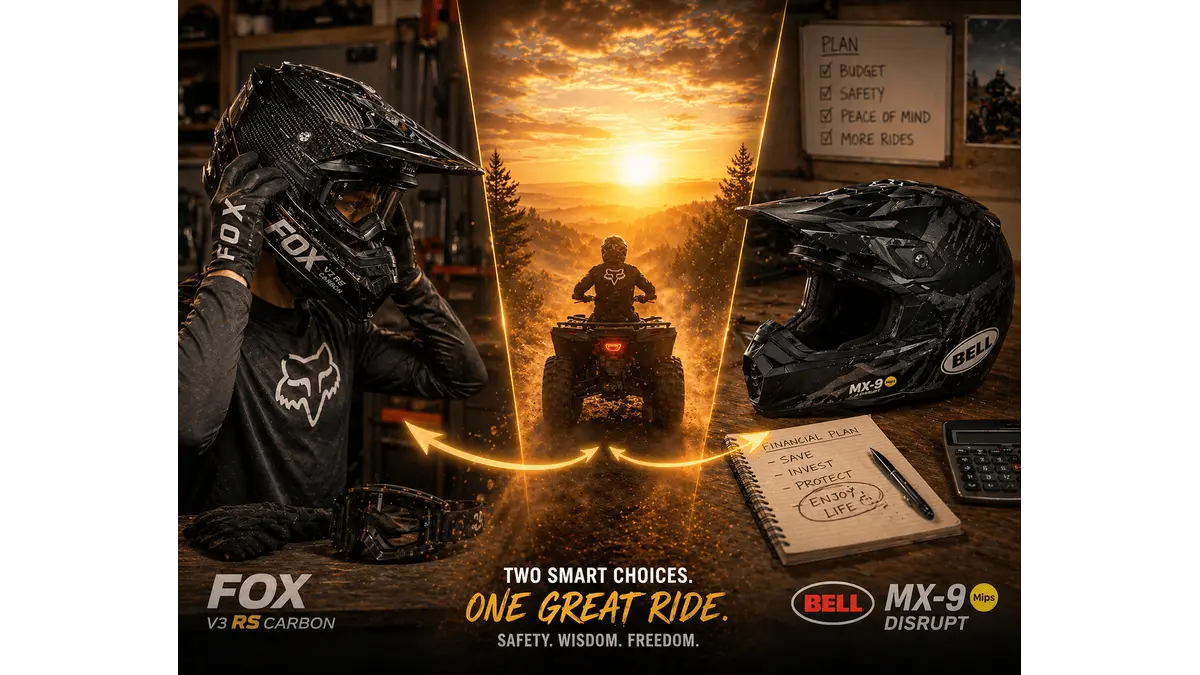
And to make you feel that you are snugged in all directions, you may like to consider the Leatt Moto 8.5 V26 Kit. You bring home a good helmet and goggles in one, and the 360 Turbine Technology is literally like no other. For many, the Leatt kit is the smartest path to the best helmet for atv riding without separate purchases.
The kind of helmet to ride the ATV during the end of the day would be the type of helmet that would fit your head in the right way, it would not fall short of a valid standard of safety, and that you can wear at all times whenever you are on the ATV even during a short ride. Ride safe, enjoy and be on the sunny side.
FAQ –
1. What ATVs to stay away from?
Ans – Avoid off-brand Chinese imports (e.g., Coolster, Tao Motor) and certain lower-tier brands like Hisun, Massimo, and Coleman due to poor quality, lack of parts, and low resale value. While popular, some older Polaris models are criticized for reliability, and some users suggest avoiding Arctic Cat or CFMoto if high reliability is the priority.
2. What is the most powerful ATV?
Ans – The 2026 Can-Am Outlander 1000R is considered the most powerful production ATV, boasting a 101-horsepower 999cc Rotax V-twin engine. It is widely recognized for superior performance in the big-bore 4×4 category. Other top contenders for raw power include the 91-horsepower Can-Am Renegade X mr 1000R and the Polaris Sportsman XP 1000.
3. Why are sport ATVs going away?
Ans – Manufacturers stopped producing most sport quads due to the 2008 financial crisis, which severely cut demand, and the surging popularity of safer, more versatile UTVs/side-by-sides. The industry shifted focus to high-profit UTVs, coupled with increasing environmental regulations, rising manufacturing costs, and an aging demographic of riders.
4. How fast can a 1000cc ATV go?
Ans – 1000cc quad bikes (ATVs) generally reach top speeds between 75 and 85+ mph. These high-performance machines are built for acceleration and torque rather than high-speed racing, though models like the Can-Am Renegade 1000 and Polaris Scrambler XP 1000S are capable of speeds around 80–84 mph.
5. What is the new ATV for 2026?
Ans – The 2026 ATV market features significant updates, highlighted by the introduction of the first-of-its-kind Can-Am Outlander Electric, alongside powerful new models from CFMOTO, such as the CForce 1000 Touring and feature-heavy U10 Pro. Yamaha returns with its trusted Grizzly and Raptor 700R, while Polaris introduces new Sportsman XP 1000 S and Scrambler models.
Also Read – Best Bicycle Helmet for Men (2026) – Top Safety-Tested Helmets You Can Trust

Sapna is the storytelling powerhouse of the team. With a sharp eye for detail and a knack for uncovering the human interest side of automobiles, she covers everything from industry launches to feature stories. She believes that every car has a story and every rider has a journey. Her writing is known for its clarity, depth, and ability to connect with the common man.

Been trying my luck on pkluckyi7 lately. Seems like a decent site with a few things that caught my eye. Why not see if you feel lucky too pkluckyi7.
thanks