Hello Everyone! Today we are gonna talk about Bicycle Helmet. Well, I will tell you the truth. I have also wasted too many weekends standing in bike shops, browsing forums at night, and annoying more accomplished cyclists to have their say on the subject of helmets. And the fair word? Finding the best bicycle helmet for men is one of the decisions that appears to be easy to make until you begin searching, and then it dawns upon you that there are approximately 400 different types of bicycle helmets, three rival safety systems, and even a $300 price difference between the cheapest and the most expensive options.
Then take this as a sort of guide to me when I began. No woollybair, no puffing and puffing. Just plain talk about what is really worth it, what is not and which helmets in 2026 are really worth the money. Picking the best bicycle helmet for men doesn’t need to be a chore; it just requires a clear head and the right information.
Why Your Helmet Choice is, in fact, of more importance than you think.
The following is a statistic that has always brought me down to reality: head injuries are the primary cause of severe cycling-related injuries and disabilities. However, there are so many cyclists who are not wearing a helmet or are wearing one that they purchased five years ago, which is in a bad condition.
A good helmet will not render you invulnerable, no equipment does, but it will drastically tilt the odds in your favour in case things go awry. Consumer Reports recommends that a bike helmet that has been used needs to be replaced about every five years, and as soon as it is involved in a collision, even though it may appear okay on the outside, it should be replaced. The reason is that the foam inside will cushion the blow by compressing, and when it has done that, it will never cushion the blow again.
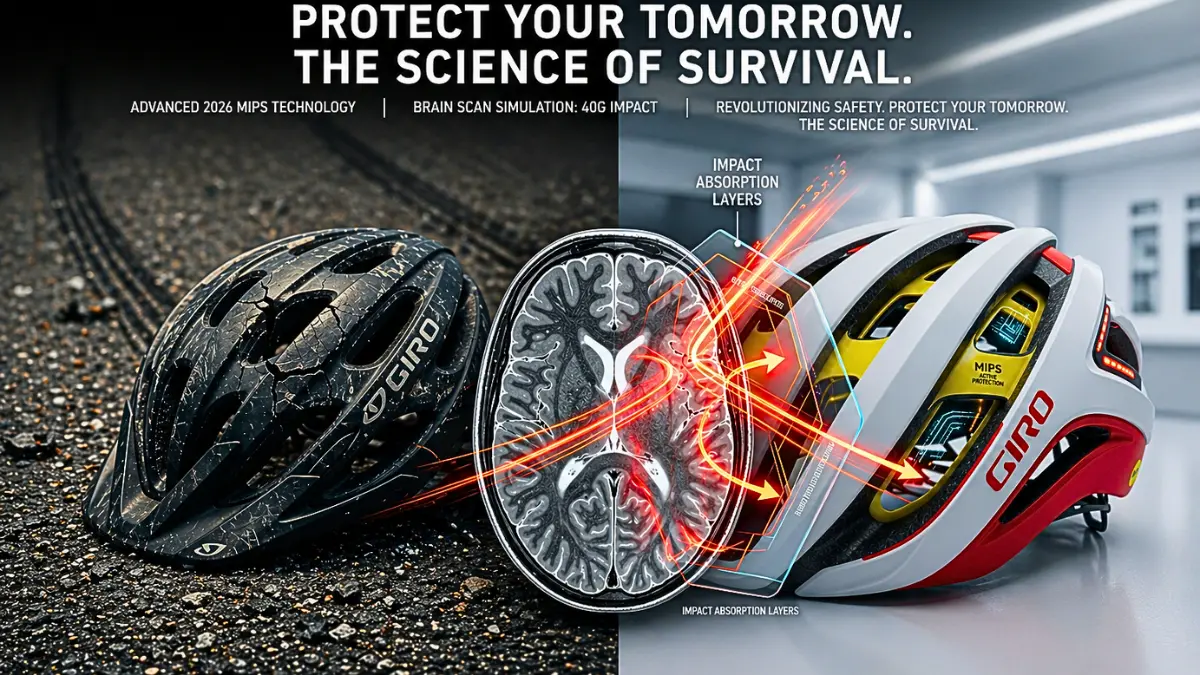
What makes 2026 exciting is the fact that there have been some truly impressive advances in helmet technology. We no longer mean a foam of foam within a plastic shell. We have twice shell spherical designs, self-test rotational impact systems, inbuilt LED lights, magnetic buckles, and aero engineering which is a result of real wind tunnel testing. The finest helmets of the day are rightfully impressive items of safety engineering, and the search for the best bicycle helmet for men now involves a lot more than just picking a colour you like.
What to Look for Before You Buy: The Key Factors Explained.
Before we dive into product picks, it’s important to discuss what really matters when you are shopping. Every rider’s quest for the best bicycle helmet for men should start with understanding these fundamentals.
1. Safety Certification and Independent Testing:
- All the helmets sold in the US should be allowed to meet the standard of the CPSC (Consumer Product Safety Commission). Look for certification of CE EN 1078 in UK and Europe. In Australia, it is AS/NZS 2063. This is the minimum acceptable standard – all the helmets in the shelf of a legitimate retailer comply with this.
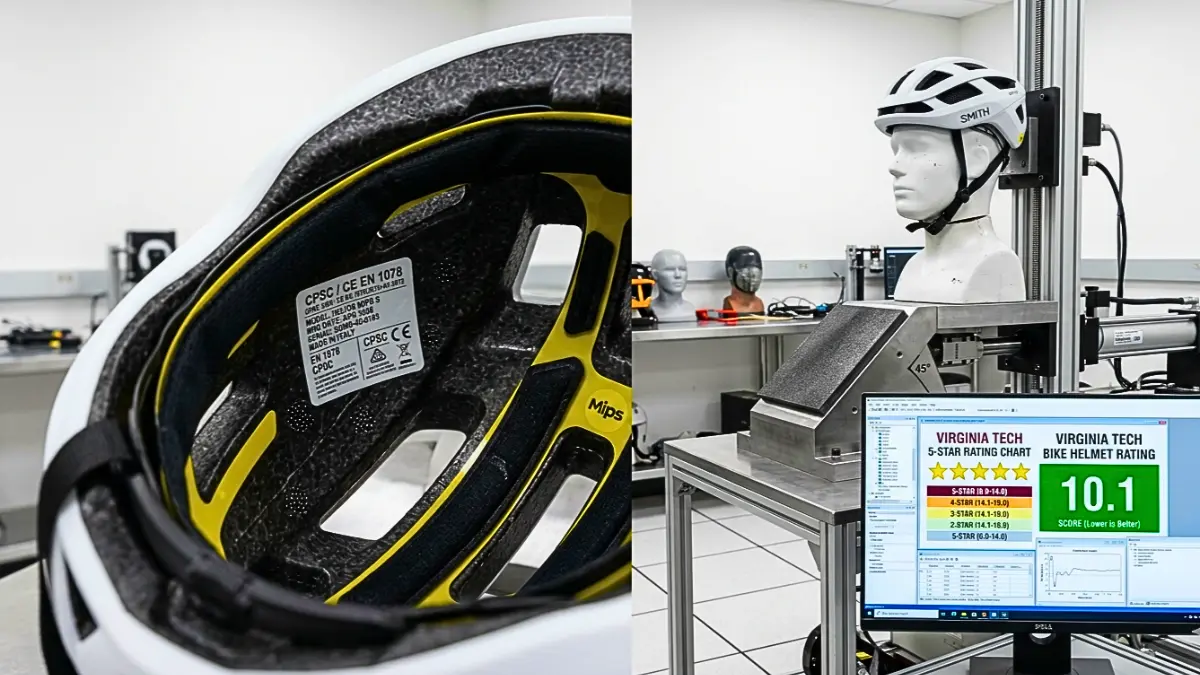
- However, this is where it becomes more interesting: the Virginia Tech Helmet Lab has become the standard of independent bicycle helmet testing. They conduct 24 impact tests on each helmet and rate it on a 1-5 star scale, with a lower numerical rating being a better concussion protection. They have more than 290 road, mountain and commuter helmet models in their database. I will identify any Virginia Tech rating on a helmet I am recommending in this guide with a flag, since it conveys the information that certification labels cannot do. When you’re trying to find the best bicycle helmet for men, these ratings are a shortcut you can truly trust.
2. MIPS and Other Rotational Impact Systems:
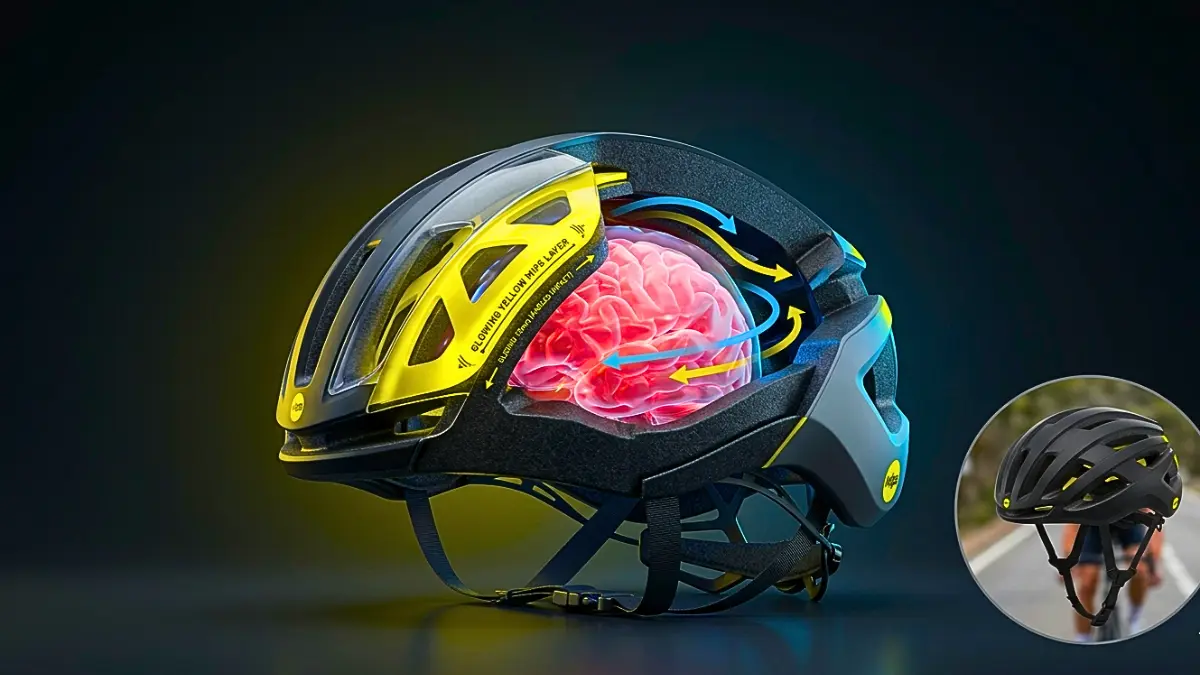
- The yellow MIPS logo on the box of your helmet has likely made you question the additional price. The point is as follows: MIPS is an abbreviation for Multi-directional Impact Protection System. It is a Swedish invented technology, which is basically a very thin layer of a slip-plane inside the helmet, which enables your head to move around 10-15mm relative to the helmet shell in case of an angled blow. Why is that important? Since in real crashes you hardly ever land on the ground at an angle exactly perpendicular. Angled hits cause rotational forces, which may shear the brain tissue. MIPS is made to minimize rotational forces on your brain.
- The evidence is strong to the point that independent lab tests always give superior safety ratings to MIPS-equipped helmets. It does increase the cost and occasionally a little weight, yet to most riders it is well worth it. Any shortlist of the best bicycle helmet for men will almost certainly include MIPS or an equivalent rotational protection system.
- Other brands have formed their systems:
- The Spherical MIPS of Giro has a ball-and-socket dual-shell design to provide even more advanced energy management.
- KinetiCore by Lazer incorporates the rotational protection in the foam itself – no extra layer required.
- The WaveCel of Bontrager has a cellular structure that is collapsible.
- POC has MIPS Air Node, which incorporates the slip-plane in the padding of the helmet.
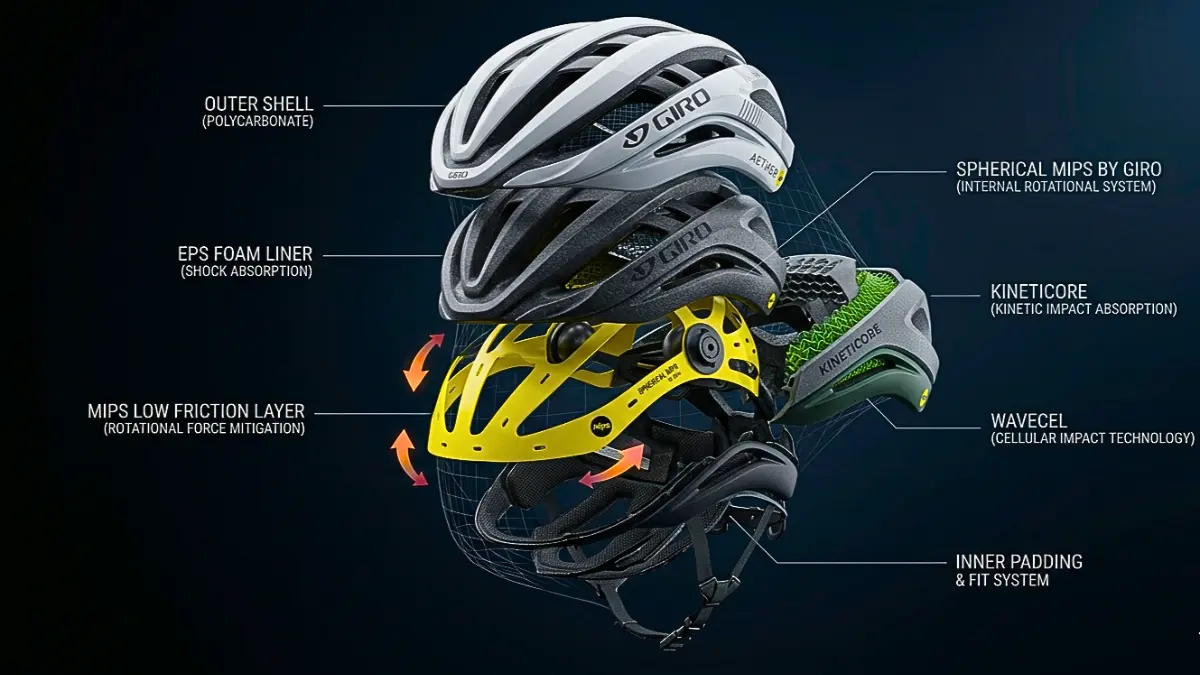
- Each of them is directed toward the same end: to protect your brain from the types of angled hits that occur most frequently in actual collisions.
3. Ventilation:
- This one is massive and grossly undervalued by less experienced cyclists. Take a ride in a badly ventilated helmet on a hot day, and you will know the difference in the first twenty minutes. The quantity of vents is important; however, what is more important is the construction of the airflow channels. Other helmets actively direct air through the front to back vents, pushing the hot air off of your scalp. Some only contain holes that appear to be impressive, but which do not actually do much.
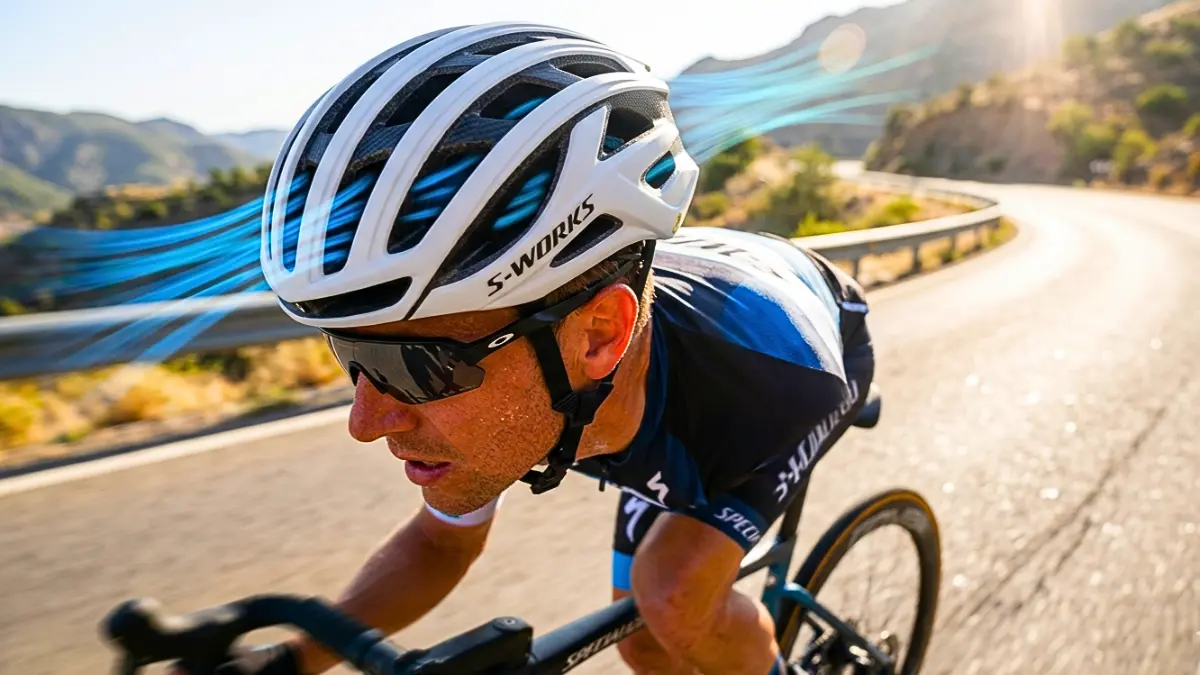
- Aerodynamics and ventilation tend to be mutually exclusive – the more vents, the greater the drag. The most intelligent helmets are those that strike a balance between the two. The best bicycle helmet for men who ride in hot climates will always prioritise cooling without completely sacrificing aero efficiency.
4. Fit and Retention System:
- The helmet does not fit well; it is not protecting you well. Period. The rear retention system of most helmets is a dial system (Giro calls theirs Roc Loc; Kask uses Octo Fit), which allows you to fine-tune the fit once the helmet has been placed on your head. Seek one that can be turned circumferentially and vertically since the elevation on which the rear cradle rests on your head is of considerable consequence in both comfort and safety.
- Straps are to be in the shape of a Y, directly below each ear, to be placed snugly against your chin (you can fit one finger but not two), and not pulling or flapping.
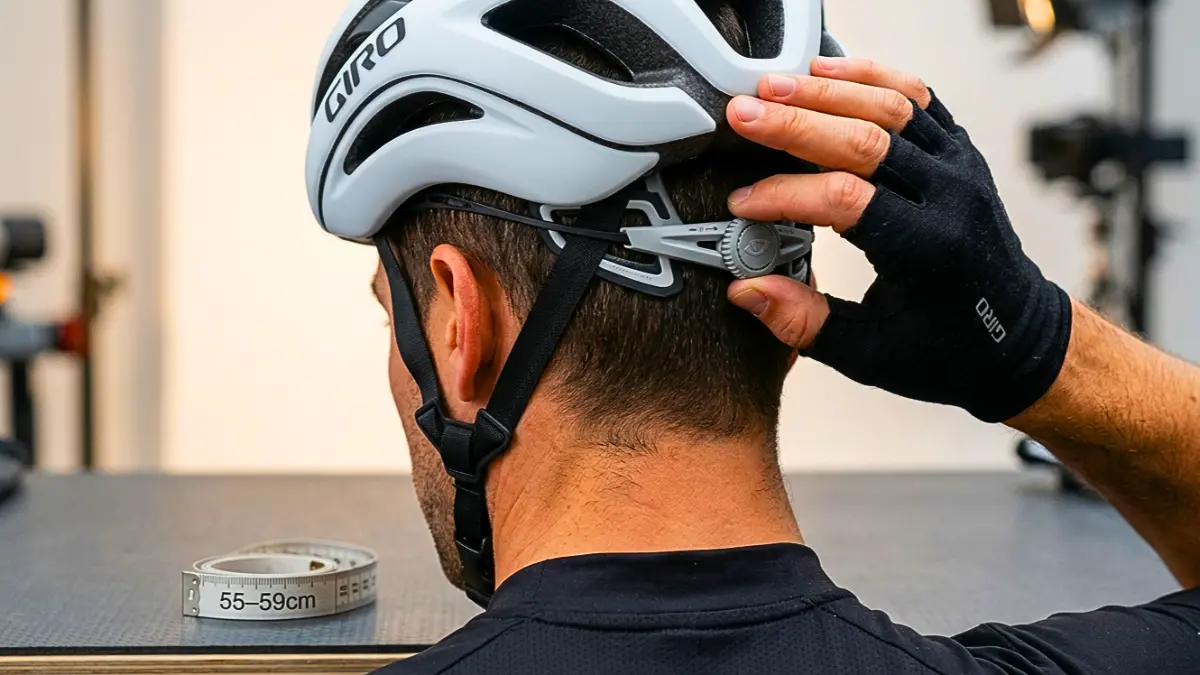
- Before you shop, measure your head circumference, or 2.5cm above your eyebrows. Most manufacturers use S (52–56cm), M (55–59cm), and L (58–62cm) as standard sizing bands. Even the best bicycle helmet for men on paper is useless if it doesn’t fit your head shape correctly.
5. Weight:
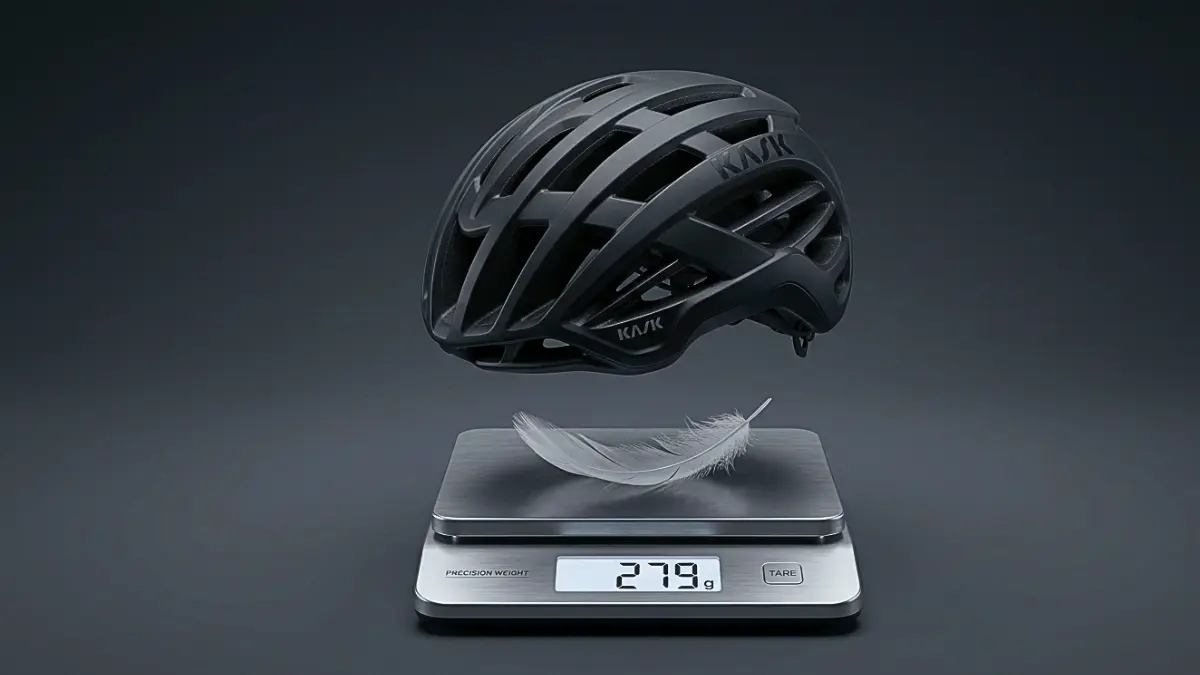
- Weight is hardly a consideration for casual riders. It is noticeable to anyone who does longer rides or climbs. In 2026, the lightest road helmets will be approximately 220-250g. The typical budget models fall within 280-350g. The distinction is no trifle when they are in your hand, but three hours on the saddle, it adds up. The best bicycle helmet for men who log big miles often shaves every possible gram.
6. Price Range:
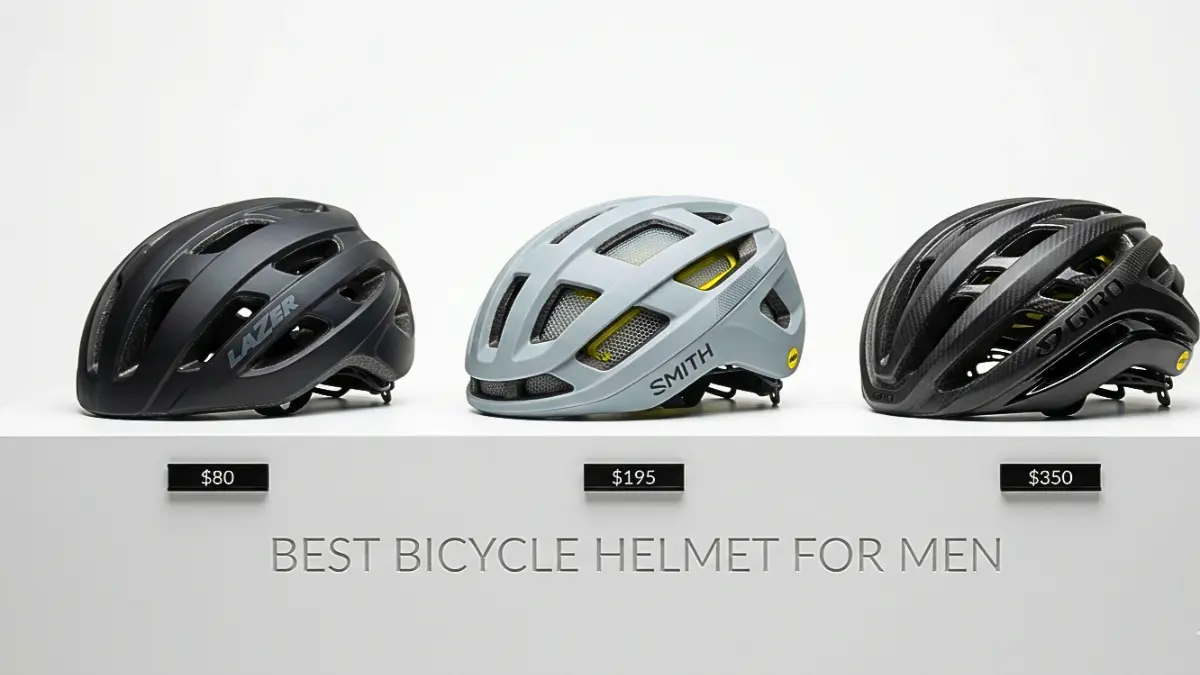
- Helmets in 2026 span from around $45 to $400+. This is the real deal: price does not translate to safety. Virginia Tech has rated five stars to helmets that are below $100 and those above $300. What you would spend on in the high-quality category is a heavier helmet, a more advanced ventilation system, better materials, more advanced aerodynamics, and more fitting mechanisms, which do not necessarily make it a safer helmet. Knowing that the best bicycle helmet for men in terms of pure safety can be surprisingly affordable should be a relief to budget-conscious riders.
The Best Bicycle Helmet for Men in 2026: Our Top Picks
I will have these categorized so that you can get the one that fits your style of riding and your budget. If you’re after the best bicycle helmet for men for your specific discipline, keep reading.
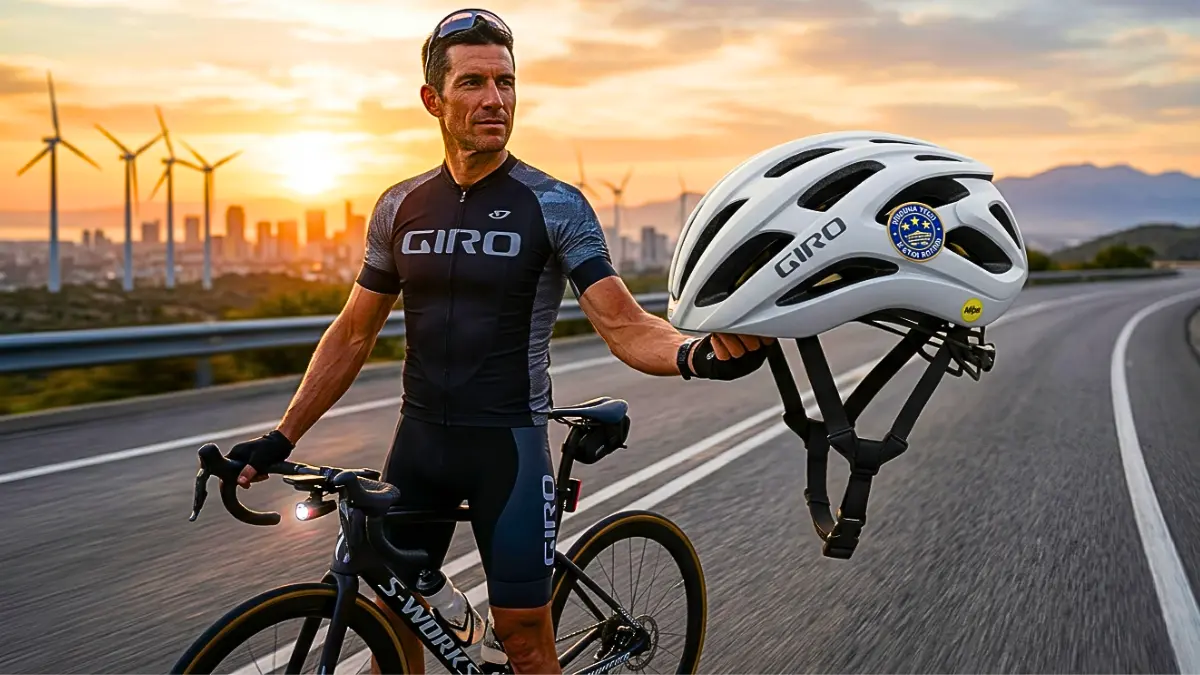
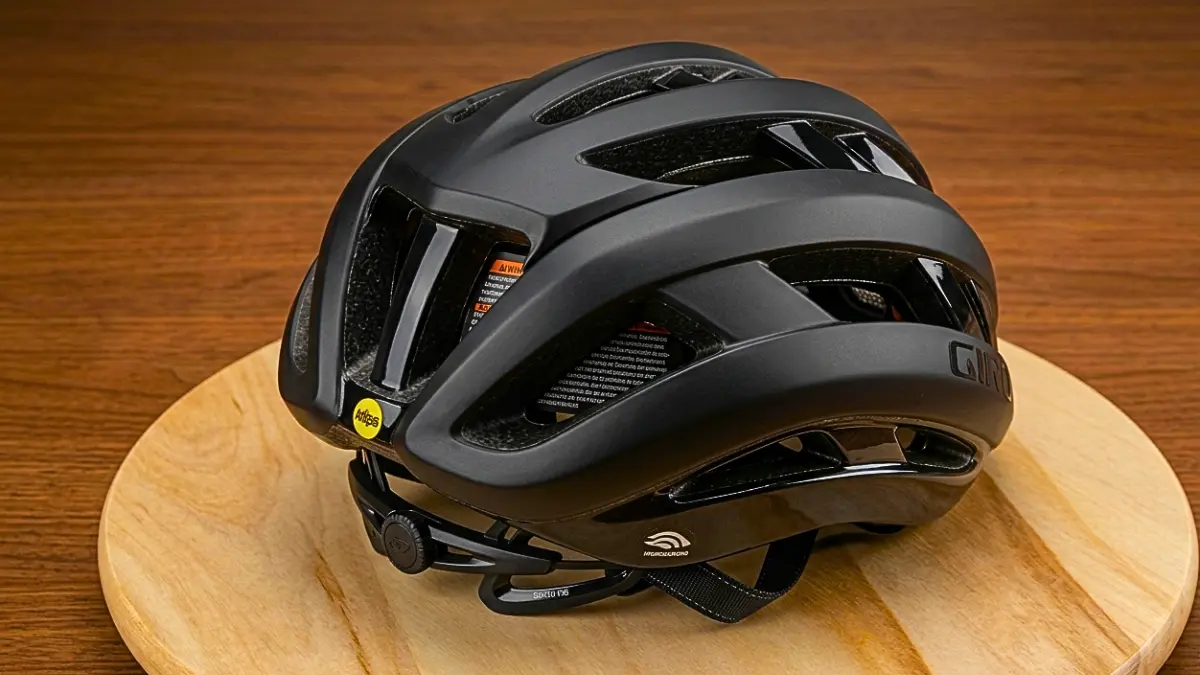
1. Best Overall Premium Road helmet: Giro Aries Spherical (~$350)
Had I to choose but one helmet, and money were not much a point, I should choose the Giro Aries Spherical. It has been the top road pick by various expert testing teams in 2026, such as Cyclingnews and Bikerumor, and deservedly so.
- The Aries features the Spherical MIPS technology of Giro, a two-shell ball-and-socket design that extends far past the fundamental MIPS slip-plane. The rotating shells are able to rotate relative to each other, and the inner and outer shells can move relative to each other more effectively than most competing systems. And the independent testing confirms this: the Aries has received one of the highest Virginia Tech ratings ever on a road helmet – a five-star rating that literally makes the Aries stand out of the pack. For many, this is simply the best bicycle helmet for men available right now.
- However, what truly aggravates me about the Aries is its day-to-day ride. It has outstanding ventilation, Giro says it is 2.3% better than its predecessor, the Aether and real-world tests prove that the airflow is really impressive. It has a DryCore brow pad, which has a silicone strip that diverts the sweat off your eyes (a little detail, but one that can make a big difference during a hot climb). It is also nice and light at about 279g.
- The only actual downside: the Aries places more emphasis on ventilation than aerodynamics, so in case you are laser-focused on speed and drag minimization, the Specialized Evade or POC Cytal may be a better choice. To most men who desire the best bicycle helmet for men as a complete all-round package, the Aries is the one to reckon with.
- Best use: Road biking, long distance, hot weather, safe riders.
- Technologies: Spherical MIPS, DryCore brow pad.
- Weight: ~279g
- Virginia Tech: ⭐⭐⭐⭐⭐
2. Safest Helmet on the Market: POC Cytal (~$350–$360)
The POC Cytal is a helmet that you would wear in case brain safety is your primary concern. And I am not talking metaphorically, the independent Helmet Lab at Virginia Tech has determined that it is the safest road cycling helmet that they have ever tested, and it is among the safest helmets of any type that they have ever tested.
- POC is a Swedish company that created the entire brand based on the protection-first design, and the Cytal is the most obvious manifestation of this philosophy. It incorporates a special dual-density EPS liner with a MIPS Air Node system- a low-friction layer that absorbs both linear and rotational impact forces but without any discernible weight. What has come out is a helmet where the Virginia Tech rating has been rated as a perfect 5 stars, which engineers are literally thrilled about. If safety alone dictates the best bicycle helmet for men, the Cytal is the undisputed champion.
- The Cytal will also wear well, beyond the safety story. Ventilation is great- POC boasts of having an airflow system that speeds up airflow passing through the helmet, which makes it feel cool and draw in fresh air. In actual testing, the riders report it to be one of the lightest road helmets they have ever put on. At approximately $360, it tops the price scale, and it does have a little more bulk than the more sleek Giro Aries. However, when your North Star is, actually, safety, the best bicycle helmet for men in 2026 is unquestionably the Cytal.
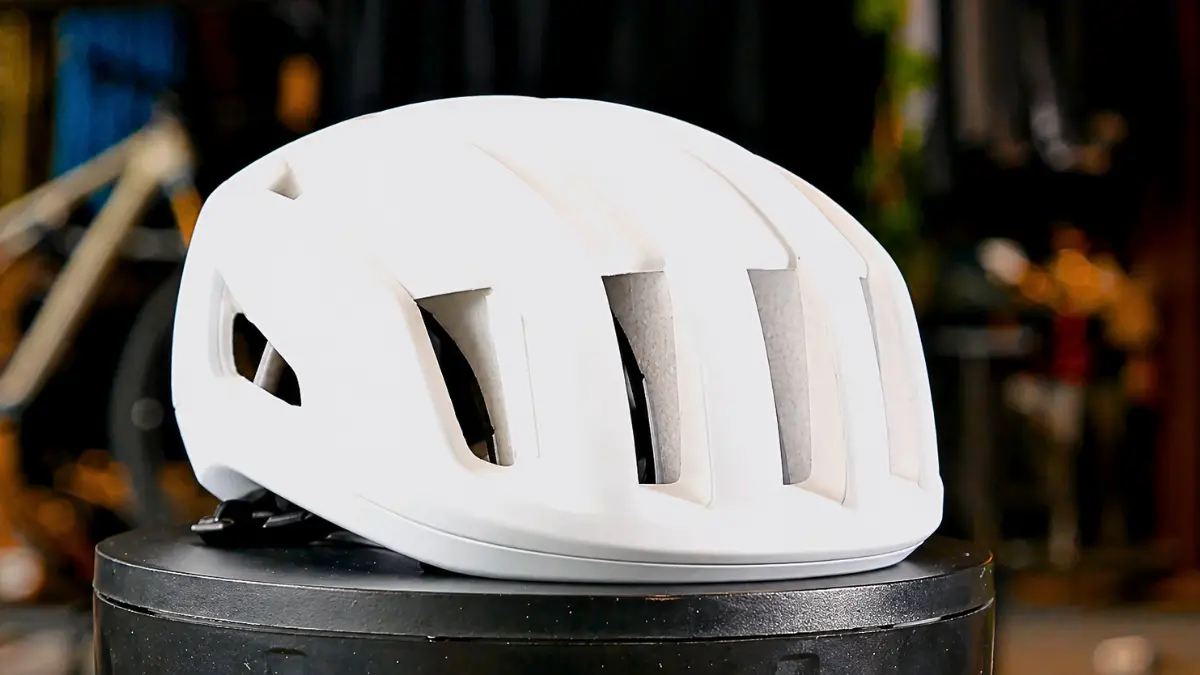
- Best: Safety-first riders, racers, any person who has a previous head injury.
- Important technology: Dual-density EPS, MIPS Air Node.
- Virginia Tech: ⭐⭐itzer (best road helmet score)
3. Best Aero Helmet: S-Works Evade III (~$300)
The Specialized S-Works Evade III is the place to focus on if speed is your goal — the one who looks at Strava segments and is concerned about seconds. In 2026, Cyclingnews named it as their best overall road helmet, largely due to its aerodynamic performance.
- The Evade III is the new aero road helmet of Specialized, which expands upon the already solid base of its predecessor, with significantly better ventilation – two front vents are now sunglasses holders, which is quite a clever design choice. It also scores well in safety testing, ranking much higher than the average of a helmet whose main purpose is to minimise drag. Speed demons searching for the best bicycle helmet for men that slices through the wind will naturally gravitate here.
- It is priced at $300, but considering that riders who race and those who just enjoy the psychological fulfilment of knowing their gear isn’t holding them back, the Evade III performs. One sincere reservation: should you have a crash and require to replace it, that price hurts more than it would with a less expensive lid. Still, as the best bicycle helmet for men focused on aero gains, it’s a worthy investment.
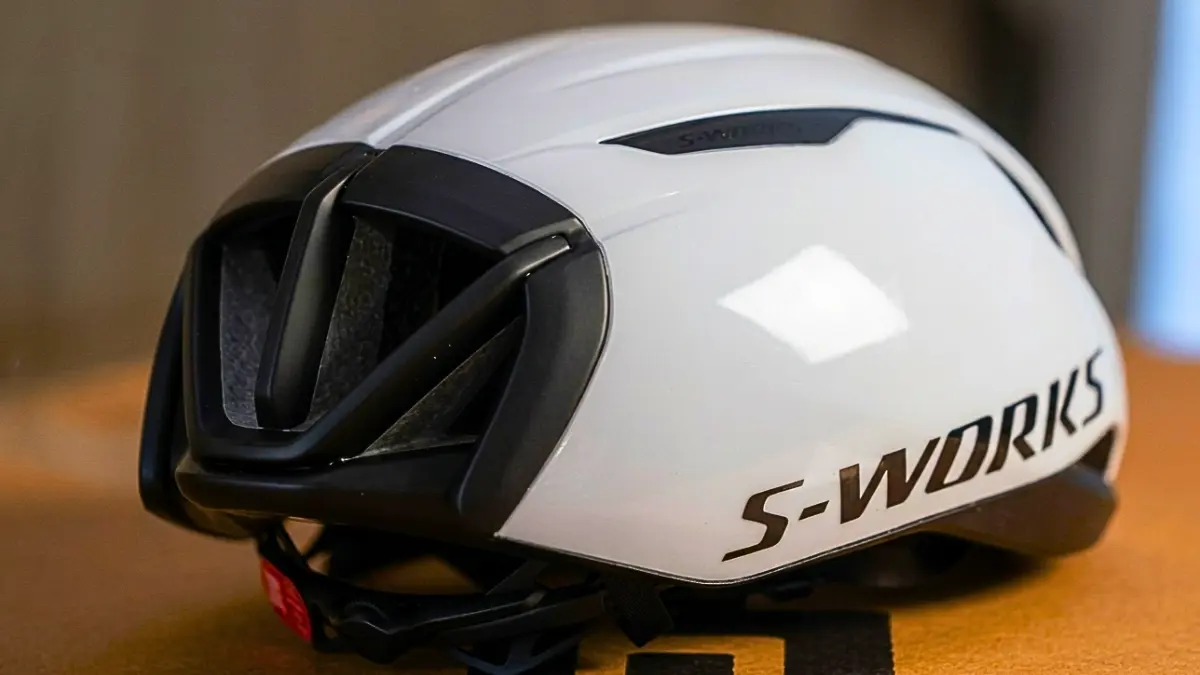
- Best suited: Riders who are speed conscious, club racers, gran fondo participants.
- Important technology: MIPS Air Node, aero shell design.
- Weight: ~$300 price point
- Virginia Tech: ⭐⭐⭐⭐⭐
4. Most Ventilating: Specialized S-Works Prevail 3 (~$300)
When you happen to be in a hot and humid environment or simply happen to be a hot-blooded man, the Specialized S-Works Prevail 3 could be the best bicycle helmet for men who want to be cool more than anything else.
- One glance at this helmet and you get the design philosophy behind it: massive open vents, reinforced with a special Air Cage structure that employs MIPS Air protection and maximises airflow. The Prevail 3 passed through its structure more air than any other helmet that Bikerumor tested in testing. The Air Cage system implies that the interior of this helmet resembles the one of a skeleton, yet this does not affect the safety level, as the Prevail 3 has one of the highest Virginia Tech safety ratings of any helmet tested.
- It is also very costly at $300, and the wide-open design translates to it not being suitable for cold-weather riding. However, in the summer rides, long climbs, and events when the weather is hot, it is the gold standard in 2026. For sweaty climbs and scorching tarmac, the best bicycle helmet for men with ventilation as a priority is certainly the Prevail 3.
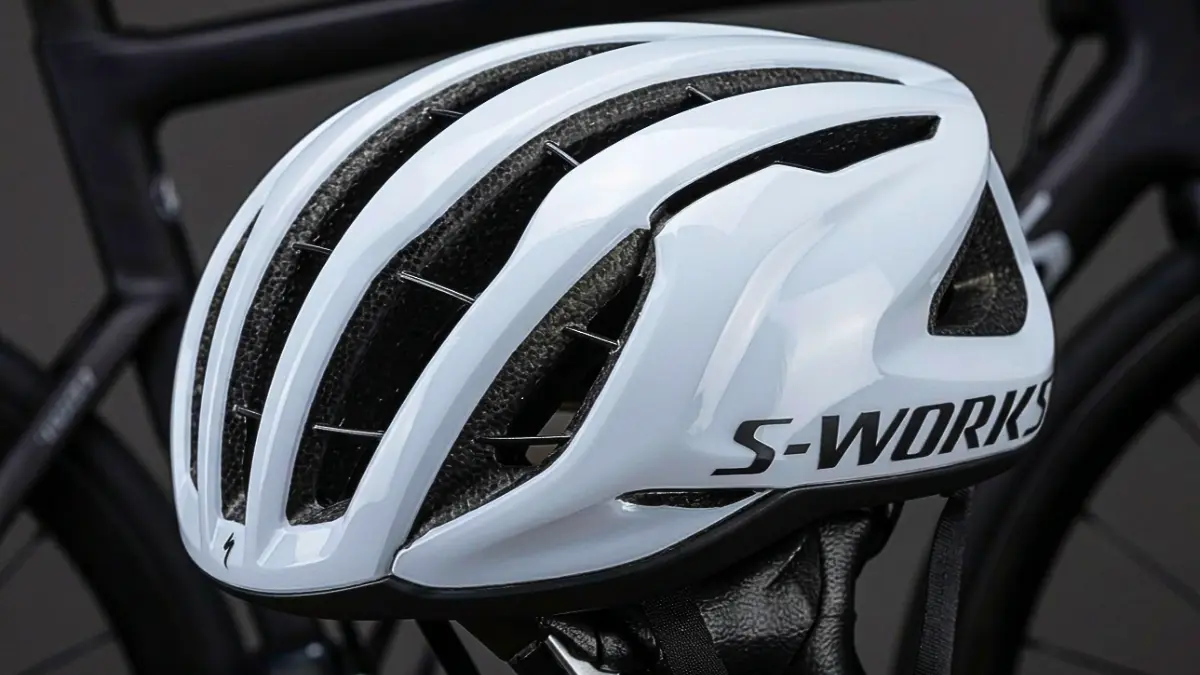
- Best use: Hot weather riding, climbing, high-intensity rides.
- Important technology: MIPS Air, Air Cage structure.
- Virginia Tech: ⭐⭐⭐⭐⭐
5. Best Budget Helmet: Lazer Tonic KinetiCore (~$80)
This is where I would like to make a point that too many of the articles leave out, and that is that you do not have to spend $300 to keep your head well-protected. The best evidence of that is the Lazer Tonic KinetiCore, which challenges the whole idea of what the best bicycle helmet for men on a budget can be.
- The Tonic KinetiCore, at about $80 has received a 5-star rating in independent testing by the Virginia Tech testing department, the highest rating given to helmets that are four times the price. That will take some time to sink in. KinetiCore by Lazer incorporates rotational impact defence directly into the foam of the EPS, without the additional MIPS layer, to achieve this, keeping costs low and protection intact.
- The helmet is also really comfortable and surprisingly light given its price-point – it is even lighter and more comfortable than most helmets that are twice or even thrice the price. Ventilation is adequate but not outstanding. It will not be a winner on any style awards and will not be loaded with high-end features, but as a barebones value offering in 2026, it will be nearly invincible. Cyclingnews gave it their budget pick in both road and gravel and that says it all. For value-conscious riders, the best bicycle helmet for men is almost impossible to beat at this price.
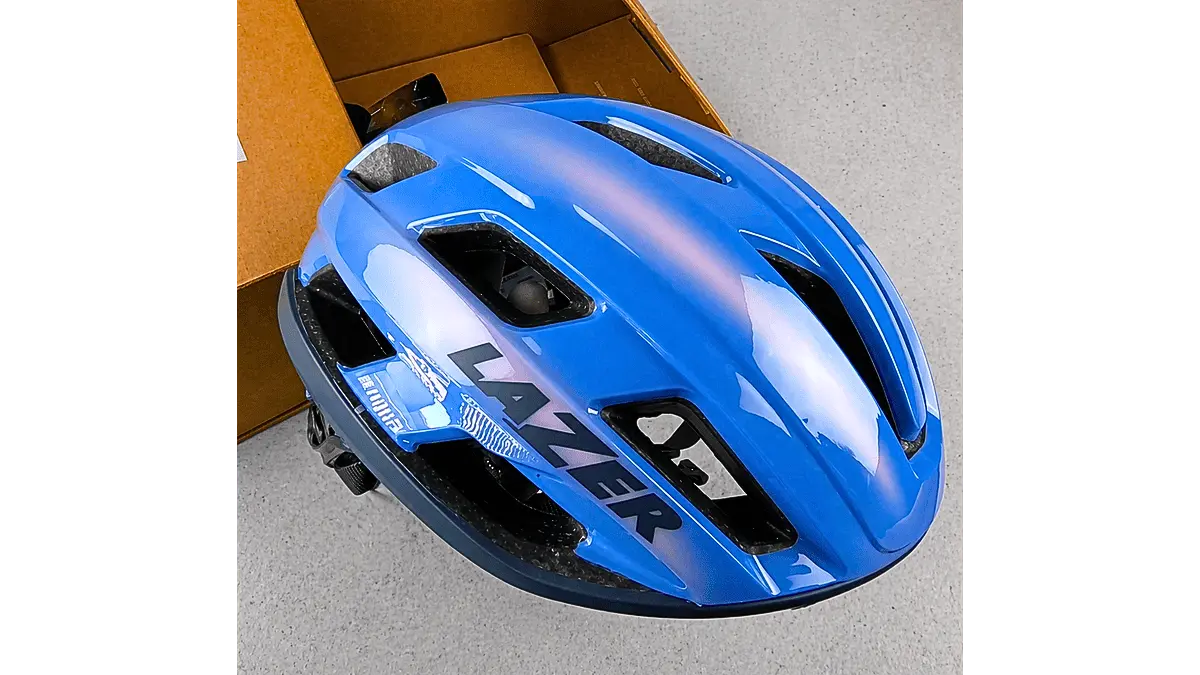
- Best uses: Cost effective riders, novice, recreational cyclists, commutators.
- Significant technology: KinetiCore rotational protection.
- Virginia Tech: ⭐⭐⭐⭐⭐
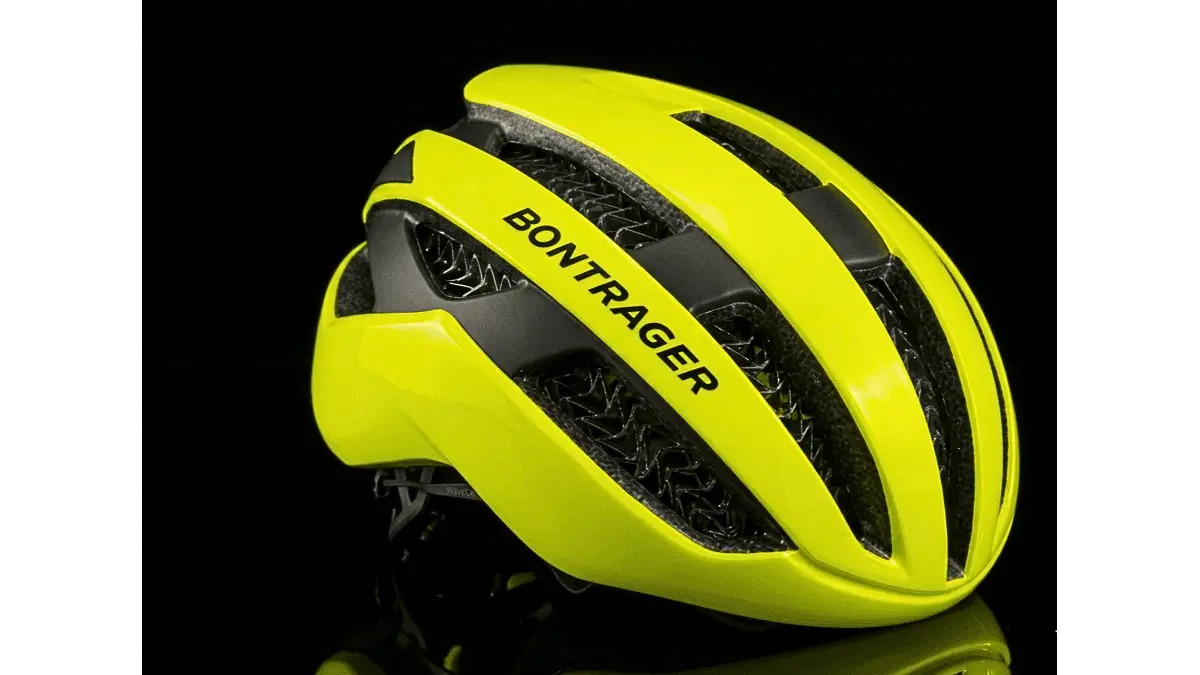
6. Best Commuting: Bontrager Circuit WaveCel (~$160)
Helmets used for commuting must meet a different set of priorities as compared to pure road helmets. You desire something that would match with regular attire, that it can cope up with stop and go situations, it has good protection, and hopefully it has lights or visibility facility to help it compete in traffic.
- The Bontrager Circuit WaveCel strikes that brief quite well. Bontrager has a proprietary cellular structure called WaveCel, which crumples and bends to absorb both linear and rotational impact forces – and in independent tests, it seems to work. The unique thing about the Circuit as a commuting bike is its versatility: it catches the eye on a fast weekend ride, as it does when combined with a backpack on the work run. If you navigate city streets daily, the best bicycle helmet for men that handles the urban jungle is this one here.
- The single truthful negative about WaveCel versus certain others is that it minimally impairs breathability – it is not possible to reach through the vents as with some other helmets. The Circuit is a very powerful choice, however, for the commuter who only desires a no-fuss smart-looking lid that actually works. A number of testers report that it is one of the simplest helmets to adjust to a perfect fit. That ease-of-use factor cements it as the best bicycle helmet for men in the commuting category.
- Ideal: Urban commuters, all-weather users, fashionable cyclists.
- Significant technology: WaveCel impact protection.
- Virginia Tech: ⭐⭐⭐⭐
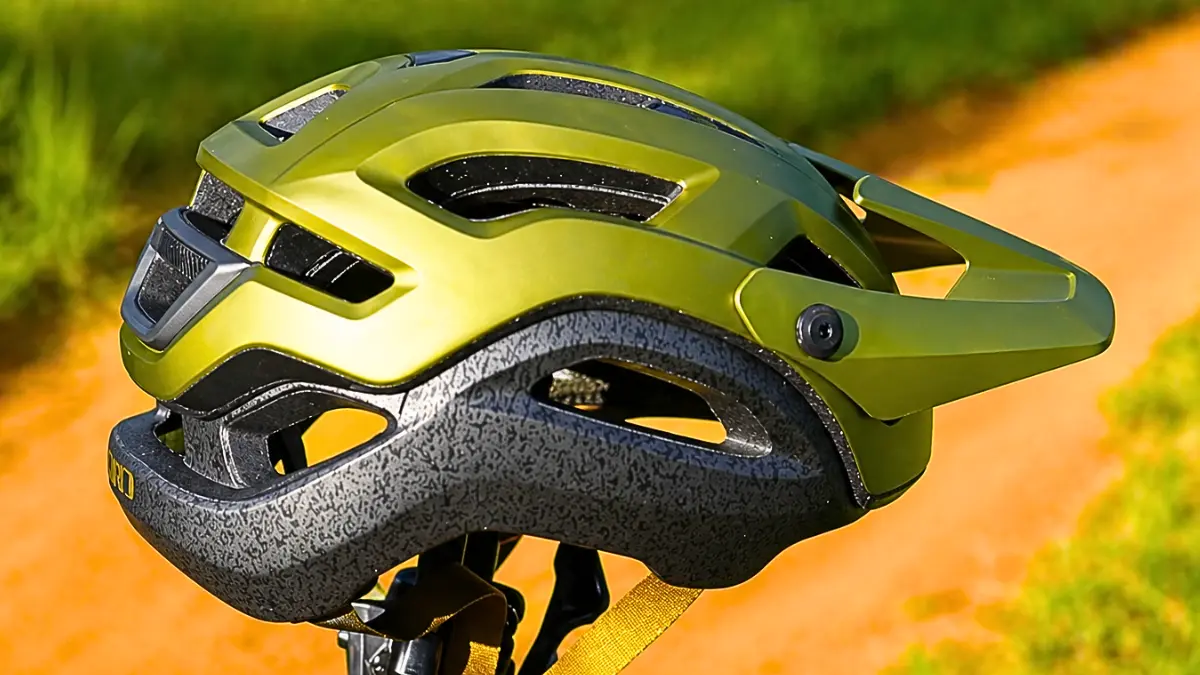
7. Good Mountain Bike Helmet: Giro Manifest Spherical (~$270)
Off-road riding presents a totally new threat profile – you will hit stuff much more on the side, have many impacts, and will need cover lower around the back of your head. This is what the Giro Manifest Spherical is designed to do.
- The Manifest Spherical was a favourite among their testing group in a comprehensive 2026 bike helmet testing published by GearJunkie, and beat out all their other selections in the mountain bike half-shell segment. It got five stars in the Helmet Lab at Virginia Tech – a very impressive score on an MTB helmet. It is made using the Spherical MIPS technology used in the Aries road helmet (the dual-shell ball-and-socket design), which offers specifically strong rotational impact protection. When the trail gets rowdy, the best bicycle helmet for men tackling technical singletrack should inspire total confidence.
- Fit is superb over a variety of head shapes, ventilation is good without being impaired by the additional coverage at the back, and the general build quality is reassuringly high-quality. It is not a cheap purchase at $270, but it is by far one of the best bicycle helmet for men that you can purchase in 2026 when it comes to serious off-road riding.
- Use: Trail riders, mountain bikers, gravel explorers.
- Important technology: Spherical MIPS.
- Virginia Tech: ⭐⭐⭐⭐⭐
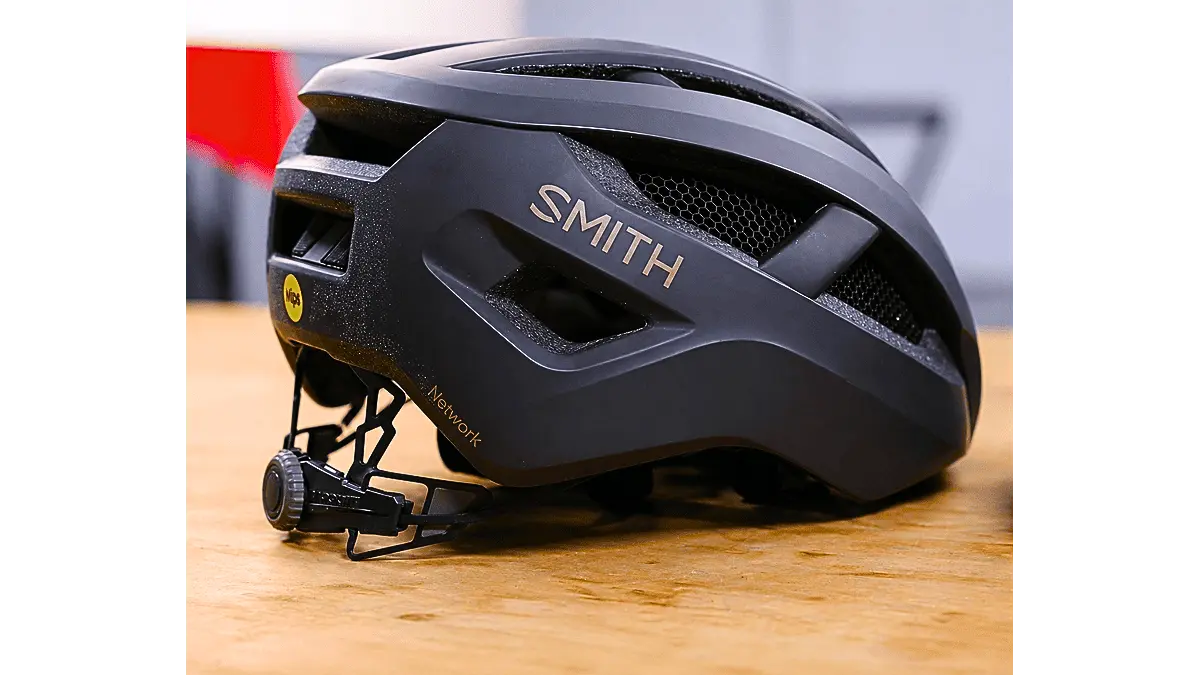
8. Best Mid-range all-Rounder: Smith Network MIPS (~$195)
Not everybody wants to spend $350, and not everybody wants to sacrifice features at $80. The Smith Network MIPS is priced just middle-ground at approximately $195 and does a fantastic job of serving the riders interested in a versatile helmet that can be used on the road, gravel, and commuting without having a high price tag.
- The intriguing part of the Network is that it utilizes Koroyd a cellular honeycomb-like substance that Smith inserts into certain areas of the helmet with some standard EPS foam. Koroyd is lightweight, air-permeable, and crumples when hit to absorb energy. The outcome is a helmet that is considerably comfortable on those long rides, is reasonably ventilated, and can be worn on a weekday commute and a weekend trip to the gravel with decent results.
- Some long-term reviewers have been riding the Network over the years with no significant complaints – that is, in real-world durability testimony, which to me is far more important than most lab figures. In case you desire a single helmet that performs reasonably in all aspects, then the Network offers it. For riders who want the best bicycle helmet for men that can do a bit of everything without draining the wallet, the Network hits the sweet spot perfectly. It really is a convincing candidate for the best bicycle helmet for men who value versatility above all else.
- Best: The all-purpose daily riders, gravel bikers, commuter-weekend warriors.
- Technology: Koroyd + MIPS.
- Price: ~$195
Helmets at a Glance: Quick Comparison
| Helmet | Best For | Price | MIPS/Protection | VT Rating |
| Giro Aries Spherical | Best Overall Road | ~$350 | Spherical MIPS | ⭐⭐⭐⭐⭐ |
| POC Cytal | Safest Road | ~$350–360 | MIPS Air Node | ⭐⭐⭐⭐⭐ |
| Specialized S-Works Evade III | Best Aero | ~$300 | MIPS Air Node | ⭐⭐⭐⭐⭐ |
| Specialized S-Works Prevail 3 | Best Ventilation | ~$300 | MIPS Air | ⭐⭐⭐⭐⭐ |
| Lazer Tonic KinetiCore | Best Budget | ~$80 | KinetiCore | ⭐⭐⭐⭐⭐ |
| Bontrager Circuit WaveCel | Best Commuter | ~$160 | WaveCel | ⭐⭐⭐⭐ |
| Giro Manifest Spherical | Best MTB | ~$270 | Spherical MIPS | ⭐⭐⭐⭐⭐ |
| Smith Network MIPS | Best Mid-Range | ~$195 | MIPS + Koroyd | ⭐⭐⭐⭐ |
Getting the Right Fit: Step by Step.
It cannot be emphasized enough that the finest helmet in the world will not help you a bit unless it fits you properly. This is the way to do it.
- Step 1 – Measure your head. Wrap around the broadest part of your head (around 2.5cm above your eyebrows) with a flexible tape measure (or a length of string which you later measure using a ruler). Here is the circumference of a helmet. Getting this number right is the first step to owning the best bicycle helmet for men for your unique head shape.
- Step 2 – Compare to sizing charts. The standard bands used by most brands are small (5256cm), medium (5559cm), and large (5862cm), although it depends. Always refer to the chart of a particular brand.
- Step 3 – Install it and set the retention system. Close the dial at the back until the helmet is perfectly lying on your head and it does not wobble. It must be tight enough, but not too tight.
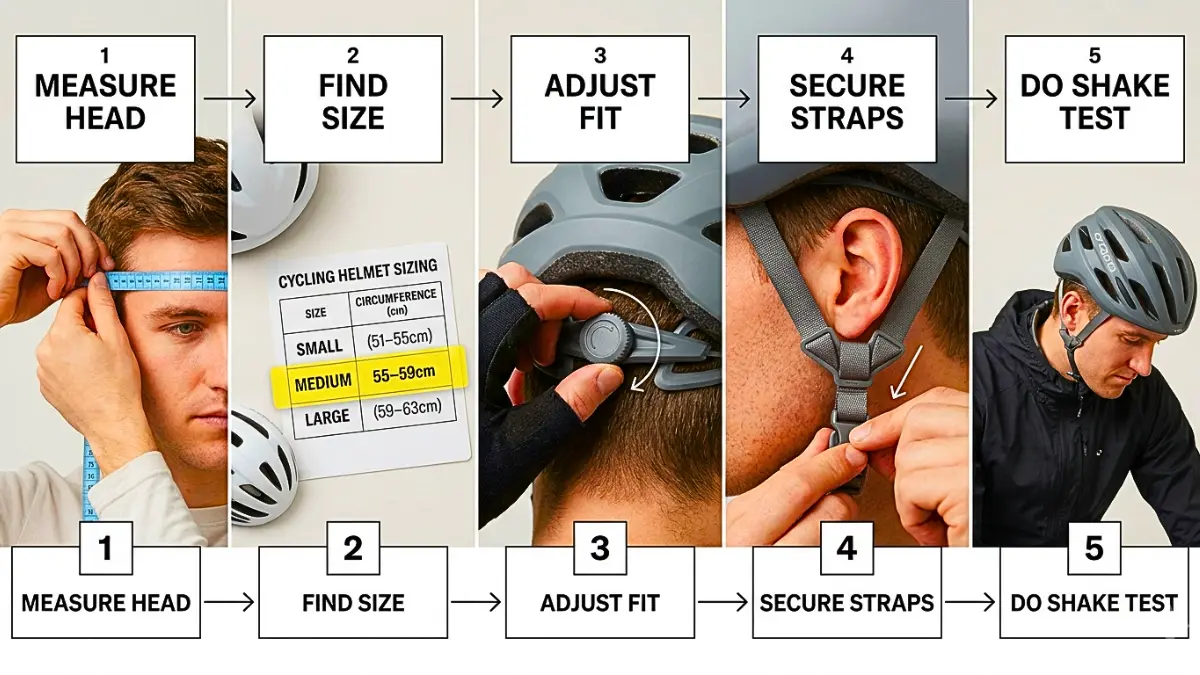
- Step 4 – Strap it. The side straps are supposed to take the shape of the Y-shape just under each ear. The chin strap must be tight enough, but not so tight that you can only slide one finger under it.
- Step 5 – The shake test. Move your head violently left and right as well as front and back. The helmet is not supposed to move or shake. In case it does, re-adjust or use a different size. A secure fit is non-negotiable when you’re wearing the best bicycle helmet for men; without it, even top-tier protection fails.
When Do you change your helmet?
A lot of guys do not consider this until it is too late. The following are the cases where replacement is necessary:
- Following any accident, even when the helmet appears to be in a great condition. The foam could also have taken the impact forces within itself in a manner that cannot be detected by the naked eye, but one that fails to cushion again. Bet not on this one. The best bicycle helmet for men is only effective if its internal structure is intact.
- Even when there is no crash and it is used normally, every five years. Foam does wear out, and there is a lifespan of adhesives and materials which are used to hold a helmet together. This five-year guideline is a rule of thumb that is advised by Consumer Reports.
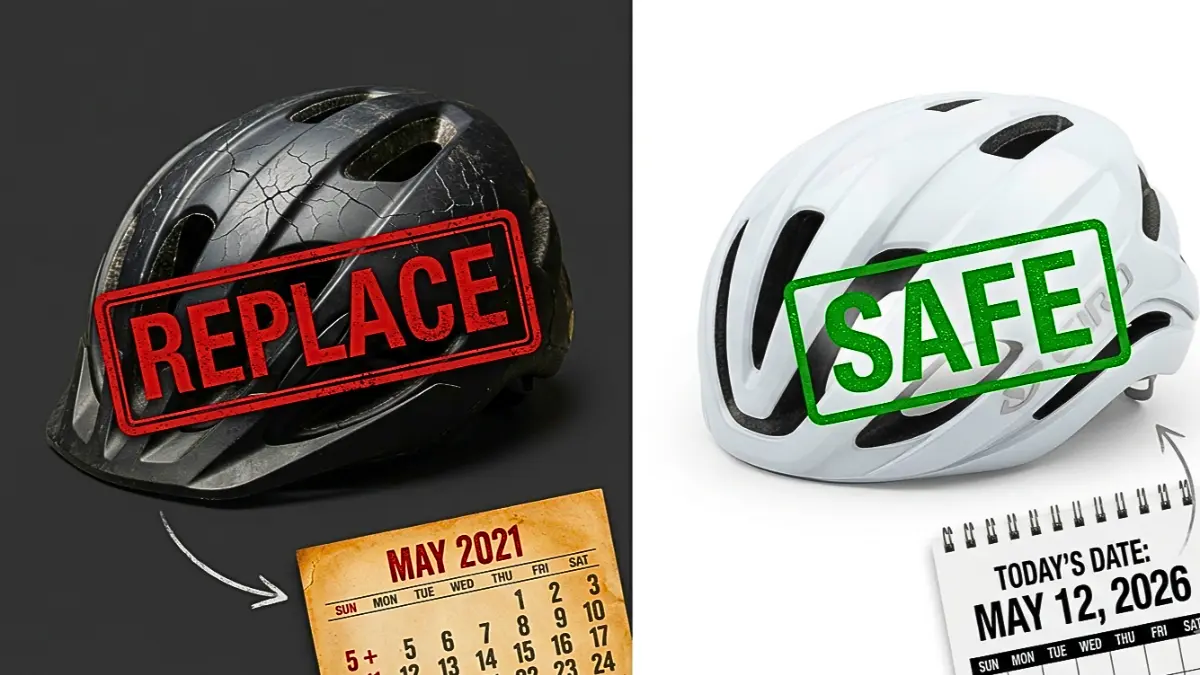
- In case the fit is altered considerably. The helmets may distort slightly as they get old and when a helmet which was fitting your head is no longer doing so, go with your gut.
- In case there are visible cracks, dents or damage to the shell or the interior foam. It goes without saying. Replacing your lid on time ensures that your next ride still features the best bicycle helmet for men in terms of protective capability.
E-Bike Riders: A Brief with a Quick Note.
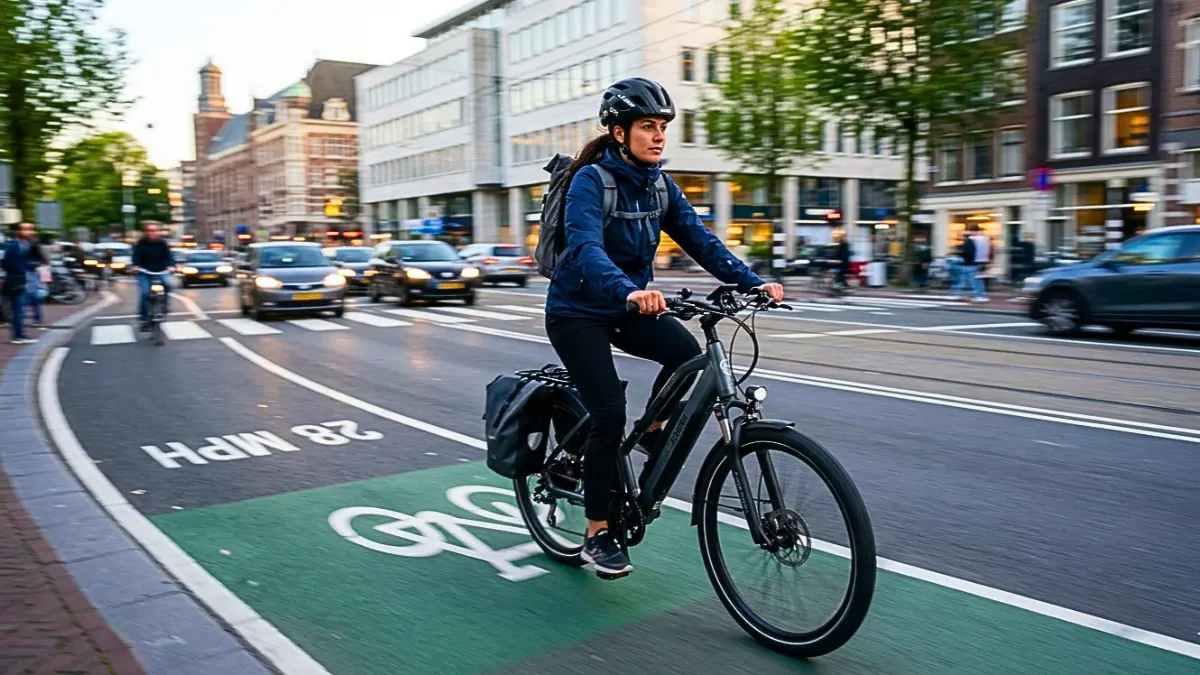
Riding an electric bike (which an increasing number of people are doing in 2026, particularly commuting), consider helmet ratings that specifically address higher speeds. The standard bicycle helmet certification is made based on the normal speed of the bikes, and most e-bikes will travel at up to 28mph or higher. Find certified helmets that have the certification of NTA 8776 (a Dutch speed pedelecs standard) and similar e-bike certifications. Both the Smith Express MIPS and MET Intercity are good in this category. If your e-bike commute pushes higher speeds, the best bicycle helmet for men will carry a dedicated e-bike safety rating.
Final Consideration: Which final one should you purchase?
These are my summary notes in case a friend of mine asks me directly:
- Should you wish to spend $350 or so and want to have the best bicycle helmet for men overall, purchase the Giro Aries Spherical. The POC Cytal should be preferred in case the only requirement is maximum safety. On a tight budget and want to be convinced that you do not have to spend more money to be sure that your head is safe, take the Lazer Tonic KinetiCore and feel good about it.
- In the case of mountain biking, Giro Manifest Spherical is excellent. In commuting, the Bontrager Circuit WaveCel offers the perfect balance between protective qualities and utility. And when you are willing to have a single helmet that does it all without breaking the bank, the Smith Network MIPS at $195 is a true sweet spot and a real contender for the best bicycle helmet for men in the versatile mid-range.
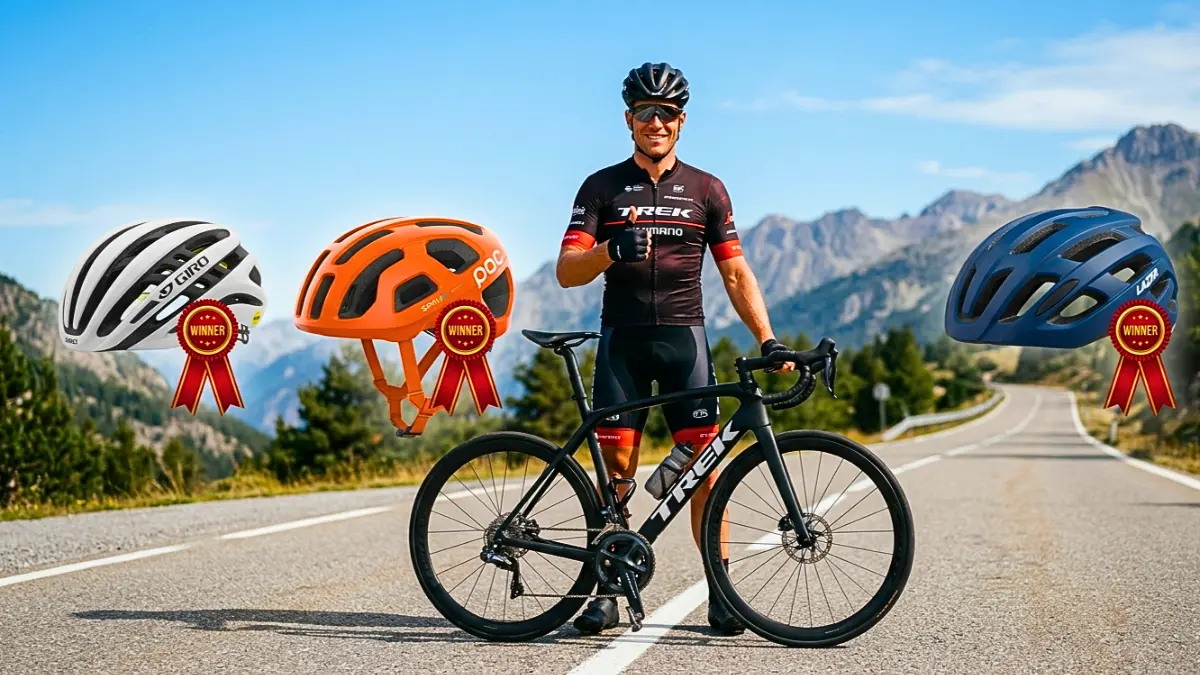
Wear whatever you want. Every single ride. That is what counts more than any brand name or safety technology in the world. The best bicycle helmet for men is the one that is on your head when you need it.
Be safe on the roads.
FAQ –
1. Do bicycle helmets expire?
Ans – Bike helmets generally expire 3 to 5 years after the date of first use or 5 to 7 years from the manufacturing date, even if not crashed. The EPS foam and shell materials degrade over time, reducing impact absorption, and safety standards improve, making older helmets less protective.
2. Do helmets help prevent concussions?
Ans – Helmets are designed primarily to prevent severe brain injuries (like skull fractures and bleeding) by absorbing impact energy, but they are not highly effective at preventing concussions. While they reduce overall head trauma severity, concussions often result from rotational or acceleration forces that helmets cannot completely eliminate.
3. Are expensive helmets worth it?
Ans – Expensive helmets are generally worth it for the improved comfort, lower weight, reduced noise, and better ventilation they offer, rather than just added safety. While all helmets must pass basic safety certifications, higher-end models provide premium materials (carbon fiber), superior aerodynamics, and additional features like advanced liner systems, which reduce fatigue and enhance the riding experience, especially on long trips.
4. What helmets do pro cyclists wear?
Ans – Pro cyclists wear high-performance, lightweight helmets designed for aerodynamics, safety, and ventilation, with brands like Ekoï, Specialized, HJC, and Lazer dominating the WorldTour. Top models include the Specialized S-Works TT5, HJC IBEX 2.0/Furion 2.0, Kask Protone Icon, and Lazer Vento KinetiCore.
5. Do I need a MIPS helmet for cycling?
Ans – MIPS (Multi-directional Impact Protection System) is not strictly necessary, as all certified helmets provide essential linear impact protection, but it is highly recommended for improved safety. MIPS specifically reduces rotational forces on the brain caused by angled impacts, which are common in bike crashes.
Also Read – What is the 2-2-2 Rule When Fitting a Helmet on Your Head?

Rohit is the visionary behind CarBikeJunction. With over a decade of experience in automotive journalism and a deep love for mechanical engineering, he ensures that every piece of content that goes live meets the highest standards of quality and accuracy. As Editor-in-Chief, he oversees the editorial direction of the website and is often found test-driving the toughest SUVs or analyzing market trends. His leadership is the driving force behind our platform.