





The notice lands like deja vu. Ford is issuing a Ford Focus repeat recall, calling back more than 255,000 Focus compact cars from the 2012 to 2018 model years because a previous safety recall, one that was supposed to prevent engines from suddenly stalling, wasn’t performed correctly. Some owners will learn that a repair they trusted has quietly failed them, possibly for years.
This isn’t a new defect. It’s a botched remedy for one. And that makes the story far more troubling than a routine safety campaign.
A small valve, a sudden loss of power
At the center of both the old recall and this fresh one sits a component most drivers never think about: the canister purge valve. Its job is mundane but crucial. It meters fuel vapor from the charcoal canister into the engine, keeping emissions in check and the air-fuel mixture stable.
When the valve sticks open, it disrupts that balance. The engine can hesitate, stumble at idle, or, most dangerously, cut out entirely while the car is moving. No warning lights. No limp mode. Just an unplanned dead engine on a highway or a busy intersection.
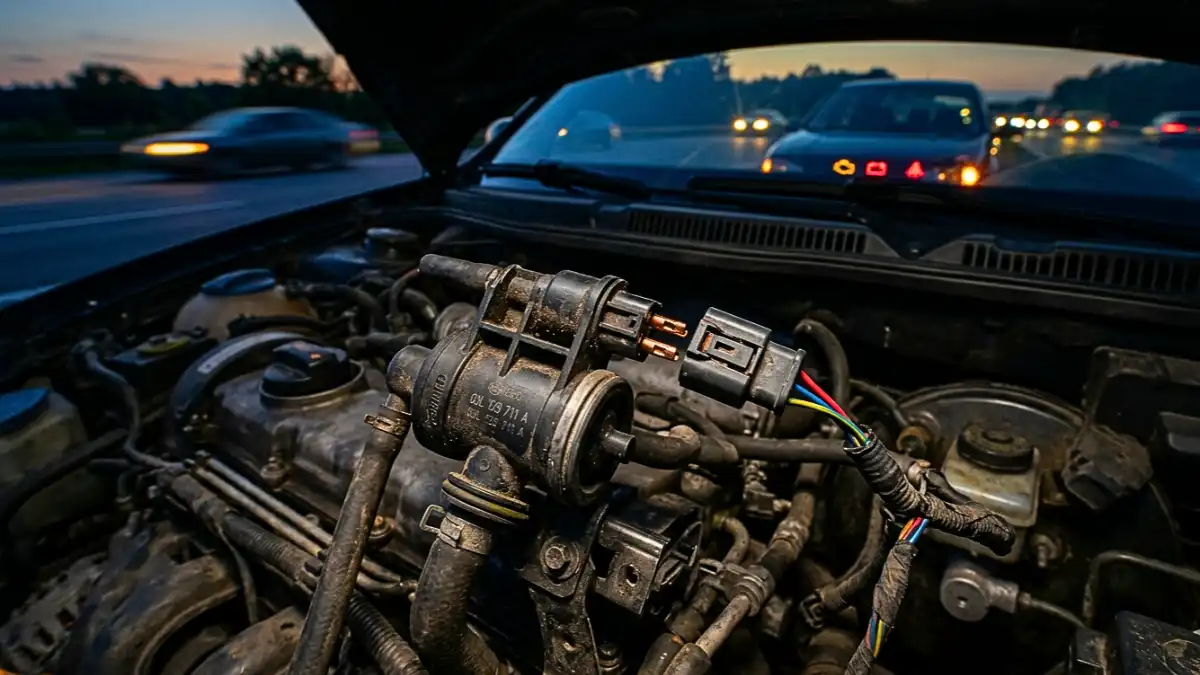
The original recall, designated 18V735 by the National Highway Traffic Safety Administration, aimed to fix this on hundreds of thousands of vehicles. But according to Ford, the work carried out under that campaign was flawed on 255,404 cars. The software calibration and, in some cases, hardware replacement didn’t resolve the underlying vulnerability. The valve can still malfunction. The stall risk remains.
Also Read – Ford’s $30000 Electric Pickup Reboot: Not the Sequel You Think It Is
Why a software update now?
Ford’s prescribed remedy this time is a powertrain software update, delivered at dealerships free of charge. For many owners, that will feel like a repeat. It raises a legitimate question: if the first fix failed, why should a second software tweak succeed?
Modern vehicles rely heavily on engine management code to mask hardware quirks. A stuck purge valve can, in theory, be partially compensated for by adjusting fuel trims, idle speeds, and throttle responses. But software can only do so much. It can’t repair a physically degraded valve. It can buy time, smooth out symptoms, and reduce the odds of a stall, but it rarely eliminates the root cause.
Safety researchers I’ve spoken with over the years note that software band-aids are increasingly common. They’re faster and cheaper than replacing tens of thousands of physical parts. They also make it harder for consumers to judge whether a problem is truly solved. A car might feel fine for six months, then stall on a damp morning two years later. That’s the insidious nature of evaporative emissions faults.
Ford Focus repeat recall: The unsettling pattern of “re-recalls”
Repeat recalls where a previous fix turns out to be insufficient or improperly executed aren’t unique to Ford. The auto industry has a quiet, recurring struggle with them. Sometimes it’s a dealer not following instructions precisely. Other times, the engineering team underestimates how a component degrades over time. Occasionally, it’s a supplier quietly changing a part’s specification without notice.
What makes the Focus case stand out is scale. A quarter-million cars, already called in once for a stalling defect, now need a second trip to the service bay. Many of these vehicles are aging. The youngest 2018 model is already eight years old in 2026. Owners may have moved, changed phone numbers, or given up on dealer mailings. Finding them and convincing them to act is a communications challenge as much as an engineering one.
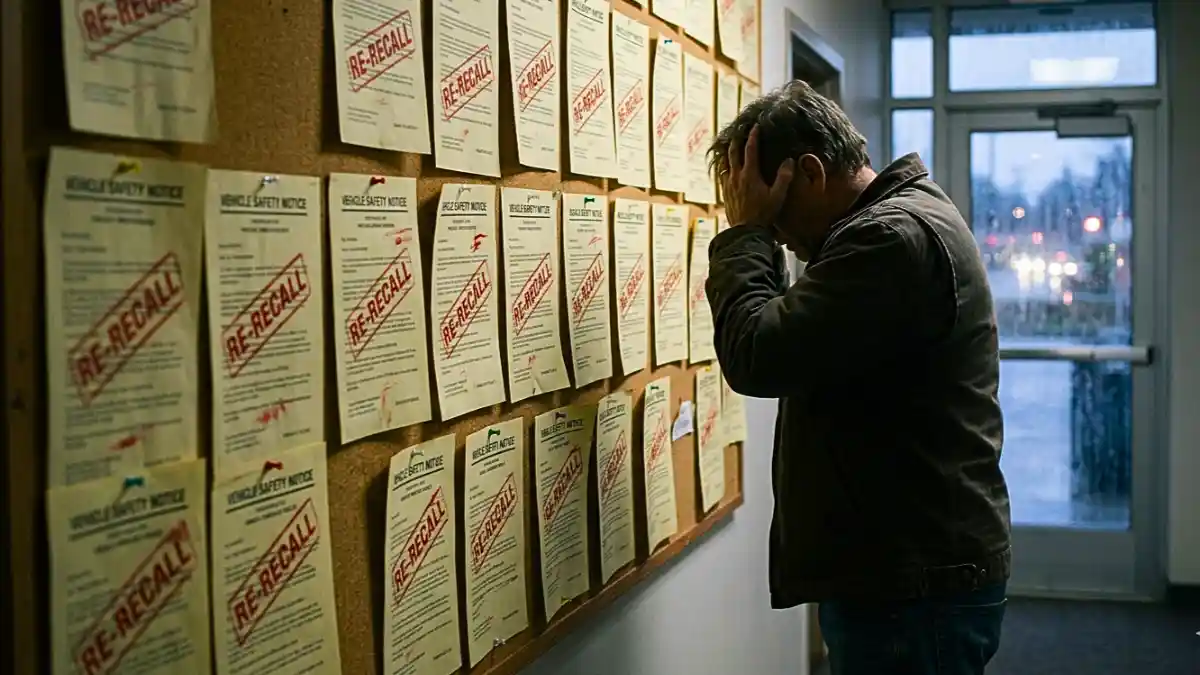
NHTSA data shows that completion rates for older recalls tend to drop significantly. When a second notice arrives for the same issue, consumer trust erodes. Some people ignore it, assuming it’s a duplicate. Others grow frustrated and delay the fix. That leaves genuinely dangerous cars on the road.
Also Read – Rivian R2 Mainstream Survival Gamble: The Test That Will Make or Break the Brand
Future implications beyond the Focus
This recall carries lessons that extend far beyond one model line. First, it underscores the growing complexity of emissions-related diagnostics. As regulations tighten, automakers push hardware to its limits and lean on software to manage the gaps. When that software proves inadequate, recalls can cascade.
Second, the rise of over-the-air updates changes the recall landscape. Ford will require a dealer visit for this fix, but the industry is rapidly moving toward remote software patches. That convenience could mask deeper mechanical issues. A car that has been “fixed” with a silent overnight download may still have a failing purge valve waiting to ruin a family road trip. Transparency about what an update actually addresses will become a consumer rights issue.

Finally, the re-recall forces regulators and manufacturers to rethink how repair quality is audited after a campaign launches. Currently, a recall is considered complete when the dealer marks it in the system. There is no systematic post-repair testing to verify that the fix holds up in the real world across varying climates, driving styles, and vehicle ages. The Focus experience suggests that might need to change.
What owners should know now
Ford’s internal code for this campaign is 26S40. NHTSA’s identifier is 26V369. The automaker expects to mail owner notification letters starting July 6, 2026. Around that same date, the affected vehicle identification numbers will become searchable on NHTSA’s public recall lookup tool.
Any owner of a 2012 through 2018 Focus who experienced a stall or who had the earlier purge valve recall performed should not wait for a letter. They can contact Ford customer service directly or check their VIN online. The repair is free, as all safety recalls are, and it shouldn’t take long. The software reflash may not feel transformative from behind the wheel, but ignoring it is a gamble no driver should take.
Behind the clinical recall numbers lies a sober reality. When a fix needs fixing, the system designed to protect us has already fallen short once. The second chance shouldn’t be wasted.
Also Read – The Muscle Truck Is Back: Ram 1500 Rumble Bee Swings for the Fences


Rohit is the visionary behind CarBikeJunction. With over a decade of experience in automotive journalism and a deep love for mechanical engineering, he ensures that every piece of content that goes live meets the highest standards of quality and accuracy. As Editor-in-Chief, he oversees the editorial direction of the website and is often found test-driving the toughest SUVs or analyzing market trends. His leadership is the driving force behind our platform.