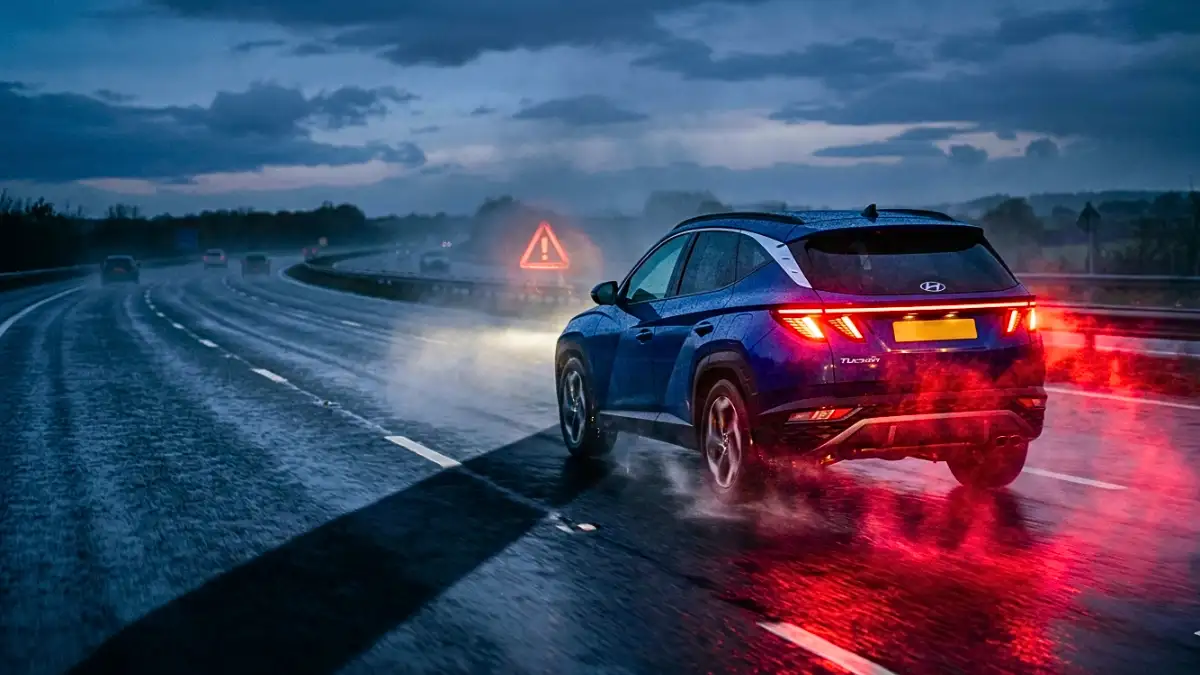
It begins with a sudden, violent jerk, your car slamming on the brakes as if it saw a ghost. No obstacle ahead, no imminent collision, just a software glitch turning a guardian into a hazard. That’s the unsettling reality for hundreds of thousands of Hyundai owners caught in the automaker’s latest safety recall, the Hyundai phantom braking recall 2026, a stark reminder that the road to autonomy is paved with code that doesn’t always get it right.
Hyundai is now calling back more than 421,000 vehicles after discovering that the very system designed to prevent crashes can, in fact, cause them. The problem sits deep inside the forward collision avoidance technology, where camera software can misinterpret harmless shadows, roadside signs, or shimmering heat mirages as a deadly threat. The result: the brakes engage abruptly and without warning, transforming a split-second driver assist into a potential trigger for rear-end collisions.
The Ghost in the Machine: Inside Hyundai Phantom Braking Recall 2026
At the heart of this recall is a piece of engineering that many drivers now take for granted: the forward-facing camera that feeds data into the collision avoidance brain. In the affected 2025 and 2026 Santa Cruz, Tucson, Tucson Hybrid, and Tucson Plug-in Hybrid models, that brain has been having waking nightmares. Instead of filtering out false positives with confidence, the software is prone to what engineers call “uncommanded activation,” a sterile term for the terrifying experience of your vehicle forcefully braking at highway speeds for no reason at all.
The National Highway Traffic Safety Administration has linked this defect to at least four crashes that resulted in injuries to four people. Those numbers might seem small against a pool of nearly half a million vehicles, but each represents a moment where trust in safety technology was shattered. A driver who can’t predict when their car will intervene loses the very sense of control that makes driving feel secure. That erosion of confidence is far harder to fix than a software patch.
A Troubling Pattern Emerges
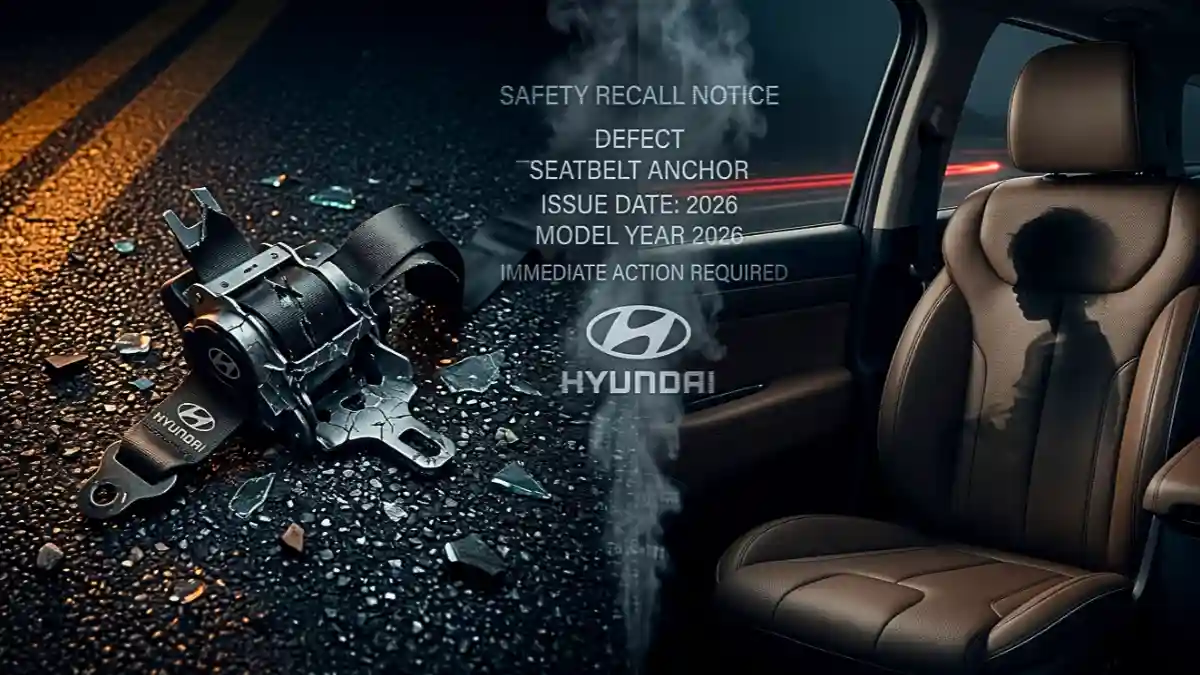
This isn’t an isolated stumble. Hyundai’s recent months have been punctuated by a series of safety blowbacks that suggest deeper cracks in quality assurance. In April, the company recalled 290,000 vehicles because seatbelt anchors could fail in a crash, a basic, mechanical flaw that should never escape modern manufacturing scrutiny. Just a month earlier, a far more tragic episode unfolded: Hyundai halted sales of the 2026 Palisade Limited and Calligraphy trims after a child was killed by a power seat mechanism that failed to detect the presence of a person or object. When the machinery that is supposed to protect becomes the source of harm, the consequences move from abstract engineering metrics to real human loss.
What makes this braking recall particularly concerning is the cumulative damage to Hyundai’s reputation as a safety innovator. The company has invested heavily in marketing its advanced driver-assistance suites as democratizing premium safety. But when headlines stack up, phantom braking, failing seatbelt anchors, and life-threatening power seats, consumers begin to question whether the rush to pack vehicles with technology is outpacing the rigour of validation. The narrative shifts from “cutting-edge protection” to “what might fail next.”
Also Read – The Hyundai Elantra Hybrid Recall Holds a Loud Lesson for the Electrified Future
The Human Cost and Corporate Accountability
Hyundai says it will notify owners by mail in mid-July and offer a free software update at dealerships, a remedy that sounds straightforward but masks a deeper discomfort. For owners, waiting until midsummer for a fix means months of driving with a known phantom in the system. The manufacturer’s communication will need to do more than just announce a recall code; it must rebuild the confidence that an unintended application of the brakes won’t strand them in an intersection or startle a following driver into a collision.
From a legal and regulatory perspective, this recall raises questions about how thoroughly automakers test perception software in real-world conditions. The camera’s false-alarm problem isn’t just a coding error; it’s a failure of scenario validation. Did testing include the blinding glare of low-angle winter sun? The confusing patterns of shadows through a tree canopy? The reflective surfaces of wet asphalt? Expert observers in automotive safety have long warned that camera-only systems are especially vulnerable to edge cases that human eyes navigate almost subconsciously. When those edge cases translate to thousands of pounds of metal acting erratically, the tolerance for “over-the-air-addressable” mistakes should vanish.
What This Means for the Future of Driving
The braking recall is a cautionary chapter in the broader story of semi-automated driving. The industry is hurtling toward more advanced hands-off systems, yet even basic collision avoidance still stumbles. That gap demands a recalibration of priorities, not just faster deployment, but hardier testing environments that simulate the messy, chaotic world outside the lab. Regulators may begin pushing for stricter certification of AI-driven safety features, requiring proof that false activations won’t outnumber true life-saving interventions.
For Hyundai, the road ahead is about more than clearing recall inventory. It’s a test of whether the brand can move from reactive fixes to proactive transparency, perhaps by inviting third-party audits of its software validation processes or by offering extended warranties on safety electronics. Trust, once lost to a phantom jolt of the brakes, isn’t restored by a free service visit alone.
Drivers aren’t just buying horsepower and infotainment screens; they’re buying a promise that the car will protect them without turning into an unpredictable adversary. When safety systems start misbehaving, they don’t just fail, they betray. And that’s a defect no software update can easily overwrite.
Also Read – The Anti-Tech Revolution: Why Toyota’s Most Reliable 2026 Car Is a Masterclass in Restraint

If it runs on electricity or has a microchip, Rahul is on it. As our resident tech geek and electric vehicle (EV) specialist, Rahul decodes complex technologies into simple language for our readers. He stays ahead of the curve on battery technology, autonomous driving, and the latest digital trends in the automotive sector. If you want to know the real range of an EV or the future of mobility, Rahul has the answers.