


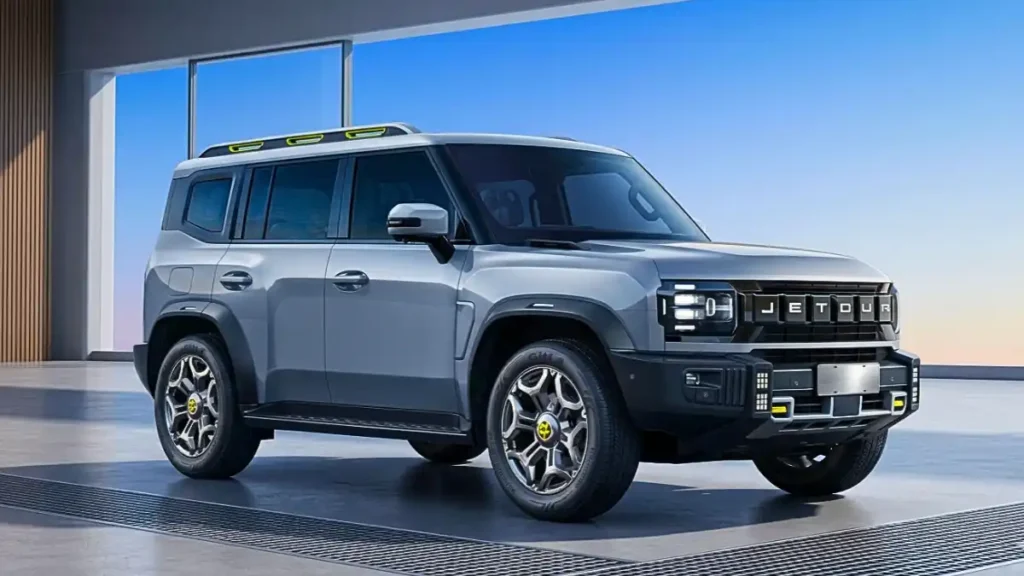

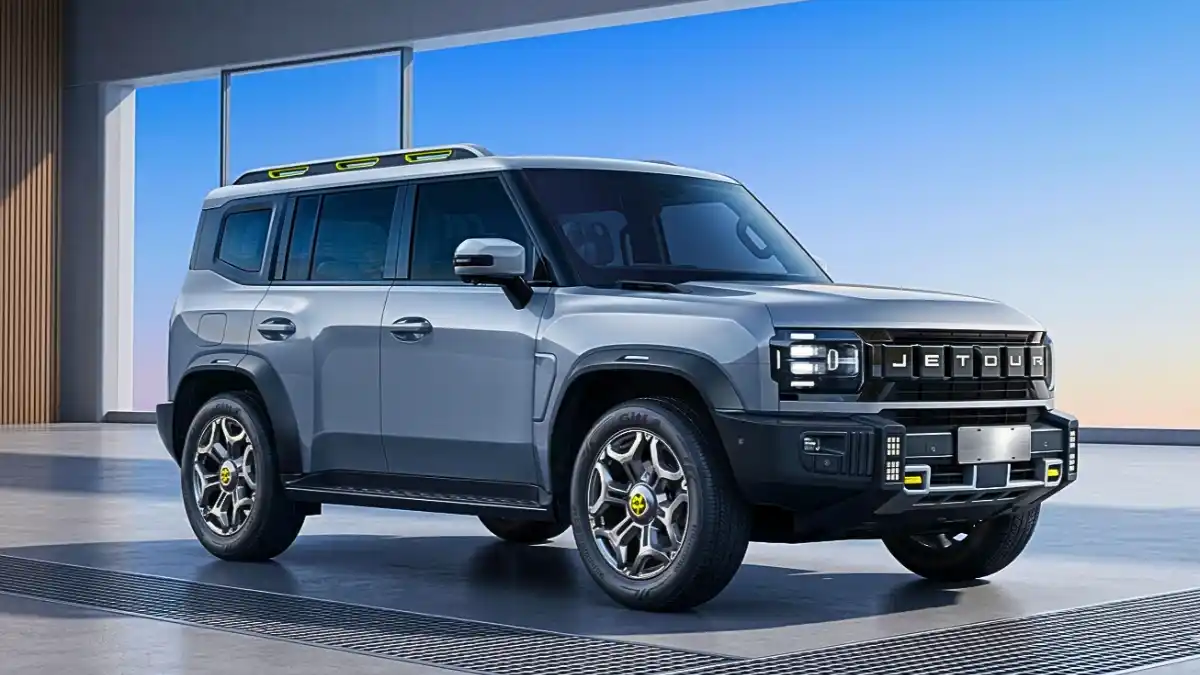
Most new carmakers creep in with one model and wait. JSW Motors is arriving with a four-year war plan, a 300-acre factory, and fifteen vehicles across every price bracket. The JSW Motors electric car India launch is poised to do more than just add another nameplate. If the strategy holds, India’s EV market will never look the same.
In the history of India’s passenger vehicle market, no homegrown brand has attempted an entry quite like this. JSW Motors, backed by the steel-to-sport conglomerate JSW Group, isn’t tiptoeing into a crowded market with a single affordable hatchback. It is arriving at Diwali 2026 with a premium new energy vehicle priced above ₹35 lakh, and behind it, a pipeline of fifteen models spread over four years.
That math works out to roughly one new vehicle every three months. For context, even established carmakers struggle to sustain that pace. For a brand that hasn’t sold a single car yet, it is either a bold statement of intent or a carefully calculated disruption, possibly both.
Why Start at the Top?
- 15: New energy vehicles planned over 4 years
- ~3 month: Average gap between planned launches
- 5 lakh: Initial annual production capacity (units)
- ₹10L–₹30L+: Planned price range across the portfolio
The decision to debut with a vehicle above ₹35 lakh is deliberate and strategically sound. Brand perception, particularly for a new entrant, is almost impossible to repair once established. Launching into the budget segment first risks being permanently tagged as a mass-market or value proposition, a ceiling difficult to break through later.
Premium entry is the playbook. It lets JSW Motors control the narrative: quality, technology, aspiration. Once the badge earns credibility at the higher end, the second product, reportedly targeting the ₹18–20 lakh band, carries inherited trust downward into a much larger customer pool. This is exactly how several Korean and now Chinese brands have climbed market ladders over decades, though JSW appears to be trying to compress that timeline dramatically.
Starting premium and scaling down has worked for every automaker that survived long enough to tell the story. The risk is in the pace; fifteen models in four years would stress even seasoned organisations.
Also Read – Ferrari Luce electric car: Electric Shock Therapy – Why It’s More Than Just a Polarizing EV
The MG Alliance and What It Actually Means
JSW Motors’ partnership with MG Motor India, the British-origin brand now majority-owned by China’s SAIC, is more than a distribution arrangement. It provides JSW with immediate access to supply chains, service networks, and, importantly, lessons from MG’s own navigation of the Indian EV market.
MG’s experience with models like the ZS EV and the Comet gave it real-world data on Indian buyer behaviour around range anxiety, charging infrastructure hesitancy, and price sensitivity. JSW inherits some of that institutional knowledge without having to run the same expensive experiments from scratch.
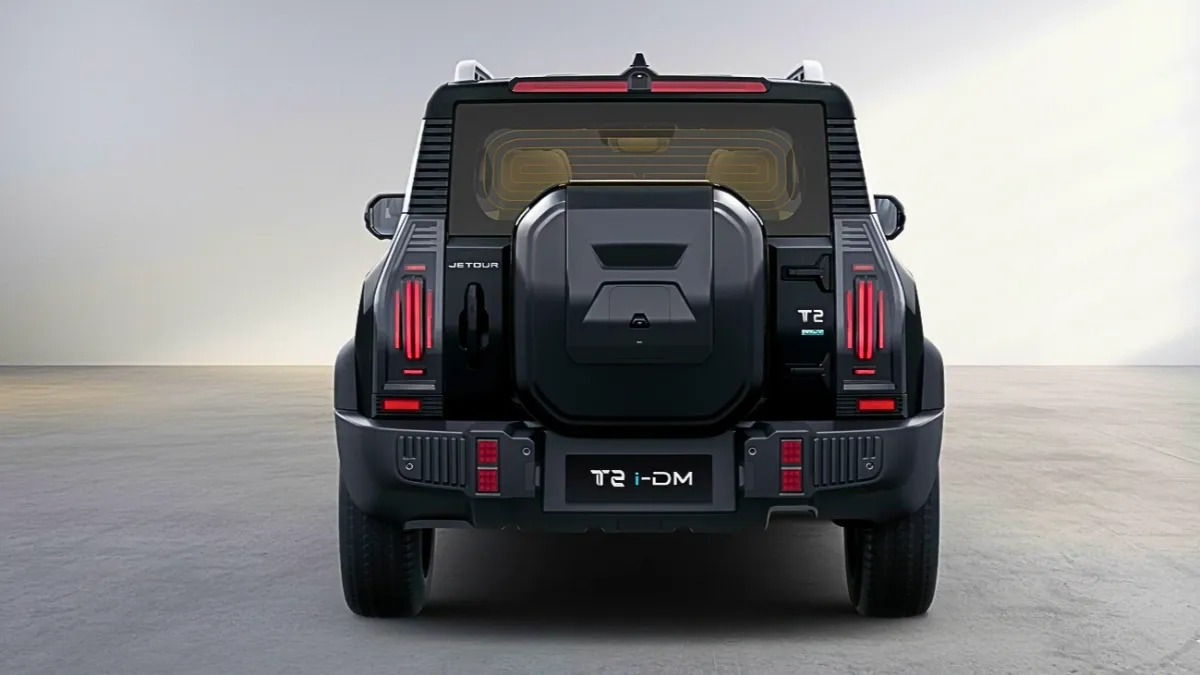
Test prototypes already spotted on Indian roads suggest the first model isn’t a concept; it is a working vehicle approaching production readiness. The Diwali deadline isn’t aspirational; it appears to be an engineering commitment.
The Sambhajinagar Factory: Scale Before Demand
Three hundred acres in Sambhajinagar, Maharashtra. An initial annual capacity of five lakh units. A supplier ecosystem planned around the site. These are not the numbers of a company hedging its bets.
Five lakh units per year comfortably exceeds what several established players in India currently produce. Building for that scale before the first car is sold is either visionary capital allocation or a significant overestimation of market appetite. The answer will emerge over the next two to three years.
What the factory does guarantee is control. Localisation, parts availability, and production cost are variables that destroy margins for companies relying on imports. By anchoring manufacturing in Maharashtra from day one and developing a captive supplier network, JSW Motors is structurally insulated against the supply shocks that hobbled several EV startups during the semiconductor squeeze of the early 2020s.
New Energy Vehicles: The Flexibility Hidden in the Phrase
JSW Motors has consistently used the term “new energy vehicles” rather than “electric vehicles.” This is not accidental. NEV is a regulatory and commercial classification broad enough to include battery electric vehicles, hybrids, plug-in hybrids, and hydrogen fuel cell vehicles.
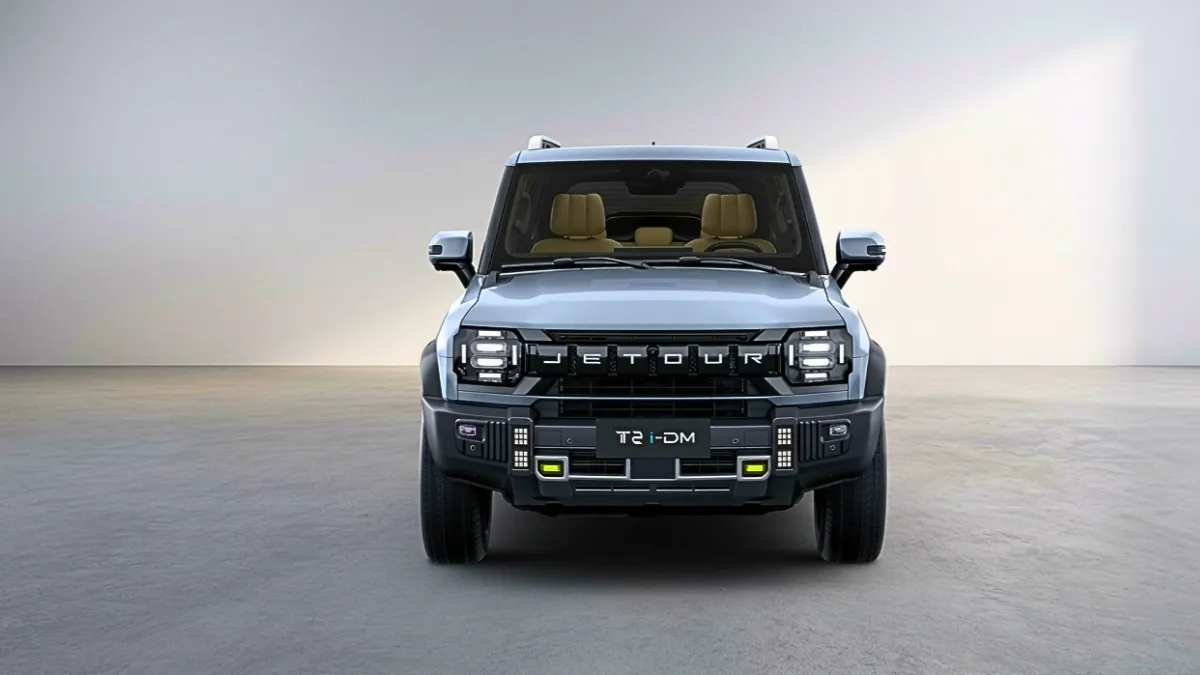
India’s charging infrastructure, while growing, is still uneven. Urban centres are reasonably served, but highway corridors and tier-two cities remain thin. By preserving hybrid optionality across its portfolio, JSW Motors can serve customers who want electrification without committing entirely to a charging-dependent lifestyle. It also positions the brand ahead of potential policy shifts, since India’s government incentive framework for EVs has historically been subject to revision.
Also Read – Bugatti Tourbillon Bolide Mashup: A Diamond in the Rough
JSW Motors Electric Car India Launch: What the Timeline Looks Like
- Diwali 2026: Brand unveiled. First model revealed — premium NEV above ₹35 lakh. Test prototypes are already running.
- Nov 2026: Bookings open for first model. Consumer appetite tested at the premium price point.
- Late 2026 – Early 2027: First deliveries. Second model — ₹18–20 lakh segment — enters planning for rollout. Two to three additional products possible within year one.
- 2027–2030: Full portfolio of 15 NEVs launched. Price band ₹10 lakh to ₹30 lakh+. Sambhajinagar factory scales toward full capacity.
The Larger Question This Raises
India has produced many automotive ambitions that found the market less forgiving than the boardroom. Brands have launched on momentum and retreated on economics. What makes the JSW Motors story worth watching is not just the scale of the plan, but also the backing.
JSW Group operates steel plants, cement, energy, and sports franchises. It understands capital intensity and long time horizons in ways that pure-play EV startups often don’t. If any Indian conglomerate has the balance sheet to absorb the losses that inevitably accompany the early years of a new automotive brand, it is one that has already survived the cyclical brutality of the steel industry.
The Indian car market is at a structural inflexion point. Petrol prices, emission norms tightening toward BS-VII, and a growing urban middle class with income but range anxiety are all creating a window for the right product at the right price. JSW Motors has identified that window. Whether fifteen models in four years is the right speed to climb through it or too fast to do any single product justice is the question that will define the brand’s decade.
Also Read – The Next-Gen Hyundai Creta 2027 Is About to Get Bigger — and Smarter


Rohit is the visionary behind CarBikeJunction. With over a decade of experience in automotive journalism and a deep love for mechanical engineering, he ensures that every piece of content that goes live meets the highest standards of quality and accuracy. As Editor-in-Chief, he oversees the editorial direction of the website and is often found test-driving the toughest SUVs or analyzing market trends. His leadership is the driving force behind our platform.