


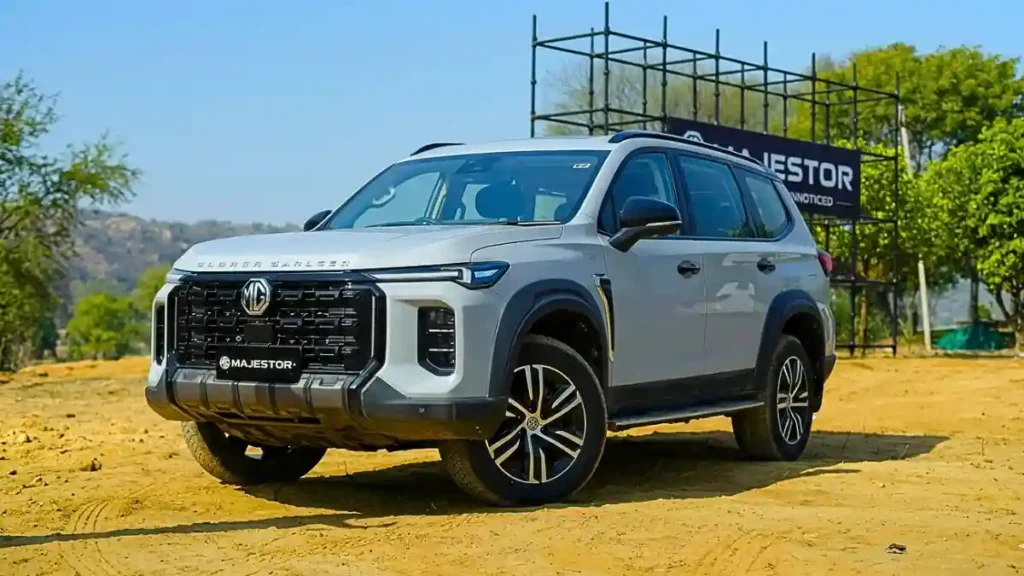

The Indian SUV buyer has never had it this good, or this confused. Showrooms are overflowing with choices, every segment is hypercompetitive, and the line between mainstream and premium has blurred beyond recognition. But while most automakers are picking a lane, JSW MG Motor is quietly preparing to fight on three fronts simultaneously. The MG Majestor India launch 2026 sets the tone for this ambitious push, but it is only the beginning. By the end of this year, the company will have launched a brawny diesel flagship, a pure electric SUV, and a plug-in hybrid, three vehicles with radically different powertrains, aimed at three very different kinds of customers.
This is not a random product dump. It is a calculated bet on the fractured nature of India’s SUV market, where no single fuel type commands universal trust anymore. Diesel still rules the highway and the hinterland. Electric is the urban elite’s aspiration. Hybrids are emerging as the pragmatic bridge for those unwilling to commit to either extreme. MG is now positioning itself as the only mainstream player with a credible answer in all three arenas. To understand why this matters, you have to look closely at what’s coming, and what it says about where the Indian car market is heading.
MG Majestor India Launch 2026: A Fortuner Rival That Finally Has the Hardware
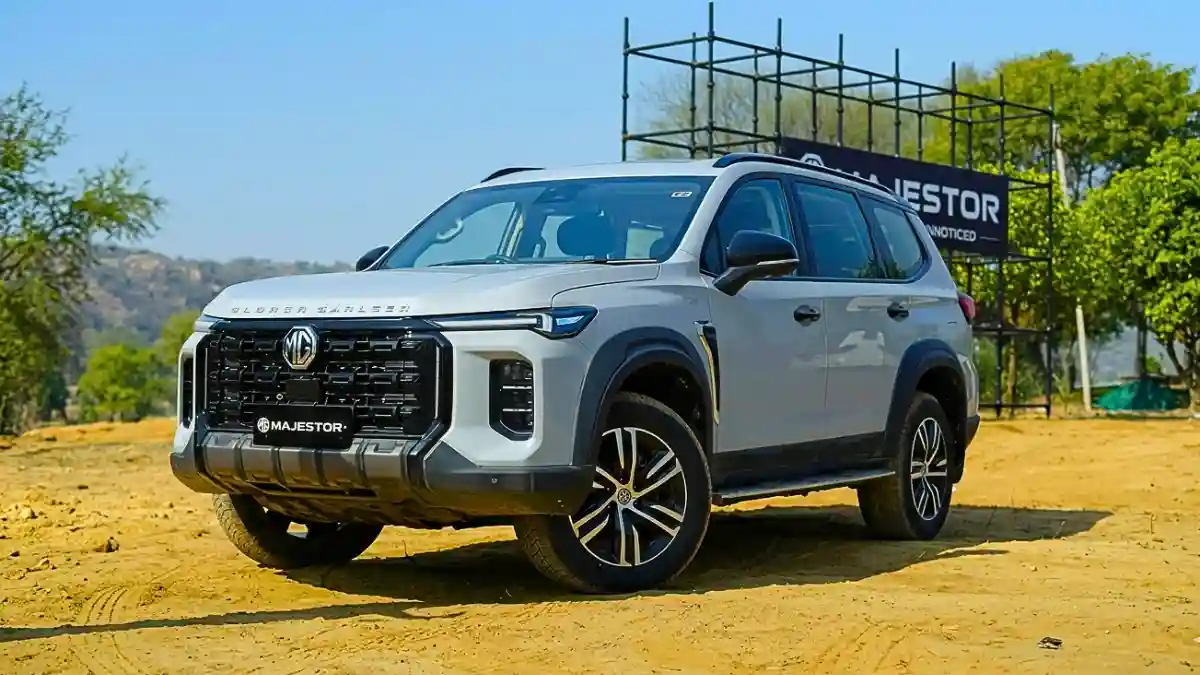
Later this month, the MG Majestor will finally roll into showrooms, nearly a year and a half after it was first shown. The wait has been unusually long for what is, in essence, a comprehensive facelift of the Gloster. But the Majestor isn’t merely a cosmetic update. It is a statement of intent aimed squarely at the Toyota Fortuner’s seemingly unshakeable dominance.
The design language tells you this immediately. The front end is almost audaciously aggressive, a massive radiator grille that would look at home on an American full-size truck, a prominent skid plate, and split headlamps that give the face a technical, modern scowl. The 19-inch alloys and connected tail lamps complete a visual package that is far more assertive than the Gloster ever was. MG clearly wants you to notice this thing in your rearview mirror.
Inside, the overhaul is equally significant. Twin 12.3-inch screens—one for the instrument cluster, one for infotainment- create a digital cockpit that feels generationally ahead of the Fortuner’s ageing cabin. Dual wireless chargers, ventilated and heated front seats with an eight-point massage function, and a steering column-mounted gear selector all signal that MG is targeting buyers who want luxury without stepping up to German badges. These are not gimmicks; they’re features that families on long highway hauls will genuinely use and appreciate.
But the real story lies underneath.
Locking Differentials and Low Range: The Off-Road DNA No One Saw Coming
The Gloster was always a capable highway cruiser with a comfortable ride, but off-road enthusiasts never took it seriously. The Majestor changes that equation dramatically. MG has added a low-range transfer case, the holy grail for serious off-roading, and replaced the old electro-mechanical rear locking differential with a fully mechanical unit. Even more telling, the Majestor now gets locking differentials at the front and centre as well, something the Gloster completely lacked.
This is not a cosmetic “off-road” trim package with plastic cladding and all-terrain badging. This is a fundamental mechanical upgrade that transforms the vehicle’s capability on broken terrain, slush, and steep gradients. The 2.0-litre twin-turbo diesel, paired with an eight-speed automatic, remains the familiar workhorse, but it now has the hardware to put its 218 horsepower and 480 Nm of torque to use in conditions that would leave many so-called SUVs stranded.
Why does this matter? Because the Fortuner’s off-road reputation is a huge part of its brand equity. It’s the default choice for buyers who need a vehicle that can handle the Spiti valley and the school run with equal composure. By equipping the Majestor with genuine off-road hardware, MG is not just competing on features and price; it’s attacking the Fortuner on the one terrain where Toyota has been untouchable. Whether Indian buyers will trust MG’s long-term reliability in the same way remains an open question, but on paper, the Majestor has the ammunition.
The Electrified Duo: A Peek Into MG’s Two-Way Bet
While the Majestor plants a diesel flag, the real strategic play comes later this year with the launch of an electric SUV and a hybrid model. MG’s Managing Director, Anurag Mehrotra, recently confirmed these plans, and industry sources point to a product codenamed ‘MG 520 ’, a rebadged version of the Wuling Starlight 560, which already sells internationally in both plug-in hybrid and pure electric forms.
This is where the analysis gets interesting. The MG 520 is expected to be offered with both powertrains in India, targeting a segment that currently includes the Mahindra XUV 7XO, Tata Safari, and their electric counterparts. In China, the plug-in hybrid variant claims a CLTC electric-only range of 125 kilometres, a number that, even adjusted for real-world Indian conditions, would cover most daily commutes without burning a drop of fuel. The pure electric version promises up to 500 kilometres on a single charge under WLTP standards, which would place it squarely in the conversation with the Mahindra XEV 9S and Tata Safari EV.
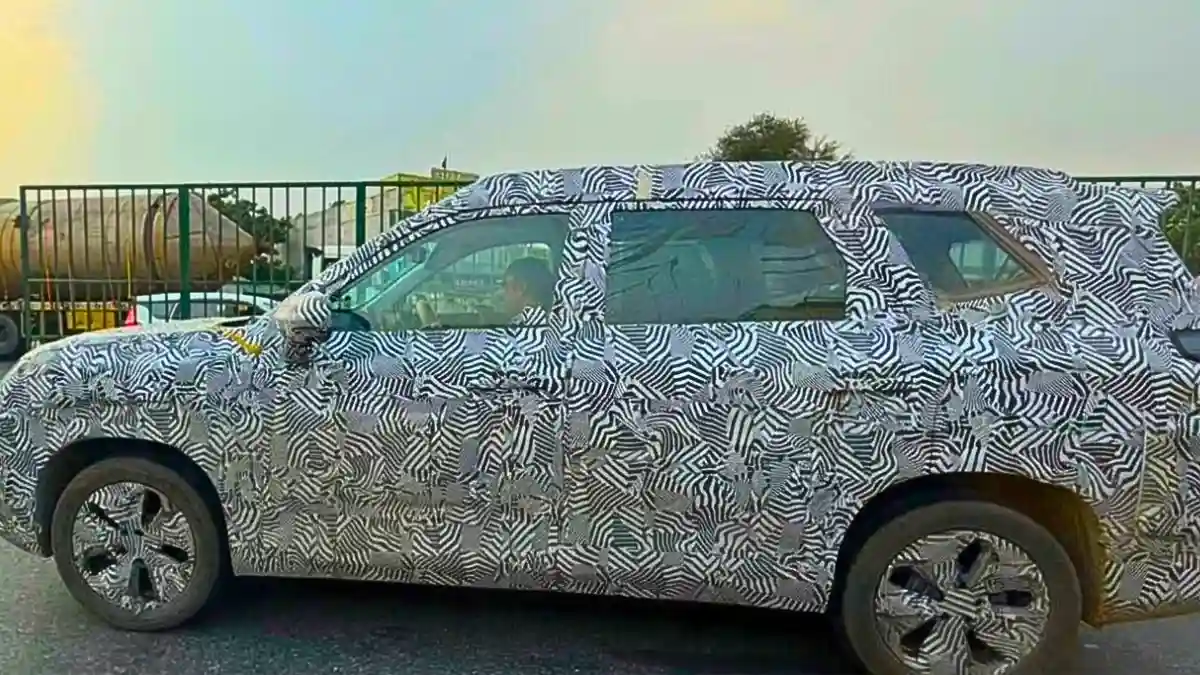
The choice of both powertrains is deliberate. India’s charging infrastructure is growing but remains patchy outside major cities. A plug-in hybrid gives buyers the best of both worlds: silent, zero-emission city driving with a petrol engine as backup for long journeys. The pure EV, meanwhile, appeals to early adopters and fleet buyers who have access to reliable charging and want the lowest running costs. By offering both under the same nameplate, MG is essentially telling consumers, “You decide how electrified you want to be.”
Why This Three-Pronged Offensive Makes Strategic Sense
To appreciate what MG is doing, you need to look at the broader market dynamics. Diesel sales have been declining as a share of the passenger vehicle market, but they remain disproportionately strong in the full-size SUV segment, where torque, range, and fuel availability still matter. The Fortuner and its ilk are not bought by the same customers who are cross-shopping electric hatchbacks. MG knows this, which is why the Majestor exists.
At the same time, the Indian government’s policy signals are unmistakably pro-electrification, and state-level incentives are making EVs increasingly attractive in urban centres. Companies that don’t have a credible electric SUV in their portfolio by 2026 will find themselves locked out of a rapidly growing slice of the market. The pure electric MG 520 ensures the brand has a seat at that table.
The plug-in hybrid is the wildcard. India has never embraced hybrids the way markets like Japan or Europe have, largely because of high taxes and limited model availability. But that is changing. As battery costs fall and stricter emission norms loom, a well-priced plug-in hybrid with a genuine electric range could become the rational choice for buyers who want to dip their toes into electrification without range anxiety. MG is positioning itself ahead of this curve.
The Road Ahead: Implications for Buyers and Competitors
The arrival of these three SUVs will put pressure on multiple rivals simultaneously. The Majestor directly targets the Fortuner, but its feature set and off-road hardware could also lure buyers away from the Jeep Meridian and Skoda Kodiaq. The electrified MG 520, if priced aggressively, could undercut the Mahindra XUV 7XO on value while offering a more modern electrified package than the Tata Safari.
But execution is everything. MG’s joint venture structure with JSW is still relatively young, and the company’s ability to localise production, manage supply chains, and price these vehicles competitively will determine whether this product blitz succeeds or fizzles. The Majestor’s diesel engine is already well-proven in the Gloster, so reliability concerns are minimal there. The electrified 520, however, will enter a market where Indian buyers are still wary of Chinese-derived battery technology and long-term service support. MG will need to back these products with substantial warranty packages and a visible charging infrastructure push to win trust.
For the Indian consumer, the biggest win is choice. The era of the one-size-fits-all SUV is over. A family in Chandigarh with a home charger might pick the electric 520. An adventure tour operator in Leh will almost certainly choose the Majestor. A management consultant in Bengaluru who drives to client sites daily but takes monthly road trips to Coorg might find the plug-in hybrid the perfect compromise. MG’s three-act play is built on the understanding that India is not one market, it’s a dozen micro-markets, each with its own realities. That insight, more than any individual vehicle, is what could make this strategy work.
Also Read – More Than Just a New Face: What the 2026 Tata Tiago Facelift Tells Us About Tata’s Ambition


Sapna is the storytelling powerhouse of the team. With a sharp eye for detail and a knack for uncovering the human interest side of automobiles, she covers everything from industry launches to feature stories. She believes that every car has a story and every rider has a journey. Her writing is known for its clarity, depth, and ability to connect with the common man.