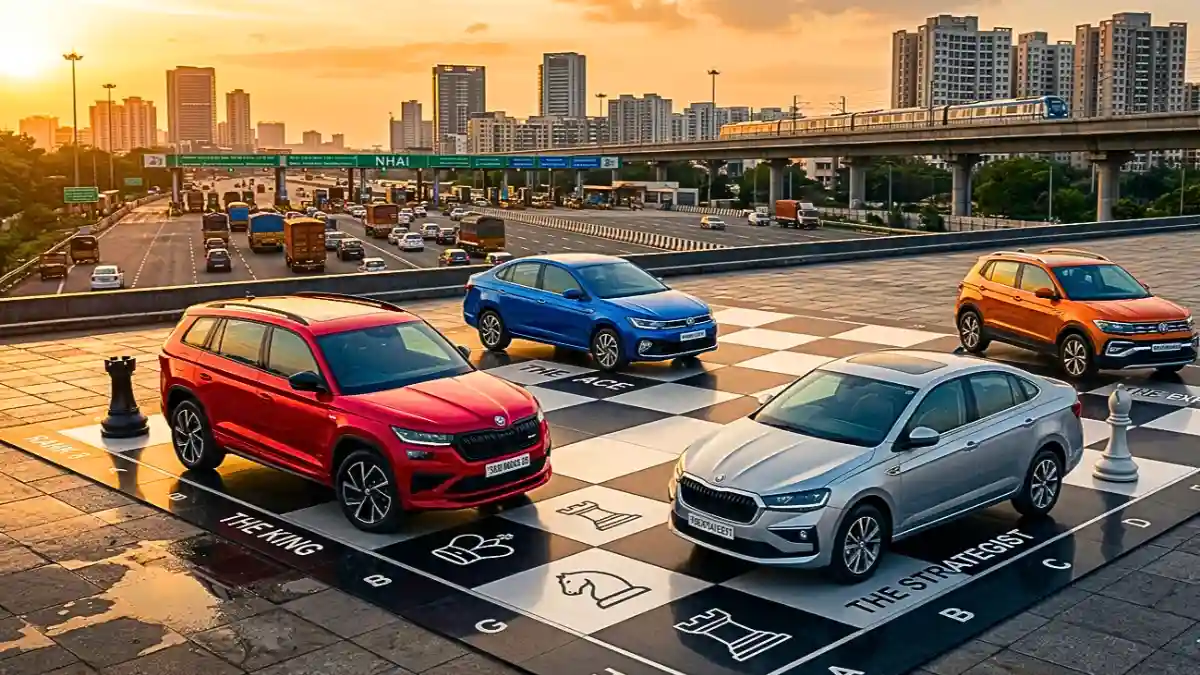
A performance SUV, two refreshed sedans, and a new compact crossover, the Volkswagen Group’s India offensive reveals something bigger than a product calendar.
In the Indian automobile market, timing is everything, and the Volkswagen Group knows it. Skoda and Volkswagen, the group’s two retail pillars in the subcontinent, are lining up four new models before mid-2027. Taken individually, each launch is routine news. Taken together, they sketch a deliberate long-game strategy – what we can call the Skoda Volkswagen India four-car strategy – from a group that has quietly outmanoeuvred expectations since its India 2.0 pivot began in 2021.
The portfolio push spans virtually every price and purpose segment the group competes in: a high-performance import, two mid-cycle sedan updates, and an entry-level compact SUV. That breadth is not accidental.
The halo car: Kodiaq RS and what it really signals
First off the block expected before the end of this month is the Skoda Kodiaq RS. It is, by Skoda’s own reckoning, among the most performance-focused vehicles the Czech brand sells anywhere in the world. A 2.0-litre turbocharged petrol engine churning out 216 hp and 400 Nm of torque, a seven-speed dual-clutch gearbox, and an all-wheel drive system combine to push the large SUV from standstill to 100 km/h in 6.3 seconds, quicker than many sports cars that cost half as much.
- Peak power: 216 hp
- 0–100 km/h: 6.3 sec
- Top speed: 231 km/h
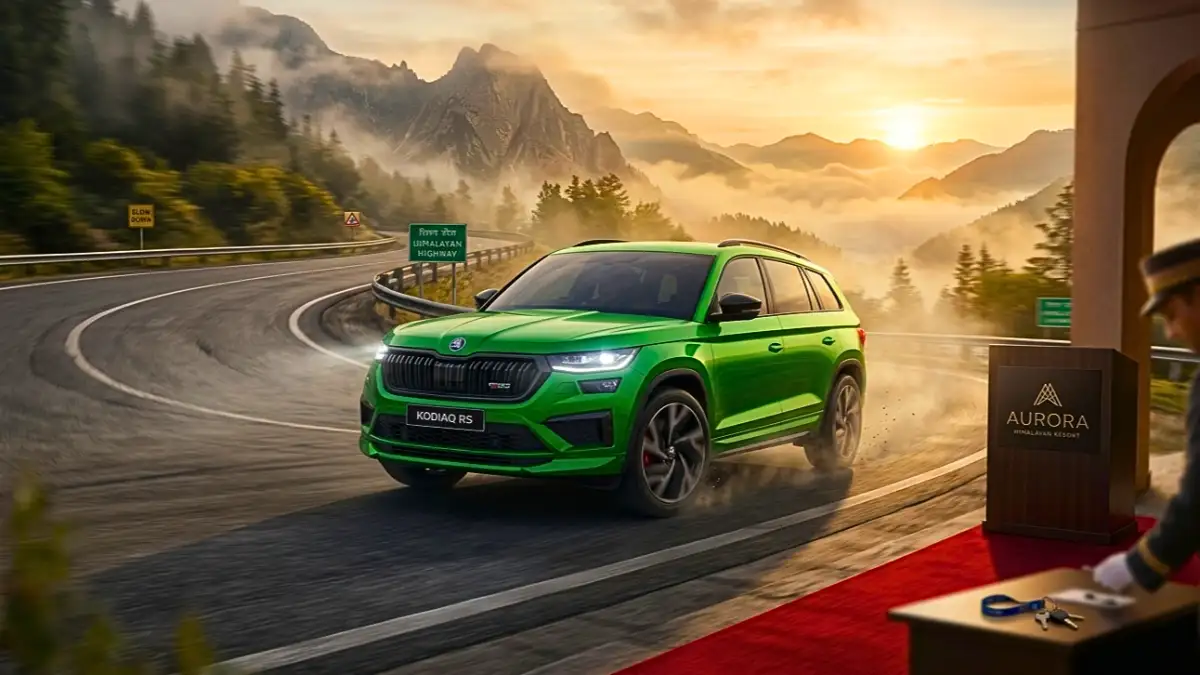
It arrives as a CBU – completely built unit, imported without local assembly, which means a steeper price tag and smaller volumes. But that is partly the point. Halo vehicles do not need to move in thousands to justify their existence. They reset brand perception. Skoda, still fighting the “value-for-money Czech brand” label in many Indian showrooms, gains credibility upmarket every time a Kodiaq RS pulls up at a valet. India’s ultra-premium SUV segment has expanded significantly post-pandemic, and the RS slots into that appetite without Skoda having to build an entire new infrastructure around it.
Also Read – The Next-Gen Hyundai Creta 2027 Is About to Get Bigger — and Smarter
The volume play: Slavia and Virtus get their mid-life reset
Sedans are often declared dead in India, then proven stubbornly alive every quarter. The Skoda Slavia and Volkswagen Virtus have together carved a meaningful niche in the Rs 12–20 lakh segment, a price band where discerning buyers, typically those replacing a previous generation sedan or upgrading from a compact hatchback, actively resist SUV pressure. Both models are due for their mid-cycle facelifts, with the Slavia expected slightly ahead of the Virtus in the third quarter of this year.
The changes are evolutionary rather than revolutionary. Full-LED lighting front and rear, updated bumper designs, new 16-inch alloy wheel designs, and illuminated grille treatments on both cars. Neither will emerge as a fundamentally different product, nor should they. The philosophy here is polish, not reinvention.
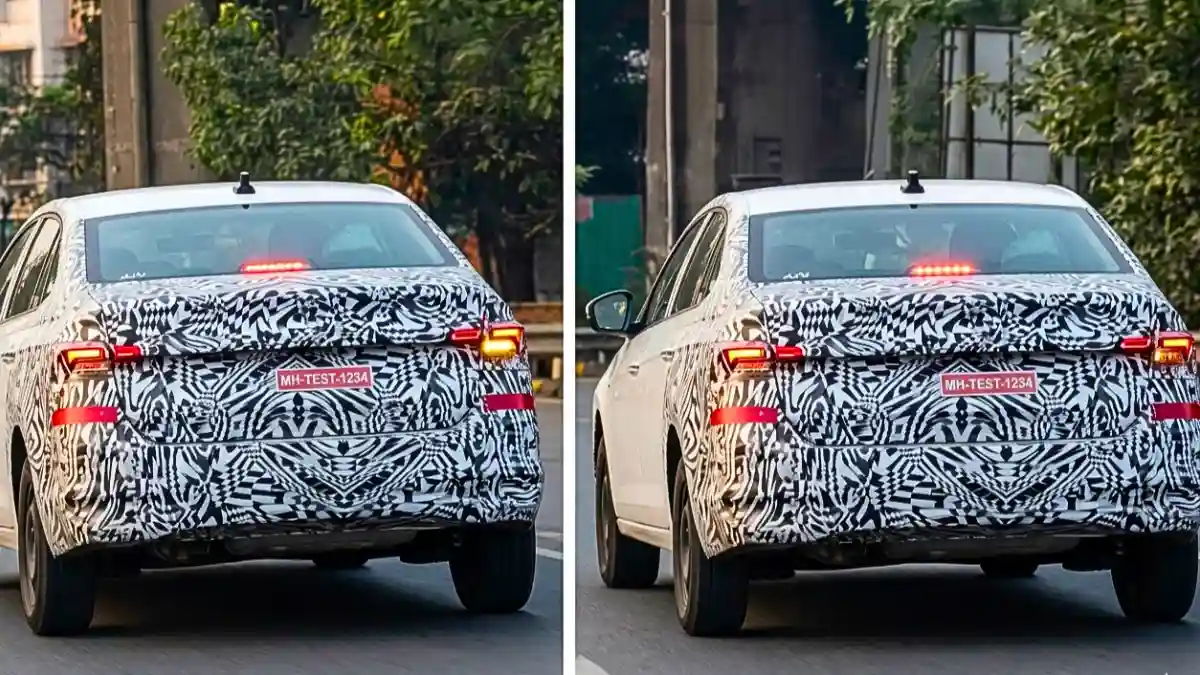
The real story is under the gear lever: the Slavia’s optional six-speed automatic is likely to give way to an eight-speed unit, a change modest enough to miss in a press release yet consequential enough to tip purchase decisions.
The Virtus update goes slightly further on the interior comfort front, with a massage function reportedly coming to rear seats, a feature that would mark a genuine step-change for a segment where rear-seat comfort is increasingly a buying criterion as nuclear families and chauffeur-driven use cases drive the decision.
The wildcard: VW’s Kylaq sibling and the compact SUV gamble
The most strategically interesting launch sits furthest out on the timeline. Sometime in the second quarter of 2027, Volkswagen is expected to introduce a compact SUV built on the MQB A0 IN platform, the same architecture that underpins Skoda’s Kylaq, itself one of the more competitive entries in the fiercely contested sub-four-metre SUV space.
- Skoda in June 2026: Kodiaq RS – Performance flagship, CBU import, AWD, 216 hp; a prestige reset for the brand
- Skoda in Q3 2026: Slavia Facelift – Illuminated grille, full-LED, 8-speed auto option, upgraded digital cluster
- VW in Q3–Q4 2026: Virtus Facelift – LED light band, rear massage, 10.25-inch instrument cluster, redesigned bumpers
- VW in Q2 2027: Compact SUV (Tera-based) – MQB A0 IN platform, 1.0T three-cylinder, VW’s answer to Kylaq; sharper styling
The VW compact SUV is conceptually related to the Tera sold in Latin America, though adapted for Indian market requirements and tastes. It will share most of its mechanics with the Kylaq, including, most likely, the 1.0-litre three-cylinder turbocharged petrol producing 114 hp and 178 Nm, but is expected to carry a more dynamic visual identity. The differentiation between the two group siblings will live primarily in styling and badge appeal rather than in engineering.
This is where it gets interesting. The sub-4-metre SUV segment is the most crowded battleground in Indian passenger vehicles. Maruti, Tata, Hyundai, Kia, and Mahindra are all dug in. By introducing a distinctly styled VW-badged entry, the group effectively doubles its representation in the segment with minimal additional development cost. That is platform leverage at its most efficient.
Also Read – Tata Motors EV Record May 2026: The Month Tata Motors Rewrote Its Own EV Record
The bigger picture: what this says about the group’s India confidence – inside the Skoda Volkswagen India four-car strategy
Five years ago, the Volkswagen Group’s India story was one of underperformance. High import duties, misread consumer preferences, and an over-reliance on premium volume models left both Skoda and VW trailing rivals who had committed more deeply to localisation. The India 2.0 program, centred on the MQB A0 IN platform, designed and engineered specifically for emerging markets, was the group’s corrective. The Slavia, Virtus, Kushaq, Taigun, and now the Kylaq are its outputs.
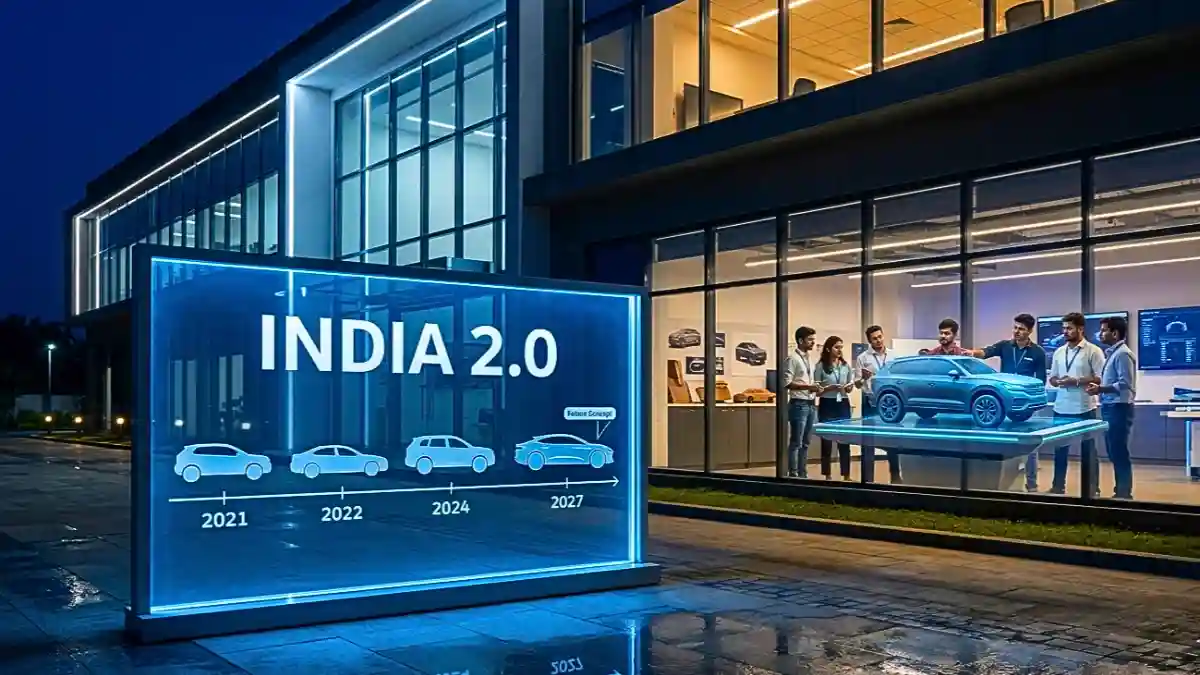
The four upcoming models represent the maturation of that bet. A group that was uncertain about India in 2018 is now confident enough to plan high-performance imports, refresh proven volume sellers mid-life, and develop a second SUV on the same platform. That is not the behaviour of a company hedging. That is one that believes the Indian market will keep growing and that it has the products to grow with it.
Whether the market agrees will depend on factors beyond sheet metal and torque figures: fuel prices, consumer credit availability, and whether the sedan segment holds its ground against the ongoing SUV wave. But for now, Skoda and Volkswagen are leaning in four cars deep, and not blinking.
Also Read – Theon Design 964 Restomod: When Less Is the Fastest Thing on the Road

Raj is the creative mind curating the special content for the website. From exclusive first-drive reviews to buyer’s guides and comparison tests, Raj ensures our features are engaging and helpful. He loves getting behind the wheel of new launches and creating content that helps our readers pick their dream vehicle. His passion for motorcycles and performance cars is evident in his energetic writing style.