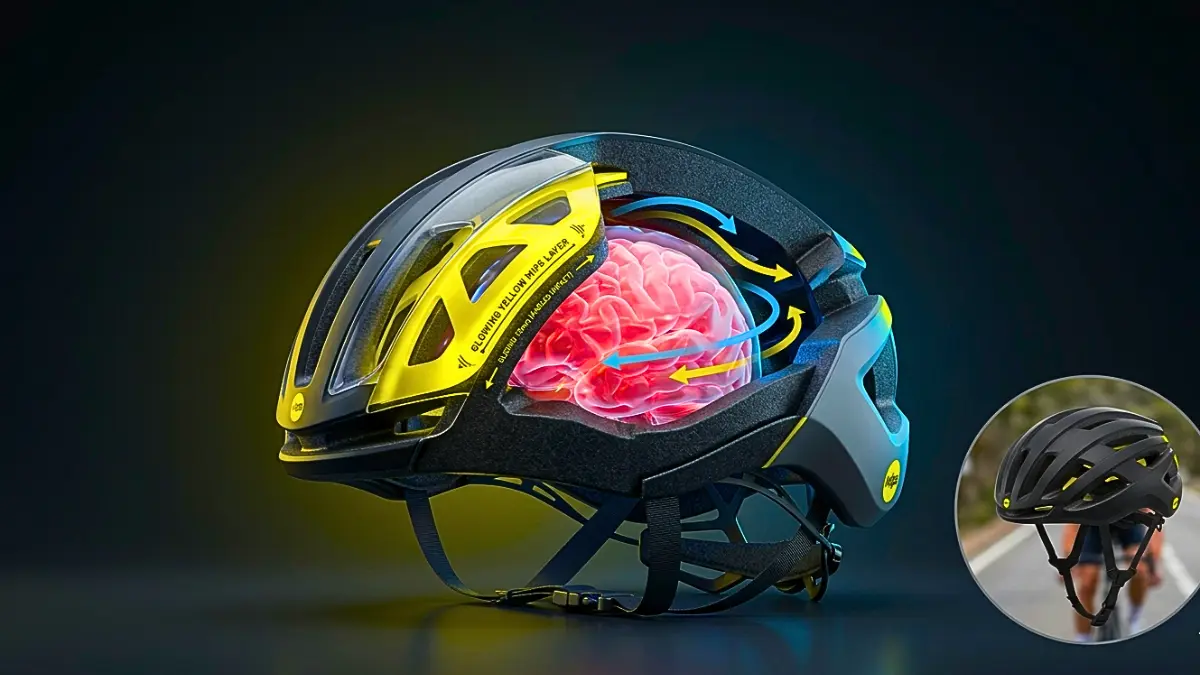
Hello Everyone! So today we are gonna talk about MIPS Helmets and how it works. You must have encountered the acronym MIPS plastered on the box or even on a product listing, should you have been shopping for a helmet recently, be it a helmet on a motorcycle, bike, e-bike or even a mountain bike. And when you are like most people, you, more than likely, either never looked at it at all, or, half-heartedly, Googled it and still got lost. You may be asking, what is MIPS helmet and how does it work?
But, not to worry, I have been there as well. I am someone who ate, slept and breathed automobiles and two-wheelers. I have learned the bitter experience that your helmet is not something that you save a lot of money on, or get in the city and are not aware of what is really inside of it. Today, though, I am going to deconstruct exactly what is MIPS helmet and how does it work, why this is important, and whether or not you should spend the extra few dollars on one. Let’s get into it.
What Does MIPS Stand For?
MIPS is an abbreviation, which means Multi-Directional Impact Protection System. The name is also quite a scary one, but the idea itself is quite clever when one gets to know what kind of problem the name is trying to solve. To understand what is MIPS helmet and how does it work, it’s essential to know this.
The most critical part of the acronym is, in fact, the Multi-Directional part. It foams at the mouth of what the usual helmets do not have – protection against hits, which are not in a straight, downward direction.
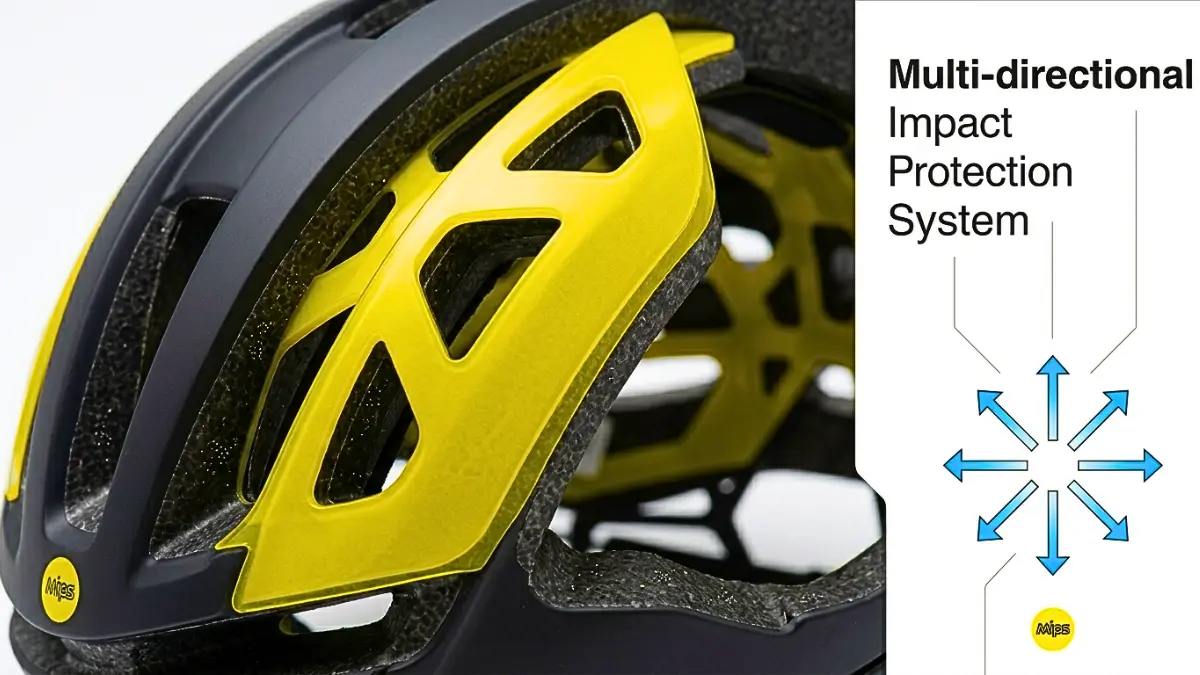
MIPS is not a brand of a helmet. It is a safety tech – consider it an ingredient that helmet makers are adding to braking systems, just as car manufacturers are adding ABS to braking systems. In essence, what is MIPS helmet and how does it work is a system designed by researchers. MIPS, the company, was founded by a group of scientific and medical researchers whose only mission was to make helmets safer.
A Quick History: Where Did MIPS Come From?
The MIPS story is, in fact, very interesting. Understanding what is MIPS helmet and how does it work requires knowing its origins. It started with a group of passionate researchers who devoted years of their lives researching the relationship between brain injuries and helmet design. They were sloshing through what most of us would never go out of our way to read on a Friday evening, on crashes, head trauma, brain mechanics – the sort of thing most of us would never in our lives read voluntarily on a Friday evening.
The time they took researching was not in vain. The first helmet that was born with MIPS technology was in 2007. It did not arrive on the scene at night, but gradually over a period of ten years, it gained the trust of the safety community and the largest helmet manufacturers. That was the beginning of what is MIPS helmet and how does it work as a commercial product.
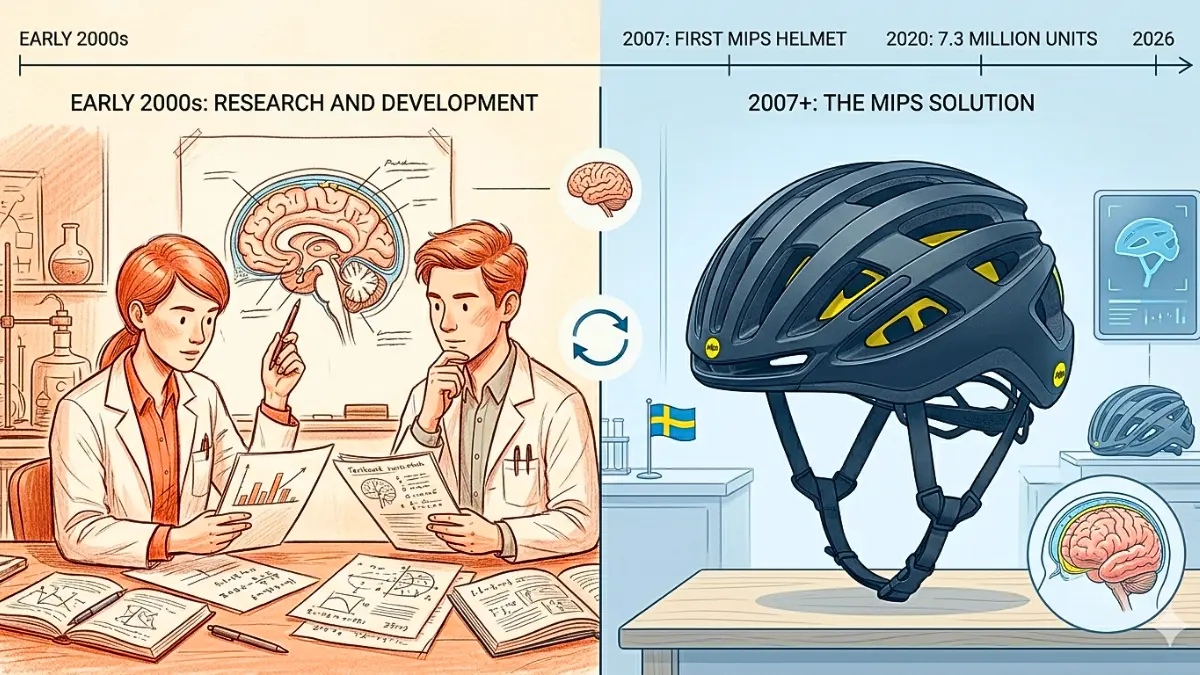
In 2020, MIPS had already sold 7.3 million units and was fitted to more than 120 different brands of helmets worldwide. MIPS-equipped helmets now comprise more than 60% of the helmets sold all over the world – a figure which tells you all you need to know about where the industry is going.
MIPS has a test lab right next door, 15 km north of Stockholm, the culmination of over 25 years of research and development. This lab is where the science behind what is MIPS helmet and how does it work continues to evolve. This is not a startup that is retailing a gimmick. These are mean scientists who have built their careers on the basis of making sure that your brain is safe.
The Key Question MIPS Was Developed To Answer
Before we go into how this works, we should have some idea of what issue MIPS is actually trying to resolve. To truly answer what is MIPS helmet and how does it work, we must first examine the problem it solves. You know, this is the thing here – even good helmets, you know, have a blind spot.
The majority of helmets available in the market are designed and certified to deal with the concept of linear impacts. That means a downward, right angle blow to the head. Consider it as hitting a bowling ball directly on your helmet. That is what the typical standard certifications, such as CPSC (US) and EN 1078 (Europe) test.
The problem? Nearly never is it the case in an actual crash. This is exactly the scenario that what is MIPS helmet and how does it work addresses. When you really fall off a bike, are thrown off a motorcycle or take a tumble on a trail, your head does not hit the ground in a straight line like a hammer. It collides at an angle. The effect takes place when you are either moving forward, sideways or in a certain combination of movements. It is that fishing blow which gives rise to what is known as the rotational movement. And rotation is where it really is dangerous.
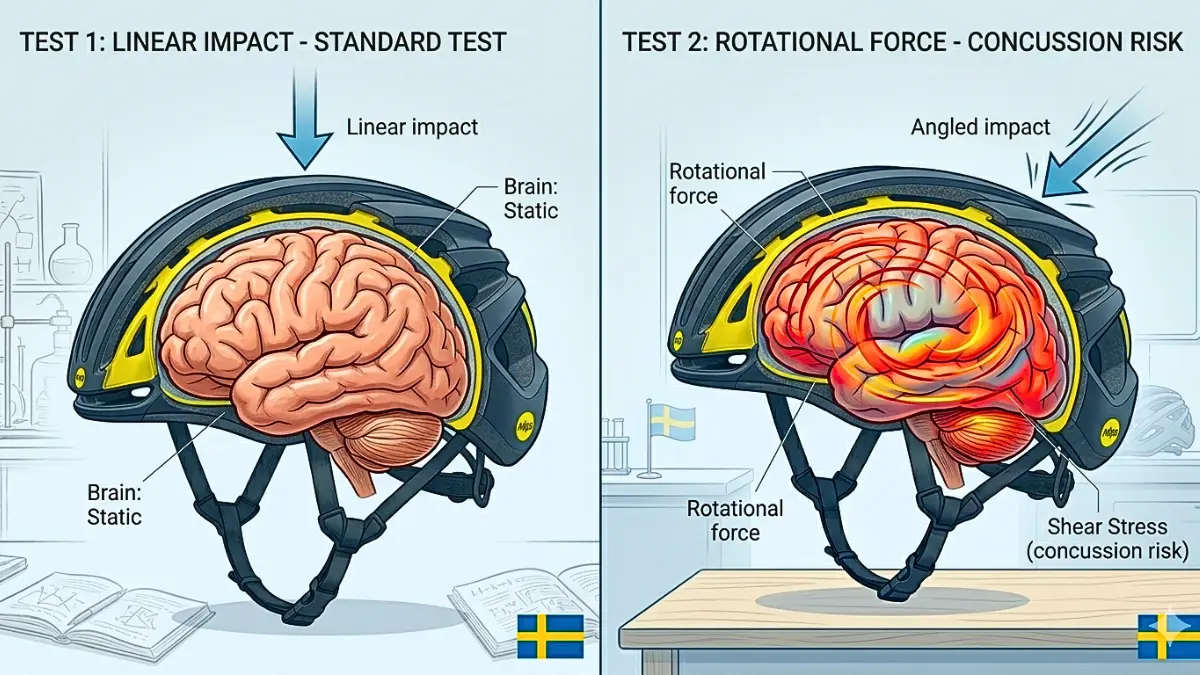
When your helmet hits the ground at an angle, it might cause your head (and more importantly, your brain) to rotate or twist within your skull. Your brain basically continues to move even when your skull has ceased. Studies have shown that this rotational force is one of the main causes of concussions, traumatic brain injuries (TBIs) and severe neurological impairments. Although the straight-on linear impact may result in skull fractures and bleeding, it is the rotational impact that leads to concussions and the type of brain injuries that may follow you throughout your years.
Normal helmets were designed in such a manner that they could receive direct hits. In fact, they were not constructed in such a manner as to be able to rotate in motion. That is the gap that MIPS is filling in. So the gap clearly defines what is MIPS helmet and how does it work.
So, What Is MIPS Helmet And How Does It Work?
Well, now here is the gist of it. To put it simply, what is MIPS helmet and how does it work is a helmet with a low-friction layer. A helmet that has the MIPS safety system built into it is regarded as a MIPS helmet. The very system is a beautiful, simple idea. MIPS is simply the addition of a low-friction layer inside the helmet, a thin sliding layer of plastic that slides between the energy absorbing foam (the EPS liner) and the padding that touches your head.
It is a layer, typically attached to the helmet by four small, malleable, rubber anchor points that enable it to flex and move. In the rest position, the helmet will look and feel just like any other normal helmet. So, at rest, you won’t even notice the answer to what is MIPS helmet and how does it work. You put it on, go about the buttons and buttons and go about your day.
However, this is where the magic begins to take place: in a crash. This is the moment where what is MIPS helmet and how does it work truly shines. At the time when your MIPS-equipped helmet hits the ground at an angle, the outer shell of the helmet and the inner foam absorb the linear energy of the impact – just as any other helmet would. But a low-friction MIPS layer is designed to travel a small distance – say 10-15 millimetres in the same direction as the rotational force. It is nothing but a sham that little sliding about. It is like something that is already done in a natural way by your very body.
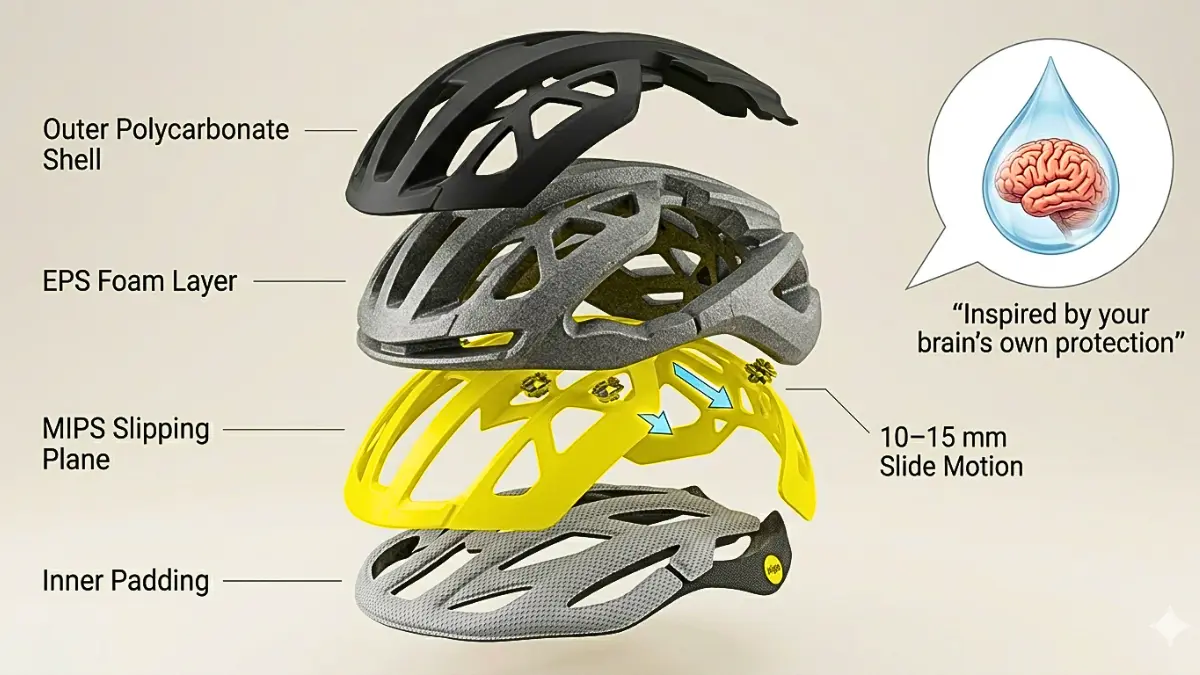
So here is a funny fact which will do you well to remember: your brain does not merely bob about in a hollow skull like a ball in a box. It has a coating of cerebral-spinal fluid that also provides a cushioning effect when there is an impact, and also the brain is given a slight degree of movement within the skull. MIPS was inspired by this biological mechanism. The scientists literally examined the way that the human brain defends itself and re-engineered an analogous system in a helmet with your name on it. This inspiration is key to what is MIPS helmet and how does it work.
When the MIPS layer is sliding down as a consequence of an oblique strike, it is in effect wasting rotating energy before it can arrive at your head. Instead of the rotational force being directly transferred onto your skull and brain, this force is, in part, absorbed and redirected by the movement of the low-friction layer.
So simply, MIPS give your brain a fighting chance against the type of crush that most of the helmets that they have were not designed to handle. That’s the essence of what is MIPS helmet and how does it work: it deflects rotational force.
How Do You Identify a MIPS Helmet?
Being able to do so is not particularly hard, since once you know that the item you are looking at is a MIPS helmet. Now that you know what is MIPS helmet and how does it work, identifying one is easy.
The best distinguishable feature is the yellow liner that is inside the helmet. That yellow plastic floating shell is the MIPS layer. Not every helmet of MIPS utilises yellow – some more modern designs incorporate the layer in a less obvious fashion – but yellow is the traditional dead giveaway. So when checking what is MIPS helmet and how does it work visually, look for yellow.
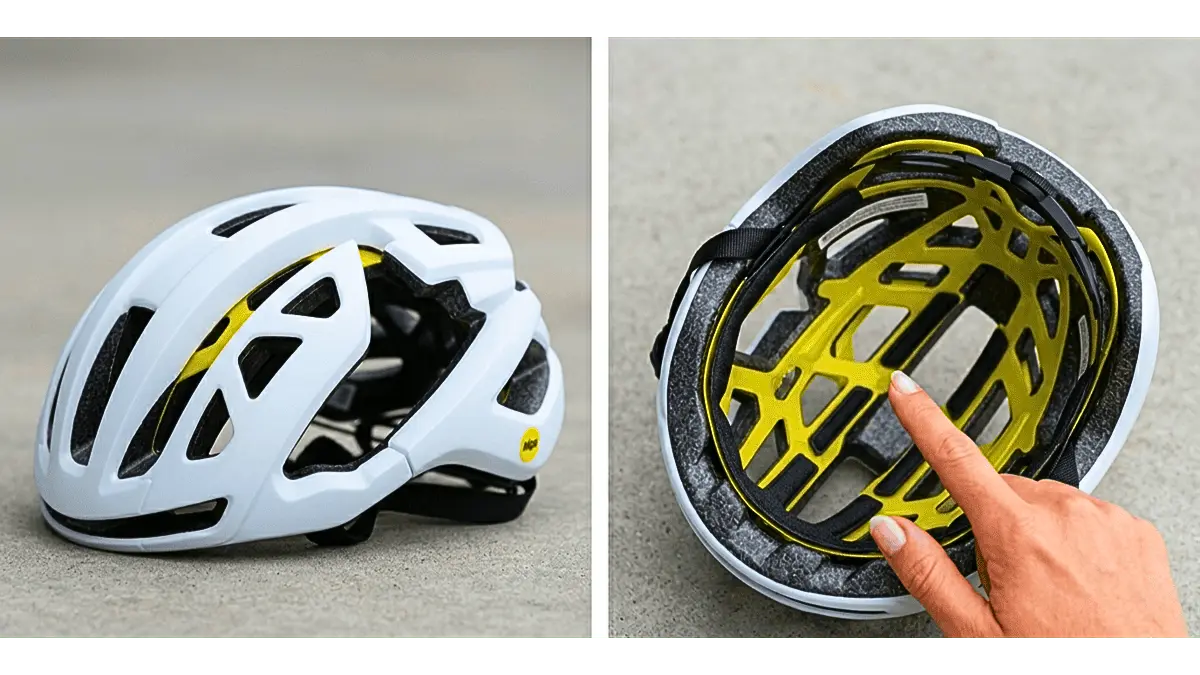
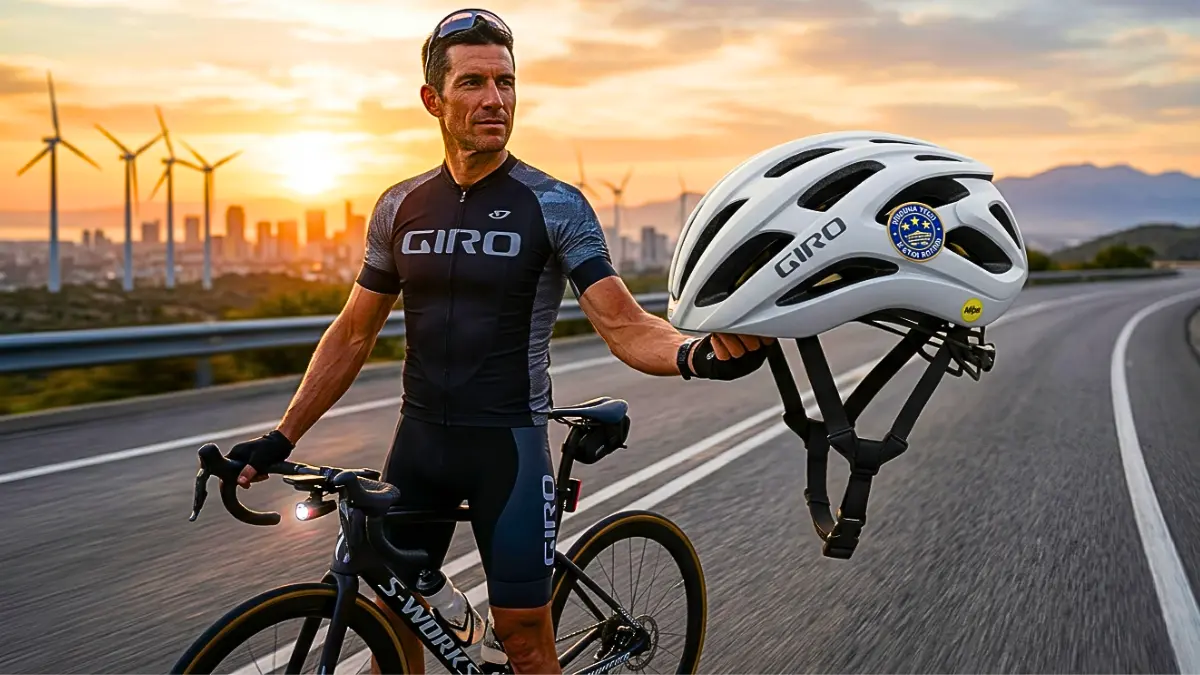
The outside of the helmet will normally have a small yellow MIPS dot sticker or logo. Brands of helmets are proud to feature the feature, so they tend to display it somewhere on the shell or list it prominently at the product page.
You only need to do this when you are buying something online; all you have to do is to look at the description of the product. In its presence, all brands, including Bell, Giro, POC, Smith and dozens of other manufacturers of motorcycle helmets specifically list MIPS as a feature. Thus, identifying a product that embodies what is MIPS helmet and how does it work is simple.
MIPS Across Different Types Of Riding
Among the aspects that I personally really like about MIPS is the fact that it is not confined to a single type of riding. This versatility shows the broad relevance of what is MIPS helmet and how does it work. We can divide it into vehicle type since the context is important.
1. Bicycle Helmets
- MIPS was born here, and is most common here. Regardless of whether you are a road cyclist, mountain biker or gravel rider, MIPS is now virtually the safety expectation of the segment. So in cycling, the practical application of what is MIPS helmet and how does it work is widespread.
- In 2026, the POC Cytal MIPS (which has always scored 5-star ratings in testing by the Virginia Tech Helmet Lab), along with the Giro Eclipse Spherical (which uses a MIPS Spherical system – more on that below) and even lower-cost models such as the Van Rysel RCR MIPS, could bring the technology down to the income level of many everyday riders.

- In the case of road cycling, it is dominated by MIPS Spherical and other next-generation systems since road crashes are normally dominated by high-speed angled impacts like the case of road cycling. Thus, road cyclists benefit significantly from what is MIPS helmet and how does it work.
2. E-Bike Helmets
- It is one of the market segments that has been increasing exponentially, and is one where MIPS is arguably even more significant. E-bikes weigh more and are faster than regular bicycles. The forces that occur on an e-bike rider when struck are significantly higher due to increased speed and momentum. So, for e-bikes, what is MIPS helmet and how does it work becomes crucial.
- Many e-bike specific helmets now have the Dutch NTA 8776 certification on top of the usual safety certification, and the best also combine it with MIPS. Other models, such as the Giro Camden MIPS, are specifically designed to meet the coverage and rotational impact protection needs in the urban, busy setting of e-bike riders.

- A MIPS helmet is not an item that could be termed as a luxury. It is quite a sensible investment. That’s because the answer to what is MIPS helmet and how does it work is protection that matches the higher risk.
3. Motorcycle Helmets
- MIPS has already gained a good market share even in the motorcycle market. The forces and the velocity of a collision are far more significant when riding a motorbike than when riding a bicycle. One might want to give a thought to any technology that can help deal with rotational forces. Thus, motorcyclists too should understand what is MIPS helmet and how does it work.
- Well-known brands of motorcycle helmets, like Bell, have introduced MIPS to popular models. One such product would be the Bell Lithium MIPS, which makes use of the MIPS system to assist in the management of rotational forces, and it would be a possible addition to the line of street and touring helmets. Another popular adventure touring bike helmet is the MX-9 Adventure MIPS, designed by Bell. These products deliver the promise of what is MIPS helmet and how does it work to riders at speed.

- One of the most reputable brands of moto gear, RevZilla carries more than a hundred MIPS-equipped motorcycle helmets in brands such as Bell, Fox Racing, Icon and Troy Lee Designs, catering to riders of both the dirt and street classes.
- The moral of the moto? A MIPS motorcycle helmet can provide rotational protection at all angles – not just linear impacts – and that is worthwhile protection at 60 mph. That’s the real-world value of what is MIPS helmet and how does it work.
MIPS Technology Variants: It Is Not Just One Thing Anymore
This is one of the pitfalls that made me confused a little bit: MIPS is not a single product. Over the years, the company has been creating different versions of its system as the company has worked with different helmet manufacturers with a variety of design requirements. So what is MIPS helmet and how does it work can take several forms.
1. Classic MIPS (Low Friction Layer)
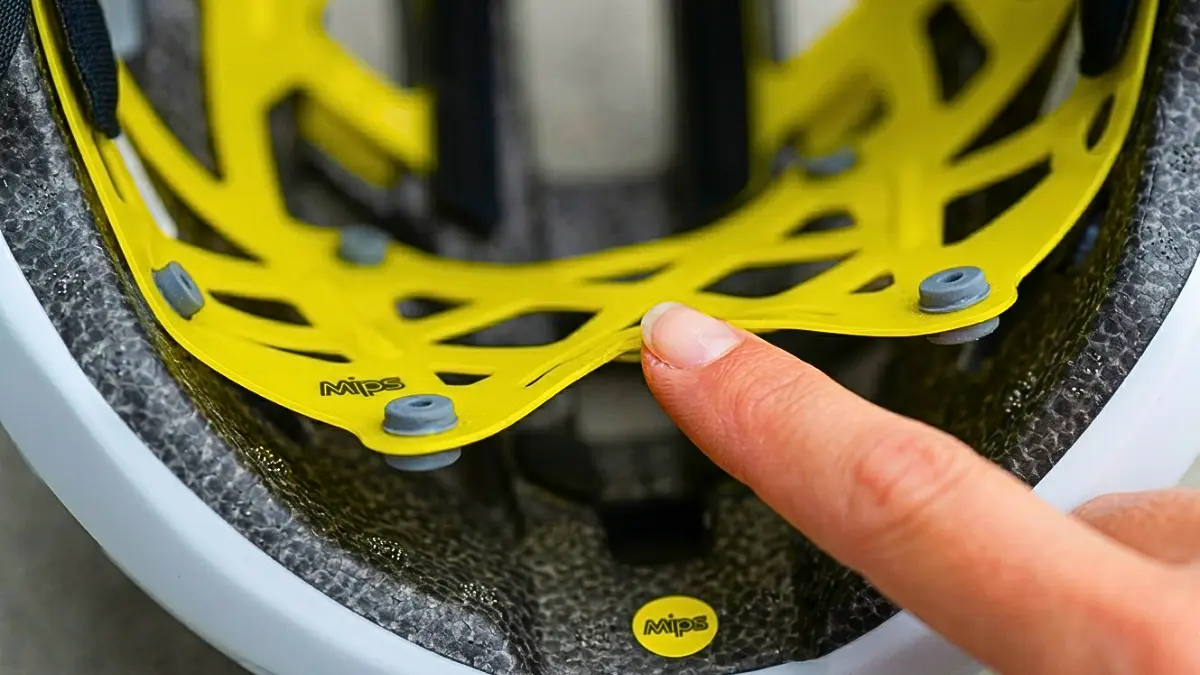
- This is the design that was initially designed. The floating yellow shell in situ with rubber anchors. It remains in use to this day in thousands of various models of helmets, and it is still efficient. It’s still a perfect illustration of what is MIPS helmet and how does it work.
2. MIPS Spherical
- It is the high-end variant of MIPS, and is used in high-end helmets such as the Giro Eclipse Spherical and others. The Spherical system is found on a type of design, the ball-and-socket, which has been described, and the inner shell, the helical one, is able to rotate a little within the outer shell. It gives the same rotational safety yet fits and constructs into the helmet in a more seamless manner. Spherical would be more comfortable to wear by most riders since it produces less mechanical effects of its motion. Thus, MIPS Spherical further refines what is MIPS helmet and how does it work for top-tier helmets.
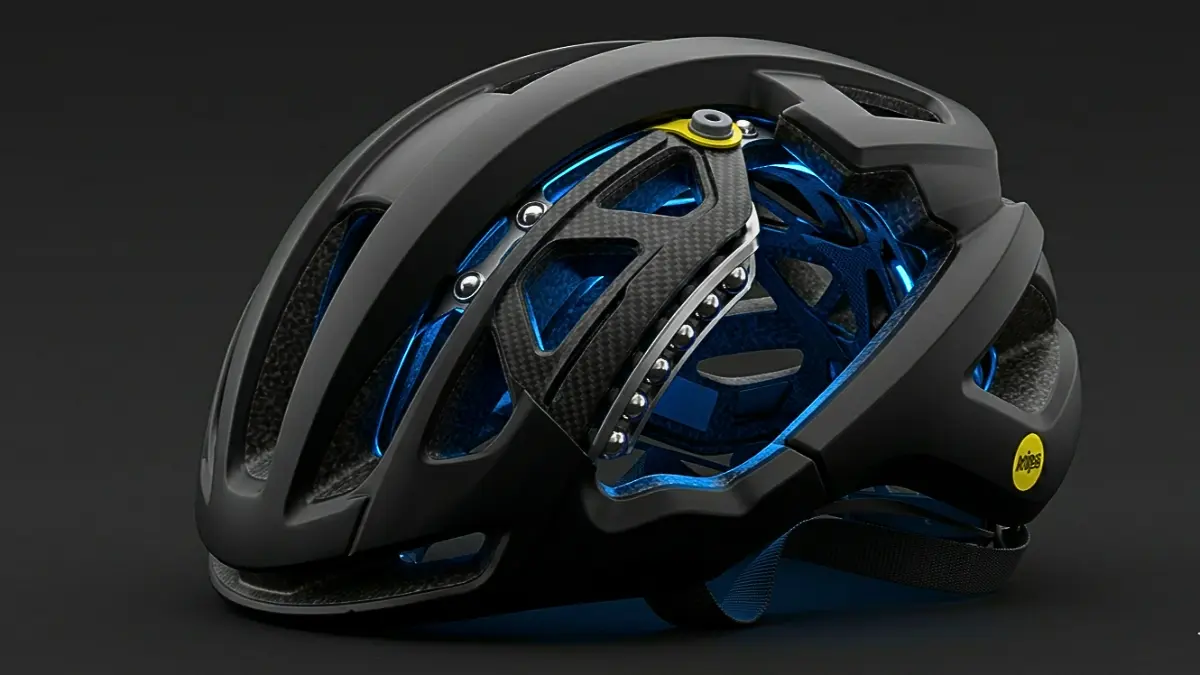
- MIPS Spherical has continuously been in the lead, together with WaveCel systems, in independent impact testing. This proves that advanced versions of what is MIPS helmet and how does it work compete at the highest level.
3. More recent Integrated Variants
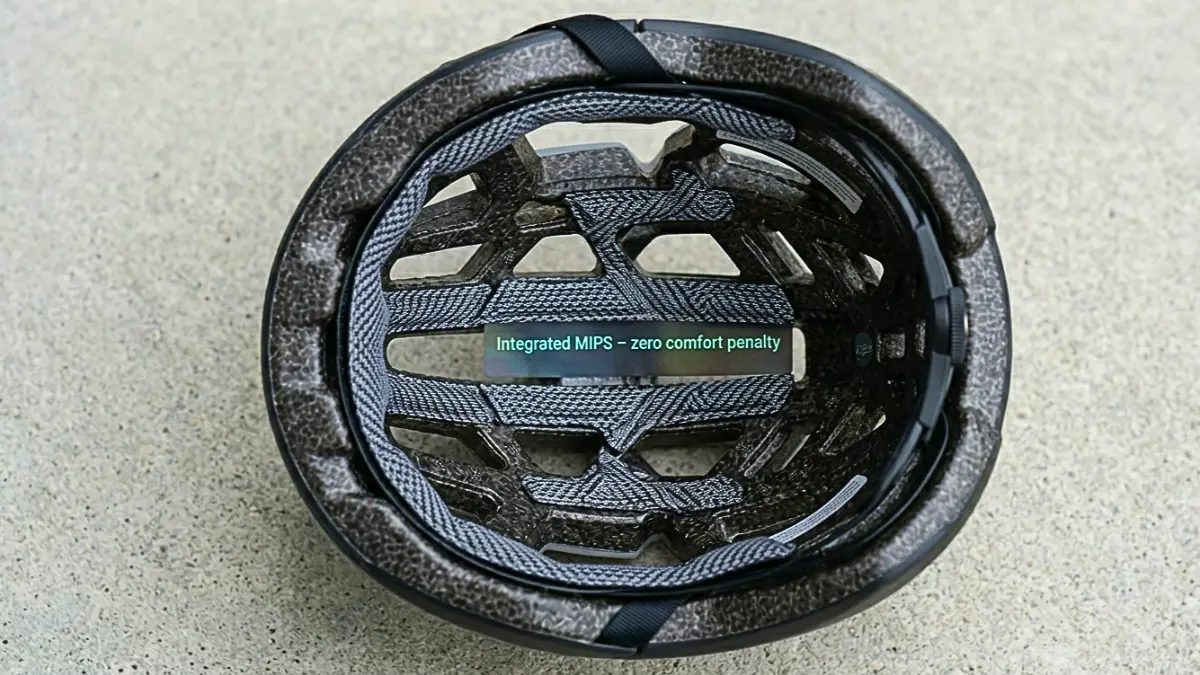
- More recent versions of MIPS are to be designed to provide the protection layer with no change in the fit, weight, or ventilation scheme of the helmet. This is a huge consideration in terms of performance helmets, where grams count, and airflow is an essential factor. With MIPS now mature, the “you will feel it when you are inside the helmet” aspect has greatly diminished. So the evolution of what is MIPS helmet and how does it work has made it more invisible.
MIPS vs. Competitive Technologies
I ought to do you a disservice had I not included that MIPS is not the sole game in town as regards rotational impact protection. It is worth knowing about competing systems. But what is MIPS helmet and how does it work compared to these alternatives?
- The WaveCel (used by Trek/Bontrager) is a collapsible cellular mechanism built into the helmet that collapses in a controlled manner upon impact. It can be used to handle both linear and rotational forces with the material itself and not a moving layer. Almost always on the first page of the list, in independent impact tests, are WaveCel and MIPS Spherical. So while what is MIPS helmet and how does it work is one answer, WaveCel is another.
- KinetiCore (Lazer) does not need any other inner liner at all. Rotational forces are solved by the provision of crumple zones on the EPS foam handle. This makes it a better substitute for commuters and e-bike riders due to its lighter weight and easy carrying nature. Yet, what is MIPS helmet and how does it work remains the most widely adopted solution.
- Koroyd (as used by Smith) is very efficient in energy absorption over a broad spectrum of impact angles due to its distinctive tube-array design. Some of the helmets do have a combination of Koroyd and MIPS to offer layered protection. This combination enhances the core concept of what is MIPS helmet and how does it work.
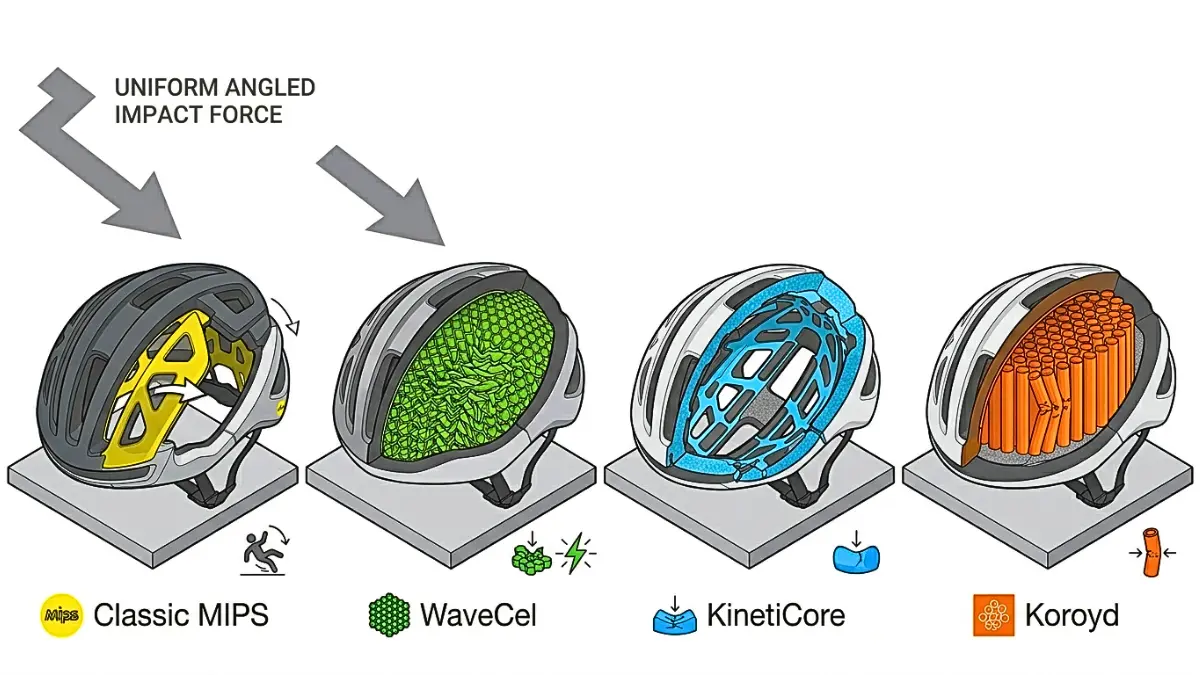
None of these is objectively better in any particular situation – different technologies are more effective in this or that crash. The similarity lies in the fact that they are all tackling the issue of rotational impact, which is yet to be tackled by standard certifications. Yes, so it said: even the European CEN Standard helmet test does not demand rotational forces to be tested in bicycle helmets. The scientists at MIPS are communicating with the authorities to revamp that. So, no matter what, what is MIPS helmet and how does it work is part of a larger shift in helmet safety.
Does MIPS Work? What The Data Says?
Fair question. One thing is marketing claims. The other one is real life data. So, let’s examine the evidence for what is MIPS helmet and how does it work.
- The Virginia Tech Helmet Lab is informally considered the gold standard of independent bicycle helmet testing. They possess a multipronged STAR evaluation framework that tests helmets under diverse impact scenarios – such as oblique impacts; simulated crashes that do take place in real-life scenarios. Among the top helmets in the annual ratings, it is evident that most of the best helmets contain the MIPS or other rotational safety systems.
- A real world comparative test of MIPS equipped helmets against traditional helmets as of 2025 showed that the MIPS equipped helmets significantly outperformed the traditional helmets in rotational impact tests. In a user experience survey of the world cycling community, more than 87% of cyclists reported fewer instances of dizziness and discomfort after an accident with a MIPS-equipped helmet.
- Research has also shown that the risk of concussion in certain impact situations can be minimised by up to 30% when adequately safeguarded by rotation. Cycling has been cited by the National Highway Traffic Safety Administration as one of the greatest risks of head injury among all sports, and any significant decrease in the risk of concussion is therefore a big deal.

Having said so, it should be known that MIPS is not a guarantee. No helmet will save you from all accidents. What MIPS does is it increases your chances in the particular type of angling impact that traditional helmets deal with incompetently. There, the statistics show that it is a valuable safety upgrade. Ultimately, the data leaves no doubt about what is MIPS helmet and how does it work — it’s a system that genuinely helps protect your brain when you need it most
Does Wearing a MIPS Helmet Feel Different?
This is among the most frequently asked questions that I get, and the sincere answer is: No, when you have settled on the appropriate size.
When you initially put on a MIPS helmet, you may think that the inner layer of the helmet is slightly different from a regular foam liner. However, once you understand what is MIPS helmet and how does it work, that subtle slickness instantly transforms from a weird feeling into a reassuring safety feature. Other individuals refer to it as a slight drop that is slippery. But on your head, and on the right head, most of the riders who have used the helmet have testified that they do not feel any difference in the comfort of wearing the helmet when compared to a non-MIPS helmet.
In designing their lids, helmet companies liaise with MIPS to make sure the MIPS layer fits in without blocking up the fit system. The same micro-adjustable dial retention systems, chin straps and padding design that you would hope to see on any good helmet are present in the vast majority of today’s helmets with MIPS.
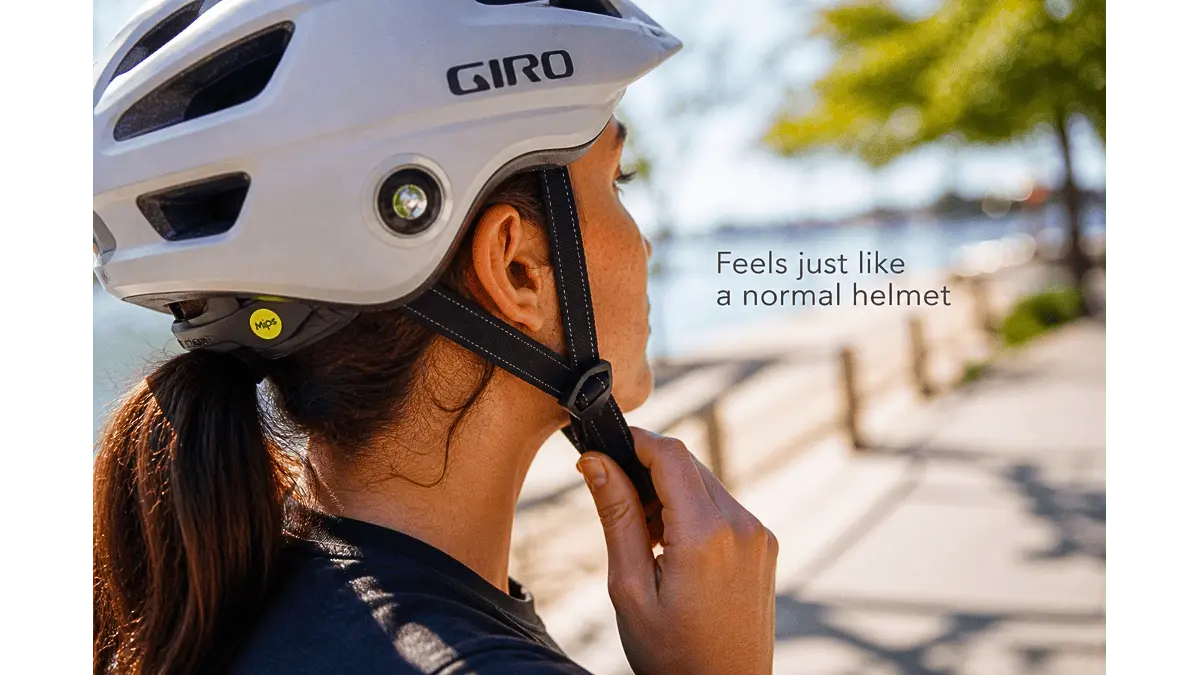
A point to remember: Fit still precedes. In other words, not even the best MIPS helmet in the world will safeguard you in an appropriate manner when it is not fitted appropriately. You must make your helmet fit so that when the head is moved, the helmet is in the same place as the forehead, and does not slide forward or back. The straps will be in the shape of Y just below both ears. Even an improperly-fitting MIPS helmet is not as safe as a plain helmet that fits perfectly. In the end, truly understanding what is MIPS helmet and how does it work also means accepting that even the smartest technology is useless without a correct fit.
How Much Do MIPS Helmets Cost?
The practical section is the following. MIPS is a licensed technology, and the helmets containing it will often have a higher price compared to similar helmets that do not contain MIPS. The premium is likely to be within a similar range of $20 to $50 over a similar non-MIPS model.
With bicycle helmet use cases, you can find solid MIPS at lower costs (like the Bell Nomad MIPS or Giro Register MIPS) and higher prices on higher-quality products such as the POC Cytal MIPS. In the motorcycle helmet case, the MIPS is currently being sold at a wide price range between the middle and the high price range. But understanding what is MIPS helmet and how does it work makes that price difference seem like a no-brainer.
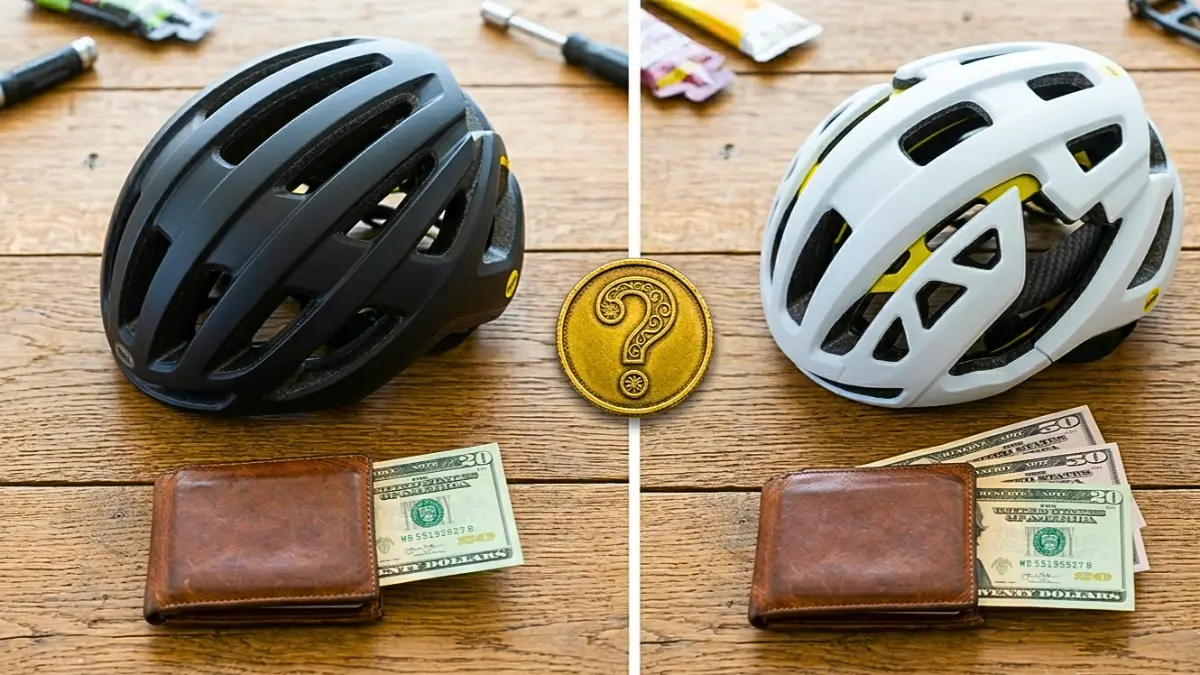
Will it be worth the additional cost? Well, I think, and I say so because I have crashed and walked away due to a good helmet. The most important item you own is your brain. One of the simplest additions that can be made is the addition of meaningful additional protection against the most common type of head injury in a crash at an extra cost of just $20-50.
How to Buy the Right MIPS Helmet: A Quick Checklist
I will leave you with a common sense guide as to what you should do when you are standing on the floor of a shop or scrolling through the product pages.
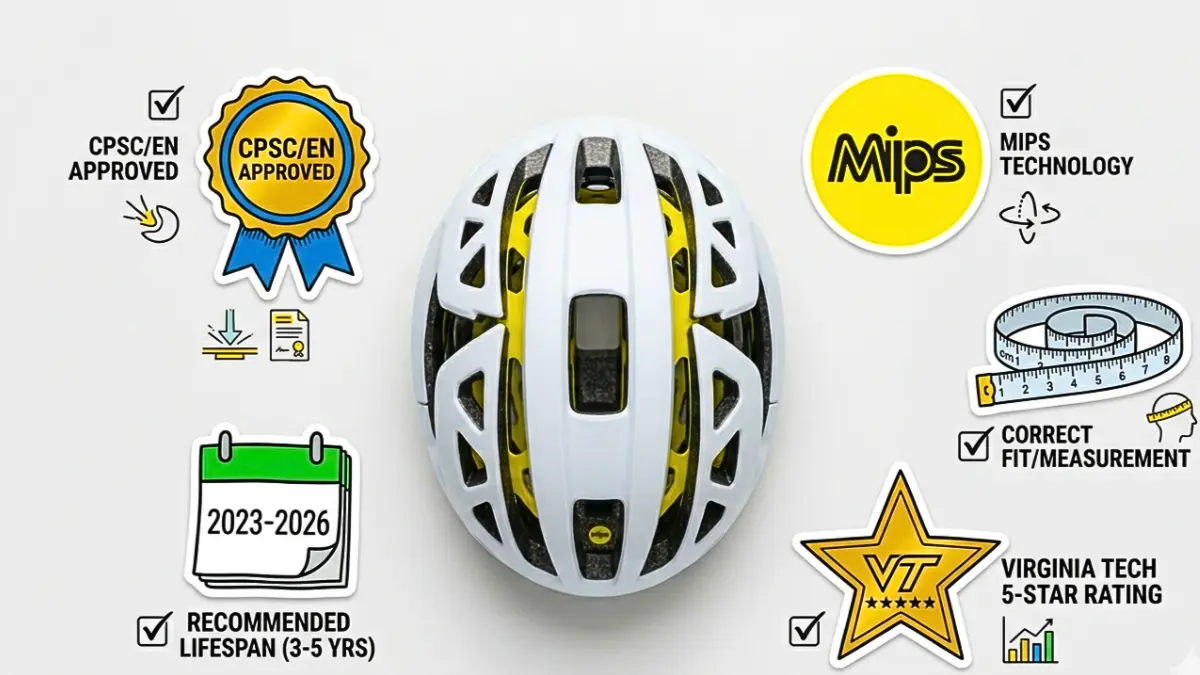
- First make sure that you have the safety certifications first: Both should be used: Each helmet must comply with one of the standards: US CPSC 1203 standard or European EN 1078 (preferably both). Helmets without one of these marks shouldn’t be on your head. MIPS is a supplement to these certifications – it is not a replacement to them. Once you understand what is MIPS helmet and how does it work, you realise it fills the rotational-impact gap that standard certifications still ignore.
- Get MIPS or other rotational impact protection: There is no good reason to buy a helmet that does not offer some kind of rotational impact protection. MIPS, WaveCel, KinetiCore or Koroyd – make sure it is there. Among these, what is MIPS helmet and how does it work remains the most widely adopted and researched approach, so it is always a safe starting point.
- Fit is a non-negotiable: Can you try before you buy? Take the measurement of your head at the widest point and compare it to the manufacturer’s size guide.
- According to needs: The needs of a person who rides a motorcycle or mountain bike at highway speed are different from those of a person who is a commuter who rides on an e-bike or a person riding a motorbike in the city. Take into consideration the crashes that you are most likely to be involved in.
- Replace your helmet after 3-5 years: EPS foam deteriorates over the years, but there is no visible damage. And where there is any crash, even there where it might seem that there is trifling, change it. When struck, the foam collapses, and it does not serve a protective purpose, although the outer shell may seem to be in very good condition.
- Check Virginia Tech Helmet Lab ratings: When it comes to bicycle helmet ratings, they are rated using their STAR system, which provides you with objective, independent data on the actual performance. It’s free to access and one of the most trustworthy sources out there.
Final Thoughts: Is MIPS Helmet Worth It?
I am not here to sell you. I am just a guy who is concerned about safe riding, and would like you to make a well-informed choice.
MIPS possesses good science. The problem with which it deals is the rotating forces of angled collisions, which are real and are well documented. The technology has been developed over almost 20 years. It has been adopted by more than 120 major brands of helmets. And it will be selling the majority of the helmets in the world as both riders and manufacturers have come to the conclusion that it works. And when you break down exactly what is MIPS helmet and how does it work, the mechanics behind that conclusion are rock-solid.

When in the market to purchase a new helmet for your bike, motorcycle or e-bike, a MIPS helmet is the smartest helmet to purchase. The price value is fair, the comfort value is small, and the potential upside, which is walking away from a crash without a traumatic brain injury, is literally priceless.
So, ride safe, wear your helmet and ensure that the helmet is working hard to protect your brain. Since at the end of the day, you are in the best ride on the one you ride home.
FAQ –
1. Is MIPS safer than a regular helmet?
Ans – What is the Mips safety system? The Mips system is designed to provide added safety for helmets in many accidents. For certain impacts, the Mips system can reduce harmful rotational motion that might otherwise be transferred to the user’s head.
2. Is it bad to get a helmet without MIPS?
Ans – Especially if you are considering a helmet that is available with or without Mips, we strongly recommend that you buy a bike helmet with MIPS. The protection of your head and brain is not the place to skimp – especially since the additional cost for MIPS is usually relatively low.
3. How long do MIPS helmets last?
Ans – Change your bike helmet every 3-5 years
But every 3–5 years is a good rule of thumb. If you ride your bike daily, it will obviously be more exposed to sun and general wear and tear than if you only use it a couple of times a month.
4. Is EPS or MIPS better?
Ans – When it comes to helmet safety, both EPS and MIPS have unique advantages. EPS (Expanded Polystyrene) provides excellent shock absorption, while MIPS (Multi-Directional Impact Protection System) focuses on reducing rotational forces during a crash.
5. Do full face helmets have MIPS?
Ans – Look for an approved full-face helmet with Mips® technology
If you see a helmet with a yellow logo on the back, it means it is equipped with Mips® safety system. No matter what activities you like to engage in, there is sure to be a helmet equipped with Mips technology that suits you.
Also Read – Best Helmet for ATV Riding: Top 10 Picks You Can Trust in 2026

Raj is the creative mind curating the special content for the website. From exclusive first-drive reviews to buyer’s guides and comparison tests, Raj ensures our features are engaging and helpful. He loves getting behind the wheel of new launches and creating content that helps our readers pick their dream vehicle. His passion for motorcycles and performance cars is evident in his energetic writing style.