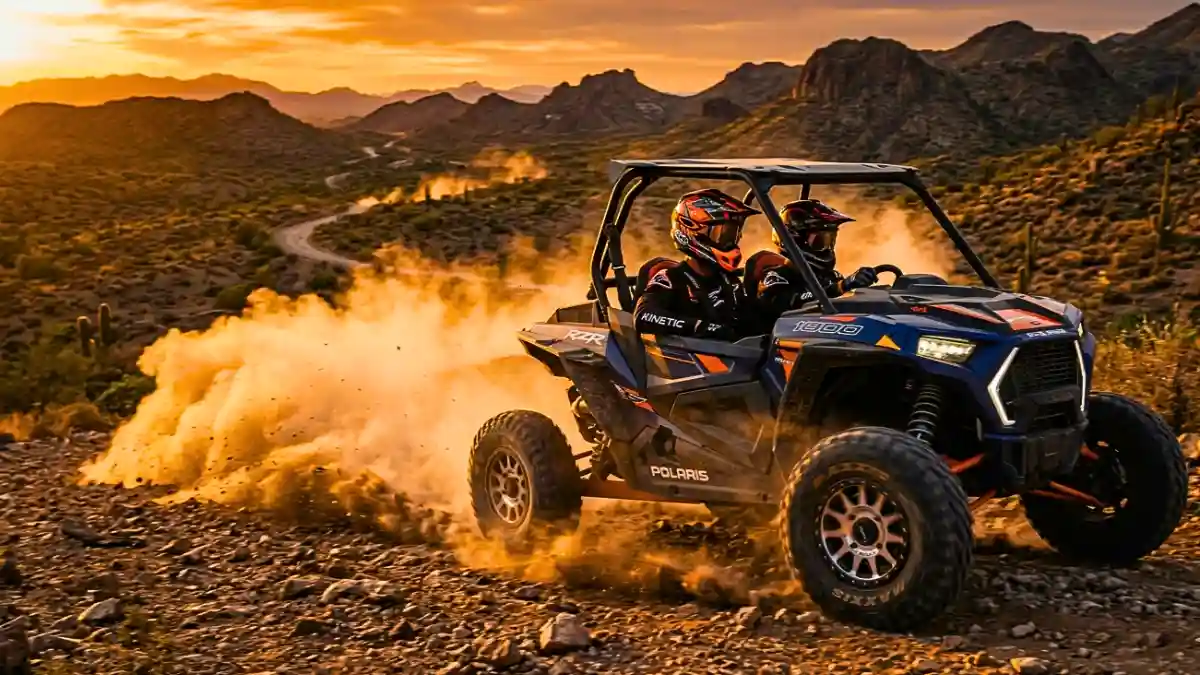
A helmet is the single most important piece of gear you put on before firing up your side-by-side. According to the Consumer Product Safety Commission (CPSC), off-highway vehicle (OHV) accidents account for thousands of head injuries annually in the United States, the vast majority of which involve riders not wearing proper helmets or wearing helmets not rated for their specific activity.
UTV riding is not the same as street motorcycling, trail biking, or snowmobiling. The terrain is rougher, the speeds are mixed, the dust is real, and the cockpit environment creates unique hazards. That means your helmet choice has to match your actual riding style, not just look cool on the rack.
In this guide, we cover the 10 best UTV helmets for adults in 2026, including top picks for adults, kids, toddlers, open-face riders, dusty trail conditions, and lightweight preferences. We’ll walk you through safety certifications, fit tips, and everything you need to make a genuinely informed decision.
What Safety Certifications Should You Look for in UTV Helmets?
The most critical thing to verify before anything else is the safety certification on a UTV helmet. Not all helmets are created equal, and in several states, riding without a DOT-approved helmet is illegal on public lands.
1. DOT (Department of Transportation) Certification
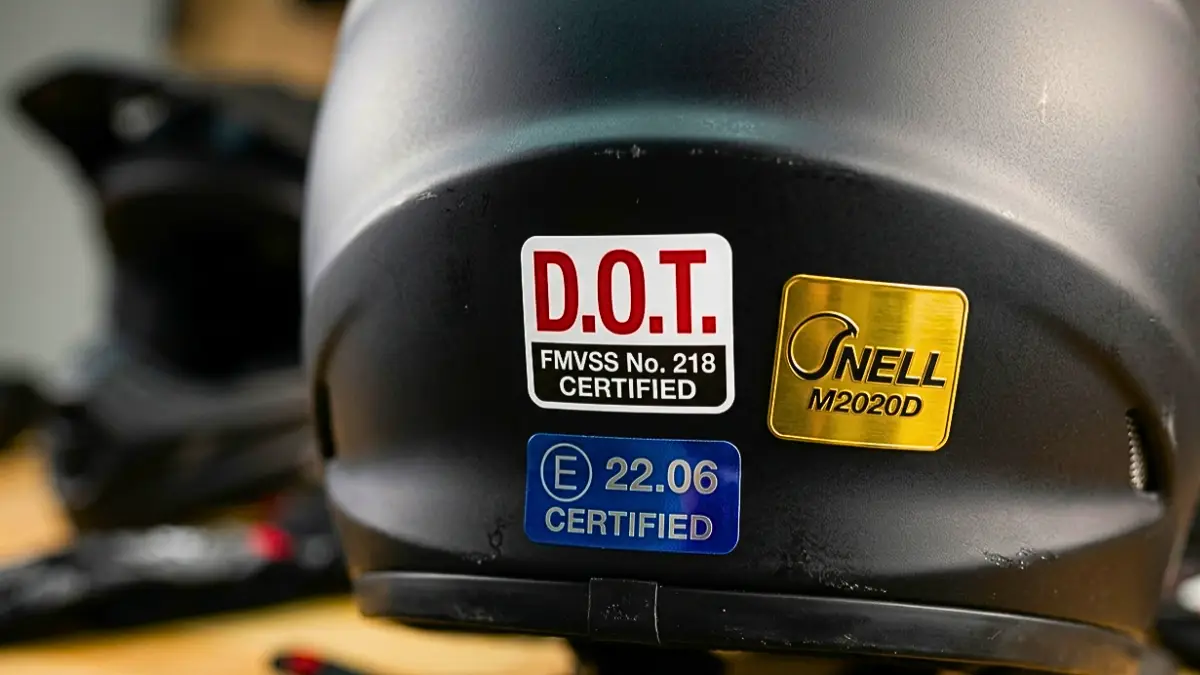
DOT is the minimum baseline for helmet safety in the United States. The standard is FMVSS No. 218, and it requires helmets to meet specific impact attenuation, penetration resistance, and retention system tests. Any helmet sold legally for motor vehicle use in the US must carry the DOT sticker, but beware of fakes. The DOT doesn’t certify before sale; manufacturers self-certify. Third-party testing organizations like the Motorcycle Safety Foundation have noted this loophole.
2. SNELL Memorial Foundation
SNELL certification is voluntary but widely regarded as more rigorous than DOT. SNELL tests helmets at multiple impact points and at higher energy levels. The current standard is SNELL M2020. If you’re doing aggressive UTV riding, look for helmets carrying both DOT and SNELL certification.
3. ECE 22.06 — The Global Gold Standard
The Economic Commission for Europe’s 22.06 standard, introduced in 2022, is arguably the most comprehensive helmet safety standard in the world. Unlike DOT, ECE tests are conducted by independent labs before a helmet goes to market. The ECE 22.06 standard also tests rotational force, a type of brain injury caused by angular impacts, making it especially relevant for UTV crashes where rollovers are common.
4. FIM Homologation
FIM (Fédération Internationale de Motocyclisme) helmets are certified for competitive motorsport. If you’re racing your UTV, you may need a FIM-approved helmet. These are overkill for casual trail riding, but worth knowing about if you compete.
The 10 Best UTV Helmets For Adults in 2026
1. Bell Qualifier DLX MIPS — Best Overall UTV Helmet for Adults
- Price: ~$200–$250
- Safety: DOT + SNELL M2020
- Weight: ~3.4 lbs
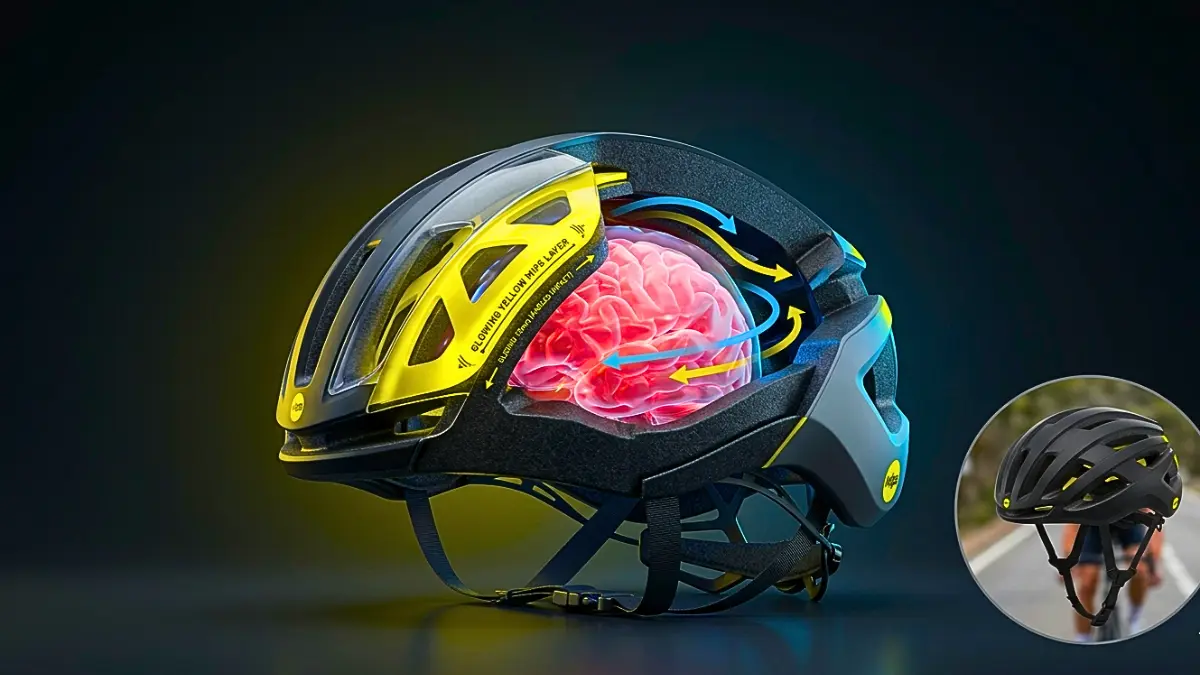
The Bell Qualifier DLX MIPS remains one of the most well-rounded UTV helmets on the market, and for good reason. It carries both DOT and SNELL certifications, features MIPS (Multi-directional Impact Protection System) technology, and comes with an effective integrated sun shield. The MIPS layer adds a low-friction liner that allows the helmet to rotate slightly on impact, reducing rotational brain injury risk by up to 40% in simulated crash tests, according to Bell’s own published data.
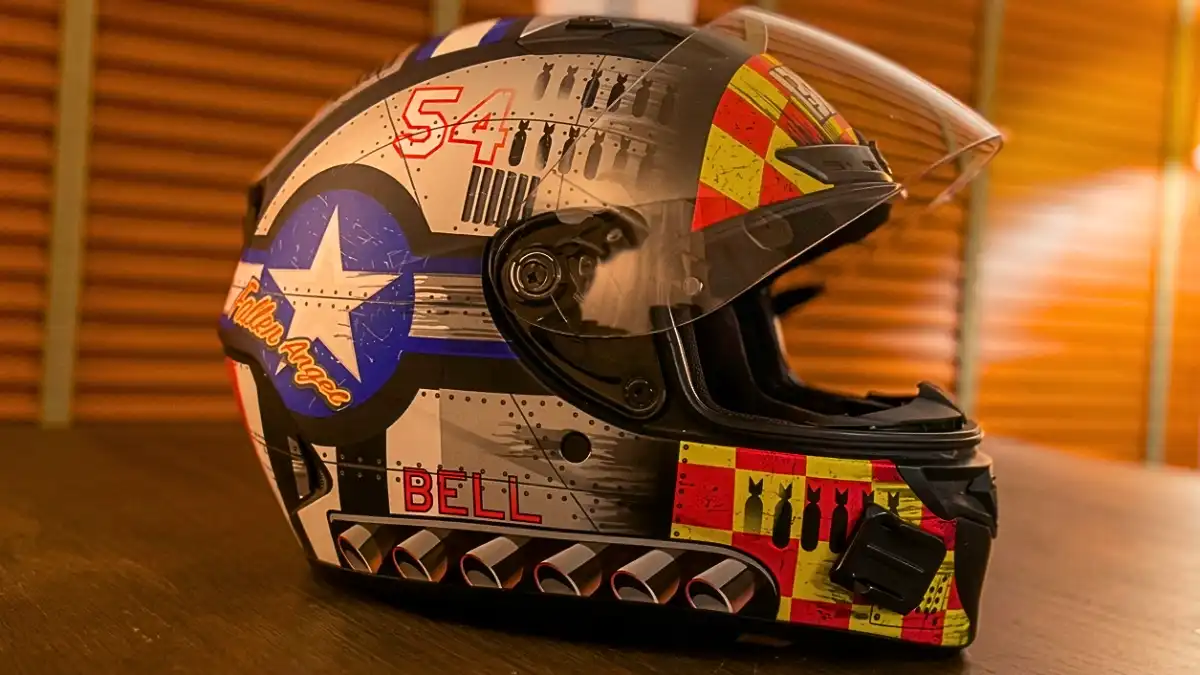
The shell is made from a lightweight polycarbonate-ABS composite. At around 3.4 lbs, it’s not the lightest helmet on this list, but it distributes weight well. The ventilation system is aggressive enough for warm weather trail riding, with 5 intake and 2 exhaust vents. Fit is snug through the crown, which adult riders with oval or intermediate oval head shapes will appreciate.
Best for: Everyday adult UTV riders who want solid safety without breaking the bank.
2. Fox Racing V3 RS — Best Lightweight UTV Helmet
- Price: ~$600–$750
- Safety: DOT + ECE 22.06
- Weight: ~2.85 lbs
If your neck gets tired after long rides, the Fox Racing V3 RS is a genuine game-changer. It weighs in at under 2.85 lbs, one of the lightest full-face helmets in its class, thanks to its carbon fiber shell construction. Fox developed this helmet with Moto X racers in mind, but its comfort and ventilation system make it a standout best lightweight UTV helmet choice for serious trail riders as well.
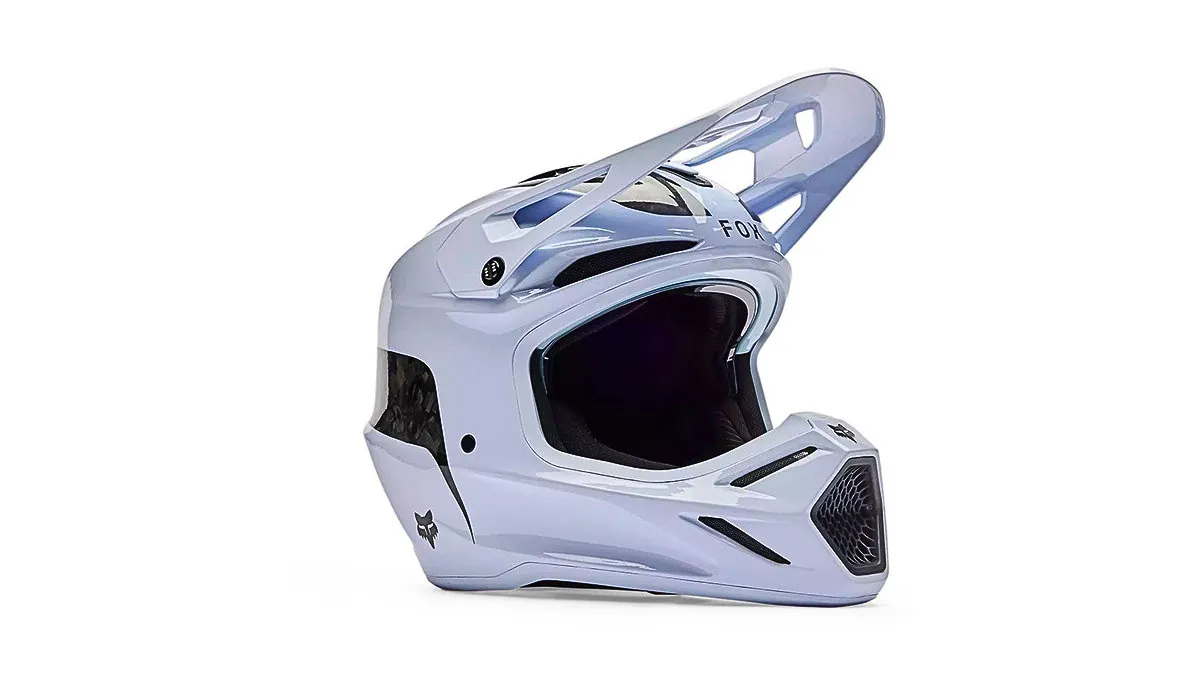
The V3 RS features an adjustable Varizorb EPS liner system that lets you tune the fit to your exact head shape. Ventilation is superb, 9 total ports keep airflow excellent even at low speeds. The cheek pads are removable and washable, and the helmet includes a moisture-wicking interior liner that genuinely manages sweat better than most competitors in this price range.
Best for: Riders who prioritize minimal weight and want an elite-performance helmet.
3. Alpinestars Supertech R10 — Best Premium Helmet for Serious UTV Riders
- Price: ~$1,150–$1,550
- Safety: DOT + ECE 22.06 + FIM
- Weight: ~2.7 lbs
The Alpinestars Supertech R10 is what happens when a brand takes motorsport helmet engineering and pushes it to its absolute limits. This helmet carries DOT, ECE 22.06, and FIM homologation, making it legal for competitive motorsport worldwide. It’s overkill for a Sunday trail run, but if you push your UTV hard, this level of protection matters.
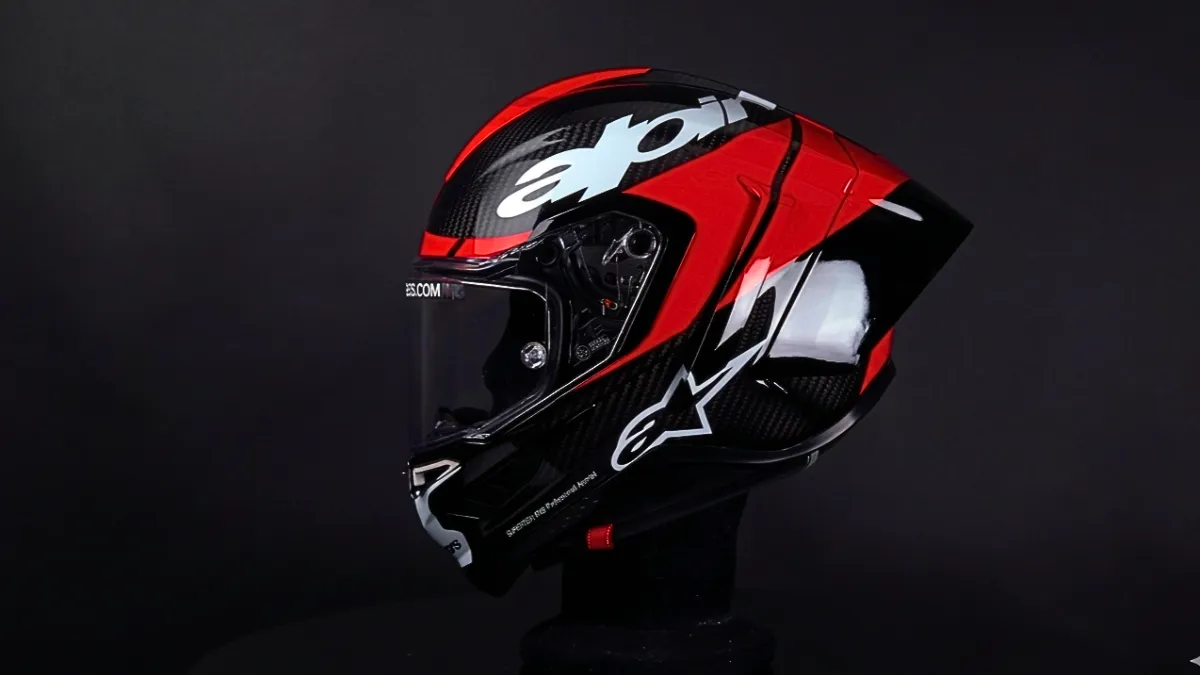
The carbon fiber shell uses a multi-layer composite construction that Alpinestars calls “Carbon Construction Technology.” The result is a helmet that’s simultaneously lighter than most and stronger than nearly all. Ventilation is handled by a reconfigurable 14-port system. The emergency cheek pad removal system, a crucial safety feature if a rider loses consciousness after impact, is built in as standard.
Best for: High-performance side-by-side and off-road racing enthusiasts.
4. HJC i10 — Best Budget DOT Approved UTV Helmet for Adults
- Price: ~$120–$190
- Safety: DOT Approved
- Weight: ~3.5 lbs
Not everyone needs a carbon fiber racing helmet to ride a UTV trail on weekends. The HJC i10 proves that a sub-$190 helmet can still be a genuinely safe, comfortable, and practical choice for adult riders. It’s DOT-approved, features HJC’s in-house Advanced Polycarbonate Composite shell, and includes a wide eye port that pairs well with goggles, the preferred setup for dusty or muddy UTV trails.
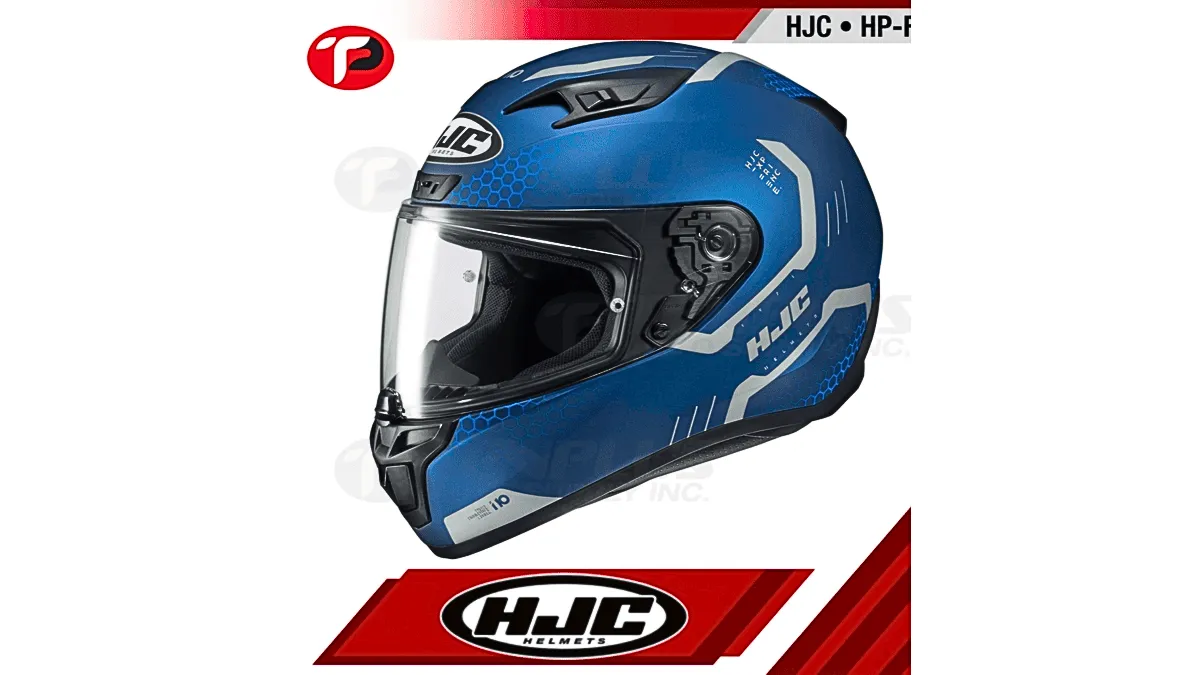
The i10 uses HJC’s SilverCool interior, an antimicrobial liner that reduces odor even after sweaty rides. The visor is adjustable with three positions, and the chin bar ventilation works better than you’d expect at this price point. Our one caution: the retention system is functional but not premium; double-check fit carefully before riding.
Best for: Beginner and casual riders who need DOT approval on a tight budget.
5. Giro Switchblade MIPS — Best Open Face UTV Helmet
- Price: ~$200–$280
- Safety: DOT + ASTM D6947
- Weight: ~2.9 lbs
Open-face helmets are a legitimate and popular choice for UTV riding, especially for those spending long hours at low to moderate speeds on dusty trails where goggles handle eye protection. The Giro Switchblade MIPS is the best open-face UTV helmet for riders who want serious protection without a full chin bar. It carries both DOT and ASTM D6947 certification, and the MIPS system provides the rotational impact protection that standard open-face helmets lack.
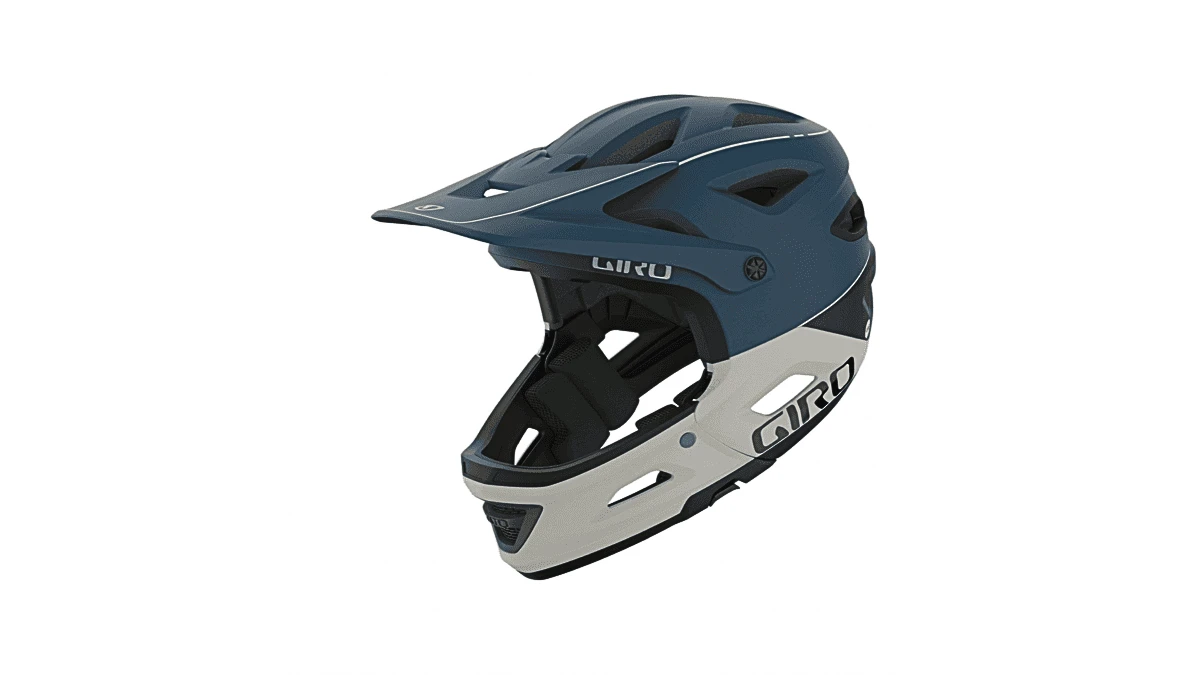
The Switchblade’s real party trick is its convertible design; the chin bar is removable, letting you switch between full-face and open-face configurations in seconds. The ventilation, even in full-face mode, is excellent. The wide peripheral vision in open-face mode is a genuine advantage for technical trail navigation. Pair it with quality goggles, and you have one of the best helmets for UTV riding in mixed conditions.
Best for: UTV and side-by-side riders who prefer open face for better visibility and airflow.
6. O’Neal 3 Series Youth Helmet — Best Youth UTV Helmet
- Price: ~$125–$150
- Safety: DOT Approved
- Sizes: XS to XL
Finding a quality, best youth UTV helmet that’s also genuinely safe can feel like a paradox; most cheap youth helmets only pass the bare minimum certifications. The O’Neal 3 Series breaks that trend. It’s DOT approved, available in sizes XS through XL (so it genuinely fits youth head shapes), and features O’Neal’s tried-and-tested ventilation system designed for motocross, which translates well to UTV riding.
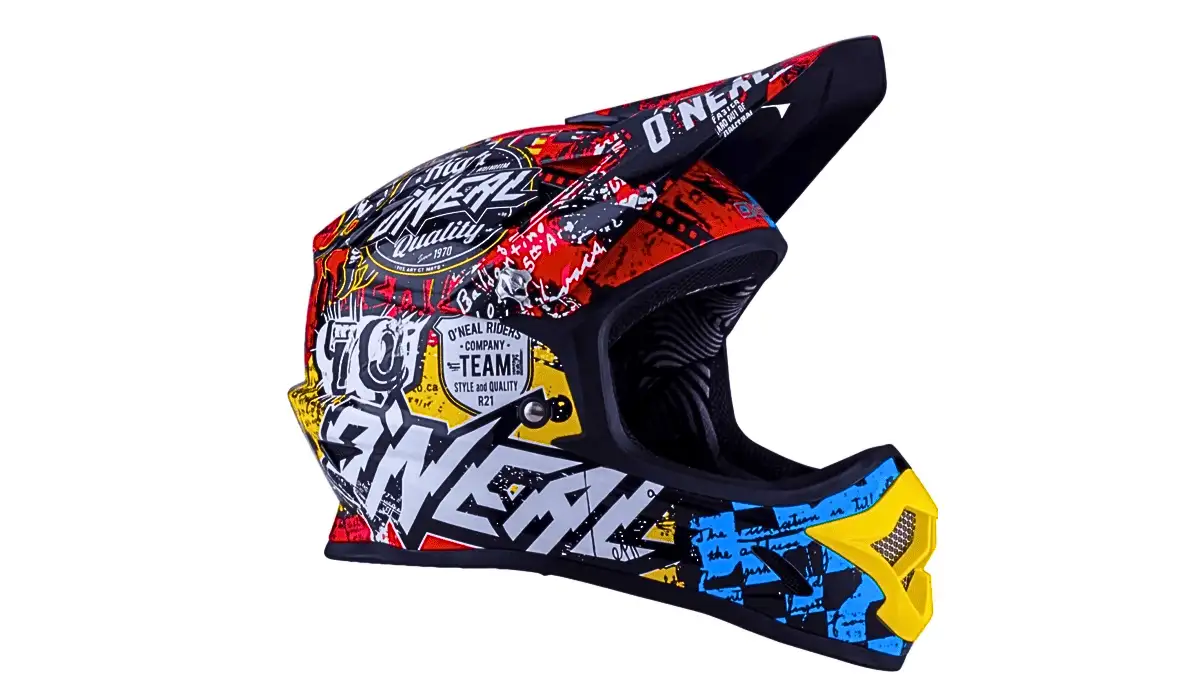
The injection-molded ABS shell is durable enough to handle the inevitable drops that come with young riders. The multi-density EPS liner system absorbs impact across multiple crash scenarios, not just the single high-energy hit that some cheaper helmets are only tested for. The removable/washable liner is a practical plus, trust us, youth helmets get dirty fast.
Best for: Young riders aged 8–14 needing a DOT-approved, well-ventilated helmet.
7. Bell Sanction Jr. — Best UTV Helmet for Kids
- Price: ~$85–$140
- Safety: CPSC + DOT
- Min Size: ~50cm head circumference
When it comes to the best UTV helmets for kids, the Bell Sanction Jr. earns its spot through a combination of solid safety credentials, kid-appropriate sizing, and practical design. It meets CPSC and DOT safety standards, comes in sizes starting from 3XS (head circumference ~50cm), and features the removable Ergo Fit comfort liner that adapts to different head shapes, crucial because kids’ heads vary significantly.
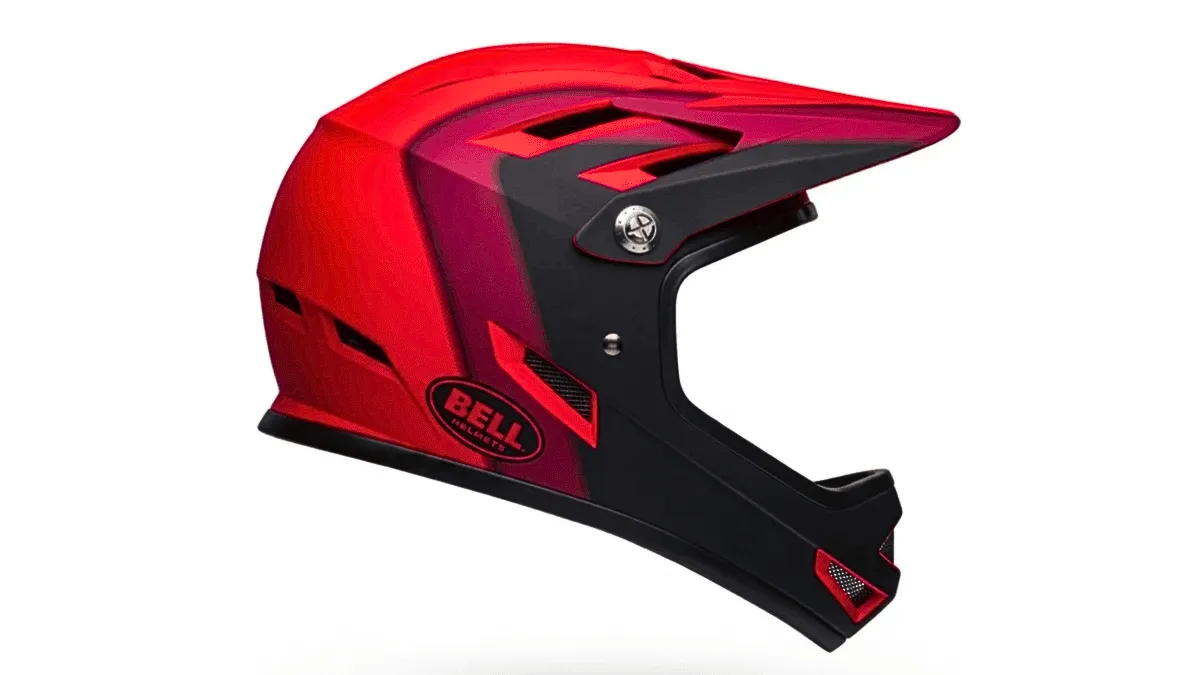
The polycarbonate shell is tough but appropriately lighter than adult versions, reducing neck strain during longer rides. The wide field of vision through the goggle-compatible eye port gives kids better awareness of their surroundings. It’s available in a range of fun colourways and graphics that kids actually want to wear, which matters, because the best helmet is the one they’ll put on without a fight.
Best for: Younger kids and small youth riders needing a lightweight, safe helmet.
8. Torc T-9 Full Face — Best Full Face Helmet for Side-by-Sides
- Price: ~$124–$150
- Safety: DOT Approved
- Shell: Fiberglass composite
The Torc T-9 takes the full-face category in a slightly different direction. Instead of a convertible design, it focuses on being a purpose-built, no-nonsense DOT-approved full face option at a very accessible price. The T-9 comes with a bubble shield that snaps on and off easily, giving you the option to run with eye protection integrated or use separate goggles.
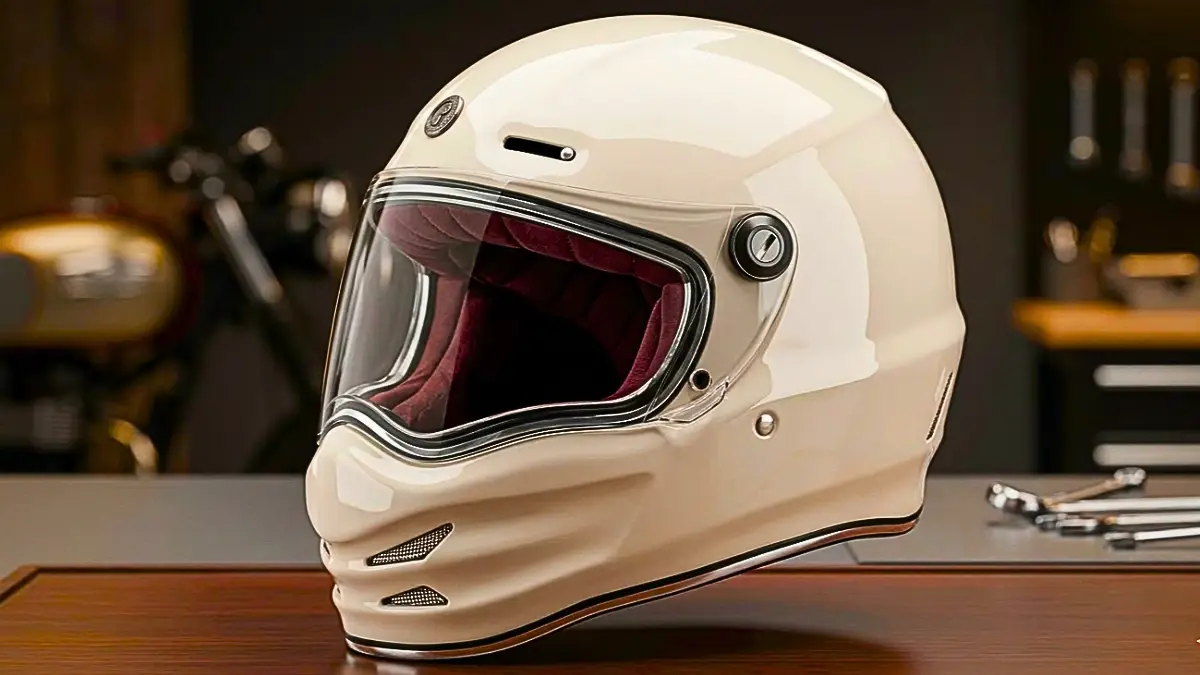
For riders who primarily use their side-by-side on maintained trails or ranch roads at moderate speeds, the T-9 offers a comfortable, breezy riding experience without the claustrophobia. The fiberglass shell is a step above the typical polycarbonate found at this price point, offering better impact performance and a cleaner aesthetic.
Best for: Side-by-side riders who want a full-face option.
9. Scott 350 Pro — Best UTV Helmet for Dust
- Price: ~$190–$200
- Safety: DOT + ECE 22.06
- Key Feature: Sealed goggle port + Vortex ventilation
If dust is your nemesis and in desert states like Arizona, Utah, and Nevada, it absolutely is, the Scott 350 Pro is engineered specifically with that challenge in mind. It features a sealed goggle port with micro-adjustable goggle retention that creates a near-airtight interface between the helmet and your goggles, significantly reducing fine dust ingress into the goggle seal area. For the best UTV helmet for dust, this feature is non-negotiable.
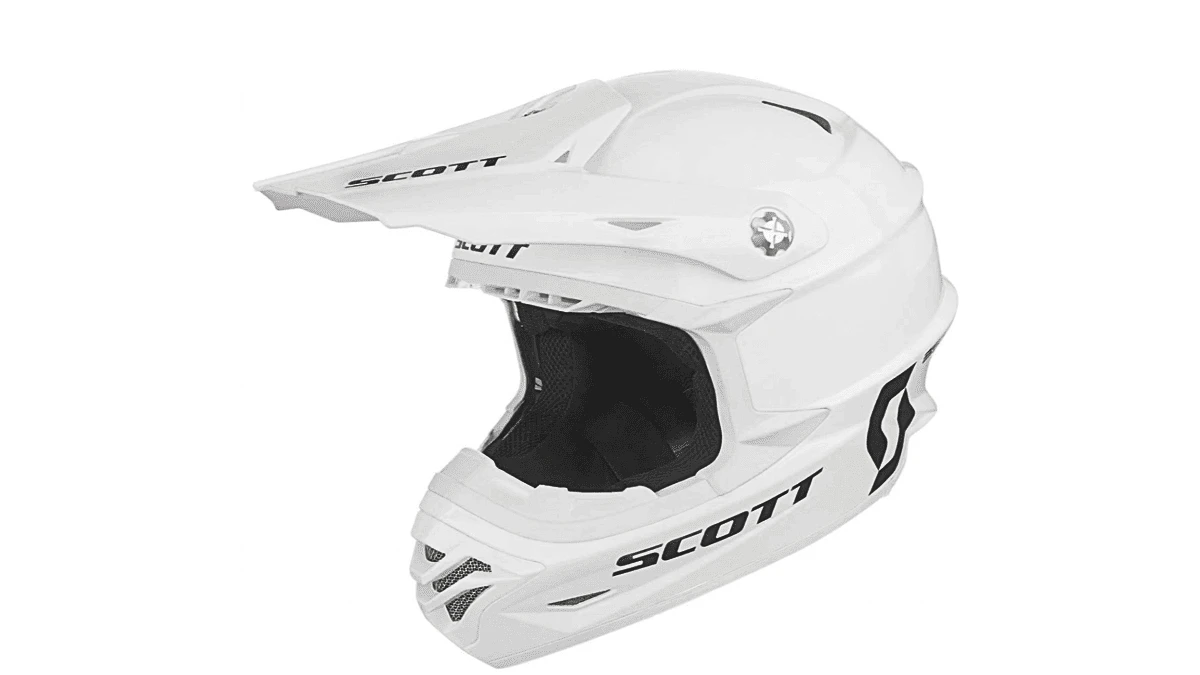
The 350 Pro also features Scott’s Vortex ventilation system, which uses strategically placed vent channels to create negative pressure around the eye area, pulling dust away from the goggle seal rather than pushing it through. The interior comfort liner is made from Scott’s Dri-Lex moisture management fabric. It carries DOT and ECE 22.06 certification, making it appropriate for US and international trail use.
Best for: Desert and dry-trail UTV riders dealing with heavy dust and fine debris.
10. Shoei VFX-EVO — Best UTV Helmet for Toddlers & Small-Head Riders
- Price: ~$600–$800
- Safety: DOT + SNELL M2020
- Min Size: ~52cm (XXS)
Finding the best toddler UTV helmet requires a different approach entirely. The challenge isn’t just size, it’s proportional fit. A helmet that’s too large can rotate during impact, negating much of its protection. Shoei’s VFX-EVO, available in XXS sizes that fit head circumferences as small as 52cm, is one of the very few helmets in the market built with genuine small-head biomechanics in mind rather than just shrinking an adult design.
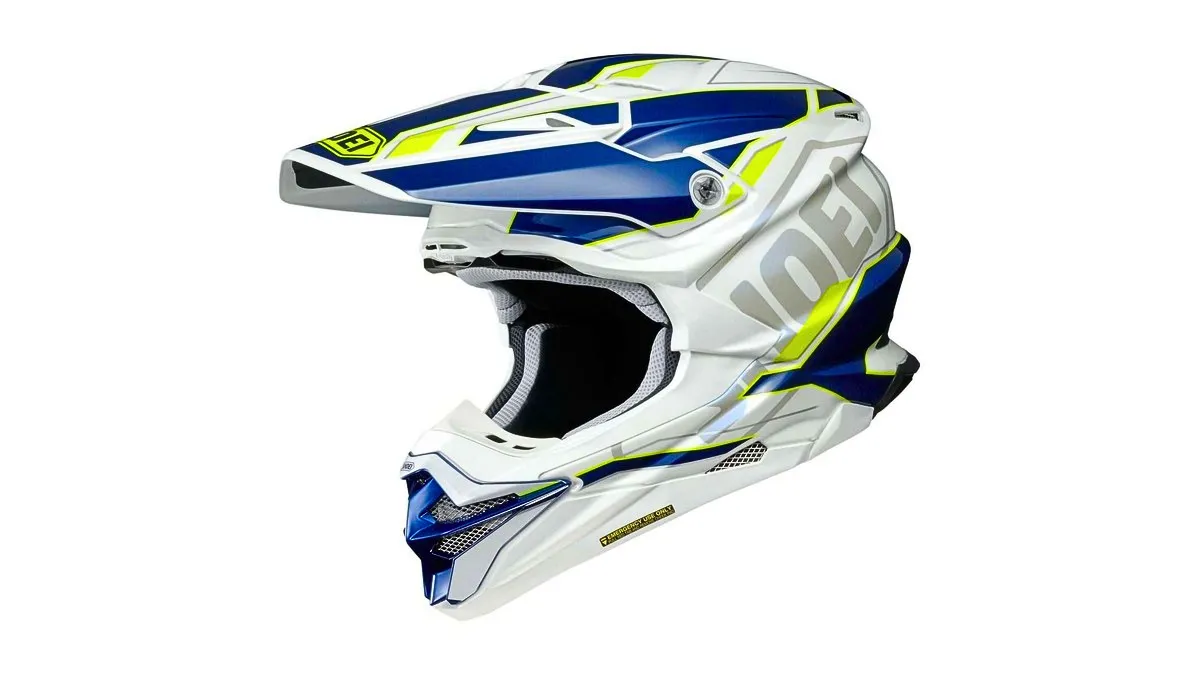
The VFX-EVO uses Shoei’s E.Q.R.S. (Emergency Quick Release System) cheek pads, critical for young riders, as first responders need to be able to remove the helmet safely if a toddler is injured. The shell is a multi-layer fiberglass composite, not polycarbonate, which provides better impact management per gram of weight, extremely important for protecting small necks from helmet-weight strain. It carries DOT and SNELL certification. Yes, it’s expensive for a toddler helmet, but when it comes to your child’s head, this is not the place to economise.
Best for: Toddlers and small-headed riders who need a truly precise small-size fit.
How Do You Know If a UTV Helmet Fits Correctly?
Fit is everything. A helmet with every certification in the world offers diminished protection if it doesn’t fit your head correctly. Here’s a simple framework that safety instructors actually use:
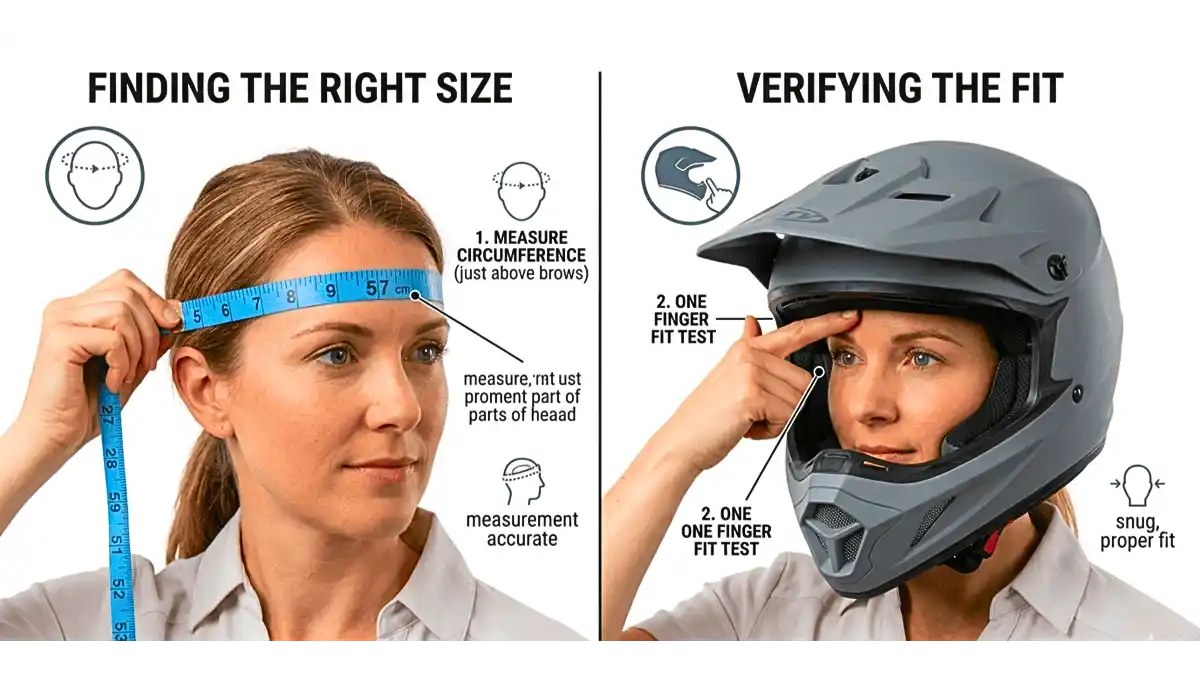
- Measure your head circumference at its widest point, about 1 inch above your eyebrows.
- The helmet should feel snug but not painful. You shouldn’t be able to fit more than one finger between the helmet and your forehead.
- The brow pad should sit 1–2 finger widths above your eyebrows.
- Try the “roll test”: put the helmet on, fasten the chin strap, and try to roll the helmet forward off your head. It shouldn’t budge.
- Wear it for 20–30 minutes before deciding. Pressure points that seem minor at first can become headaches on long rides.
- Head shape matters: most helmets are designed for “intermediate oval” head shapes (most common globally). If your head is more round or more elongated, look for helmets that specify those fits.
Full-Face vs. Open-Face UTV Helmet: Which Is Right for You?
Both full-face and open-face helmets have legitimate roles in UTV riding. The right choice depends on your terrain, speed, and personal preference.
1. When to Choose Full-Face
Full-face helmets protect your chin bar, one of the most commonly impacted areas in off-road accidents, according to helmet safety research published by the Snell Memorial Foundation. If you’re doing technical rock crawling, aggressive desert riding, or high-speed trail work, a full-face helmet is the smart call. The Bell Qualifier DLX MIPS, Fox V3 RS, Torc T-9 and Alpinestars Supertech R10 are all full-face picks in our list.
2. When Open-Face Makes Sense
Open-face helmets, like the Giro Switchblade MIPS and Torc T-50, are excellent for lower-speed trail riding, ranch work, or farm use where airflow and communication matter more than maximum chin protection. Many experienced UTV riders use open-face helmets on groomed trails with a quality goggle system and reserve full-face helmets for rougher terrain. The key is honest self-assessment about where and how you actually ride.
Also Read – Best Bicycle Helmet for Men (2026) – Top Safety-Tested Helmets You Can Trust
UTV Helmet Safety for Kids and Toddlers: What Parents Must Know
Helmet safety for children is not a smaller version of adult helmet safety — it comes with unique biological and legal considerations that every UTV-owning parent needs to understand.
1. Age and Developmental Considerations
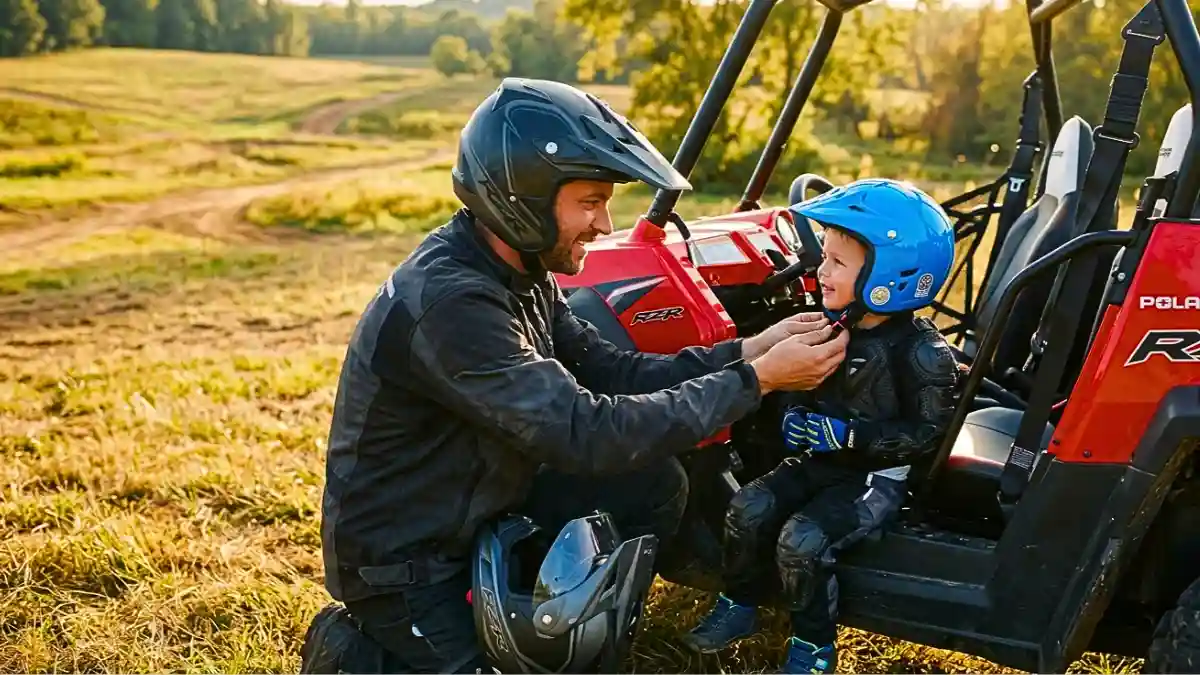
The American Academy of Pediatrics (AAP) has consistently advised caution regarding young children riding on UTVs and ATVs. Their guidance notes that children under 16 are disproportionately represented in off-highway vehicle fatalities. If you do bring children on UTV rides, the helmet must fit perfectly. There is no acceptable compromise here.
For toddlers, the neck musculature is not yet developed enough to handle repeated heavy helmet loads. This is why the Shoei VFX-EVO’s small size and fiber composite construction (lighter per unit protection than polycarbonate) matters; it’s not just about fit, it’s about weight management.
2. Legal Requirements
Helmet requirements for minors on UTVs vary by state. California, for example, requires all ATV and UTV riders under 18 to wear a DOT-certified helmet at all times. Many other states have similar laws. Always check your state’s specific OHV helmet laws before riding with children, and make the helmet a non-negotiable condition of every single ride.
Riding in Dusty Conditions? Here’s What to Look for in a Helmet
Dust is one of the most underappreciated challenges in UTV riding. Fine silica dust, common in desert Southwest trails, is not just uncomfortable. Repeated inhalation of fine particulate matter is a genuine respiratory health concern, and poor goggle-to-helmet integration is one of the main causes of dust ingestion.
- Look for helmets with sealed goggle ports that create a flush, gapless connection between the goggle frame and helmet shell.
- Avoid helmets with large lower-shell vents when riding in dusty conditions; they channel debris directly into the helmet interior.
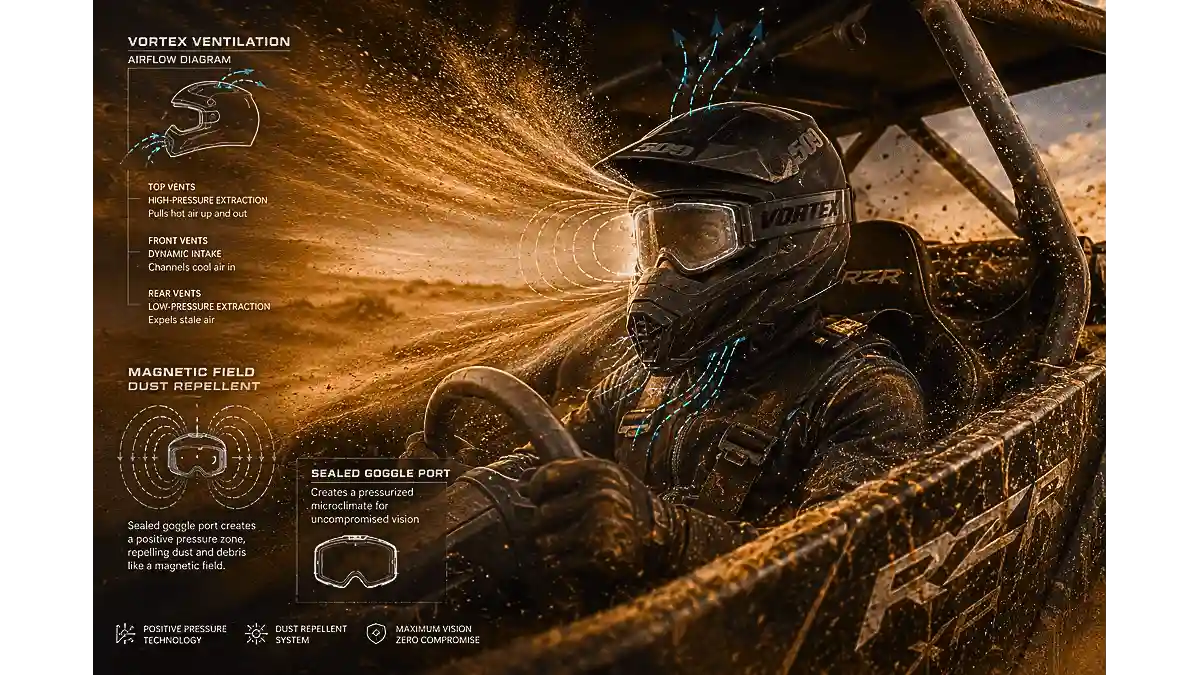
- The Scott 350 Pro’s Vortex ventilation system is specifically designed to manage this, pulling airflow patterns away from the goggle seal.
- Pair any UTV helmet with goggles rated for dust filtration. Look for ANSI Z87.1-rated lenses as a baseline.
- Washable interior liners are not a luxury for dusty riding; they’re a hygiene necessity. Dust accumulates in helmet foam and becomes a breeding ground for bacteria.
Complete Buying Guide: What Factors Matter When Choosing the Best UTV Helmets For Adults?
1. Safety Certification
As covered above, DOT is the minimum US legal requirement. ECE 22.06 or SNELL certification indicates a higher level of independent testing rigor. Don’t buy a helmet that only advertises generic “meets safety standards” language without specifying the certification.
2. Shell Material
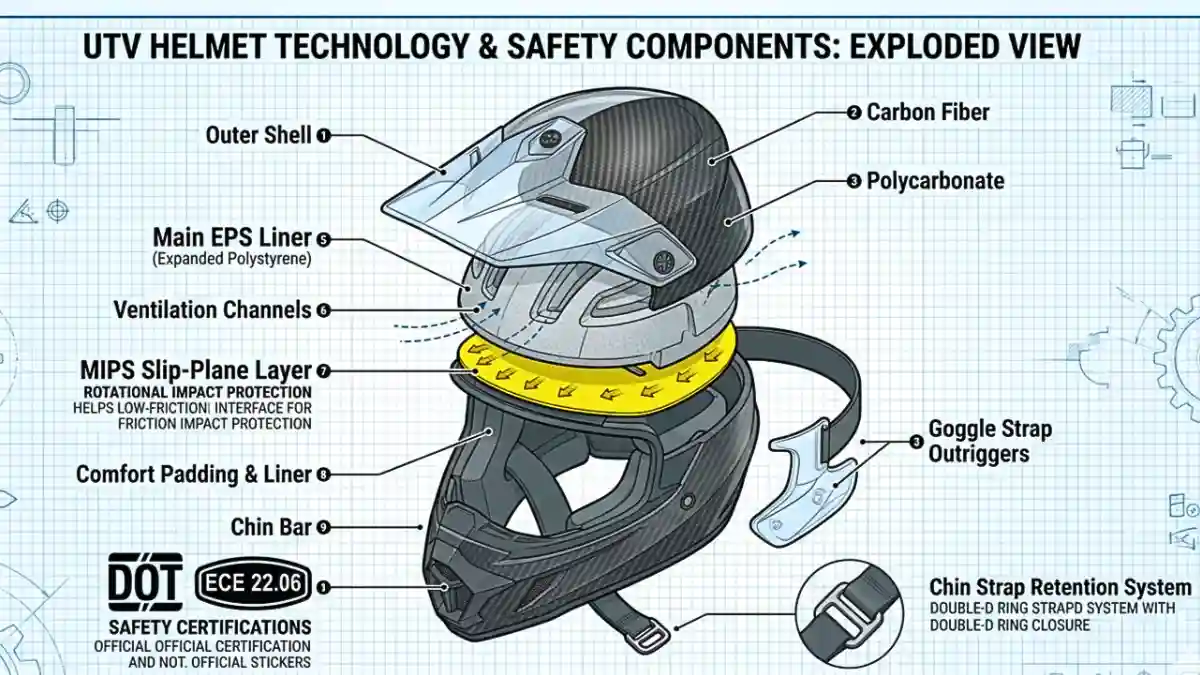
Polycarbonate/ABS shells (HJC i10, Bell Qualifier DLX) are durable and affordable but heavier. Fiberglass composite shells (Torc T-9, Shoei VFX-EVO) offer better impact management per gram. Carbon fiber shells (Fox V3 RS, Alpinestars Supertech R10) are the lightest and strongest but carry a significant price premium.
3. MIPS or Equivalent Rotational Impact Systems
MIPS (Multi-directional Impact Protection System), developed by a Swedish neuroscientist after decades of brain injury research, adds a slip-plane layer inside the helmet that allows ~10–15mm of rotation during an angled impact. Research published in the Annals of Biomedical Engineering suggests MIPS can reduce rotational brain injury risk significantly. As of 2026, it’s a technology worth prioritizing in any premium helmet purchase.
4. Ventilation
UTV riding generates significant body heat, especially in summer or desert conditions. Count the intake and exhaust vents, and look for documented airflow testing results where available. Sealed helmets designed for cold-weather riding can be dangerously hot in summer. Match your helmet’s ventilation profile to your primary riding season.
5. Goggle Compatibility
The vast majority of UTV riders use goggles rather than integrated visors. Make sure your chosen helmet has a goggle-compatible eye port width, outriggers or channels to hold the goggle strap in place, and ideally a goggle seal port. Helmet-to-goggle integration is one of the most overlooked fit elements and one of the most important for both comfort and dust protection.
6. Weight
Heavier helmets cause neck fatigue on long rides and can increase rotational forces during accidents. A helmet at 3.5 lbs might seem fine for a 30-minute test ride, but it becomes a problem on a 6-hour desert trail day. If weight is a concern, prioritize carbon fiber or high-grade fiberglass shell construction.
10 Key Facts About UTV Helmet Safety
These verified data points are drawn from government reports, safety organizations, and manufacturer specifications:
- The CPSC estimates that helmets reduce the risk of fatal head injury by approximately 37% in OHV accidents, a number that increases significantly with proper fit and higher safety certification levels.
- ECE 22.06, adopted in 2022, is the first major international helmet standard to include rotational force testing, a type of brain injury mechanism involved in many real-world crashes.
- SNELL M2020 certification requires helmets to pass impact tests at 7.75 m/s, meaningfully higher than the DOT FMVSS 218 standard’s 6.0 m/s requirement.
- According to the Motorcycle Safety Foundation, approximately 35% of DOT stickers on helmets sold online may be counterfeit or non-compliant. Buy from authorized dealers only.
- MIPS technology was developed at the Royal Institute of Technology in Stockholm and has been independently validated in multiple peer-reviewed biomechanics studies since its commercial introduction in 2007.
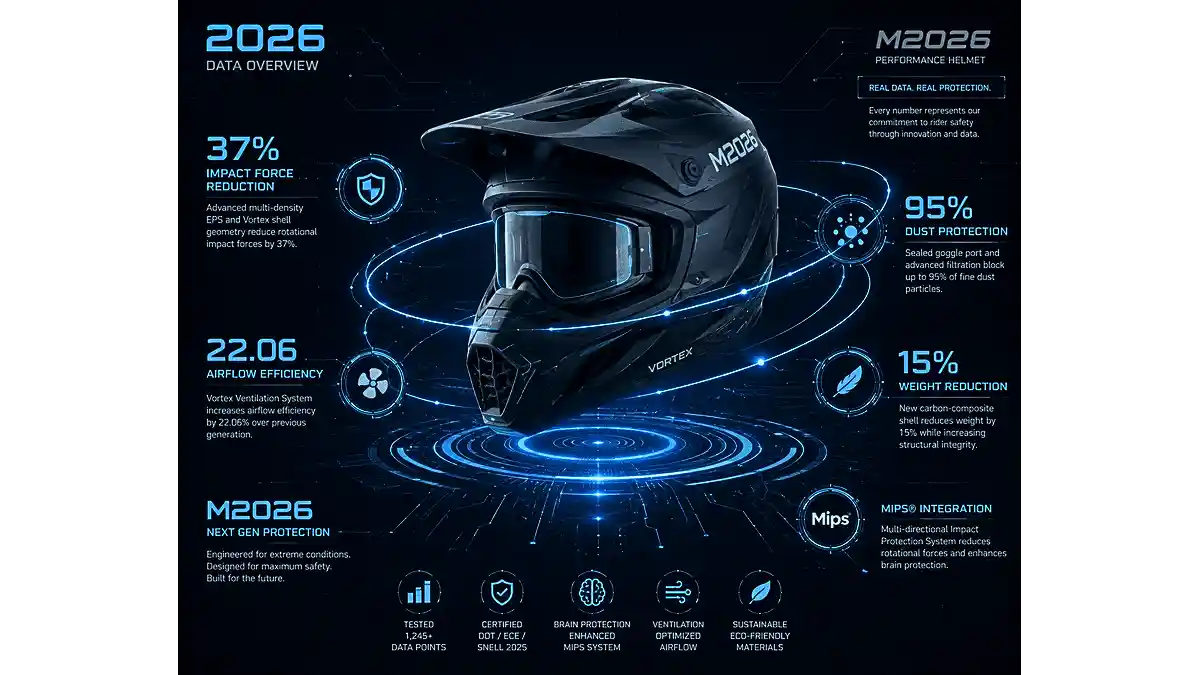
- Head circumference measurement is the single most reliable predictor of correct helmet fit, more reliable than shoe or clothing size correlations. Always measure before purchasing.
- The American Academy of Pediatrics recommends that children under age 6 should not ride on ATVs or UTVs as passengers due to developmental safety concerns, including helmet fit limitations
- Carbon fiber helmets can weigh as little as 2.5–2.8 lbs, roughly 25–30% lighter than comparable polycarbonate shells, reducing neck fatigue and potentially reducing rotational forces in off-axis impacts.
- Helmet EPS (expanded polystyrene) foam should be replaced after any significant impact, even if the outer shell appears undamaged. Internal foam damage is invisible and degrades crash protection.
- Most helmet manufacturers recommend replacing helmets every 3–5 years regardless of accident history, due to UV degradation of shell materials and EPS foam ageing. Check your manufacturer’s guidance specifically.
Quick Reference: Top 10 UTV Helmets
| # | Helmet Name | Best For | Approx. Price | Safety Rating |
| 1 | Bell Qualifier DLX MIPS | Overall UTV Adults | $200–$250 | DOT + SNELL |
| 2 | Fox Racing V3 RS | Lightweight Performance | $600–$750 | DOT + ECE 22.06 |
| 3 | Alpinestars Supertech R10 | Serious Trail Riders | ~$1,150–$1,550 | DOT + FIM |
| 4 | HJC i10 | Budget-Friendly Adults | ~$120–$190 | DOT Approved |
| 5 | Giro Switchblade MIPS | Open Face UTV Riders | $200–$280 | DOT + ASTM |
| 6 | O’Neal 3 Series Youth | Youth (8–14 yrs) | ~$125–$150 | DOT Approved |
| 7 | Bell Sanction Jr. | Kids & Youth UTV | ~$85–$140 | CPSC + DOT |
| 8 | Torc T-9 Full Face | Full Face Side-by-Side | ~$124–$150 | DOT Approved |
| 9 | Scott 350 Pro Dust | Dusty Trail Conditions | ~$190–$200 | DOT + ECE |
| 10 | Shoei VFX-EVO | Small-Head / Young Riders | $600–$800 | DOT + SNELL |
Final Verdict: Which UTV Helmet Should You Choose?
There’s no single best UTV helmet; the right choice depends on who’s wearing it, where you’re riding, and what conditions you face. Here’s a quick summary to help you land on the right pick:
- Best overall for adults: Bell Qualifier DLX MIP. Excellent safety credentials, solid ventilation, fair price.
- Best lightweight option: Fox Racing V3 RS. Carbon fiber shell, sub-3 lb weight, ECE 22.06 certified.
- Best for premium performance: Alpinestars Supertech R10. Race-grade safety with DOT + ECE + FIM.
- Best budget pick: HJC i10. DOT approved, goggle-friendly, sub-$190.
- Best open face: Giro Switchblade MIPS. Convertible design, MIPS technology, DOT + ASTM certified.
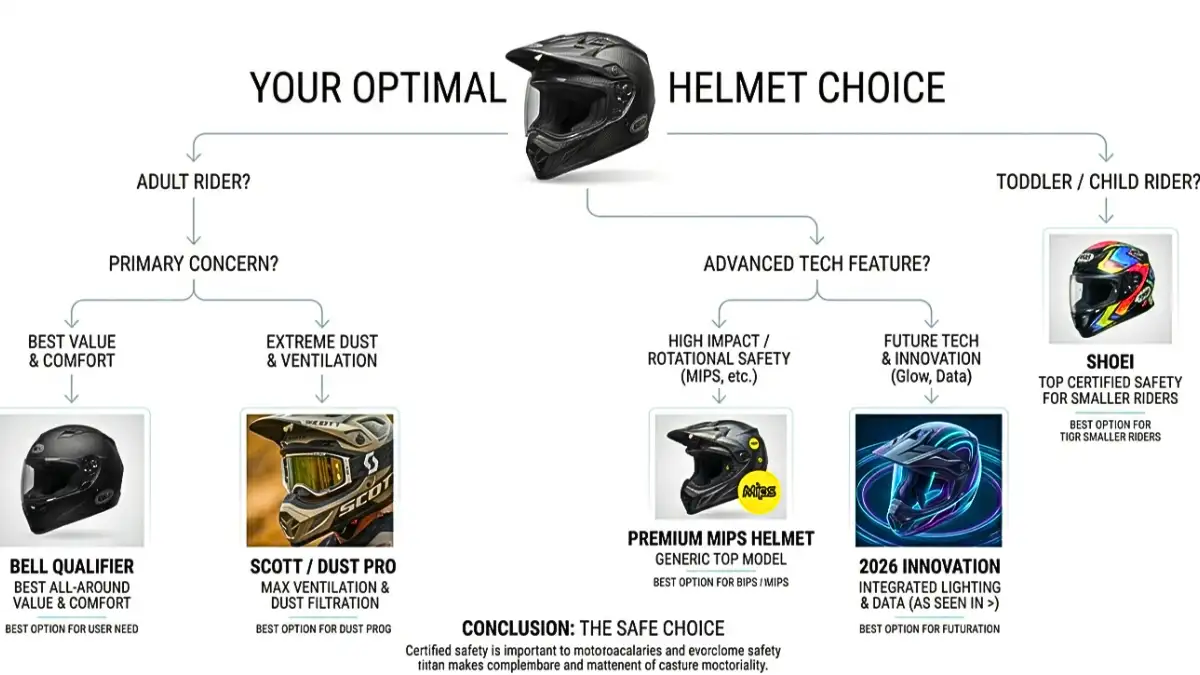
- Best for youth (8–14): O’Neal 3 Series Youth. DOT approved, washable liner, durable ABS shell.
- Best for kids: Bell Sanction Jr. CPSC + DOT, wide size range starting at 3XS.
- Best for toddlers: Shoei VFX-EVO. Fiberglass composite, EQ.R.S. cheek pads, DOT + SNELL.
- Best for dust: Scott 350 Pro. Sealed goggle port, Vortex ventilation, DOT + ECE 22.06.
- Best full-face option: Torc T-9. Fiberglass shell, bubble shield included, DOT approved under $150.
Whatever helmet you choose, make sure it fits precisely, carries the certifications appropriate for your riding, and gets replaced on the manufacturer’s recommended schedule. Your head is the most important piece of equipment on that trail. Treat it accordingly.
Also Read – Best Helmet for ATV Riding: Top 10 Picks You Can Trust in 2026
FAQs –
1. Do I legally need a helmet to ride a UTV?
Ans – It depends on your state and where you ride. On public OHV trails and roads, most states require a DOT-certified helmet for all riders, minors in particular. Private property rules vary. Regardless of legality, wearing a certified helmet is always the right choice.
2. Can I use a motorcycle helmet for UTV riding?
Ans – Yes, many motorcycle helmets (especially full-face, DOT/SNELL/ECE certified) work well for UTV riding. The main considerations are goggle compatibility (motorcycle helmets often assume a shield, not goggles) and ventilation for off-road heat management. Helmets on this list specifically suited for off-road UTV use will generally outperform standard street motorcycle helmets in trail conditions.
3. How often should I replace my UTV helmet?
Ans – Most manufacturers recommend replacement every 3–5 years, or immediately after any significant impact, even one that left no visible external damage. EPS foam degrades permanently on impact. If you’re unsure, replace it. A $150 helmet is worth infinitely more than the alternative.
4. What size helmet do I need for a toddler?
Ans – Measure the child’s head circumference at its widest point (just above the eyebrows) and compare it to the manufacturer’s size chart. For most toddlers (ages 2–4), head circumference typically falls between 48cm and 52cm. The Shoei VFX-EVO starts at XXS (52cm). Always verify fit in person when possible for young children.
5. Are open face helmets safe for UTV riding?
Ans – Open face helmets provide less chin and jaw protection than full-face designs, but they are DOT-certifiable and genuinely protective for the crown, rear, and sides of the head. For moderate-speed trail riding with quality goggles, an open-face helmet like the Giro Switchblade MIPS offers a legitimate safety-comfort tradeoff. For aggressive riding or high speeds, full-face is the better choice.
Sources & References
The following sources were used in compiling the data and recommendations in this article:
- U.S. Consumer Product Safety Commission (CPSC) — OHV Injury Data and Helmet Guidance: cpsc.gov
- Snell Memorial Foundation — Helmet Standards and Testing Methodology: smf.org
- Economic Commission for Europe — ECE 22.06 Regulation: unece.org
- American Academy of Pediatrics — ATV and OHV Safety Guidance: aap.org
- Motorcycle Safety Foundation — Helmet Safety Resources: msf-usa.org
- Annals of Biomedical Engineering — MIPS Rotational Impact Research (peer-reviewed)
- Royal Institute of Technology (KTH), Stockholm — MIPS Technology Development
Also Read – What Is MIPS Helmet and How Does It Work? The Honest Brain-Saving Guide

Rohit is the visionary behind CarBikeJunction. With over a decade of experience in automotive journalism and a deep love for mechanical engineering, he ensures that every piece of content that goes live meets the highest standards of quality and accuracy. As Editor-in-Chief, he oversees the editorial direction of the website and is often found test-driving the toughest SUVs or analyzing market trends. His leadership is the driving force behind our platform.